anti-vibration worker gloves Suppliers and Manufacturers
Source anti-vibration worker gloves from 24 verified suppliers in China. Compare key dimensions including ISO 9001 certification, OEM/ODM capabilities, response times, and pricing ranges. Review product specifications and request quotes directly to streamline your procurement process; review the available evidence before requesting comparable quotations from suitable candidates.
Updated
Suppliers List

Qingdao Meiji Labor Products Co., Ltd.
- Trading Company,Manufacturer/Factory
- China Shandong
- Lead time0 days
- Avg. response≤ 6h
Main productsSafety Gloves, Work Gloves, Safety Shoes, Safety Glasses, Other PPE
Main marketsSouth America,Eastern Europe,Mid East,North America,Southeast Asia,Eastern Asia,Oceania,Western Europe,Africa


Anti-Vibration and Shockproof Work Gloves for Jackhammer Operating Construction Workers
$4.36 - $4.86
MOQ: 3000 Pairs


Shanghai Better Select Industrial Co., Ltd.
- Trading Company
- Shanghai, China
- Lead time30 days
- Avg. response≤ 4h
Main productsWork Gloves,Safety Clothing,Safety Shoes,Welding Clothing,PPE Products
Main marketsWestern Europe(30.00%), North America(30.00%), Eastern Europe(20.00%), South America(6.00%), Oceania(5.00%), Central America(5.00%), Northern Europe(2.00%), Mid East(2.00%)
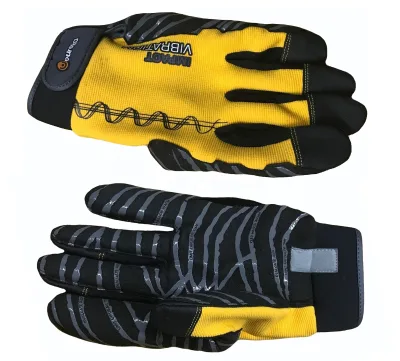
Anti Vibration Impact Resistant Work Gloves
$2.00 - $3.10
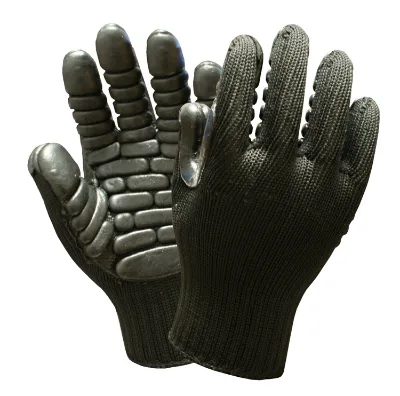
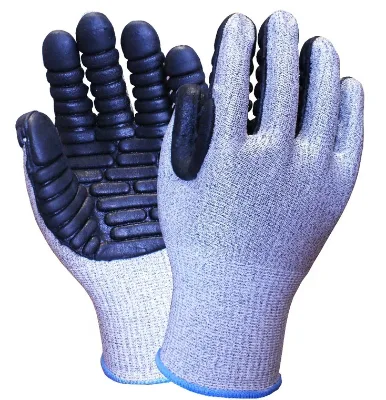
HPPE String Knit Cut Resistant Work Gloves Anti Cut Protection PU Gloves for Glass Handing
$4.98 - $5.88
MOQ: 300 pairs
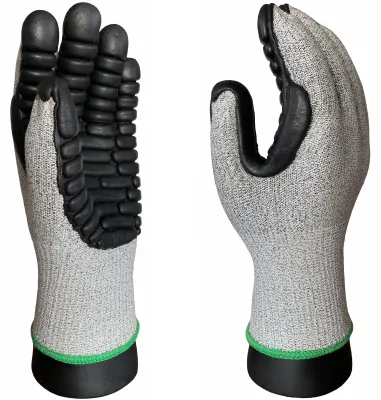
Anti Vibration Resistant Work Gloves Cut Proof 5 Grade HPPE Foam Latex
$2.9621 - $7.1778
MOQ: 30 pairs
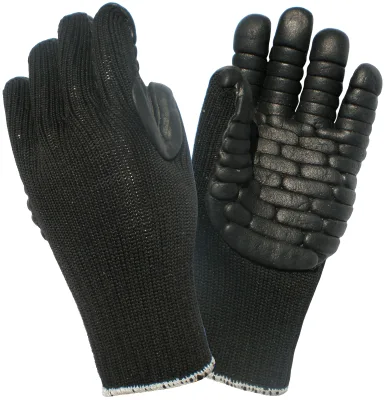
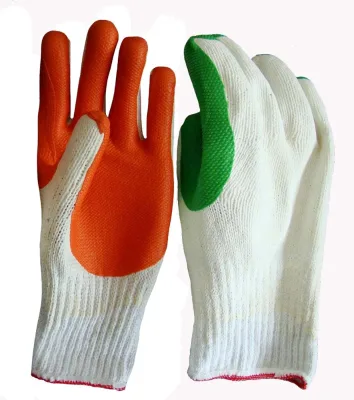

Shijiazhuang Runlei Labour Protection Supplies Co., Ltd.
- Verified by CTI
- Manufacturer/Factory
- China Hebei
- Lead time0 days
- Avg. response≤ 16h
Main productsLeather Ski Gloves, Heat Resistance Gloves, Leather Firefighter Gloves, Leather TPR Gloves, Fishing Wader
Main marketsSouth America,Eastern Europe,Mid East,North America,Southeast Asia,Eastern Asia,Western Europe,Africa

Cut Resistance Cuff Tightness Construction Work Anti-Slip Anti Vibration Gloves
$2.00 - $6.00
MOQ: 600 Pairs

Heavy Duty Impact Resistant Anti Vibration Protective Safety Work Construction Mechanic Gloves
$1.10 - $3.40
MOQ: 1000 Pairs

Anti Vibration Work Safety Mechanic Automotive Construction Worker Hand Glove
$2.00 - $6.00
MOQ: 600 Pairs

Mechanic Excellent Grip Anti Vibration Anti Oil Cut Resistant Safety Work Gloves
$2.00 - $6.00
MOQ: 600 Pairs


Anti Vibration Cut Resistant TPR Protection Anti Impact Protective Working Safety Gloves
$2.00 - $6.00
MOQ: 600 Pairs

Hangzhou Hemai Imp & Exp Co., Ltd.
- Manufacturer/Factory
- China Zhejiang
- Lead time30 days
- Avg. response≤ 5h
Main productsCut Resistant Glove, Anti Impact Mechanic Glove, PU Glove, Winter Work Glove, Nitrile Coated Glove, Household Latex Glove, Leather Work Glove, Welding Glove, Latex Coated Glove, PVC Industry Glove
Main marketsSouth America,Eastern Europe,Mid East,North America,Southeast Asia,Eastern Asia,Oceania,Western Europe,Africa


Anti Impact Mechanic Gloves Anti Vibration Gloves Cut Resistant Work Gloves
$2.90 - $3.50
MOQ: 50 Pairs

Qingdao Bengood Industry And Trade Co., Ltd.
- Manufacturer, Trading Company
- Shandong, China
- Lead time25 days
- Avg. response≤ 4h
Main productswork gloves,safety gloves,coating gloves,leather gloves,safety shoes
Main marketsNorth America(20.00%), Southeast Asia(15.00%), South America(12.00%), Africa(10.00%), Western Europe(10.00%), Domestic Market(8.00%), Oceania(5.00%), Southern Europe(5.00%), Northern Europe(5.00%), Eastern Europe(5.00%), Mid East(5.00%)

Zhangjiagang Aibon Safety Products Co., Ltd.
- Trading Company
- Jiangsu, China
- Lead time15 days
- Avg. response≤ 2h
Main productsSafety gloves,Household Gloves,Working Glove,Chemical Glove,Industrial Latex Glove
Main marketsSoutheast Asia(25.00%), South America(25.00%), North America(20.00%), Eastern Europe(10.00%), Western Europe(5.00%), Domestic Market(5.00%), Africa(5.00%), Mid East(2.00%), Northern Europe(2.00%), South Asia(1.00%)
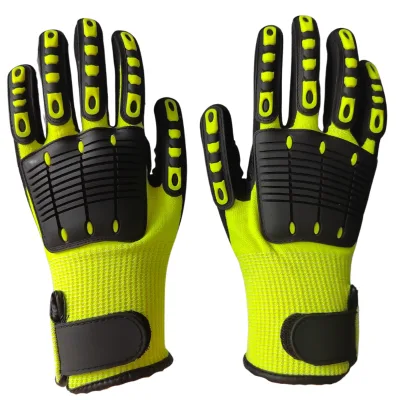
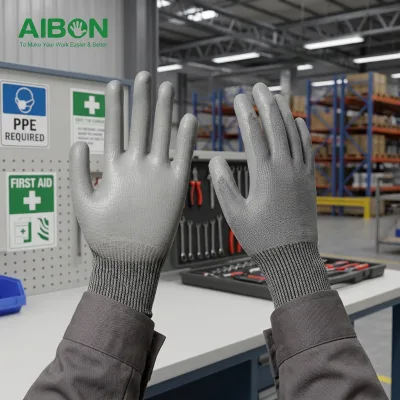
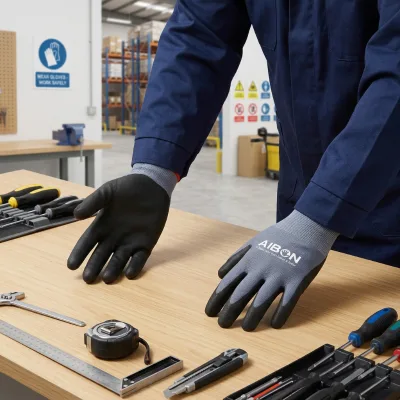
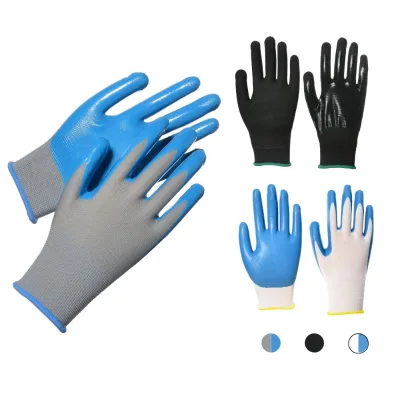
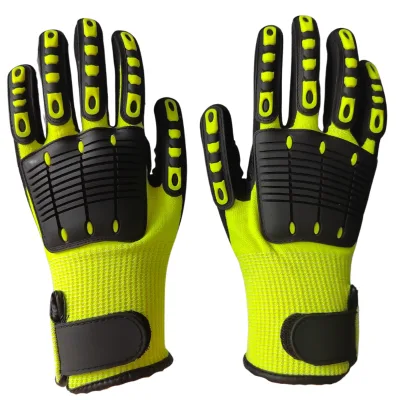
$2.3652 - $2.5716
MOQ: 1000 pairs
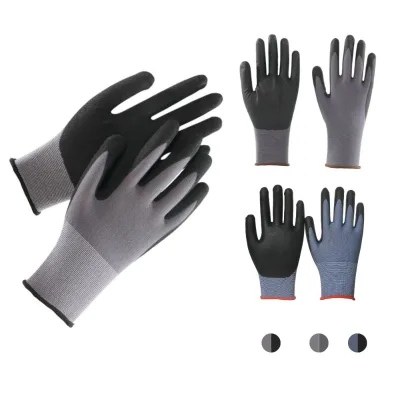
Quanzhou Jiasheng Gloves Co., Ltd.
- Manufacturer, Trading Company
- Fujian, China
- Lead time50 days
- Avg. response≤ 17h
Main productsLabor Protection Gloves, Riding Gloves, Garden Gloves, Outdoor Gloves, Warm Gloves
Main marketsNorth America(75.00%), Eastern Europe(10.00%), South America(5.00%), Oceania(5.00%), Mid East(5.00%)
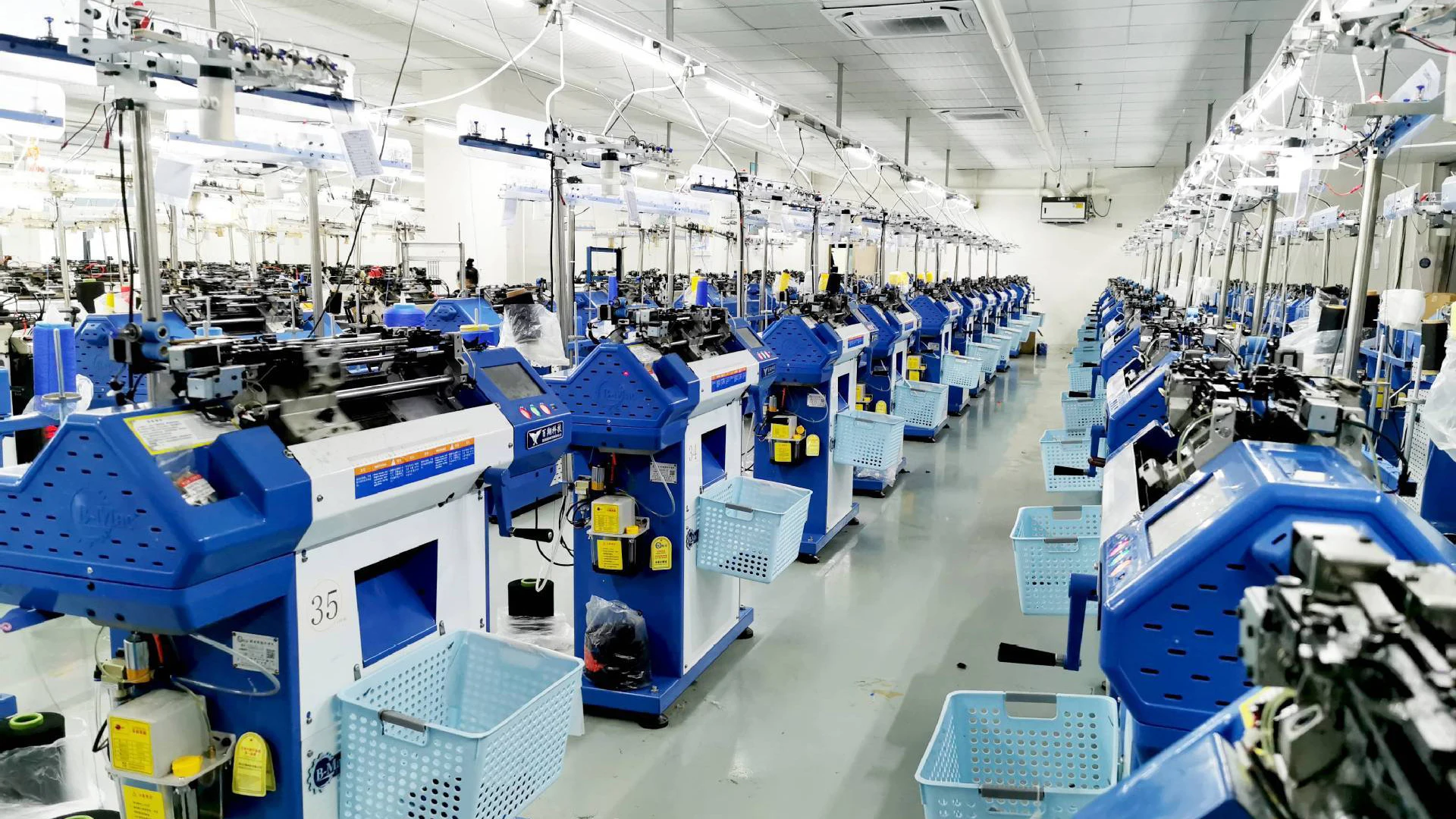
Hubei Magicleaf Technology Co., Ltd.
- Trading Company
- Hubei, China
- Lead time25 days
- Avg. response≤ 2h
Main productsGrounding Bed Sheet,Grounding Mat,EMF Protection Hats,EMF Protection Clothing,TENS EMS Conductive Garments
Main marketsNorth America(55.00%), Eastern Europe(30.00%), South America(5.00%), Southeast Asia(3.00%), Southern Europe(2.00%), Northern Europe(2.00%), Eastern Asia(1.00%), Mid East(1.00%), Western Europe(1.00%)
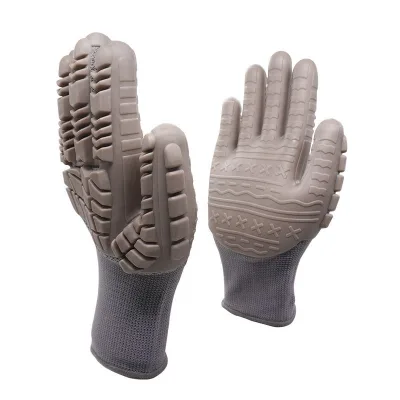
$2.0944 - $2.9322
MOQ: 3000 pairs
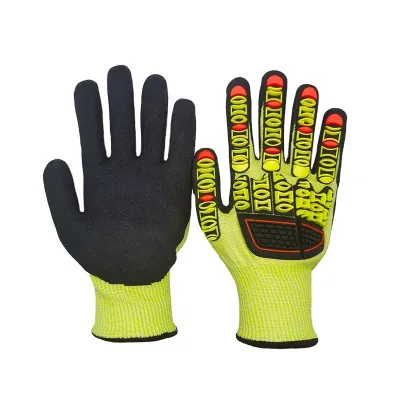
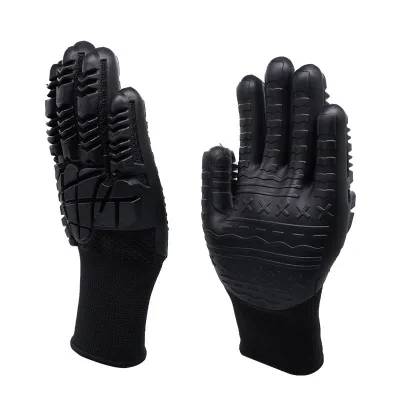
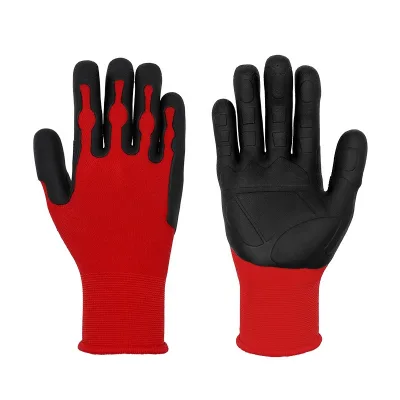
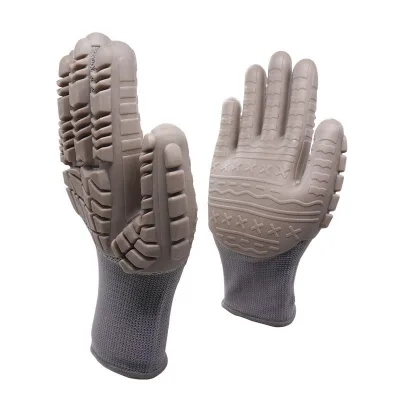
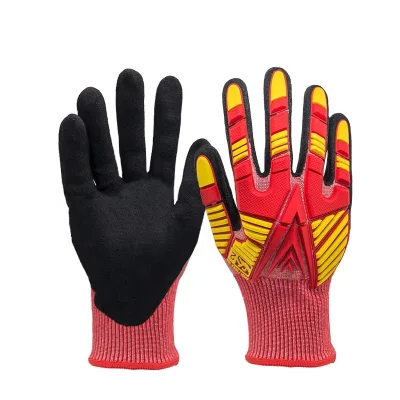
Shandong Deely Gloves Co., Ltd.
- Verified by Intertek
- Manufacturer, Trading Company
- Lead time25 days
- Avg. response≤ 4h
Main productsPU Palm Coated Glove, Cut-Resistance Glove, ESD Glove, NBR Glove, TPR Glove
Main marketsEastern Asia(50%), South Asia(17%), Southeast Asia(10%)
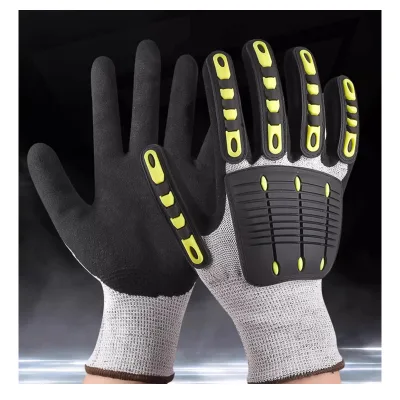
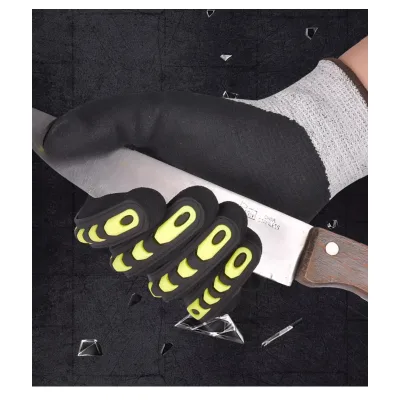
$2.8753 - $2.9905
MOQ: 5000 pairs
Huarui Protective Products (Guangxi) Co., LTD.
- Verified by SGS Group
- Trading Company
- Guangxi, China
- Lead time15 days
- Avg. response≤ 2h
Main productsProtective Mask, Safety Helmet, Protective Clothing, Safety Gloves, Safety Shoes
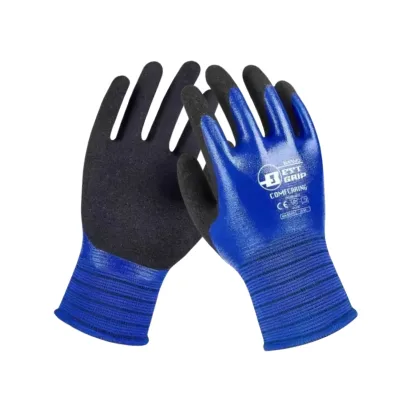
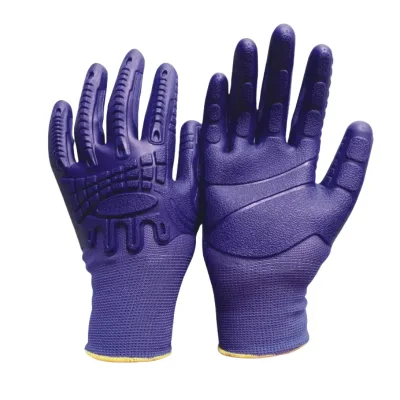
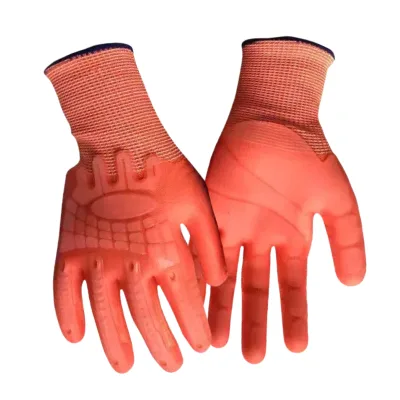
Wholesale Work Gloves Comfortable Labor Protection Ultra-Soft Work Gloves Custom Logo Work Gloves
$1.62 - $2.98
MOQ: 600 pairs
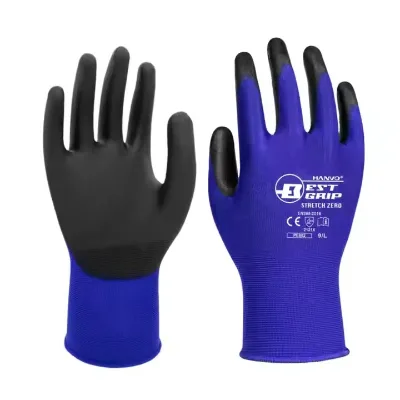
Comfortable Labor Protection Gloves Universal Thin Work Gloves Graphene Work Gloves
$0.47 - $1.88
MOQ: 120 pairs

Qingdao Blue Shield Protection Products Co., Ltd.
- Verified by TUVRHEINLAND
- Trading Company
- China Shandong
- Lead time30 days
- Avg. response≤ 7h
Main productsWork Gloves, Impact Resistant Gloves, Cut Resistant Gloves, Mechanic Gloves, Tactical Glove, Leather Gloves, Welding Gloves, Gardening Gloves, Safety Shoes, Baseball Gloves
Main marketsEast Asia(Japan/ South Korea),Europe,North America


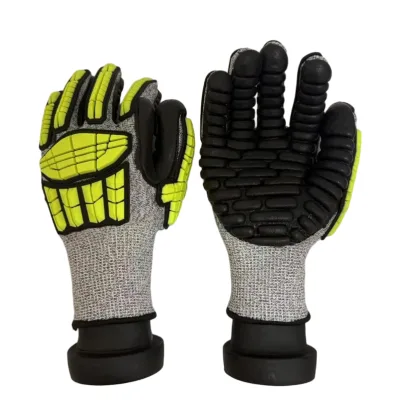
High Visibility Anti-Cut Work TPR Backed Impact and Vibration Resistance Safety Gloves
$2.80 - $3.90
MOQ: 600 Pairs

Linyi Furunda Imp & Exp Co., Ltd.
- Verified by SGS Group
- Trading Company
- Lead time15 days
- Avg. response≤ 4h
Main productsLatexs Gloves, Cotton Gloves, Leather Gloves, PVC Gloves, PU Gloves
Main marketsSoutheast Asia(28%), Eastern Asia(24%), North America(16%)

Shandong Xingyao Labor Gloves Co., Ltd.
- Verified by TUVRHEINLAND
- Combined
- China Shandong
- Lead time15 days
- Avg. response≤ 10h
Main productsWork Glove, Safety Gloves, PU Gloves, Latex Gloves, Nitrile Glove, PVC Gloves, Glove, Work Gloves, Nitrile Gloves, Gloves
Main marketsSoutheast Asia/ Mideast

Customized Anti-Scratch Work Glove Safety Working Gloves for Maintenance
$0.17 - $0.25
MOQ: 12000 Pairs

- Manufacturer, Trading Company
- GUANGDONG, China
- Lead time30 days
- Avg. response≤ 10h
Main productsCowhide Work Gloves,Baby Cowhide Fitness Gloves,Baby Cowhide Fashion Gloves,Leather,Gloves
Main marketsNorth America(75.00%), Western Europe(10.00%), Eastern Asia(5.00%), Eastern Europe(5.00%), Southeast Asia(3.00%), South America(2.00%)
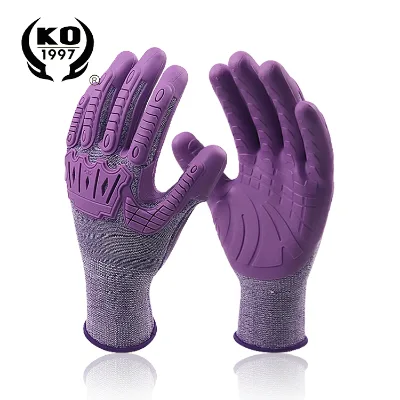
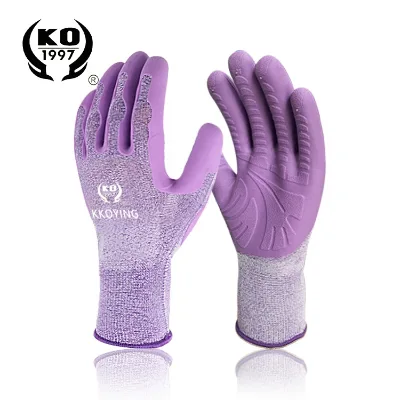
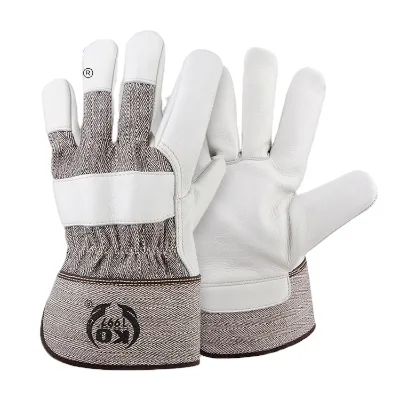
13G Polyster TPE Glove Anti-shock Anti-cutting Non-slip Impact protection Safety Working Gloves
$1.0382 - $1.2417
MOQ: 1 Minimum
Dezhou Jingcai Glove-Making Co., Ltd.
- Verified by Intertek
- Manufacturer, Trading Company
- Lead time30 days
- Avg. response≤ 1h
Main productsPVC Gloves, Work Gloves, Safety Gloves
Main marketsDomestic Market(50%), North America(6%), South America(5%)
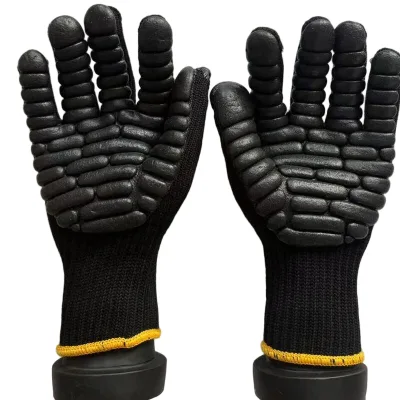
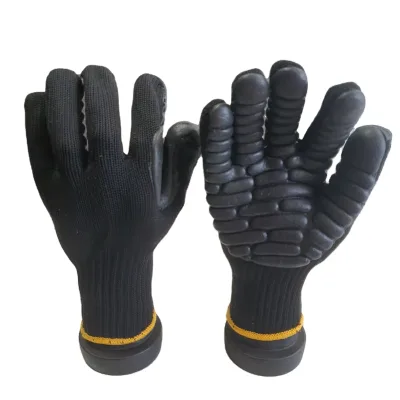
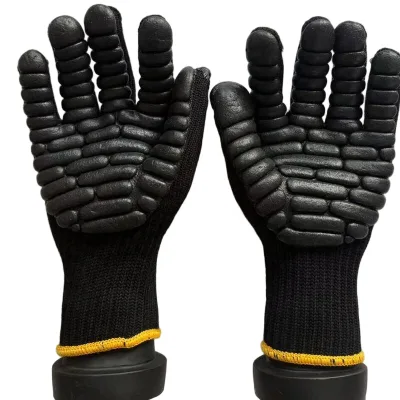
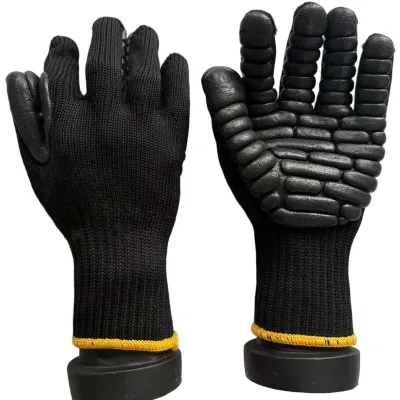
7 Gauge Cotton Liner Breathable Anti-vibration Anti Impact Cut Resistant Work Gloves
$3.0788 - $3.5919
MOQ: 1000 pairs
NANJING EMBOSON SAFETY PRODUCTS CO., LTD.
- Verified by SGS Group
- Manufacturer, Trading Company
- Lead time60 days
- Avg. response≤ 1h
Main productsMechanic Gloves, Working Gloves, Gardening Gloves, Sports Gloves, Reflective Vests
Main marketsNorth America(36%), Northern Europe(16%), Mid East(14%)

Shanghai Fantek Safety Products Co., Ltd.
- Verified by SGS
- Trading Company
- China Shanghai
- Lead time30 days
- Avg. response≤ 1h
Main productsSafety Vest, Safety Glove, Fan, Traffic Cone, Solar Light, Safety Lockout, Fire Blanket, Ear Plug, Spill Absorbent, Safety Goggles
Main marketsSoutheast Asia/ Mideast


Excellent Performance Anti Impact Anti Vibration Gloves for Construction Industry
$2.00 - $2.40
MOQ: 1000 Pairs

Industrial-Grade Comfortable Fitting Anti Vibration Gloves for Logistics and Warehousing
$2.00 - $2.40
MOQ: 1000 Pairs


Beihai Kingsky Enterprise Co., Ltd.
- Verified by CTI
- Trading Company
- China Guangxi
- Lead time30 days
- Avg. response≤ 3h
Main productsSafety Gloves, Working Gloves, Latex Gloves, Garden Gloves, PPE, Safety Glasses, Safety Helmets, Safety Vest, Earplugs & Earmuffs, Yarn Gloves
Main marketsSouth America,Eastern Europe,Mid East,North America,Southeast Asia,Western Europe
Zhejiang Safetree Industry Tech Co., Ltd.
- Trading Company
- Zhejiang, China
- Lead time35 days
- Avg. response≤ 5h
Main productsPPE & safety related products,safety helmet,safety glasses,safety gloves,safety shoes
Main marketsNorth America(20.00%), Western Europe(15.00%), Northern Europe(15.00%), Southern Europe(10.00%), Africa(10.00%), South America(10.00%), Oceania(5.00%), Eastern Europe(5.00%), Central America(2.50%), Mid East(2.50%), Eastern Asia(2.00%), South Asia(2.00%), Southeast Asia(1.00%)
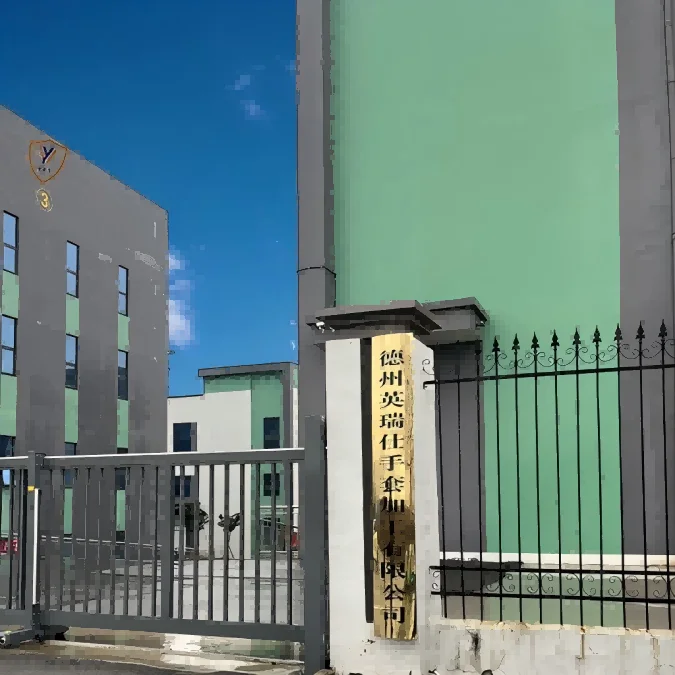
Dezhou Innovates Glove Manufacturer Co., Ltd.
- Manufacturer, Trading Company
- Shandong, China
- Lead time10 days
- Avg. response≤ 2h
Main productsHand protection Gloves,Cotton gloves,PU-Coated gloves,Dipped gloves,PVC Gloves
Main marketsNorth America(30.00%), Eastern Europe(20.00%), South America(20.00%), Mid East(10.00%), South Asia(9.00%), Oceania(4.00%), Northern Europe(3.00%), Central America(3.00%), Southeast Asia(1.00%), Africa(1.00%)
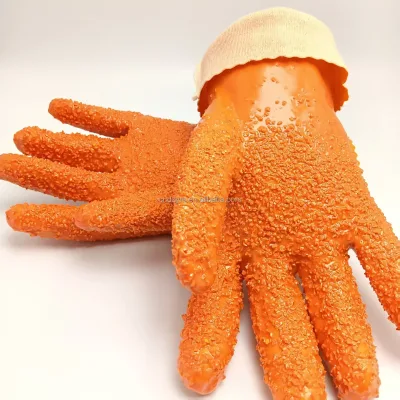
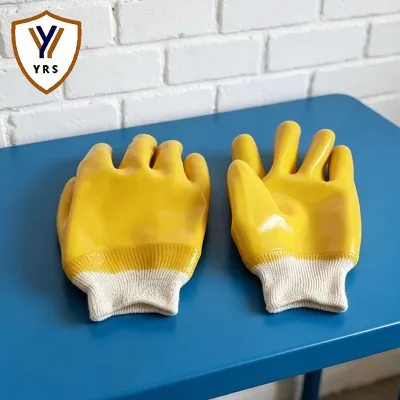
Multi-Functional Waterproof Safety Belt Gloves with Arthritis Therapy & Anti-Vibration Functions
$0.65 - $0.69
MOQ: 6000 pieces
Shijiazhuang Luhe International Trade Co., Ltd.
- Trading Company
- Hebei, China
- Lead time15 days
- Avg. response≤ 5h
Main productsReal leather,Genuine leather gloves,Genuine leather,Natural leather gloves,Labor leather gloves
Main marketsSouth Asia(10.00%), Southern Europe(10.00%), Northern Europe(10.00%), Central America(10.00%), Western Europe(10.00%), Eastern Asia(10.00%), Mid East(10.00%), Southeast Asia(10.00%), Eastern Europe(10.00%), South America(10.00%), North America(10.00%)
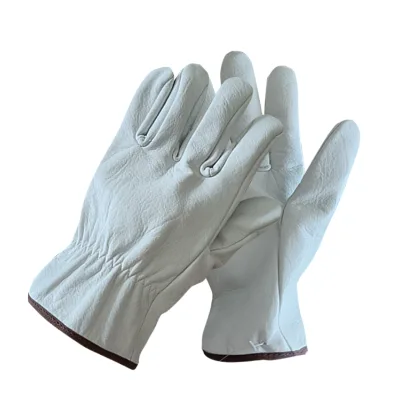
Factory Directly Wholesale Anti-Vibration Safety Gloves for Work and Building Custom Hand Gloves
$10.00 - $12.00
MOQ: 100 pairs
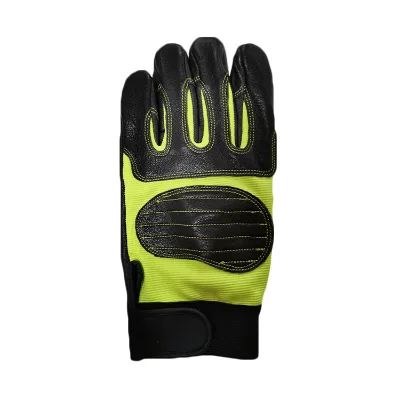
Linyi Tongfu Safety Products Co., Ltd.
- Verified by TüVRheinland
- Manufacturer, Trading Company
- Lead time20 days
- Avg. response≤ 2h
Main productsLabor Protection Articles
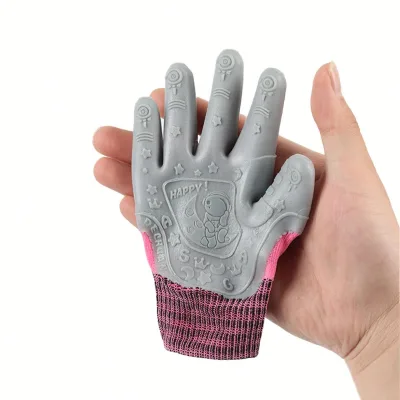
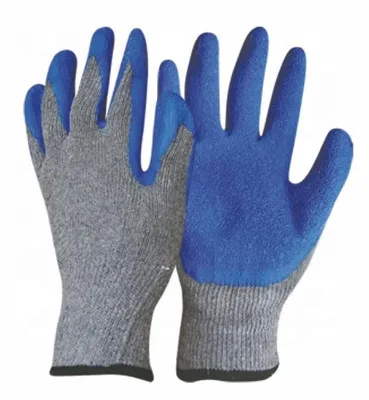
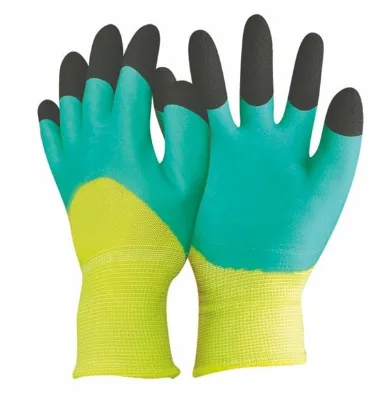
$0.1337 - $0.1855
MOQ: 6000 pairs

HANGZHOU JIN TIAN YIN TECH CO LTD
- Trading Company,Manufacturer/Factory
- China Zhejiang
- Lead time23 days
- Avg. response≤ 1h
Main productsSafety Glove, Face Mask, Work Gloves, Vinyl Gloves, Household Gloves, Rubber Gloves, Nitrile Gloves, Guante, Protection Gloves, Guants
Main marketsSouth America,Eastern Europe,Mid East,North America,Southeast Asia,Eastern Asia,Oceania,Western Europe,Africa

$1.99 - $3.98
MOQ: 3600 Pairs

$3.40 - $4.00
MOQ: 12000 Pairs


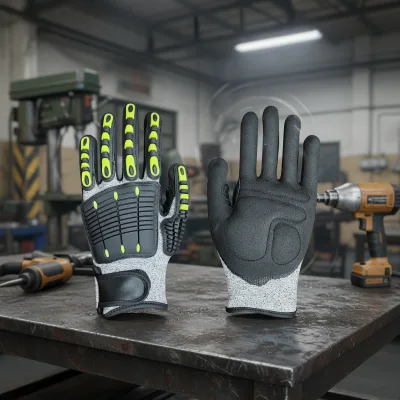
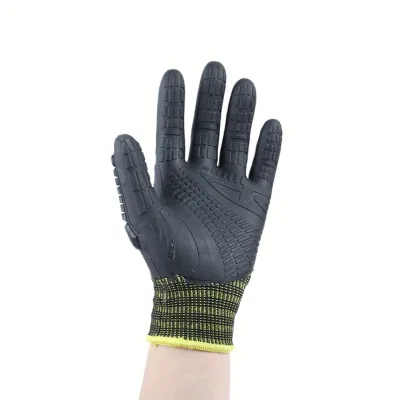
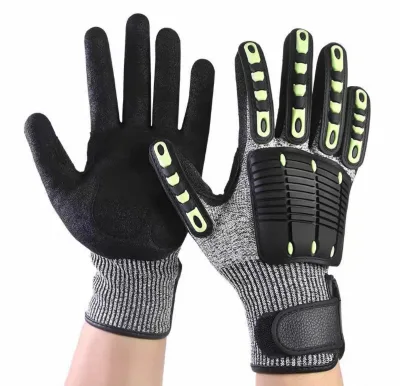
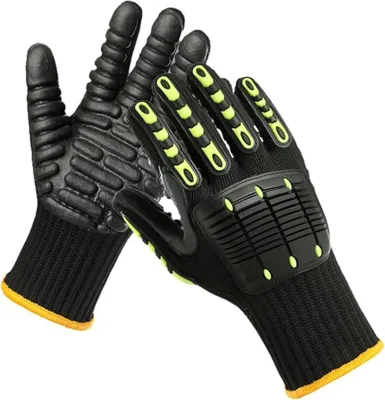
Padding Protects From Impact and Vibrationvibration Protection Lightweight Feel Gloves
$3.40 - $4.00
MOQ: 12000 Pairs

Jiangsu Huibaicheng Group Co., Ltd.
- Verified by SGS
- Trading Company
- China Jiangsu
- Lead time23 days
- Avg. response≤ 5h
Main productsSafety Helmet, Safety Vest, Reflective Clothing, Hard Hat, Safety Gloves
Main marketsSouth America,Eastern Europe,Mid East,North America,Southeast Asia,Eastern Asia,Oceania,Western Europe,Africa




Comprehensive Sourcing Guide
Anti-Vibration Worker Gloves Supplier Concentration and Factory Types
Suppliers of anti-vibration worker gloves on major B2B platforms cluster heavily in China, and the current results point to Shandong as an active manufacturing base for this category. Shandong-based listings span both manufacturers/factories and trading companies, with main product lines covering safety gloves, work gloves, safety shoes, safety glasses and broader PPE. That breadth matters: a supplier whose catalog is anchored in hand and arm protection is more likely to have sustained tooling for TPR padding, nitrile coatings and knitted liners than a generalist trading house that lists gloves among dozens of unrelated goods. One Shanghai-based trading company also appears in the results, focused on work gloves, safety clothing and welding clothing, which shows that coastal trading hubs remain relevant for buyers who want consolidation across PPE categories.
Factory types fall into two broad groups you should distinguish before shortlisting. Manufacturer/factory listings typically advertise OEM and ODM capability, which matters if you need custom logos, custom colorways or modified padding layouts on your anti-vibration gloves; several Shandong listings explicitly state customization is available. Trading companies, by contrast, add a layer between you and the production floor but can simplify multi-item orders. Neither type is inherently better — the deciding factors are whether the entity can show evidence of its own production or a stable network of subcontractors, and whether its displayed main products align with hand protection rather than treating gloves as a sideline.
How to Verify Anti-Vibration Worker Gloves Suppliers
Verification starts with the claims a supplier displays, because most listings in this category carry verifiable signals. Check whether a system certification such as ISO 9001 is shown on the profile — several Shandong results display it — and then ask the supplier for the certificate number and scope so you can confirm it covers the issuing entity rather than an affiliated brand. Review response time figures where shown; the current results show figures in the low single digits, but interpret any displayed response metric as a hint about communication discipline, not a contractual promise. Confirm the company type label (trading company versus manufacturer/factory) by requesting business license details and, for factories, photos or a live video walkthrough of the glove production line, specifically looking for TPR palm-padding machines or coating lines relevant to anti-vibration construction.
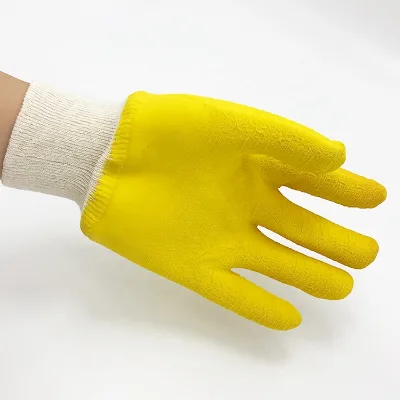
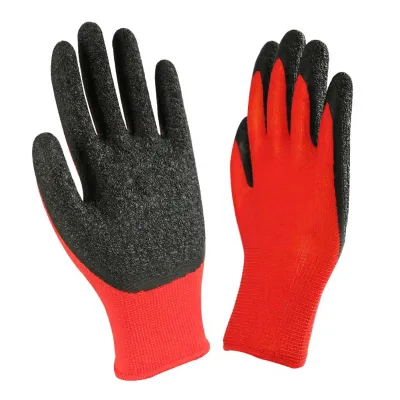
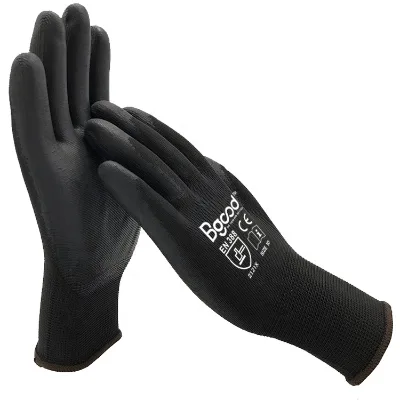
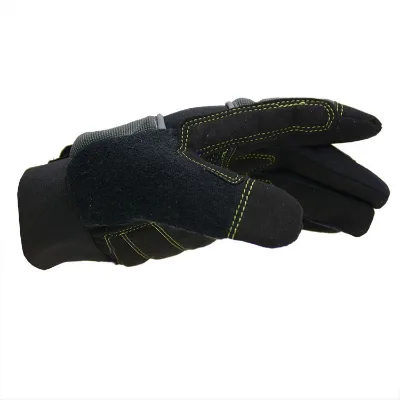
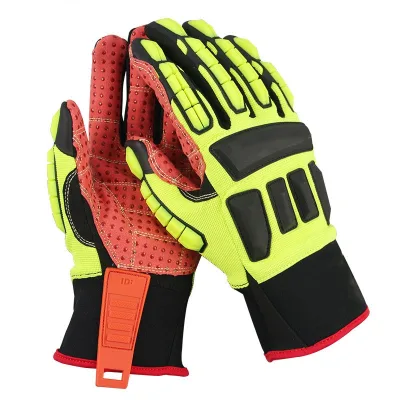
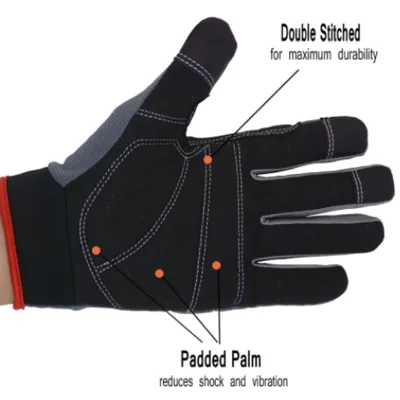
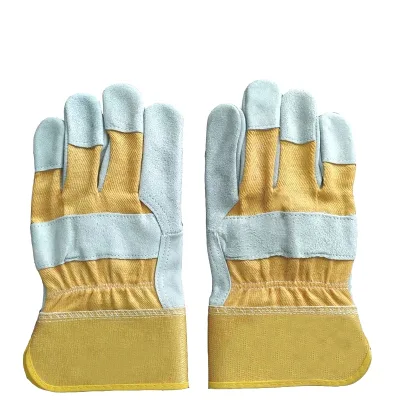
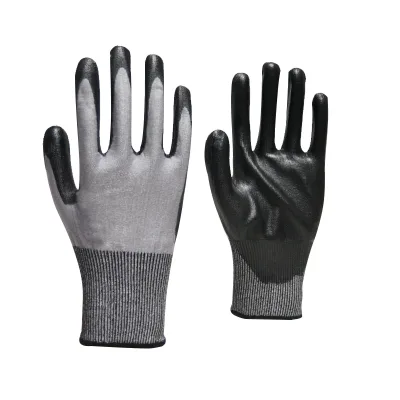
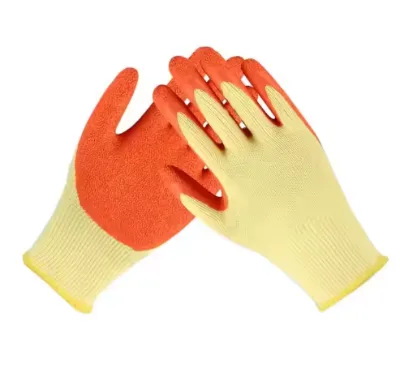
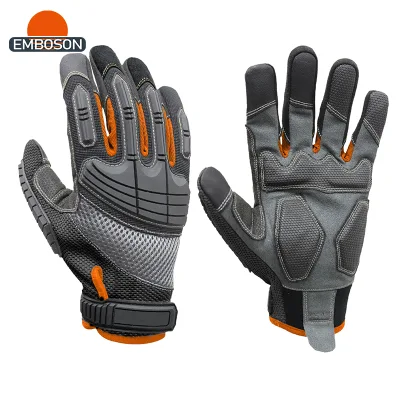
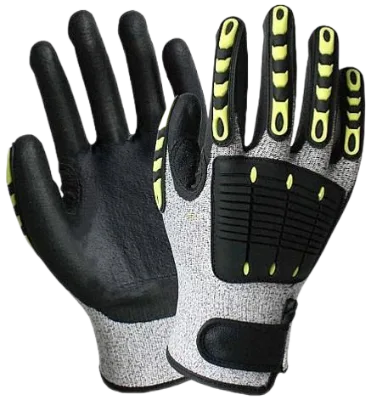
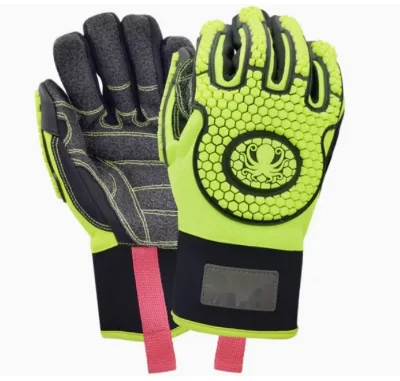
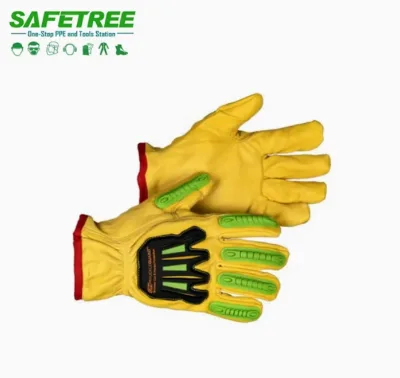
Product listings themselves are verification evidence. The results show gloves described with outer materials such as nitrile, PVC and rubber, TPR impact padding, and anti-static, anti-scratch and heat-insulation functions, with origins listed as Qingdao, Shandong or China generally. Ask the supplier to reconcile these attributes with the actual construction of the sample: which layers provide vibration damping, where the TPR protectors sit, and what the liner composition is. For any CE marking claimed on a listing, request the declaration of conformity and identify the notified body. Finally, order paid samples from every shortlisted supplier before committing, and test them under conditions resembling your end users' jackhammer, demolition or heavy-machinery applications rather than relying on catalog photography.
What to Compare Across Anti-Vibration Worker Gloves Suppliers
Build a comparison table using the dimensions suppliers actually display. Lead time is one: results currently show a spread from an entry of zero (meaning not stated or immediate availability, which you must clarify) to thirty days for a Shanghai trading company, so ask each supplier for a written production-plus-delivery estimate at your order quantity. MOQ is another high-impact dimension — the current listings show MOQs of 1,000, 2,000, 3,000 and 10,000 pairs depending on the glove model, a tenfold spread that will immediately narrow your viable options for a first order. Response time, where displayed, indicates how quickly questions get answered during the quoting stage, which often predicts post-order communication quality.
Beyond those commercial labels, compare customization capability, size ranges and packing. Several listings state customization is available and accept custom colors or logos; one lists sizes S through XL with adjustable cuffs and brand-name customization. Note whether prices are quoted as a range — the results show per-pair bands spanning roughly a dollar to several dollars depending on materials and padding — and treat any displayed price as the start of negotiation, since coating type, TPR coverage and order volume all move it. Also compare main-product focus, location, and whether the supplier offers OEM/ODM services. Do not assume every supplier displays every attribute; where a field is blank, treat it as a question to ask rather than a negative mark, and score suppliers only on dimensions you have confirmed in writing.
Common Anti-Vibration Worker Gloves Sourcing Risks
The most common risk in this category is specification drift: listing attributes such as thickened construction, tight cuffs, nitrile or PVC outer materials, and anti-vibration functions may describe a product family rather than the exact pair you receive. A listing that bundles many keywords — impact gloves, cut-resistant level 5 gloves, oil field gloves, mechanics gloves — can indicate a broad catalog where individual models vary widely in quality. Mitigate this by locking a physical golden sample, referencing the exact model number shown in the listing, and writing material composition, padding placement and packing format (for example, one pair per poly bag, 120 pairs per carton, as one listing describes) directly into the purchase contract.
Pricing and volume risks follow. Listings with very low per-pair prices often carry very high MOQs — one result shows a low unit price paired with a 10,000-pair minimum — which creates inventory risk if the glove underperforms in the field. Conversely, low-MOQ custom-color orders may carry tooling or setup charges not shown on the listing. Certification risk is significant for anti-vibration claims: a CE notation on a listing is not the same as tested vibration damping, so verify the certificate's scope before using it in your own compliance documentation. Finally, watch for ambiguous origin information — some listings state Qingdao or Shandong while others simply say "Made in China" — because customs classification and any preferential tariff treatment depend on accurate origin documentation, and mismatches between listing and invoice can delay clearance.
Anti-Vibration Worker Gloves Regional Sourcing and Logistics
The evidence base for this category points clearly to eastern China. Shandong province, with Qingdao as a listed product origin, functions as a recognized cluster for knitted, coated and TPR-padded safety gloves, supported by dyeing, knitting and coating supply chains in the same region. Shanghai appears as a secondary sourcing point through a trading company with a thirty-day lead time and a broader PPE catalog including safety clothing and welding apparel. Sourcing from both regions is feasible in one consolidated shipment, but expect different dynamics: a Shandong factory may quote production-first timelines, while a Shanghai trading intermediary may absorb coordination time before goods move.
Logistically, plan around the standard export flow from Chinese ports. Packing formats shown in the results — cartons with dimensions like 65×55×60 cm and smaller boxed units — let you estimate container fill: cartonized bulk orders palletize efficiently, while boxed retail-ready units add volume and may require carton-in-carton packing. Confirm with each supplier whether freight quotes are on FOB, CIF or EXW terms, since trading companies sometimes quote differently from factories. Ask about export documentation experience for PPE, including any certificates your destination market requires at import. For time-sensitive orders, clarify the split between production lead time and port cut-off dates; a thirty-day stated lead time can extend if booking peaks around Chinese New Year, so place reorders well ahead of that window and confirm holiday shutdown dates in writing.
Anti-Vibration Worker Gloves Commercial Terms and Order Planning
Commercial terms should be settled before any deposit changes hands. Start by fixing unit pricing against a confirmed specification: the observed listings quote price ranges per pair (roughly from under a dollar to above four dollars depending on model, material and order size), so require a written quotation tied to your golden sample, your quantity, and your packaging requirements. Agree on Incoterms, payment structure and any custom-logo or custom-color setup fees explicitly, because customization is advertised across many of these listings but the cost mechanics are rarely shown. For first orders, staged payments — a deposit with the balance after passing pre-shipment inspection — keep leverage with the buyer without being adversarial.
Order planning should sequence a pilot before scale. Place a minimum-viable first order at the supplier's lowest workable MOQ (observed minimums range from 1,000 to 10,000 pairs), run field trials with your end users, and only then commit to volume. Build a reorder calendar from the supplier's stated lead time — anywhere from a few days to thirty days in the current results — and add buffer for inspection and shipping. Confirm warranty or defect-replacement terms for padding failures and stitching defects, which are the typical failure modes in this category. Finally, document everything: model number, carton dimensions, packing format and origin statement. Suppliers differ in how much they display, so treat every gap as a contract clause to add rather than a detail to assume.
Word count: 1408
FAQs
What is the price range for anti-vibration gloves?
Prices typically range from $0.50 to $8.50 per pair depending on material and customization. Basic nitrile or rubber options start near $0.50, while specialized impact-resistant models with custom logos cost more. Buyers should verify specific unit costs based on order volume and selected features.
What are the minimum order quantities for these gloves?
Minimum order quantities vary significantly by product type. Some suppliers require as few as 1,000 pairs, while others set the threshold at 3,000 or even 10,000 pairs. Buyers must check individual product listings to confirm the exact MOQ applicable to their specific customization and material choices.
Where are these gloves manufactured?
Manufacturing locations primarily include Shandong and Shanghai in China. Specific origins may also be listed as Qingdao or generally as Made in China. Buyers should verify the exact place of origin on product details to ensure alignment with their supply chain preferences and logistics requirements.
What certifications are available for safety gloves?
ISO 9001 system certification is available from some manufacturers. Additionally, certain products carry CE certification. Buyers should request specific certificate documents for each product to verify compliance with regional safety standards and ensure the gloves meet the required regulatory frameworks for their target markets.
How quickly do suppliers respond to inquiries?
Response times generally average around 4 to 5 hours. This metric indicates how fast suppliers typically reply to initial sourcing requests. Buyers can expect relatively quick communication, but actual response speeds may vary based on the specific supplier and the complexity of the inquiry submitted.
What materials are used in anti-vibration gloves?
Common outer materials include nitrile, PVC, rubber, and latex. Linings often feature nylon, cotton, or microfiber for comfort. Some models incorporate TPR padding for shock absorption. Buyers should select materials based on specific needs such as oil resistance, cut protection, or general industrial durability requirements.