Waterproof Safety Combat Boot Suppliers and Manufacturers
Compare 26 verified suppliers of waterproof safety combat boots by location, lead time, and certifications. Review product attributes like material and response time, then request quotes to finalize your sourcing decision; review the available evidence before requesting comparable quotations from suitable candidates.
Updated
Suppliers List

Jiangsu Ankailong Fire Equipment Industrial Co., Ltd
- Verified by BV
- Combined
- China Jiangsu
- Lead time15 days
- Avg. response≤ 10h
Main productsFirefighting Clothing
Main marketsDomestic

Wuhan Corhunter Garment Co., Ltd.
- Verified by BV
- Combined
- China Hubei
- Lead time15 days
- Avg. response≤ 11h
Main productsUniform, Jacket, Shirt, Pants, Shorts, Boots, Gloves, Hat, Belt, Camouflage Uniform
Main marketsAfrica,Southeast Asia/ Mideast,North America

- Verified by BV
- Trading Company
- China Fujian
- Lead time23 days
- Avg. response≤ 3h
Main productsMouth Care and Soap, Field Kitchen Trailer, Camping Tents, Boots and Shoes, Camo Uniform and Clothes, Outdoor Backpacks and Bags, Camouflage Net and Ghillie Suit, Blankets and Sleeping Bags, Canteens and Mess Tins, Tactical Helmet
Main marketsSouth America,Africa,Southeast Asia/ Mideast,East Asia(Japan/ South Korea),Europe,Australia,North America
- Verified by SGS Group
- Trading Company
- Lead time15 days
- Avg. response≤ 2h
Main productsSteel Toecap, Anti Puncture Insole, Fiberglass Toecap, Composite Toecap, Safety Shoes
Main marketsSoutheast Asia(30%), Domestic Market(27%), South Asia(15%)
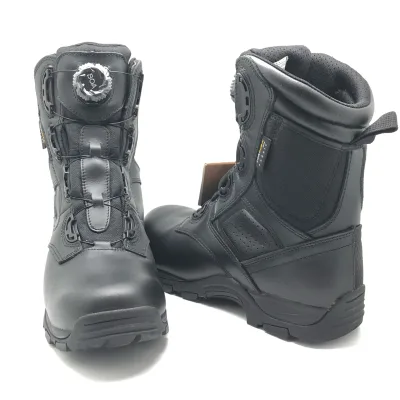
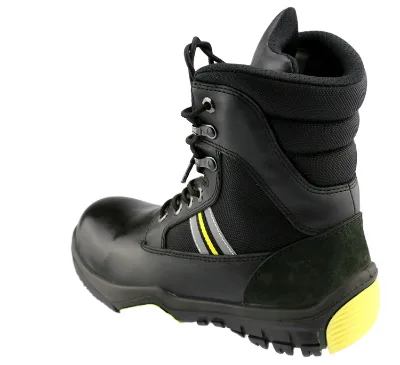
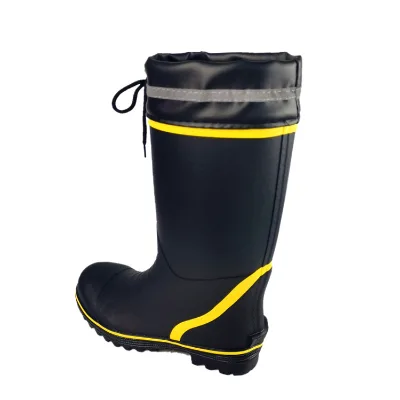
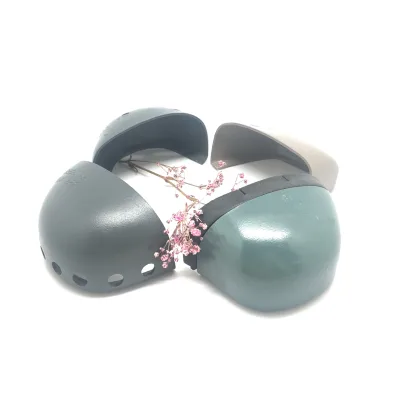
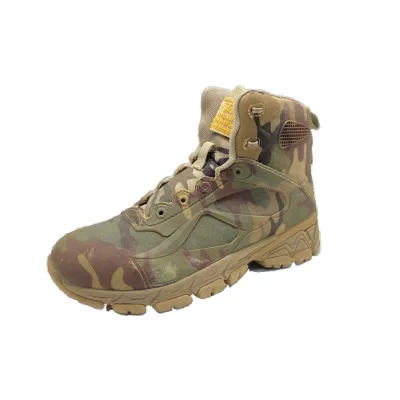
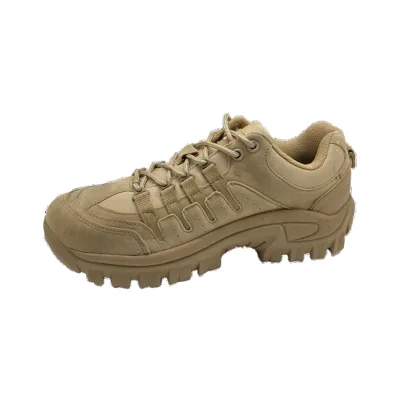
$28.00 - $30.99
MOQ: 2 pairs
Shenzhen Hoverstar Innovations Technology Co.,Ltd
- Verified by Intertek
- Manufacturer, Trading Company
- Lead time40 days
- Avg. response≤ 3h
Main productsElectric Mini Jet Boat, Electric Surfboard, Underwater Scooter, Remote Controlled Lifebuoy, Water Rescue Rowing Boat
Main marketsNorth America(26%), Western Europe(23%), Southeast Asia(19%)

CHINA HENGTAI GROUP CO., LIMITED
- Verified by BV
- Trading Company,Manufacturer/Factory,Group Corporation
- China Tianjin
- Lead time0 days
- Avg. response≤ 13h
Main productsBulletproof Helmet, Bulletproof Vest, Bulletproof Plate, Ak Ballistic Pasgt Mich2000 Fast Tactical Helmet, Body Armor, Military Bdu Acu M65 Uniform, Military Desert Jungle Combat Boots, Military Refugee Emergency Tent, Radar and Irr Camouflage Net, Police Anti Riot Suits Gear Equipment
Main marketsSouth America,Eastern Europe,Mid East,North America,Southeast Asia,Eastern Asia,Oceania,Western Europe,Africa

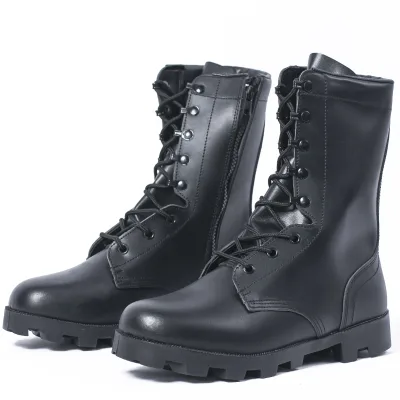
Tactical Leather Boots Waterproof and Durable Design Boots Combat Tactical Boots Heavy Duty Boot
$18.00 - $28.00
MOQ: 1000 Pieces

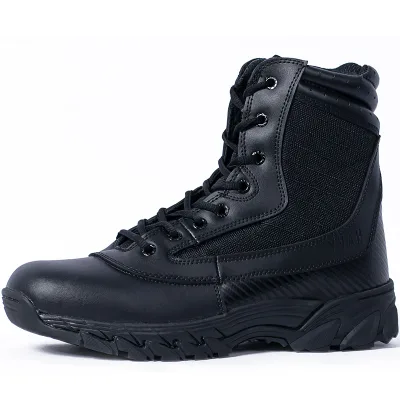
Protective Desert Boots Outdoor Safety Boots Professional Patrol Tactical Boots Combat Training Boot
$18.00 - $28.00
MOQ: 1000 Pieces

Officer Patrol Boots Safety Work Tactical Boots Heavy Duty Outdoor Combat Boots Security Safety Boot
$18.00 - $28.00
MOQ: 1000 Pieces

Officer Patrol Boot Safety Work Tactical Boot Heavy Duty Outdoor Combat Boots Training Tactical Boot
$18.00 - $28.00
MOQ: 1000 Pieces

Outdoor Canvas Combat Boots Protective Tactical Boots Outdoor Combat Boots Black Leather Boot
$18.00 - $28.00
MOQ: 1000 Pieces

Combat Training Boot Security Guard Boots Law Enforcement Boots Specioal Forces Boots
$18.00 - $28.00
MOQ: 1000 Pieces

Quanzhou Kunhao Investment Co., Ltd
- Trading Company
- China Fujian
- Lead time0 days
- Avg. response≤ 5h
Main productsSports Shoe High Heel, Tatical Boots/Police Boots, Waterproof Hiking Shoes / Trekking & Hiking Shoe, Protective Shoes/Work Boots / Safety Shoes, Walking Hiking Outdoor Sandals/Flip Flops, Athletic Shoes, Preliminary Material Preparation for Production, Shoemaking Machine, Used Machines for Shoes and Clothing in Stock
Wuhan Corhunter Garment Co., Ltd.
- Verified by Intertek
- Trading Company
- Lead time30 days
- Avg. response≤ 4h
Main productsTactical Uniform, Security Guard Uniform, Workwear, Camouflage Fabric, Tactical Gear
Main marketsAfrica(20%), North America(15%), South America(15%)

- Verified by TUVRHEINLAND
- Manufacturer/Factory
- China Guangdong
- Lead time45 days
- Avg. response≤ 4h
Main productsSafety Shoes, Military Boots, Safety Boots, Army Boots, Casual Shoes
Main marketsSouth America,Eastern Europe,Mid East,North America,Southeast Asia,Eastern Asia,Oceania,Western Europe,Africa

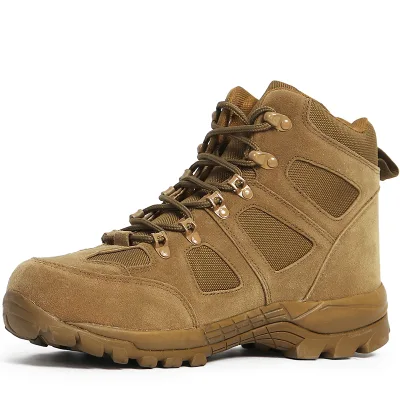
Top Quality Combat Waterproof Boots Style Outdoor Mountain Climbing Waterproof Hiking Boots
$16.90 - $22.90
MOQ: 1000 Pairs

Safety Boots Wholesale Black Knight Safety Boots Boots Men Waterproof Boot
$13.50 - $16.50
MOQ: 500 Pairs


Jiangxi Province Dongpeng Shoes Co., Ltd.
- Manufacturer, Trading Company
- Jiangxi, China
- Lead time30 days
- Avg. response≤ 10h
Main productsSafety Shoes,Outdoor Boots,Firefighting Boots,EVA clogs,PVC gumboots
Main marketsDomestic Market(30.00%), Southeast Asia(10.00%), North America(10.00%), South America(10.00%), Southern Europe(5.00%), Western Europe(5.00%), Eastern Europe(5.00%), Northern Europe(5.00%), Oceania(5.00%), Africa(5.00%), Central America(3.00%), South Asia(3.00%), Eastern Asia(2.00%), Mid East(2.00%)

- Verified by CTI
- Trading Company
- China Jiangsu
- Lead time23 days
- Avg. response≤ 5h
Main productsDesert Boots, Hunting Boots, Safety Boots&Shoes, Hiking Shoes, Casual Shoes, Snow Boots, Slippers, Clothing
Main marketsSoutheast Asia/ Mideast,Europe
Shandong Haolin Labor Products Co., Ltd.
- Manufacturer, Trading Company
- Shandong, China
- Lead time30 days
- Avg. response≤ 5h
Main productsSafety Shoes,Safety Boots
Main marketsDomestic Market(100.00%), North America(15.00%), Western Europe(15.00%), Southern Europe(15.00%), Southeast Asia(10.00%), Africa(10.00%), South America(10.00%), Eastern Europe(8.00%), Mid East(5.00%), Central America(5.00%), Eastern Asia(2.00%), South Asia(2.00%), Northern Europe(2.00%), Oceania(1.00%)
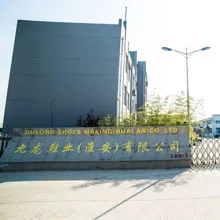
Huaian Jiulong Shoes Making Co., Ltd.
- Manufacturer
- Jiangsu, China
- Lead time20 days
- Avg. response≤ 7h
Main productsShoes,Boots,Snow Boots
Main marketsMid East(35.00%), North America(30.00%), Domestic Market(20.00%), Africa(15.00%)

China Xinxing Shanghai Import and Export Co., Ltd.
- Verified by TUVRHEINLAND
- Trading Company
- China Shanghai
- Lead time15 days
- Avg. response≤ 6h
Main productsAnti-Riot Suit
Main marketsSouth America,Africa,Southeast Asia/ Mideast,Europe


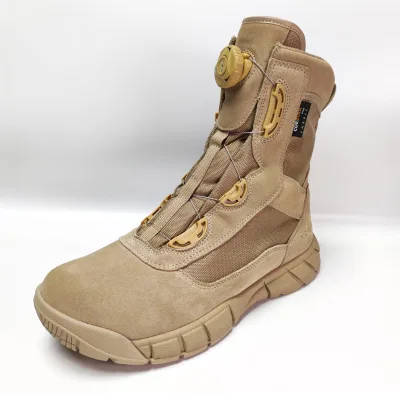
High-Performance Waterproof Tactical Combat Boots for Outdoor Adventures
$12.00 - $12.50
MOQ: 500 Pairs


Qingdao Wanshunyuan Metal Materials Co., Ltd
- Verified by BV
- Trading Company
- China Shandong
- Lead time15 days
- Avg. response≤ 2h
Main productsExhaust Mufflers, Exhaust Chromed Elbow Tips, Exhaust Tips, Exhaust Pipe, Exhaust Flexible Pipe, Exhaust Catalytic Converters, Safety Shoes, Work Boots
Main marketsDomestic
Guangzhou Hanagal Shoes Co., Ltd.
- Verified by Intertek
- Trading Company
- Lead time65 days
- Avg. response≤ 4h
Main productsTactical Boots, Running Boots, Hiking Shoes, Hunting Boots
Main marketsMid East(20%), Western Europe(20%), South America(17%)
Gaomi Rongtai Labor Protection Products Co., Ltd.
- Verified by TüVRheinland
- Manufacturer, Trading Company
- Lead time45 days
- Avg. response≤ 1h
Main productsSafety Shoes
Main marketsNorth America(30%), Eastern Europe(20%), Western Europe(20%)
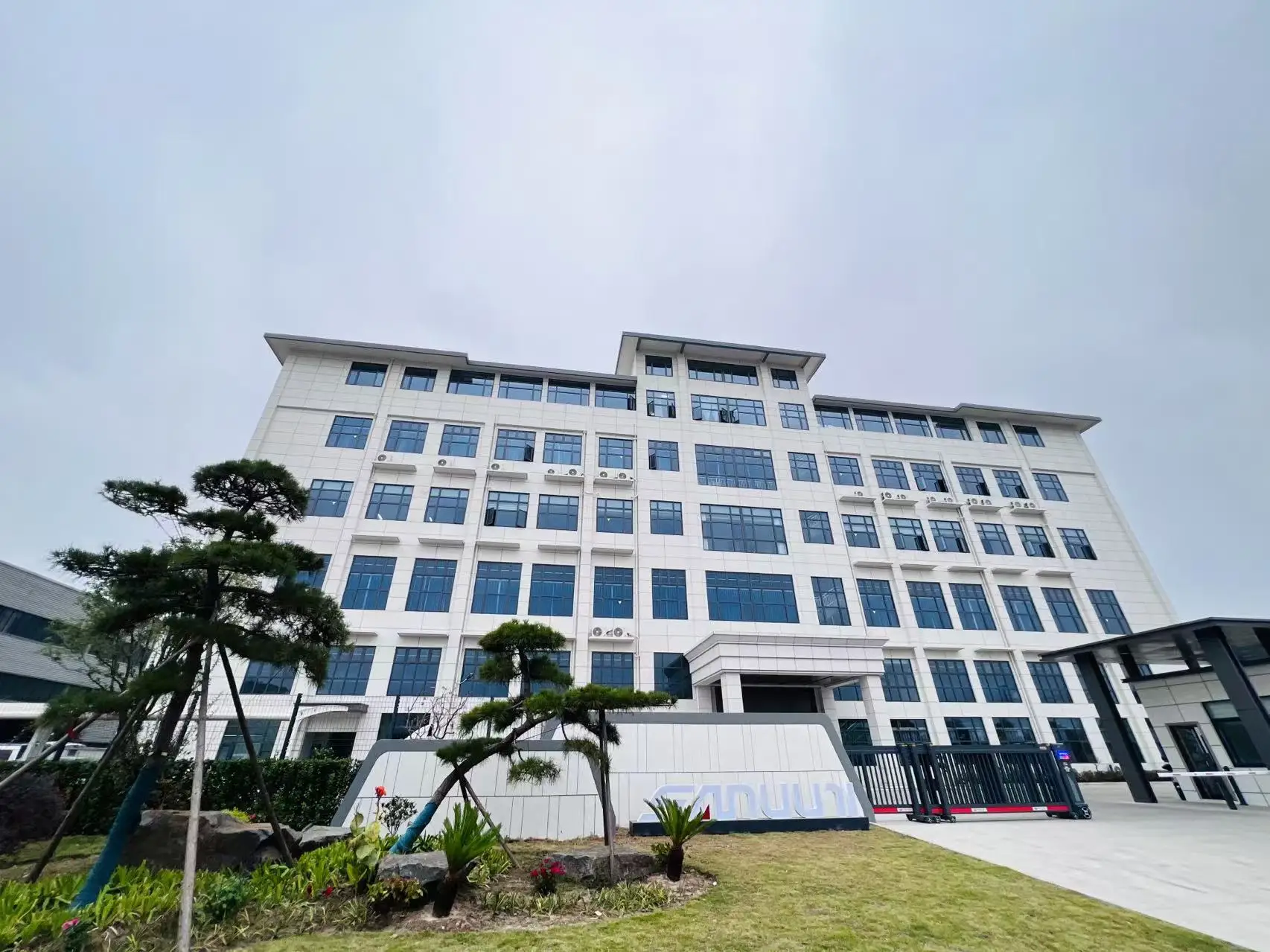
Jiangsu Crown Police Equipment Manufacturing Co., Ltd.
- Manufacturer, Trading Company
- Jiangsu, China
- Lead time15 days
- Avg. response≤ 3h
Main productsProtective Helmet,Protective Shield,Protective Vest,Tactical Vest,Self Defense Supplies
Main marketsDomestic Market(100.00%)
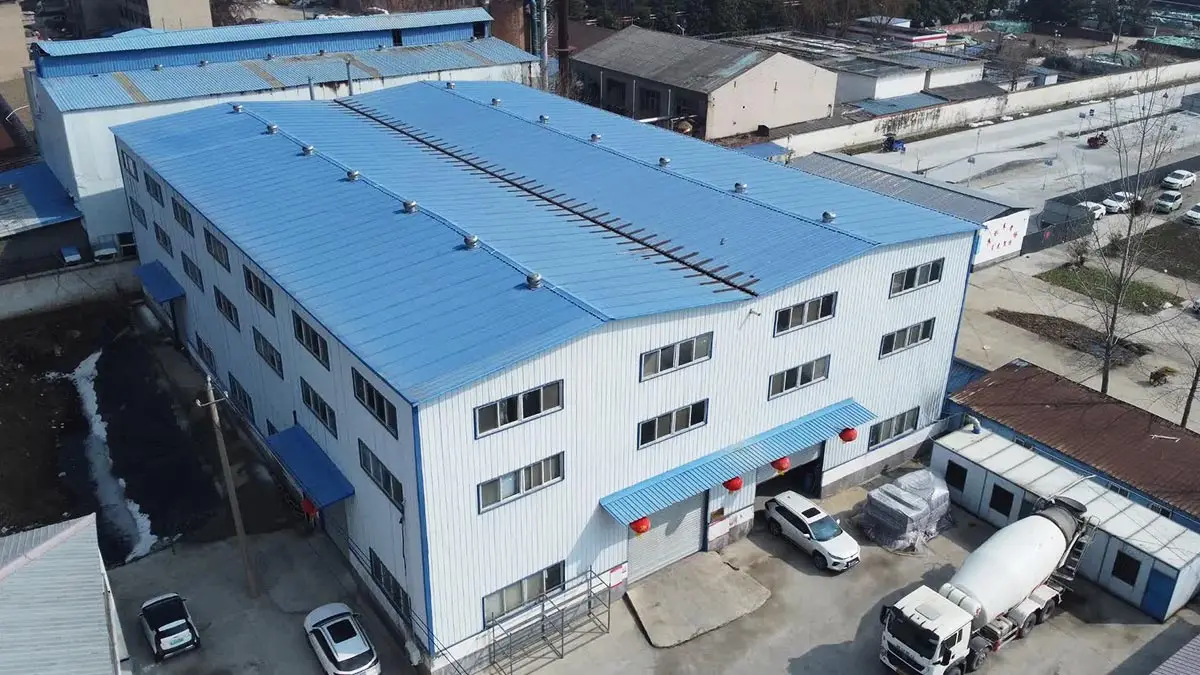
Luohe Baiyue Shoe Industry Co., Ltd.
- Manufacturer, Trading Company
- Henan, China
- Lead time0 days
- Avg. response≤ 2h
Main productsCombat boots,Martin boots,Tactical boots,Outdoor footwear,Wool boots
Main marketsNorth America(10.00%)
Rizhao Luyiqi Protective Products Co., Ltd.
- Verified by TüVRheinland
- Trading Company
- Lead time14 days
- Avg. response≤ 1h
Main productsSafety Shoes, Safety Helmet, Safety Gloves, Safety Clothing
Main marketsAfrica(45%), North America(25%), Western Europe(20%)

Shanghai Sky Industrial Products Co., Ltd
- Verified by SGS
- Trading Company
- China Shanghai
- Lead time30 days
- Avg. response≤ 18h
Main productsMilitary Uniform, Military Boot, Military Backpack, Belt, Buckle, T-Shirt, Badge
Main marketsDomestic
- Manufacturer, Trading Company
- Shandong, China
- Lead time15 days
- Avg. response≤ 3h
Main productsSafety shoes,Safety boot,Hiking shoes,Work shoes,Labor protection equipment
Main marketsOceania(40.00%), Africa(20.00%), South Asia(20.00%), South America(10.00%), Southeast Asia(10.00%)
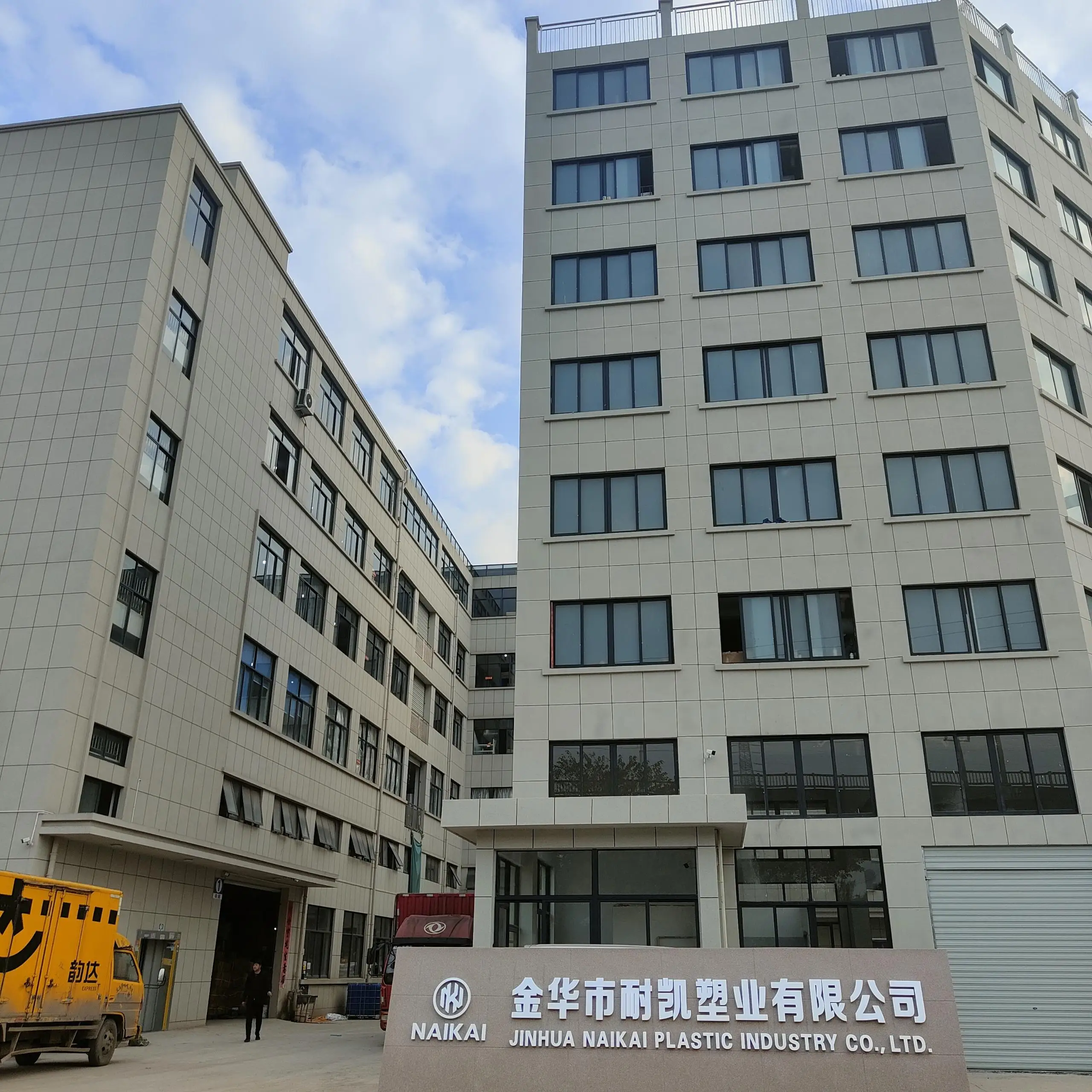
Jinhua Naikai Plastic Industry Co., Ltd.
- Manufacturer, Trading Company
- Zhejiang, China
- Lead time20 days
- Avg. response≤ 4h
Main productsSafety boots,rain boots,boots,safety belts,safety clothes
Main marketsAfrica(30.00%), North America(20.00%), Southeast Asia(20.00%), Mid East(20.00%), Eastern Europe(10.00%)

Qingdao Fangxincheng Materials Co., Ltd.
- Verified by SGS
- Trading Company
- China Shandong
- Lead time15 days
- Avg. response≤ 5h
Main productsWork Shoe, Work Safety Shoe, Exhaust Tip, Working Glove
Main marketsDomestic

Construction Labor Protection Work Shoe Waterproof Steel Toe Tactical Work Safety Shoe Safety Boots
$14.60 - $16.80
MOQ: 1000 Pairs

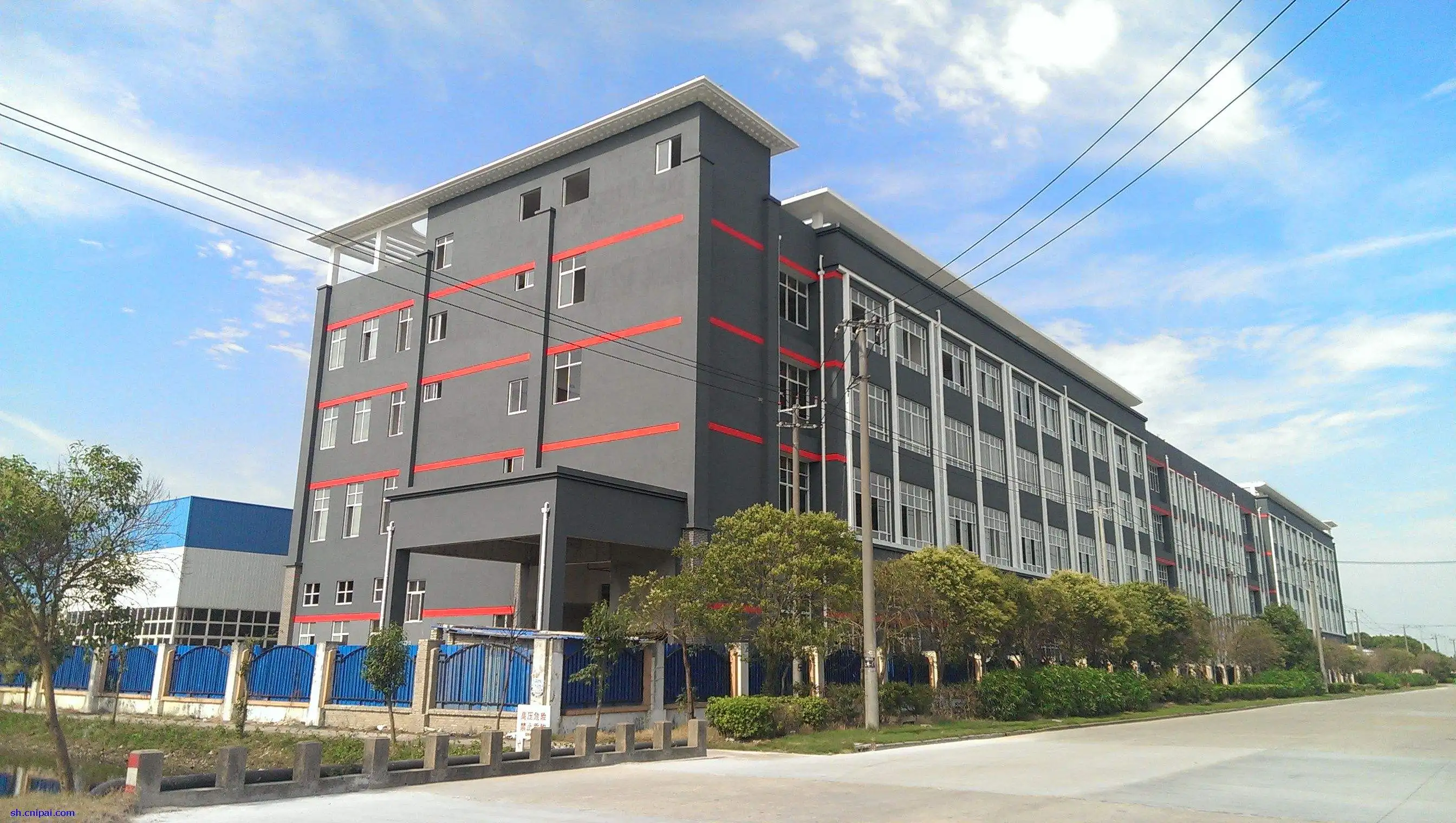
Guangzhou Yihe Trading Co., Ltd.
- Manufacturer, Trading Company, Distributor/Wholesaler
- Guangdong, China
- Lead time0 days
- Avg. response≤ 2h
Main productsTactical Backpack,Hiking Backpack,Outdoor Sports Backpack,Tactical boots,Tactical Vest
Main marketsNorth America(30.00%), Southeast Asia(15.00%), Mid East(10.00%), South America(10.00%), Eastern Europe(10.00%), South Asia(5.00%), Southern Europe(5.00%), Western Europe(5.00%), Eastern Asia(5.00%), Africa(5.00%)
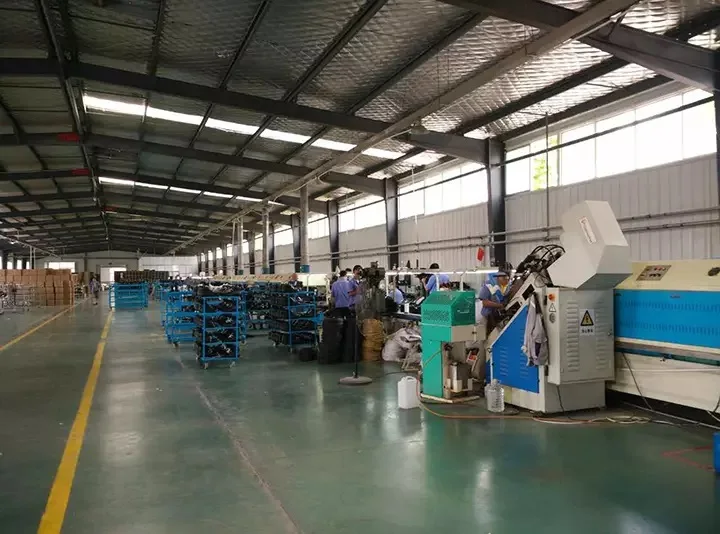
Qingdao Glory Footwear Co., Ltd.
- Manufacturer, Trading Company
- Shandong, China
- Lead time30 days
- Avg. response≤ 4h
Main productsSafety Shoes/Work Shoes/Work Boots/Military Boots
Main marketsNorth America(20.00%), Southeast Asia(15.00%), South America(15.00%), Eastern Europe(10.00%), Oceania(10.00%), Domestic Market(5.00%), Southern Europe(5.00%), Northern Europe(5.00%), Western Europe(5.00%), Eastern Asia(5.00%), Mid East(5.00%)
$14.4938 - $16.564
MOQ: 50 pairs








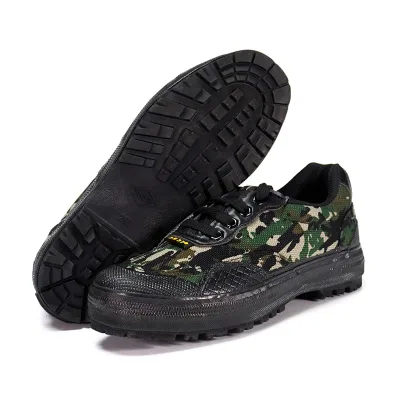
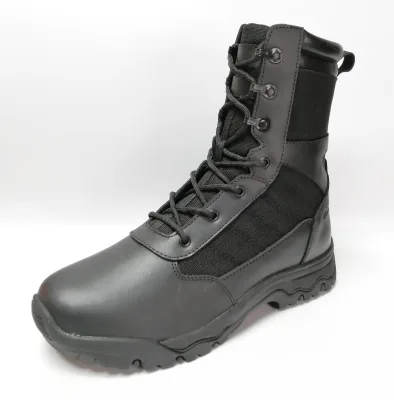
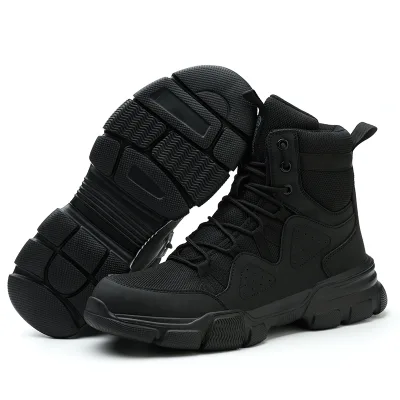
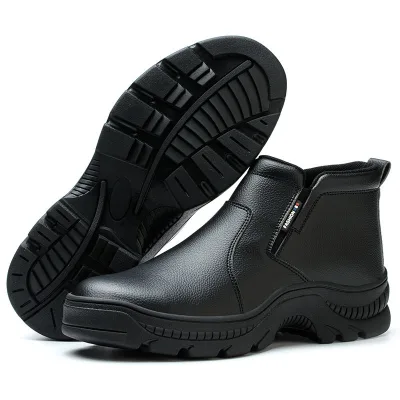
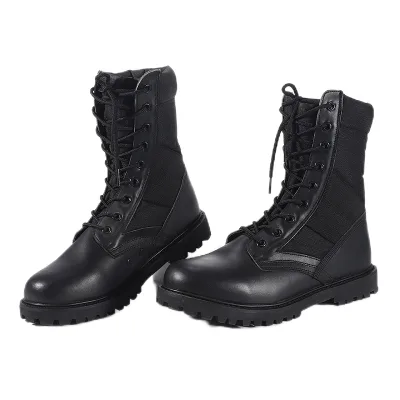
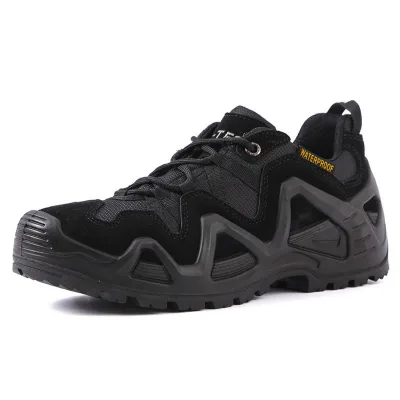
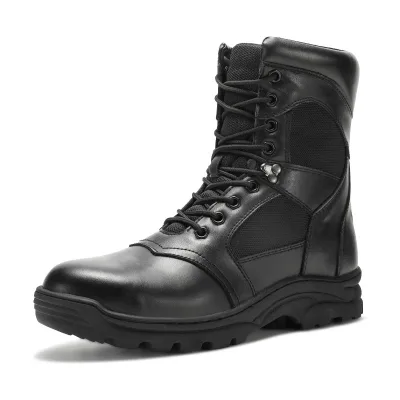
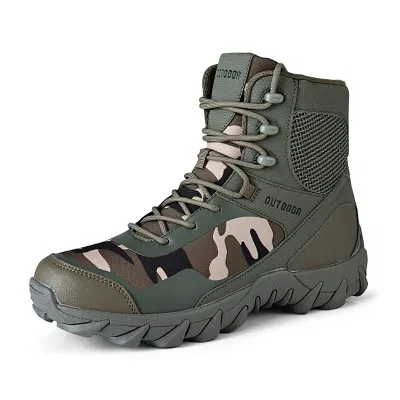
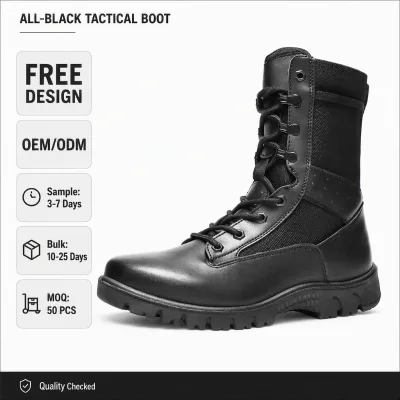
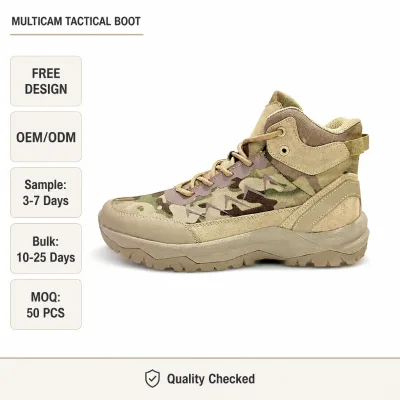
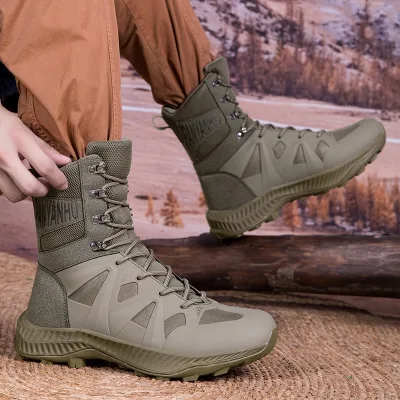
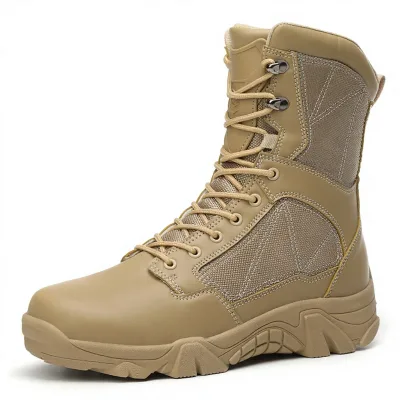
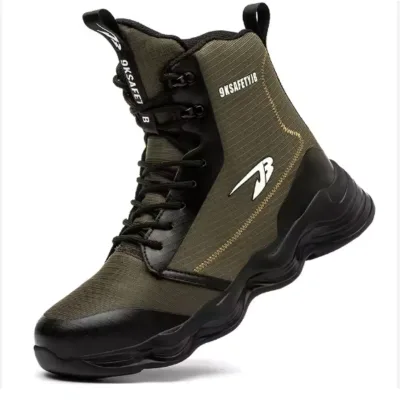
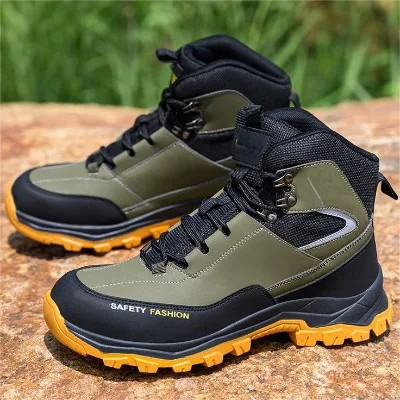


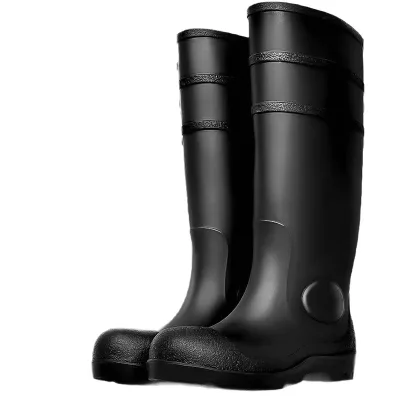
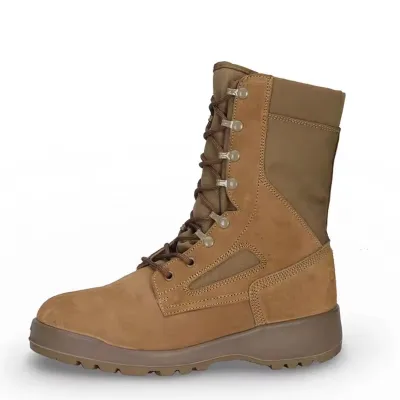
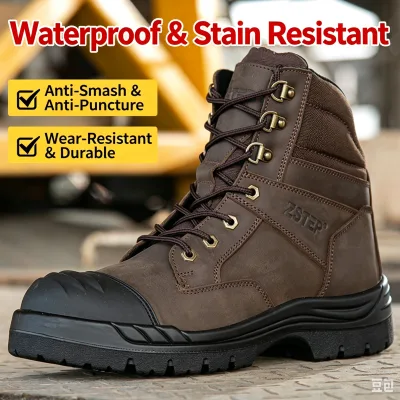
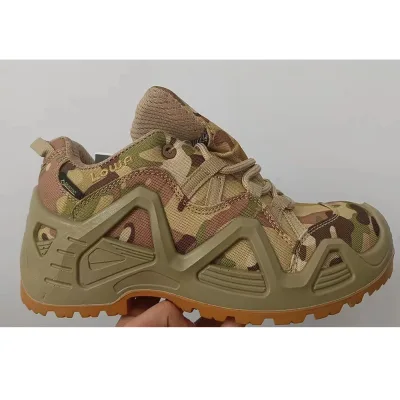
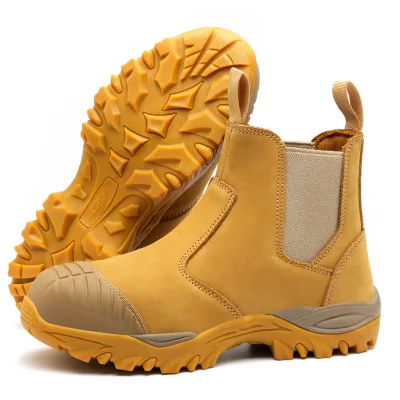
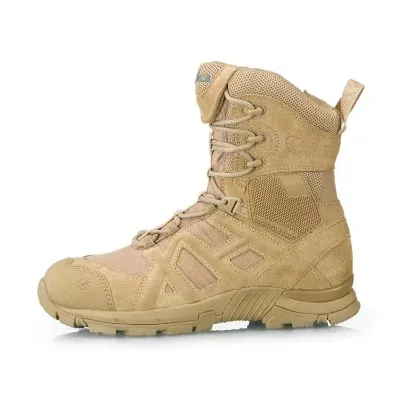
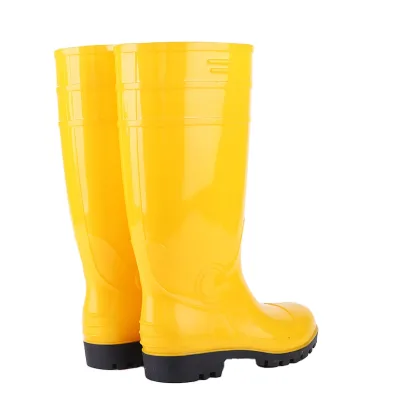
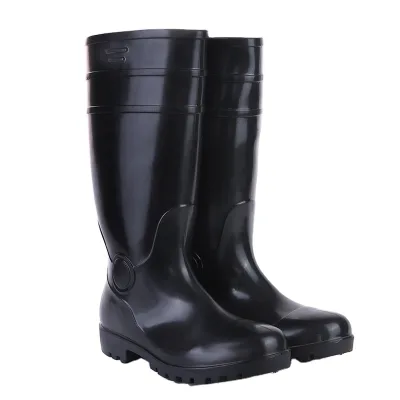
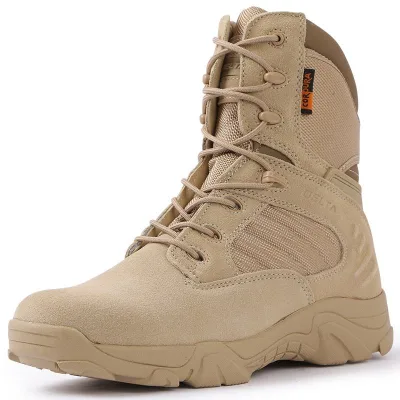
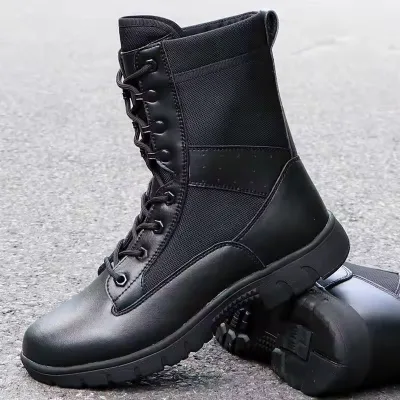
Comprehensive Sourcing Guide
Waterproof Safety Combat Boot Supplier Concentration and Factory Types
The current supplier landscape for waterproof safety combat boots reveals a distinct geographic concentration in China, with specific manufacturing hubs identified in Jiangsu and Hubei provinces. Suppliers located in Jiangsu often specialize in technical firefighting equipment, producing items such as firefighter's waterproof safety combat boots that adhere to strict industrial standards. These facilities frequently operate as combined entities, offering both Original Design Manufacturing (ODM) and Original Equipment Manufacturing (OEM) capabilities alongside their own branded products. This dual capacity allows buyers to access highly specialized protective gear that meets rigorous safety requirements, including features like acid and alkali resistance, puncture protection, and heat insulation. The presence of ISO9001:2015 and ISO14001:2015 certifications among these Jiangsu-based suppliers indicates a mature industrial ecosystem focused on quality management and environmental compliance. Buyers seeking high-performance tactical footwear for professional rescue operations should prioritize suppliers in this region who demonstrate verified production capabilities and established track records in manufacturing durable, specialized footwear.
In contrast, suppliers based in Hubei province, particularly in Wuhan, tend to focus on a broader range of tactical and security apparel, including uniforms, jackets, and various types of boots. These manufacturers often produce tactical combat boots that are waterproof and non-slip, catering to security guards, outdoor enthusiasts, and military personnel. The product range in this region includes lightweight combat boots, winter wool warm cotton shoes, and durable leather boots, indicating a versatility in material selection and design. While these suppliers also offer OEM and ODM services, their primary emphasis appears to be on general tactical footwear rather than specialized firefighting equipment. The distinction between these two regional clusters is crucial for buyers, as the choice between a Jiangsu-based specialist and a Hubei-based generalist will significantly impact the technical specifications, material quality, and intended use case of the final product. Understanding these factory types helps buyers align their sourcing strategy with their specific operational needs, whether they require extreme durability for fire rescue or versatile performance for general security duties.
How to Verify Waterproof Safety Combat Boot Suppliers
Verifying the legitimacy and capability of suppliers requires a multi-layered approach that goes beyond simple profile reviews. Buyers should prioritize suppliers who have undergone third-party verification processes, such as Bureau Veritas (BV) certification, which provides an independent assessment of the company’s business activities and production capabilities. This verification status serves as a critical baseline indicator of reliability, ensuring that the supplier exists as a legitimate entity and adheres to certain operational standards. Additionally, buyers must scrutinize the specific certifications listed for both the company and the products. For instance, suppliers offering firefighting boots should display relevant product certifications such as CE, ISO, or CCS, which validate that the footwear meets international safety and quality standards. The presence of system certifications like ISO9001:2015 further confirms that the supplier has implemented a robust quality management system, reducing the risk of inconsistent product quality. Buyers should request copies of these certificates and verify their validity through the issuing bodies to ensure they are current and applicable to the specific products being sourced.
Beyond certifications, buyers should assess the supplier’s responsiveness and communication efficiency, as these factors often correlate with overall service quality. Response times, such as those recorded at approximately 9.08 hours or 10.74 hours, provide insight into the supplier’s operational efficiency and willingness to engage with potential clients. A faster response time suggests a more agile and customer-centric organization, which is crucial for resolving issues quickly during the sourcing process. Buyers should also examine the supplier’s main products to ensure alignment with their specific needs. For example, a supplier listing firefighting clothing as a main product is likely more specialized in that niche than one listing a broad array of apparel items. Furthermore, buyers should verify the supplier’s capacity for customization, checking if they accept logo printing, OEM orders, and specific material requests. The ability to provide samples, as indicated by some suppliers, is another valuable verification tool, allowing buyers to physically inspect the quality, fit, and material composition before committing to a larger order. This comprehensive verification process helps mitigate risks and ensures that the selected supplier can meet the buyer’s technical and commercial requirements.
What to Compare Across Waterproof Safety Combat Boot Suppliers
When evaluating multiple suppliers, buyers must systematically compare key operational metrics to identify the most suitable partner for their specific requirements. One critical dimension is the minimum order quantity (MOQ), which varies significantly across suppliers. For instance, some suppliers may require an MOQ of 100 pairs, while others might accept orders as low as 50 pairs, and some could have higher thresholds like 200 pairs. This variation directly impacts inventory management and cash flow, especially for smaller buyers or those testing new markets. Buyers should also compare lead times, which indicate how quickly orders can be fulfilled. A lead time of 15 days, for example, suggests a relatively fast production cycle, allowing for quicker restocking and response to market demands. Additionally, response times should be weighed against the complexity of the inquiry, as faster responses often indicate better customer service and operational efficiency. By comparing these metrics, buyers can create a balanced scorecard that weighs speed, flexibility, and volume requirements against their own business needs.
Price and product specifications are equally important factors in the comparison process. Price ranges can vary widely, with some suppliers offering boots at prices as low as $12.00 to $14.00 per pair, while others may charge between $30.00 and $70.00 per pair for more specialized firefighting equipment. Buyers must correlate these prices with the materials and features offered, such as genuine leather linings, rubber uppers, steel toes, and puncture-resistant soles. Higher-priced items often justify their cost through superior materials, additional safety features, and stricter quality control processes. Buyers should also compare the customization options available, including logo printing, color choices, and specific design modifications. The availability of OEM services allows buyers to create unique products that stand out in the market, while ODM options provide access to existing designs that can be slightly modified. By meticulously comparing these dimensions, buyers can make informed decisions that balance cost, quality, and customization needs, ensuring they select a supplier that offers the best value proposition for their specific market segment.
Common Waterproof Safety Combat Boot Sourcing Risks
Sourcing waterproof safety combat boots involves several inherent risks that buyers must proactively manage to ensure a successful procurement process. One significant risk is the discrepancy between product samples and bulk production quality. While suppliers may provide high-quality samples that meet all specifications, the bulk order might suffer from inconsistencies in materials, stitching, or waterproofing integrity. This risk is particularly prevalent when dealing with suppliers who have lower MOQs or faster lead times, as these factors can sometimes compromise quality control processes. Buyers should mitigate this risk by conducting thorough pre-shipment inspections and requesting detailed quality assurance protocols from the supplier. Additionally, buyers should be cautious of suppliers who do not provide clear information about their manufacturing processes or who are unwilling to share their certification documents. Lack of transparency in these areas can be a red flag indicating potential issues with product safety and compliance.
Another common risk is the misalignment between supplier capabilities and buyer expectations regarding customization and technical specifications. For example, a buyer might require boots with specific acid and alkali resistance for industrial use, but the supplier might only offer standard tactical boots that lack these specialized features. This mismatch can lead to product failures in the field, resulting in safety hazards and financial losses. Buyers must clearly communicate their technical requirements and verify that the supplier has the necessary expertise and equipment to meet them. Furthermore, buyers should be aware of the risks associated with different material choices, such as leather versus synthetic materials, and ensure that the selected materials meet the desired durability and performance standards. The risk of supply chain disruptions, such as delays in raw material procurement or production bottlenecks, is also a concern. Buyers should establish clear communication channels and regular update schedules with their suppliers to monitor production progress and address any potential issues promptly. By identifying and addressing these risks early in the sourcing process, buyers can minimize disruptions and ensure a smooth procurement experience.
Waterproof Safety Combat Boot Regional Sourcing and Logistics
The geographic location of suppliers plays a crucial role in determining logistics costs, lead times, and overall supply chain efficiency. Suppliers located in Jiangsu province, such as those producing specialized firefighting boots, benefit from proximity to major ports and industrial infrastructure, which can facilitate faster shipping and lower logistics costs. This region’s established manufacturing ecosystem allows for efficient coordination between raw material suppliers, manufacturers, and logistics providers, reducing the risk of delays. Buyers sourcing from Jiangsu should consider the specific port of departure and the available shipping routes to their destination, as these factors will impact transit times and freight costs. Additionally, the presence of ISO-certified facilities in this region suggests a higher level of operational maturity, which can contribute to more reliable production schedules and consistent product quality. Buyers should leverage this regional advantage by establishing strong relationships with local suppliers who can provide timely updates and support throughout the production process.
In contrast, suppliers in Hubei province, particularly those in Wuhan, offer a different logistical profile. Wuhan is a major transportation hub in central China, with extensive rail and road networks that can facilitate efficient distribution to various parts of the country and beyond. Buyers sourcing from this region should evaluate the specific logistics options available, including sea, air, and land freight, to determine the most cost-effective and timely shipping method. The versatility of suppliers in Hubei, who produce a wide range of tactical footwear, may also offer buyers flexibility in consolidating orders with other apparel items, potentially reducing overall shipping costs. However, buyers must also consider the potential for longer transit times if shipping from central China compared to coastal regions. By understanding the logistical implications of sourcing from different regions, buyers can optimize their supply chain strategies, balance cost and speed, and ensure that their products reach the market efficiently. This regional awareness is essential for making informed decisions that align with the buyer’s logistical capabilities and market demands.
Waterproof Safety Combat Boot Commercial Terms and Order Planning
Effective order planning and clear commercial terms are essential for managing the procurement of waterproof safety combat boots successfully. Buyers must carefully negotiate payment terms, delivery schedules, and quality assurance clauses to protect their interests and ensure a smooth transaction process. It is crucial to establish a clear understanding of the lead time, such as the 15-day production cycle observed in some suppliers, and to build in buffer time for potential delays. Buyers should also clarify the packaging requirements, such as carton or pallet packing, to ensure that the products are protected during transit and meet the buyer’s storage and distribution needs. Additionally, buyers should verify the supplier’s ability to handle customs documentation and export compliance, as these factors can impact the speed and cost of international shipping. By establishing clear commercial terms upfront, buyers can avoid misunderstandings and ensure that both parties are aligned on the expectations and responsibilities associated with the order.
Furthermore, buyers should plan for post-order activities, including quality control inspections and after-sales support. Establishing a protocol for pre-shipment inspections can help identify and rectify any quality issues before the products are shipped, reducing the risk of receiving defective goods. Buyers should also inquire about the supplier’s warranty policies and return procedures, as these terms can provide valuable protection in case of product failures or discrepancies. Additionally, buyers should consider the long-term relationship with the supplier, evaluating their responsiveness, flexibility, and commitment to quality. A supplier with a strong track record of customer satisfaction and operational efficiency is more likely to provide reliable support and consistent product quality over time. By integrating these commercial considerations into their order planning process, buyers can minimize
FAQs
What is the price range for waterproof safety combat boots?
Prices for waterproof safety combat boots typically range from $12.00 to $70.00 per pair. The final cost depends on specific material choices, such as genuine leather or rubber, and whether the boots include specialized features like steel toes or puncture resistance. Buyers should verify exact pricing based on their order quantity and customization requirements.
What is the minimum order quantity for these boots?
The minimum order quantity varies by supplier, with common requirements starting at 50 pairs or 100 pairs. Some manufacturers may require a higher MOQ of 200 pairs for certain models. Buyers should confirm the specific MOQ with the supplier before placing an order to ensure it aligns with their procurement volume.
How long does production take for these boots?
Production lead times for waterproof safety combat boots are generally around 15 days. This timeframe allows for manufacturing and quality checks before shipment. Buyers should confirm the exact lead time with the supplier, as it may vary based on order size, customization needs, and current production schedules.
Are these boots customizable for branding?
Yes, customization is available for many waterproof safety combat boots. Suppliers typically accept logo printing and offer OEM services to meet specific branding requirements. Buyers can request custom designs, colors, or materials to align with their brand identity. It is important to discuss customization options and any associated costs with the supplier.
What certifications do these boots have?
Many waterproof safety combat boots come with certifications such as CE, ISO, and CCS. These certifications ensure the boots meet specific safety and quality standards. Buyers should verify the exact certifications required for their market and request documentation from the supplier to confirm compliance with relevant regulations.
Where are these boots manufactured?
These boots are primarily manufactured in China, with specific production hubs in Jiangsu and Hubei provinces. Jiangsu is known for firefighting equipment, while Hubei produces tactical and security footwear. Buyers can specify their preferred origin to ensure alignment with their sourcing strategy and logistical requirements.