anti-slip gel memory sponge slippers Suppliers and Manufacturers
Explore 26 verified suppliers offering anti-slip gel memory sponge slippers with diverse materials and customization options. Compare locations, lead times, and response rates to find the right partner for your needs; review the available evidence before requesting comparable quotations from suitable candidates.
Updated
Suppliers List
Fuzhou Botteli Trading Co., Ltd.
- Trading Company
- Fujian, China
- Lead time30 days
- Avg. response≤ 1h
Main productsflip flops,slipper,bags,clogs,shoes
Main marketsSoutheast Asia(20.00%), North America(15.00%), Northern Europe(10.00%), Eastern Europe(10.00%), Southern Europe(5.00%), South America(5.00%), Central America(5.00%), Western Europe(5.00%), Eastern Asia(5.00%), Mid East(5.00%), Oceania(5.00%), Domestic Market(5.00%), South Asia(3.00%), Africa(2.00%)
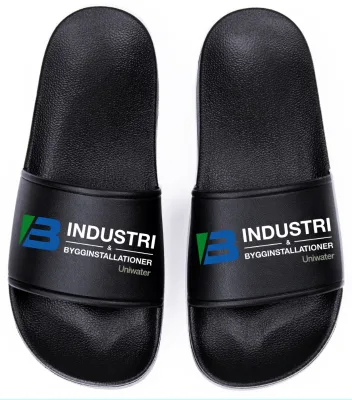
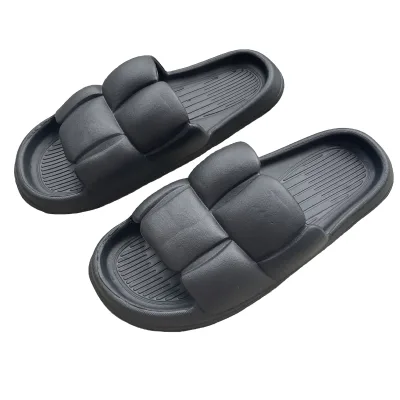
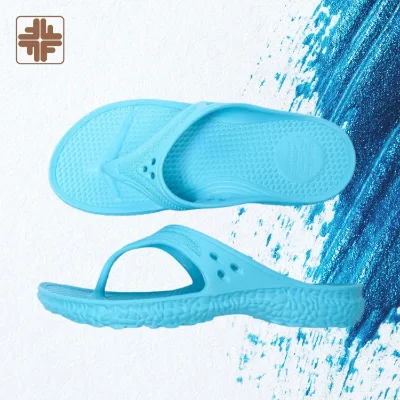
Anti slip Custom Designer Bath slippers
$0.80 - $1.20
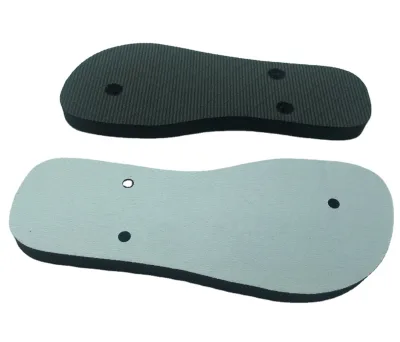
Anti-slip Pe Board Sublimation Flip Flops slippers
$1.10 - $2.00
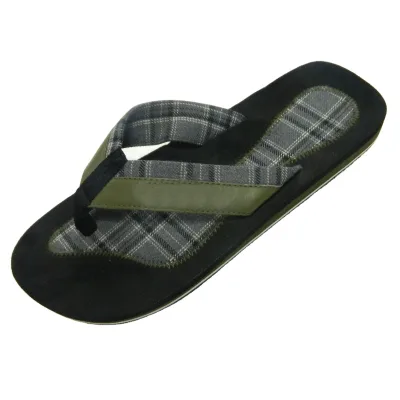
Funny slippers for Men. Men Funny slippers
$1.80 - $2.50
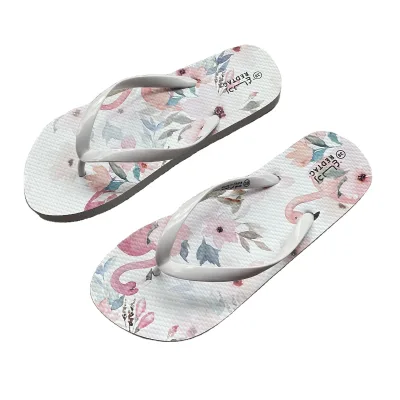
Make Your Own Slippers, Cheap Personalized slippers
$0.80 - $1.30
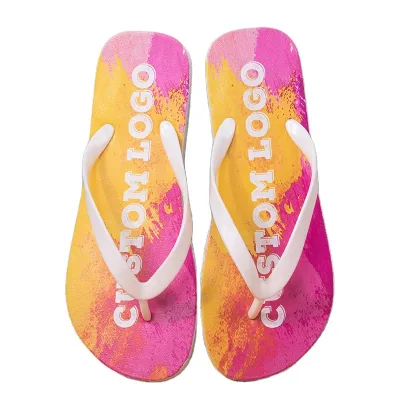
pink Wedding Flip-flops slippers
$3.30 - $20.00
Ruian Nuolaide Shoe Industry Co., Ltd.
- Verified by Intertek
- Manufacturer, Trading Company
- Lead time30 days
- Avg. response≤ 1h
Main productsShoes
Main marketsNorth America(50%), Eastern Europe(20%), Western Europe(20%)
Xiamen Everpal Trade Co., Ltd.
- Verified by SGS Group
- Manufacturer, Trading Company
- Lead time30 days
- Avg. response≤ 5h
Main productsFlip Flops, Slippers, Sandals, Clogs, Sports Shoes
Main marketsNorth America(35%), Central America(22%), Western Europe(14%)

Quanzhou Yuchuang Shoes Co., Ltd.
- Verified by BV
- Combined
- China Fujian
- Lead time23 days
- Avg. response≤ 6h
Main productsSlippers, Flip Flops, Clogs
Main marketsSouth America,Southeast Asia/ Mideast,East Asia(Japan/ South Korea),Europe,Australia,North America

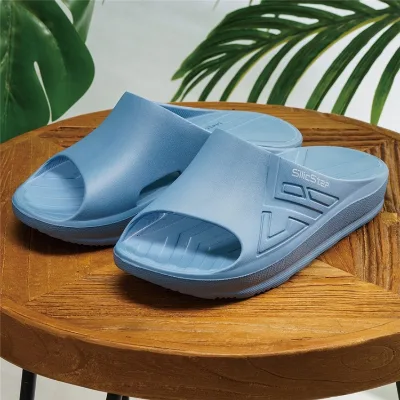
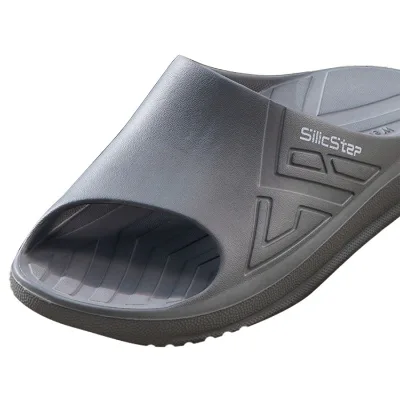
Pillow Slides Fashion Casual Double-Buckle Breathable Anti-Slip EVA Slippers
$2.20 - $3.50
MOQ: 2 Pairs

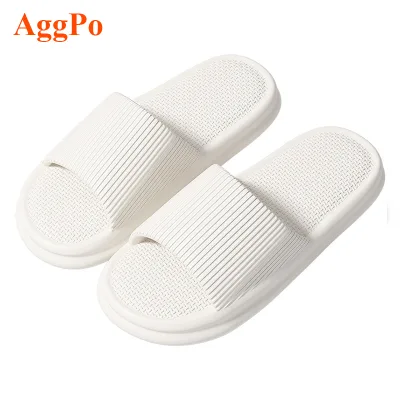
Bathroom EVA Couple Summer Indoor Bath Slippers Casual Breathable Slides Slippers
$2.98 - $3.50
MOQ: 2 Pairs


Pillow Slides Summer Waterproof Breathable Open Toe EVA Slippers Home Slippers
$2.20 - $3.50
MOQ: 2 Pairs


- Verified by SGS Group
- Trading Company
- Lead time0 days
- Avg. response≤ 2h
Main productsFootwear, Sports Equipment, Compound Material
Main marketsEastern Asia(41%), North America(33%), Domestic Market(11%)
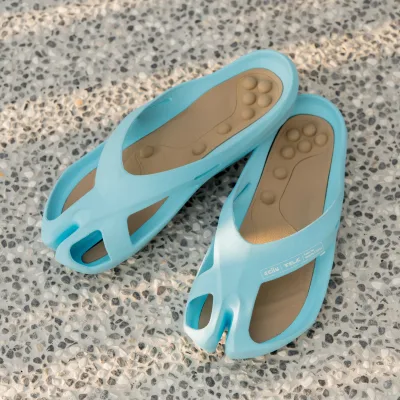
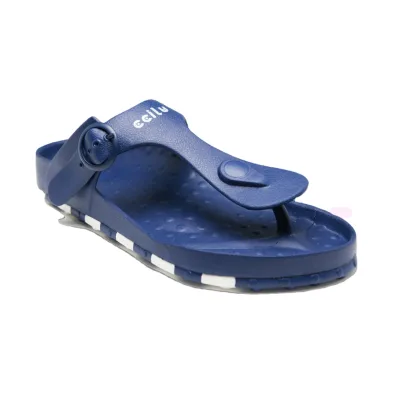
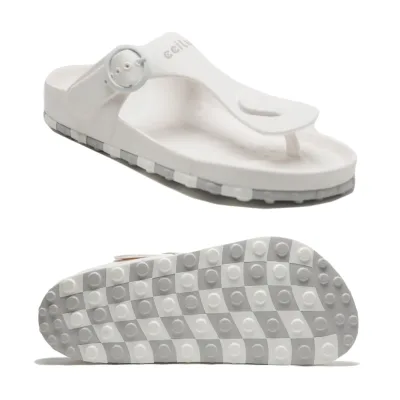
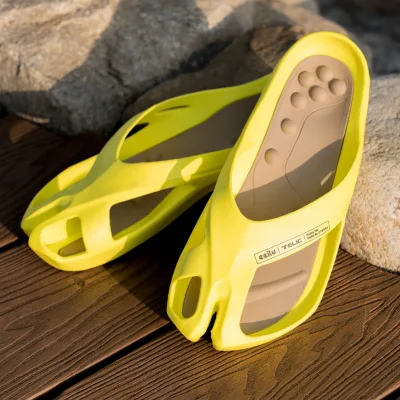
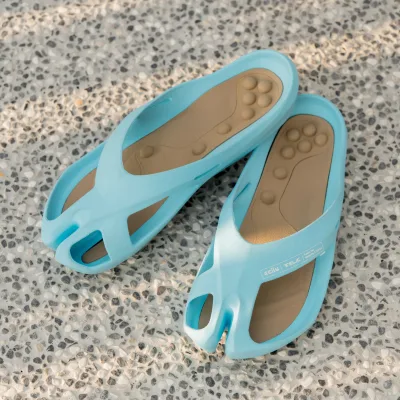
Stress relieving anti slip summer slippers women
$14.50 - $15.30
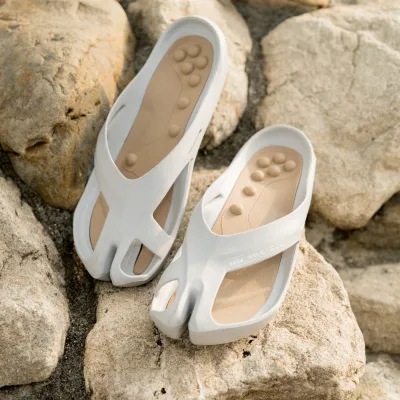
Anti slip maintains arch support slipper shoes
$14.50 - $15.30

YANCHENG HAPPYNESS IMP. AND EXP. CO. LTD
- Verified by SGS
- Trading Company
- China Jiangsu
- Lead time15 days
- Avg. response≤ 4h
Main productsCustom Slides Slippers, Custom Indoor Slippers, Custom Socks, Custom Caps, Custom Clothing, Custom Rainboots, Custom Winter Boots, Custom Shoes, Custom Slippers, Custom Flipflops
Main marketsSouth America,Africa,Southeast Asia/ Mideast,East Asia(Japan/ South Korea),Domestic,Europe,Australia,North America


New Arrival High Quality Customized Logo Light Weight EVA Foam Unisex Slippers
$2.95 - $4.95
MOQ: 2 Pairs

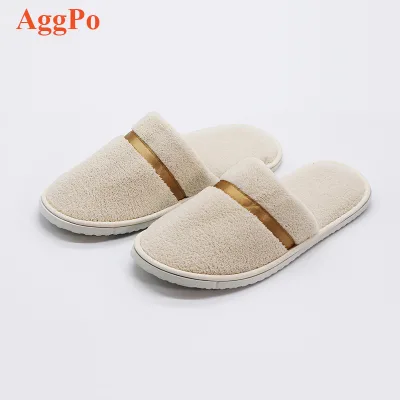
Ningbo Aggpo Import And Export Co., Ltd.
- Verified by SGS Group
- Trading Company
- Lead time5 days
- Avg. response≤ 5h
Main productsHousehold daily goods, Consumer goods, Pet goods, Sports goods, Hardware goods
Main marketsNorth America(30%), South America(30%), Western Europe(25%)

Yangzhou Mingchi Hotel Products Co., Ltd
- Verified by SGS
- Combined
- China Jiangsu
- Lead time30 days
- Avg. response≤ 1h
Main productsHotel Slipper, Hotel Laundry Bag, Hotel Amenities
Main marketsSoutheast Asia/ Mideast,Europe,North America


Closed Toe Fleece Slippers for Hotels Thick Memory Sponge for Ultimate Comfort
$0.42 - $0.45
MOQ: 2000 Pairs


Comfortable Unisex Coral Fleece Slippers with Thick Memory Sponge for Hotel Guests
$0.47 - $0.48
MOQ: 2000 Pairs

Guangdong Guangfusan Footware Co., Ltd.
- Manufacturer, Trading Company
- Guangdong, China
- Lead time15 days
- Avg. response≤ 4h
Main productsslippers,Sandals,Flip Flops,Shoes,Plastic Shoes
Main marketsSoutheast Asia(60.00%), Africa(30.00%), Mid East(5.00%), South Asia(1.00%), Central America(1.00%), Eastern Asia(1.00%), North America(1.00%), South America(1.00%)
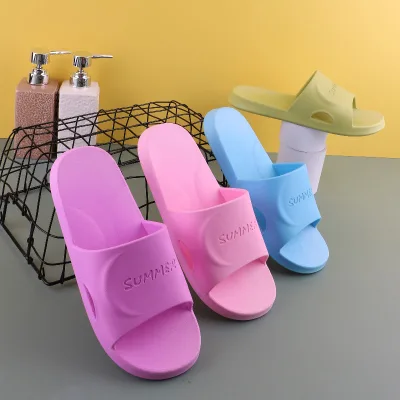
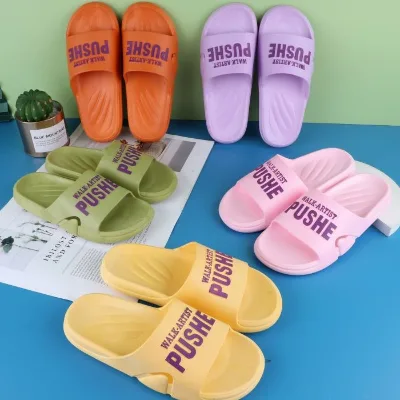
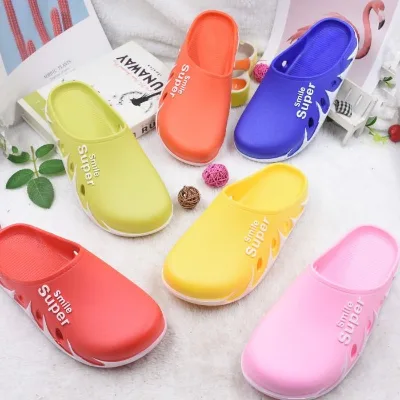
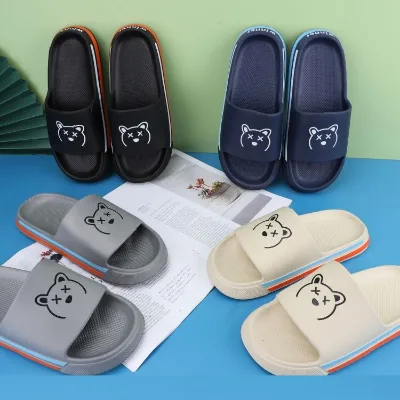
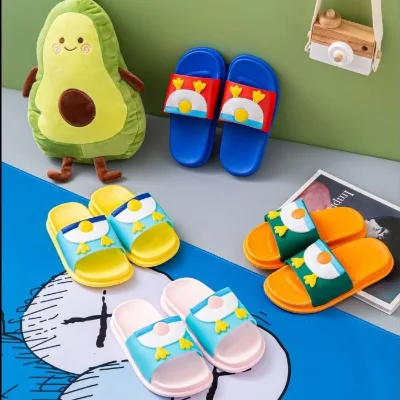
Hot Selling Custom logo Bathroom Anti slip Sleepers Comfortable slippers for Women
$1.04 - $1.08
MOQ: 2000
Jieyang City Rongcheng District Mudina Shoe Factory
- Verified by TüVRheinland
- Trading Company
- Lead time18 days
- Avg. response≤ 3h
Main productsSlippers
Main marketsDomestic Market(100%)
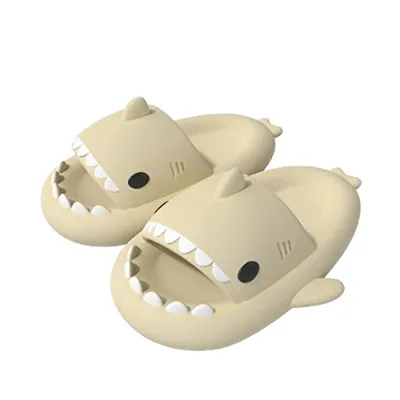
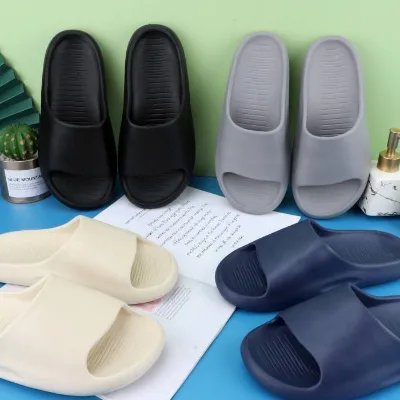
Summer slippers EVA Adult Kids Bathroom slippers Soft Mules Non-Slip Fashionable Home Slippers
$2.80 - $4.50
MOQ: 2 pairs

Quanzhou Xinpu Trading Co., Ltd.
- Verified by SGS
- Trading Company
- China Fujian
- Lead time15 days
- Avg. response≤ 3h
Main marketsNorth America


EVA Slippers - Odor-Resistant Non-Slip Cute Style for Summer Home Bathroom Use
$2.25 - $2.85
MOQ: 50 Pairs


2024 New Summer EVA Non-Smelly Quick-Dry Anti-Slip Bathroom Slippers (Men/Women, Indoor)
$2.88 - $4.00
MOQ: 50 Pairs

Yangzhou Haisheng Slipper Co., Ltd.
- Combined
- China Jiangsu
- Lead time23 days
- Avg. response≤ 10h
Main productsHotel Slipper, Disposable Slipper, Hotel Amenities, Slipper, Hotel Supply
Main marketsSoutheast Asia/ Mideast,East Asia(Japan/ South Korea),Domestic,Europe,North America

Sharewin(Yangzhou) Import and Export Co., Ltd.
- Verified by SGS
- Trading Company
- China Jiangsu
- Lead time30 days
- Avg. response≤ 16h
Main productsHome Slippers Indoor Slippers, Snow Boots, Pet Beds Dog Beds Cat Beds, Pet Products Pet Toys, Picnic Bag, Gym Bag, Cosmetic Bag, Laptop Bag, Travel Bag, Duffle Bag
Main marketsSouth America,Domestic,Europe,Australia,North America

Men′ S House Slippers Memory Foam Warm Slip-on Clogs Anti-Skid Indoor Outdoor Slippers
$1.99 - $3.00
MOQ: 500 Pairs

- Verified by SGS Group
- Manufacturer, Trading Company
- Lead time30 days
- Avg. response≤ 4h
Main productsSlipper
Main marketsDomestic Market(50%), North America(10%), Western Europe(10%)
Yangzhou SCS Hometextile Co., Ltd.
- Verified by Intertek
- Manufacturer, Trading Company
- Lead time1 days
- Avg. response≤ 2h
Main productsPlush Pillows, Plush Slippers, Plush Toys
Main marketsNorth America(30%), Eastern Asia(20%), South America(10%)
Xiamen Hwish Import& Export Co., Ltd.
- Trading Company
- Fujian, China
- Lead time0 days
- Avg. response≤ 2h
Main productsMen's Clothing,Women's Clothing
Main marketsNorth America(80.00%), Western Europe(15.00%), South America(5.00%)
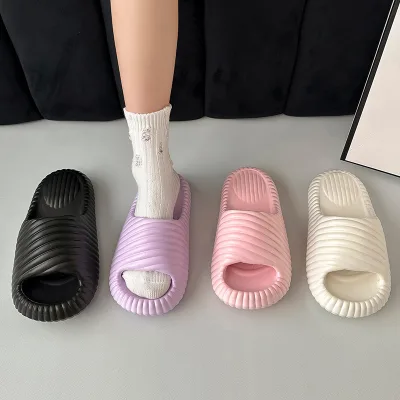
$1.8276 - $2.2904
MOQ: 300 pairs
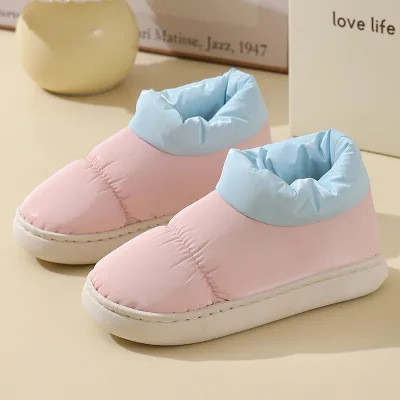
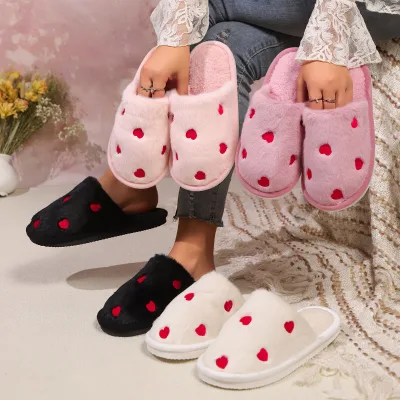
China Factory Fashion pink slippers for Women Fluffy Cute Bedroom Cotton slippers High Quality
$1.8201 - $2.283
MOQ: 300 pairs
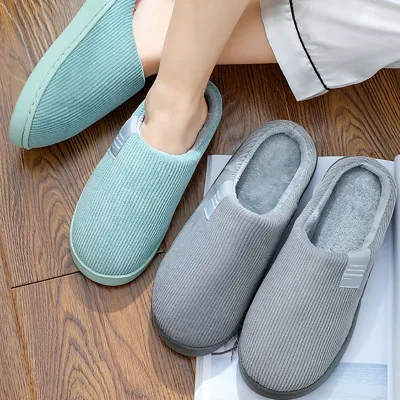

Huizhou City Longyixin Plastic& Rubber Products Ltd.
- Manufacturer, Trading Company
- Guangdong, China
- Lead time30 days
- Avg. response≤ 3h
Main productsinsole,pu insole,eva insole,heel insole,Toe Separators
Main marketsNorthern Europe(46.63%), Central America(15.71%), Domestic Market(15.64%), North America(12.53%), South Asia(7.78%), South America(0.79%), Eastern Asia(0.70%), Oceania(0.34%), Southeast Asia(0.17%), Eastern Europe(0.14%), Mid East(0.07%)
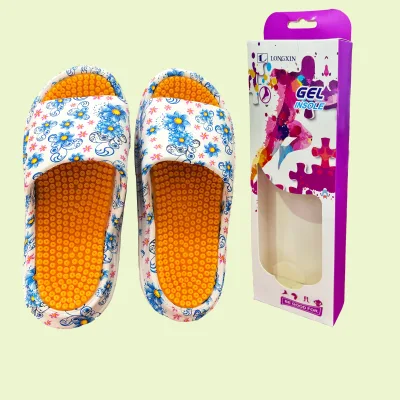
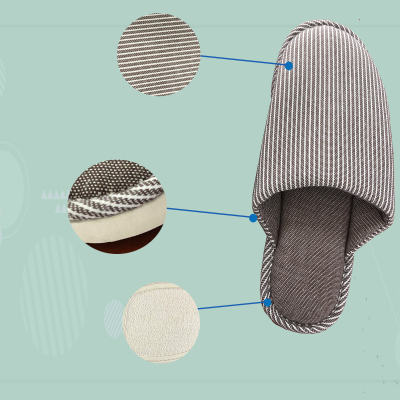
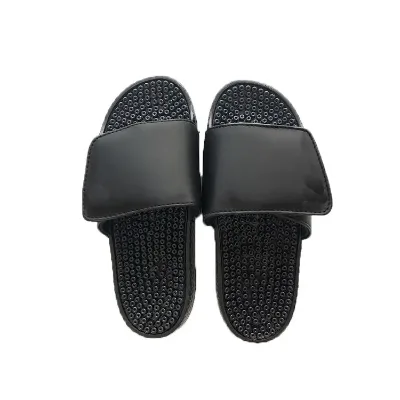
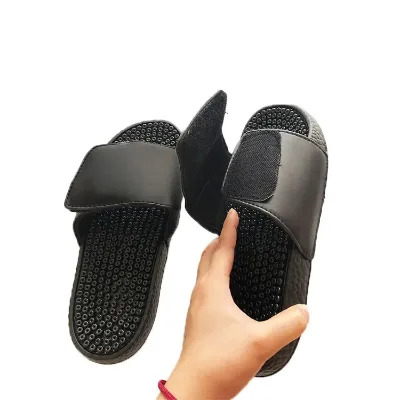
Foot Massage Home slippers Ergonomic Design Acupressure Points Stimulation Soft Sole
$5.00
MOQ: 5000 Minimum

Zhejiang Kunwei Additive Technology Co., Ltd.
- Verified by TUVRHEINLAND
- Trading Company,Manufacturer/Factory
- China Zhejiang
- Lead time15 days
- Avg. response≤ 23h
Main products3D Printing Service, 3D Printer, Mould, Machining
Main marketsSouth America,Eastern Europe,Mid East,North America,Southeast Asia,Eastern Asia,Oceania,Western Europe,Africa

OEM Factory High Elasticity Anti-Slip and Abrasion Resistant Customizable Color Bathroom Slippers
$4.00 - $5.00
MOQ: 1000 Pairs


Two-Color Mix and Match Casual Style Indoor High Quality High Elastic Non-Slip Slippers
$4.00 - $5.00
MOQ: 1000 Pairs

High Quality EVA High Elasticity, Non-Slip, Abrasion-Resistant, Customizable Colors, Slippers
$4.00 - $5.00
MOQ: 1000 Pairs

Yangzhou Lucky Bear Craft & Gifts Co., Ltd.
- Verified by TUVRHEINLAND
- Trading Company
- China Jiangsu
- Lead time30 days
- Avg. response≤ 3h
Main productsTeddy Bear, Plush Toy, Stuffed Animal, Toy Shoes, Baby Toy, Rocking Horse, Unstuffed Animal Skin, Indoor Slippers, Snow Boots, Promotional Toys
Main marketsEurope,North America

Women′ S Indoor Slippers Memory Foam Washable Knitted Cashmere Non-Slip Home Shoes
$0.98 - $2.88
MOQ: 500 Pieces

Comfortable Cotton Upper Memory Foam House Shoes Flat Closed Toe Indoor Slippers for Women and Men
$0.95 - $2.98
MOQ: 500 Pieces
Shenzhen Lejiu Trading Co., Ltd.
- Trading Company
- Guangdong, China
- Lead time7 days
- Avg. response≤ 4h
Main productsCustom Slippers, Custom Socks, Custom Caps, Custom Bags, Custom Shoe Bags
Main marketsNorth America(55.00%), Western Europe(20.00%), Eastern Asia(10.00%), Eastern Europe(5.00%), Mid East(5.00%), Northern Europe(3.00%), Southern Europe(2.00%)
Henan Jinliang Health Consulting Co., Ltd.
- Trading Company
- Henan, China
- Lead time3 days
- Avg. response≤ 2h
Main productsHuman wigs,Hair extension,Hair follicle,Lace front closure,perfume
Main marketsNorthern Europe(15.00%), North America(15.00%), Eastern Europe(13.00%), Eastern Asia(12.00%), Western Europe(10.00%), Domestic Market(10.00%), Oceania(10.00%), Central America(8.00%), Southern Europe(5.00%), Southeast Asia(1.00%), South America(1.00%)
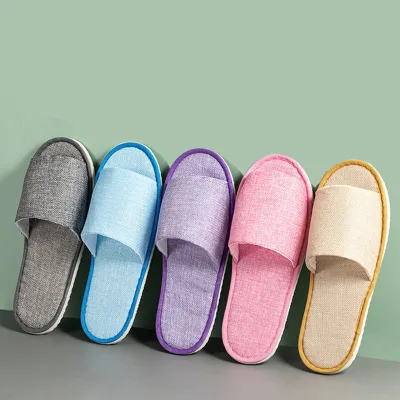
Hotel and Guesthouse Disposable Cotton slippers with Anti-slip Design, Hotel-provided slippers
$2.25 - $3.90
MOQ: 1 Minimum
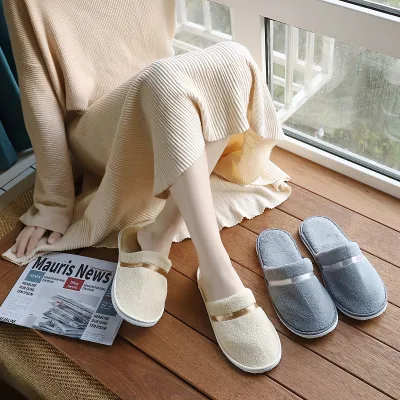
The Anti-slip Design of the Coral Fleece Hotel slippers Can Be Reused for Household Use As Well.
$0.3715 - $1.2553
MOQ: 5 Minimum

Yangzhou Ranbay Hotel Supplies Co., Ltd.
- Verified by SGS
- Combined
- China Jiangsu
- Lead time23 days
- Avg. response≤ 14h
Main productsShampoo, Shower Gel, Body Lotion, Hotel Slippers, Dental Kit, Hotel Amenities, Hotel Cosmetics, Hotel Toiletries, Disposable Supplies, Hospitality Supplies
Main marketsDomestic,Europe

Luxury Non-Slip Hotel Disposable Keep Warm and Comfortable Home Slippers
$1.80 - $2.20
MOQ: 5000 Pieces

Hotel Family Slippers EVA Anti Slipcustomizable for Outdoor and Indoor Use
$0.09 - $2.50
MOQ: 5000 Pieces

Ningbo Youkiunite Imp &Exp Co., Ltd
- Verified by CTI
- Trading Company
- China Zhejiang
- Lead time15 days
- Avg. response≤ 6h
Main productsSocks, Hat/Cap, Slippers, Shoelaces, Scarf, Gloves, Pet Products, Shoes Accessories, Garment Accessories, Shoes
Main marketsSouth America,Europe,North America

Open Toe Home Slippers for Women Men Soft Cotton Indoor Shoes Memory Foam Slip On bedroom Slippers
$2.12 - $2.59
MOQ: 10 Pairs


ELIYA (Guang Dong) Hotel Linen Co., Ltd.
- Manufacturer, Trading Company
- Guangdong, China
- Lead time20 days
- Avg. response≤ 6h
Main productsBed Sheet, Duvet Cover, Pillow Case, Bed Runner, Towel
Main marketsDomestic Market(23.00%), Mid East(15.00%), Southeast Asia(15.00%), Central America(10.00%), Eastern Europe(10.00%), Eastern Asia(5.00%), North America(5.00%), Western Europe(5.00%), South Asia(2.00%), South America(2.00%), Oceania(2.00%), Southern Europe(2.00%), Northern Europe(2.00%), Africa(2.00%)
Glamoroux International Co., Ltd.
- Trading Company
- Taiwan, China
- Lead time30 days
- Avg. response≤ 6h
Main productsGarment & Footwear,Sports & Outdoor,Household & Lifestyle,Pets Products,Healthcare
Main marketsWestern Europe(70.00%), North America(30.00%)
- Trading Company
- Guangdong, China
- Lead time0 days
- Avg. response≤ 5h
Main productsChildren's Toys,Anime action,Garden port,Plush toys,S925 Silver Jewelry
Main marketsWestern Europe(20.00%), South America(20.00%), North America(20.00%), Southeast Asia(10.00%), South Asia(5.00%), Northern Europe(5.00%), Eastern Europe(5.00%), Eastern Asia(5.00%), Mid East(5.00%), Africa(5.00%)


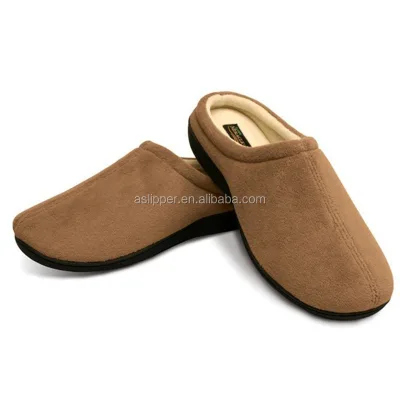
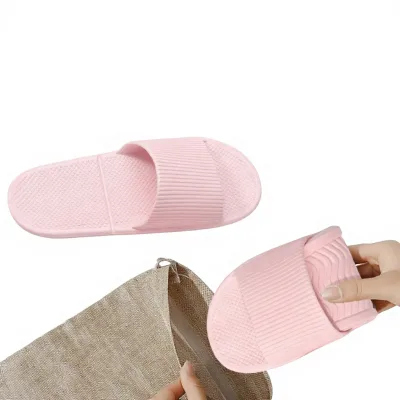
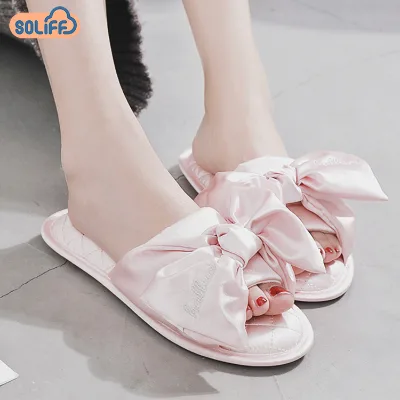
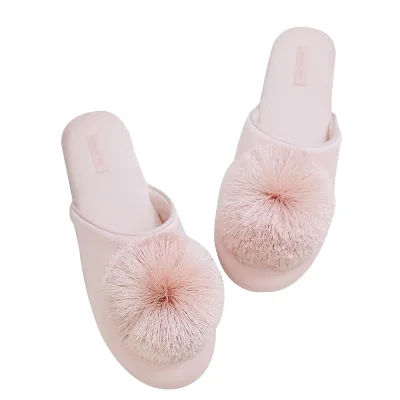
Comprehensive Sourcing Guide
Anti-Slip Gel Memory Sponge Slippers Supplier Concentration and Factory Types
The current supplier landscape for anti-slip gel memory sponge slippers reveals a distinct concentration of manufacturing and trading entities within specific geographic regions, with Fujian, China emerging as a primary hub for these footwear products. Observations indicate that many suppliers operating in this space are located in Fujian, suggesting a localized ecosystem where supply chain efficiencies for materials like PVC and EVA are optimized. This regional clustering allows for rapid prototyping and streamlined logistics, which are critical for footwear brands seeking to minimize lead times. However, it is important to note that not all suppliers are confined to this single province; some results point to origins in Zhejiang, China, indicating a broader national distribution of manufacturing capabilities. Buyers should recognize that while Fujian appears dominant in the current data set, the presence of suppliers from other regions like Zhejiang implies that sourcing decisions should not be limited to a single geographic area. The concentration in Fujian likely stems from established industrial parks dedicated to shoe manufacturing, providing access to specialized labor and raw material suppliers. This density facilitates competitive pricing and a wide variety of product styles, from basic slides to more complex custom designs. Understanding this geographic distribution helps buyers anticipate potential logistical advantages or constraints based on their own location and shipping preferences. It also suggests that engaging with suppliers in these established clusters may offer better access to industry-specific expertise and infrastructure compared to sourcing from less developed regions.
In terms of factory types, the market is characterized by a mix of pure manufacturers and trading companies, with some entities operating as hybrid entities that function as both. This dual nature can impact how buyers interact with suppliers, as trading companies may offer broader product ranges and flexible order quantities, while manufacturers might provide deeper customization capabilities and lower unit costs for larger volumes. The current data shows that many suppliers identify as trading companies, which often act as intermediaries connecting buyers with factory production lines. This structure can be beneficial for buyers who need to consolidate orders from multiple product categories, such as combining slippers with other footwear items like bags or clogs, which are frequently listed as main products by these suppliers. Conversely, suppliers that explicitly state they are manufacturers may offer more direct control over the production process, including quality assurance and material selection. The presence of companies that list both manufacturer and trading company types suggests a flexible business model that can adapt to different buyer needs. Buyers should carefully review the company type to understand the value proposition each supplier offers. For instance, a trading company might provide better communication and service, while a manufacturer might offer better pricing for high-volume orders. Recognizing these distinctions is crucial for aligning supplier capabilities with specific business requirements, whether the priority is cost, customization, or service level.
How to Verify Anti-Slip Gel Memory Sponge Slippers Suppliers
Verifying the legitimacy and capability of anti-slip gel memory sponge slipper suppliers requires a multi-layered approach that goes beyond simple profile reviews. One critical step is to check for third-party verification badges, such as Intertek, which indicates that a supplier has undergone independent audits for business legitimacy and operational standards. The presence of such verification provides a baseline level of trust, confirming that the company exists and operates within legal frameworks. However, verification alone does not guarantee product quality or reliability, so buyers must dig deeper into the supplier’s specific capabilities and history. It is essential to review the supplier’s response time, as a quick response often correlates with better customer service and operational efficiency. In the current data, some suppliers demonstrate a response time of one day, which is a positive indicator of their engagement level. Buyers should also look for detailed product attributes that align with their specific needs, such as material composition, seasonal suitability, and feature sets like anti-slippery or quick-drying properties. These details provide insight into the supplier’s product knowledge and attention to detail. Additionally, checking the supplier’s main products can help determine if they are a specialized manufacturer or a generalist trader. Suppliers focusing primarily on shoes and accessories may offer more specialized expertise than those with a broad, unfocused catalog.
Beyond initial profile checks, buyers should request and analyze specific product evidence to ensure the supplier can meet their quality standards. This includes reviewing product specifications such as model numbers, brand names, and material compositions, which can reveal the supplier’s ability to handle custom orders or private labeling. For example, some suppliers offer OEM services with customizable brand names, indicating flexibility in branding and design. Buyers should also examine the single package size and gross weight, as these factors impact shipping costs and logistics planning. Furthermore, verifying the supplier’s capacity for sample processing and customized on-demand production is crucial for ensuring they can handle bespoke requirements. The presence of capabilities like graphic processing suggests that the supplier can assist with design modifications, which is valuable for brands seeking unique products. Buyers should also inquire about the supplier’s establishment year and track record, although this information may not always be explicitly displayed. If such details are missing, buyers should ask for references or case studies to gauge the supplier’s experience. Additionally, checking for any certifications or standards compliance, such as environmental or safety certifications, can provide further assurance of product quality. By combining these verification steps, buyers can build a comprehensive picture of each supplier’s reliability and suitability for their specific sourcing needs.
What to Compare Across Anti-Slip Gel Memory Sponge Slippers Suppliers
When evaluating multiple suppliers for anti-slip gel memory sponge slippers, buyers must systematically compare key operational and commercial metrics to identify the best fit for their business. One of the most critical factors is the minimum order quantity (MOQ), which varies significantly across suppliers. Some suppliers may have an MOQ as low as two units, offering flexibility for small businesses or trial orders, while others may require larger volumes. Understanding these MOQ differences is essential for aligning supplier capabilities with the buyer’s inventory strategy and cash flow constraints. Additionally, lead times are a crucial comparison point, as they impact the buyer’s ability to meet market demand. Current data indicates lead times of around thirty days, which is a standard benchmark for footwear production. Buyers should compare these lead times against their own sales cycles to ensure timely delivery. Response time is another important metric, as it reflects the supplier’s communication efficiency. Suppliers with faster response times, such as one day, are often more reliable and easier to work with, reducing the risk of miscommunication or delays. Buyers should also compare the range of main products offered, as suppliers with a broader catalog may offer better bundling opportunities or cross-selling potential.
Price is another significant factor in supplier comparison, but it should be analyzed in conjunction with other metrics rather than in isolation. The price range for anti-slip gel memory sponge slippers can vary widely, with some products starting as low as $0.80 and others reaching up to $31.32. This wide range reflects differences in materials, customization levels, and order volumes. Buyers should compare unit prices based on specific product attributes, such as material composition (e.g., PVC vs. EVA) and features (e.g., anti-slippery, breathable). Additionally, buyers should consider the total cost of ownership, including shipping costs, which can be influenced by the single package size and gross weight. Suppliers offering smaller package sizes may reduce shipping costs, while those with heavier products may incur higher freight charges. Buyers should also compare the supplier’s customization capabilities, such as OEM services and graphic processing, as these can add value but may also impact pricing. Furthermore, comparing the supplier’s verification status and certifications can help assess risk and quality assurance. By systematically comparing these metrics, buyers can make informed decisions that balance cost, quality, and service levels. This holistic approach ensures that the selected supplier aligns with the buyer’s overall business strategy and operational requirements.
Common Anti-Slip Gel Memory Sponge Slippers Sourcing Risks
Sourcing anti-slip gel memory sponge slippers involves several inherent risks that buyers must proactively manage to ensure a successful procurement process. One significant risk is the variability in product quality, which can arise from differences in material sourcing and manufacturing processes. For instance, while some suppliers use PVC for upper and lining materials, others may use EVA or fabric, each with distinct durability and comfort characteristics. Buyers must clearly specify their material requirements to avoid receiving products that do not meet their quality standards. Another risk is the potential for delays in production or shipping, which can disrupt supply chains and lead to stockouts. This risk is heightened when working with suppliers who have longer lead times or less reliable communication. Buyers should establish clear timelines and communication protocols to mitigate these delays. Additionally, there is a risk of intellectual property infringement if buyers work with suppliers who do not respect brand protections. This is particularly relevant for suppliers offering OEM services, where custom designs and brand names are involved. Buyers should ensure that contracts include strict confidentiality and IP protection clauses to safeguard their brand assets.
Another common risk is the discrepancy between sample quality and bulk production quality. Suppliers may provide high-quality samples that do not reflect the standards of mass-produced items. To mitigate this risk, buyers should conduct thorough quality inspections during production and before shipment. This includes verifying product attributes such as model numbers, colors, and sizes to ensure they match the agreed specifications. Additionally, buyers should be aware of the risk of hidden costs, such as additional fees for customization, packaging, or shipping. These costs can significantly impact the total cost of ownership if not accounted for in the initial pricing comparison. Buyers should request detailed quotes that include all potential charges to avoid surprises. Furthermore, there is a risk of supplier instability, particularly if the supplier is a small trading company with limited financial resources. Buyers should assess the supplier’s financial health and operational capacity to ensure they can fulfill large orders. By identifying and addressing these risks early in the sourcing process, buyers can build a more resilient and reliable supply chain for anti-slip gel memory sponge slippers.
Anti-Slip Gel Memory Sponge Slippers Regional Sourcing and Logistics
Regional sourcing plays a pivotal role in determining the logistics efficiency and cost structure for anti-slip gel memory sponge slippers. The current data highlights Fujian, China as a major sourcing hub, which offers significant logistical advantages due to its proximity to major shipping ports and established infrastructure. Sourcing from this region can reduce transit times and shipping costs, particularly for buyers in Asia or those using transpacific routes. However, buyers should also consider suppliers from other regions, such as Zhejiang, China, which may offer different logistical benefits depending on the buyer’s location and preferred shipping routes. Understanding the geographic distribution of suppliers allows buyers to optimize their supply chain by selecting suppliers that align with their logistical preferences. For instance, buyers in Europe might prefer suppliers with experience in exporting to European markets, while buyers in North America might prioritize suppliers with established relationships with US carriers. Additionally, regional sourcing can impact the availability of raw materials, which can influence production costs and lead times. Buyers should assess the local supply chain dynamics to ensure they can secure consistent material supplies.
Logistics planning must also account for the physical characteristics of the products, such as package size and weight, which directly impact shipping costs. The current data shows that single package sizes vary, with some products measuring 32x22x5 cm and weighing 0.450 kg. These dimensions are crucial for calculating freight charges, especially for air freight, where volume weight is a key factor. Buyers should compare the packaging efficiency of different suppliers to minimize shipping costs. Additionally, buyers should consider the supplier’s experience with international shipping and customs clearance, as this can affect the smoothness of the import process. Suppliers with a track record of exporting to the buyer’s target market can provide valuable insights into regulatory requirements and documentation needs. Furthermore, buyers should evaluate the supplier’s ability to handle different shipping methods, such as sea freight for bulk orders and air freight
FAQs
What materials are typically used in anti-slip gel memory sponge slippers?
These slippers commonly combine a memory sponge or EVA midsole with PVC, rubber, or fabric uppers and anti-slip outsoles. Listings on this page show PVC and EVA constructions with anti-slippery, quick-drying, breathable, and hard-wearing features. Confirm the exact material mix for each model, since linings, midsoles, and outsoles vary between product versions and seasonal variants.
What is the typical minimum order quantity for these slippers?
Minimum order quantities vary by model and customization level. One listed anti-slip slipper product on this page shows an MOQ of 2 units, while sample orders are often available before bulk production. Always confirm the MOQ for your chosen model, color, and size range directly with the supplier, as customized branding or materials can change the requirement.
What lead time should I expect for production and delivery?
A listed supplier on this page reports a lead time of 30 days, which is a reasonable planning baseline for anti-slip slipper orders. Actual lead time depends on order quantity, customization, and current production schedules. Request a written timeline covering sample approval, mass production, and shipping before placing a deposit, and factor in peak-season delays.
Can I get these slippers with my own brand and packaging?
Yes, custom branding is common in this category. Several products on this page list brand name as Customized or OEM, meaning logos, colors, and packaging can be tailored to your requirements. Provide your artwork and packaging specifications early, ask about tooling or printing fees, and request a pre-production sample to verify logo placement and quality.
Which sizes are usually available for anti-slip slippers?
Listed products on this page show EUR sizes ranging from 36 to 48 for some models, while others offer a narrower range such as 36 to 41. Size availability differs by model and target market, so confirm the size run for your destination market. Ask whether mixed-size cartons are supported and whether size charts match your local sizing standards.
How fast do suppliers in this category respond to inquiries?
Response speed varies, but at least one supplier on this page reports a response time of 1 hour. Fast replies matter when confirming samples, prices, and customization details. Send a detailed first inquiry covering quantities, materials, and target price so suppliers can quote accurately, and compare response quality as well as speed before shortlisting.
Where are these slippers mainly produced?
The products listed on this page originate from Fujian and Zhejiang provinces in China, both established hubs for footwear and slipper manufacturing. Sourcing from these clusters gives access to a wide range of materials, molds, and customization services. Verify each supplier's exact address and manufacturing capability, since some companies operate as trading companies rather than factories.
How can I verify slipper quality before placing a bulk order?
Order samples first and test slip resistance, cushioning recovery, odor, and durability under real conditions. One supplier on this page is verified by Intertek and offers sample processing and customized-on-demand services, which helps with evaluation. For bulk orders, define quality standards in a written specification, consider third-party inspection, and agree on remedies for defective shipments.