Source Breathable Thick Sole Chunky Sneakers for walking, sport, casual
Compare 30 listings of Breathable Thick Sole Chunky Sneakers from verified suppliers. Buyers can evaluate models like ZS0307-01 and LZ0794-01 based on materials, sizes, and customization options for walking, sport, and casual use; compare the available evidence and request quotations based on your requirements.
Updated
Key considerations
Products List


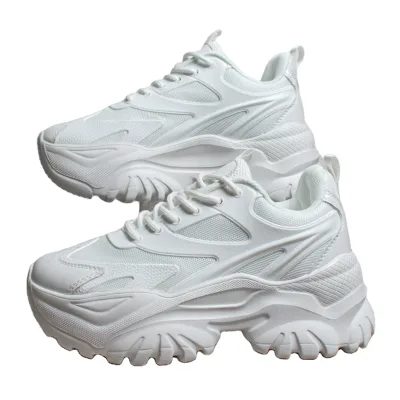
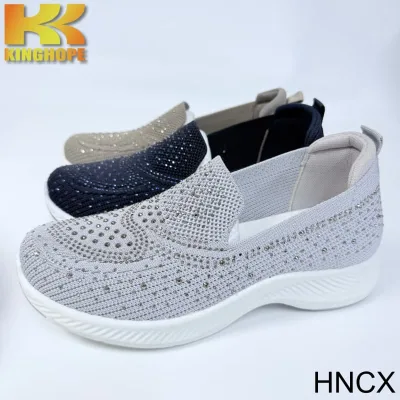
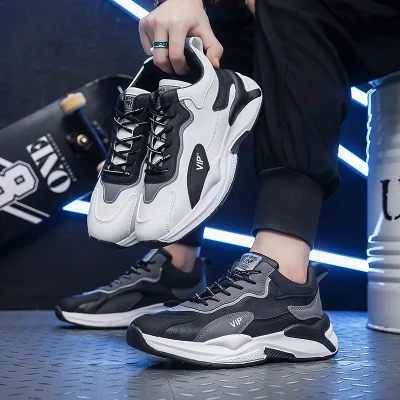
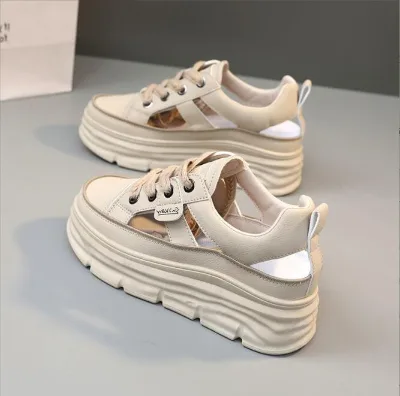
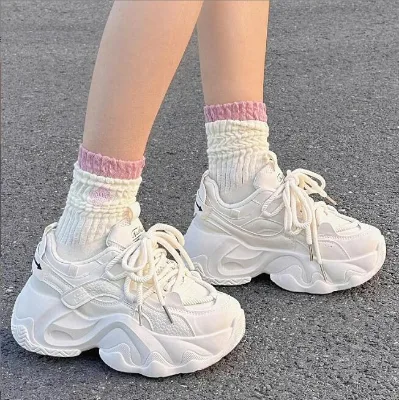
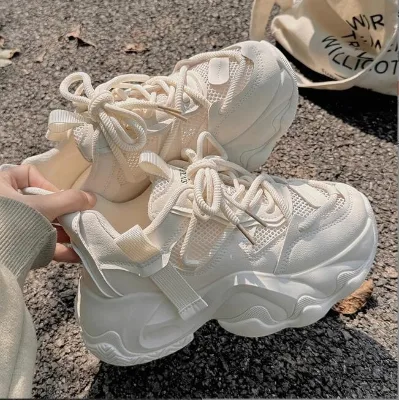
Light Weight White Women Chunky Sneakers,Mesh Lace-Up Front Sneakers
$13.6679 - $22.7833
MOQ: 2 pieces
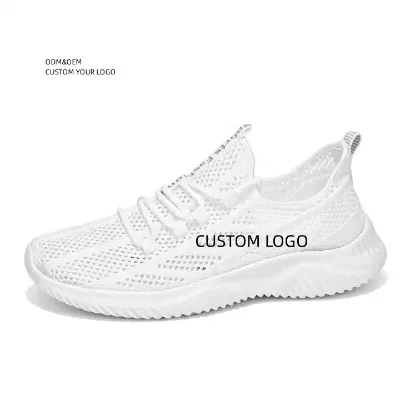
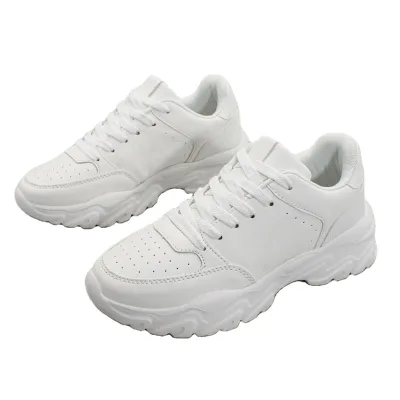
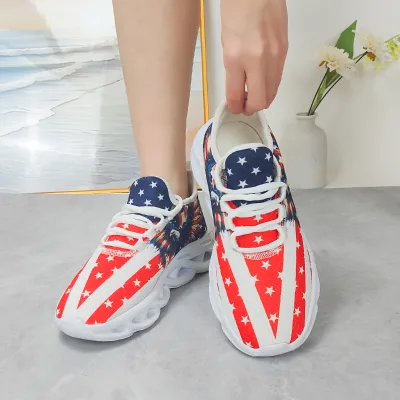
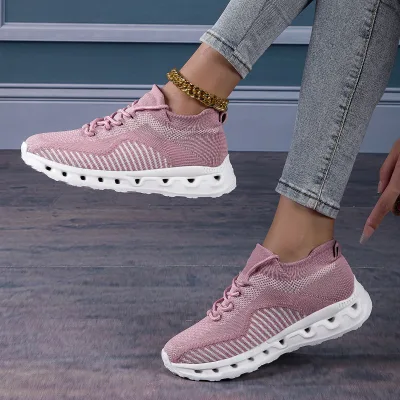
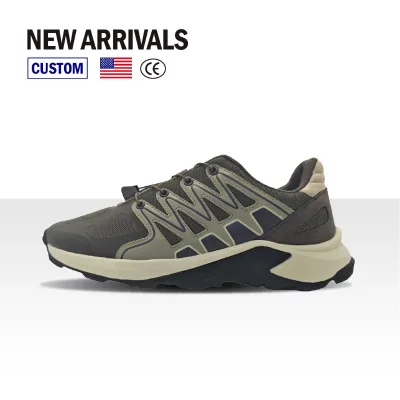
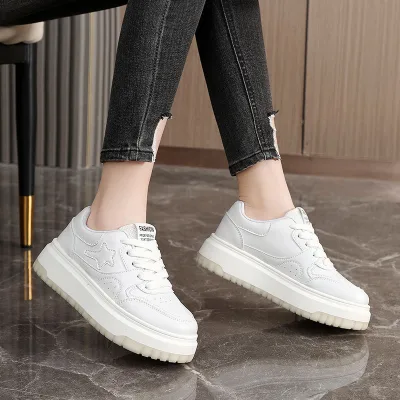


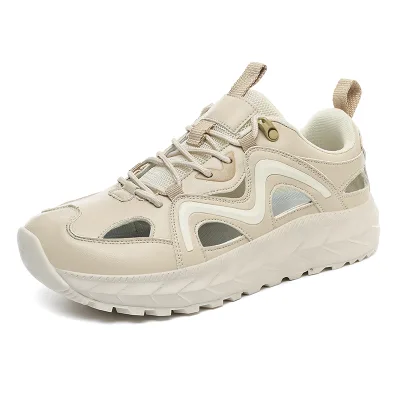
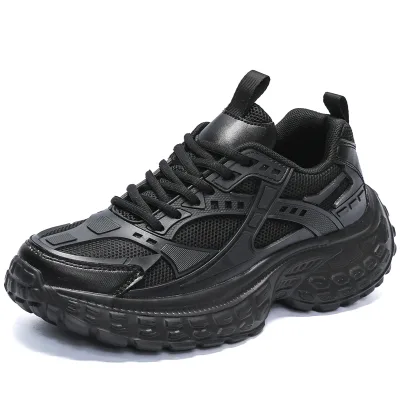
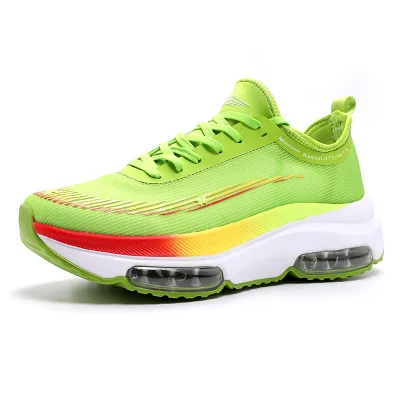
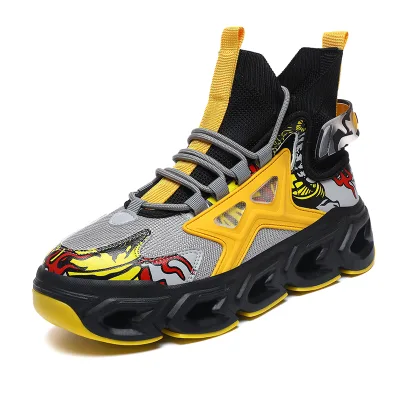
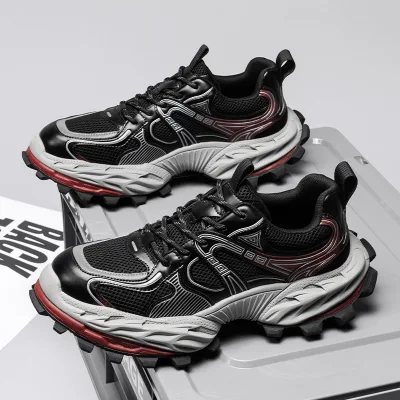
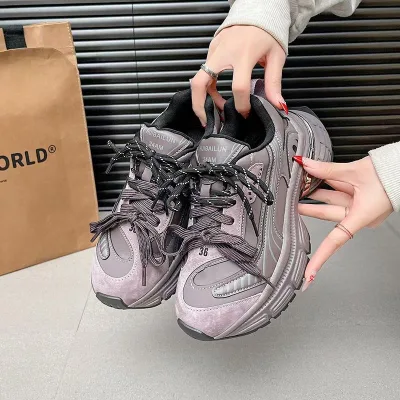
Comprehensive Sourcing Guide
Breathable Thick Sole Chunky Sneakers Sourcing Guide
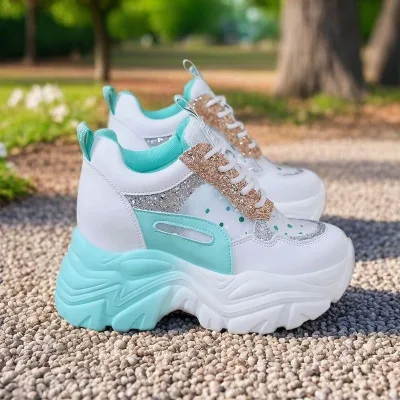
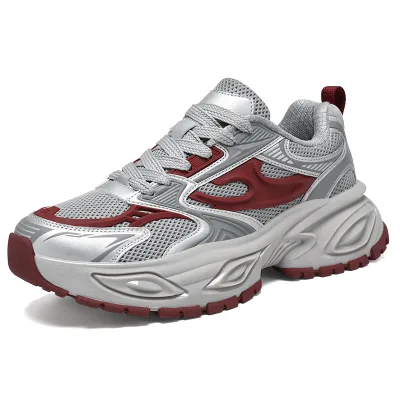
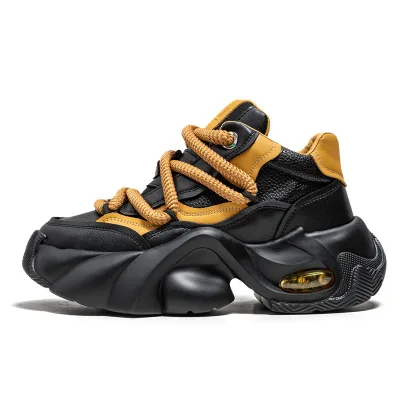
Sourcing Breathable Thick Sole Chunky Sneakers requires balancing aesthetic trends with functional performance, particularly for buyers targeting casual and sporty demographics. The observed market data indicates a strong presence of female-oriented footwear, with specific models like ZS0307-01 and LZ0794-01 representing distinct manufacturing approaches. Buyers must recognize that "chunky" designs often involve complex outsole constructions, which directly impact material costs and production complexity. The availability of customization options, including printed or embroidered logos, allows brands to differentiate their offerings in a crowded marketplace. However, the diversity in model numbers suggests that specifications vary significantly between suppliers, necessitating rigorous verification of individual product attributes before committing to large orders.
The visual appeal of these sneakers is often complemented by practical features such as round toes and lace-up closures, which cater to a wide range of foot shapes and style preferences. Observed listings highlight materials like PVC, EVA, and PU for outsoles, each offering different levels of durability and flexibility. While the term "breathable" is frequently used, the actual lining materials, such as cotton fabric or mesh, determine the true ventilation performance. Buyers should prioritize suppliers who provide clear details on lining composition, as this is critical for comfort during extended wear. The presence of multiple color options, including white, grey, and black, further expands the potential market reach, allowing for versatile inventory planning.
Product Scope and Observed Listing Signals
The product scope for Breathable Thick Sole Chunky Sneakers encompasses a variety of styles, from fashion casual shoes to sports sneakers designed for walking and daily wear. Observed listings reveal a wide range of EUR sizes, typically spanning from 36 to 45, indicating a broad target audience. The style attributes often include "sporty" and "fashion trend" descriptors, suggesting that these shoes are marketed towards consumers seeking both aesthetic appeal and functional utility. The observed price range of 1.45 to 62 USD highlights significant variation in quality and brand positioning, requiring buyers to carefully assess the value proposition of each supplier. This price disparity often correlates with differences in material quality, such as the use of premium mesh linings versus standard fabrics.
Listing signals also indicate a high degree of customization flexibility, with many suppliers accepting OEM orders and offering logo printing or embroidery services. This is particularly relevant for private label buyers looking to establish brand identity. The observed MOQs vary widely, from as low as 2 pairs to 1000 pairs, catering to both small boutique retailers and large-scale distributors. Buyers should note that lower MOQs may come with higher unit prices, while larger orders often benefit from economies of scale. The availability of samples within 5 to 21 days provides an opportunity for quality assessment before finalizing bulk purchases. Understanding these listing signals helps buyers align their procurement strategy with their specific business needs and budget constraints.
Technical Specifications to Verify
Verifying technical specifications is crucial for ensuring that the sneakers meet the desired performance and aesthetic standards. Buyers should pay close attention to the outsole material, as options like PVC, EVA, and PU offer different levels of cushioning, grip, and durability. The choice of outsole material also affects the overall weight of the shoe, which is a key selling point for many consumers. Additionally, the lining material, whether cotton fabric or mesh, plays a significant role in breathability and comfort. Buyers must request detailed material specifications to ensure that the products align with their quality requirements and target market expectations.
Packaging and dimensions are also critical technical aspects that impact logistics and storage efficiency. Observed data shows packing configurations such as one pair per box and twelve pairs per carton, with standard carton sizes like 322512cm. These dimensions influence shipping costs and warehouse space utilization, so buyers should calculate the total landed cost based on these packaging details. Furthermore, the single package size, often around 28X11X9 cm, affects retail display and shelf space. Buyers should verify these specifications with suppliers to avoid unexpected logistical challenges and ensure that the products fit within their supply chain parameters.
Compliance and Safety Documentation
Compliance and safety documentation are essential for mitigating risks associated with importing footwear into various markets. While specific certification statuses may vary, buyers should inquire about adherence to relevant standards such as REACH, which regulates chemical substances in products. Ensuring that the materials used in the sneakers, including the outsoles and linings, comply with international safety regulations is critical for market access. Buyers should request test reports or certificates from suppliers to verify that the products meet these standards. This due diligence helps prevent potential legal issues and protects the brand's reputation in the global marketplace.
In addition to chemical compliance, buyers should also consider the quality grading of the products. Observed listings mention "Top Grade" quality, which suggests a certain level of manufacturing precision and material integrity. However, buyers should not rely solely on these claims and should instead conduct their own quality assessments or hire third-party inspection services. Verifying the quality grade through sample evaluation or factory audits provides a more accurate picture of the supplier's capabilities. This proactive approach to compliance and quality assurance ensures that the sourced sneakers meet the highest standards of safety and performance.
Cost Drivers and Commercial Terms
Cost drivers for Breathable Thick Sole Chunky Sneakers include material selection, customization complexity, and order volume. The choice of outsole and lining materials significantly impacts the unit price, with premium materials commanding higher costs. Customization options, such as OEM branding and specific logo applications, also add to the production expenses. Buyers should negotiate commercial terms that reflect these cost factors, ensuring a fair price for the quality and services provided. Understanding the relationship between these variables helps buyers make informed decisions about their sourcing strategy and budget allocation.
Payment terms and lead times are also critical commercial considerations. Observed data indicates payment options like T/T or L/C, which offer flexibility for different financial arrangements. Lead times typically range from 45 days for production, plus additional time for sampling, which buyers must factor into their inventory planning. Early communication with suppliers about these terms helps avoid delays and ensures timely delivery of products. Buyers should also consider the impact of MOQs on cash flow, as larger orders require more upfront investment. Balancing these commercial terms with operational needs is key to successful procurement.
Supplier Qualification and Quality Control
Supplier qualification involves assessing the manufacturing capabilities, reputation, and reliability of potential partners. Buyers should verify the supplier's location, with many originating from regions like Fujian, China, known for footwear production. Evaluating the supplier's experience with OEM orders and their ability to meet specific customization requirements is essential. Conducting factory audits or requesting references from existing clients provides insights into the supplier's operational efficiency and quality control processes. This thorough vetting process helps identify suppliers who can consistently deliver high-quality products.
Quality control measures should be integrated into the procurement process to ensure product consistency. Buyers should establish clear quality standards and communicate them effectively to suppliers. Implementing pre-production samples and final random inspections helps catch defects early and prevents costly errors. Collaborating with suppliers on continuous improvement initiatives can also enhance product quality over time. By prioritizing supplier qualification and robust quality control, buyers can build a reliable supply chain that supports their brand's reputation and customer satisfaction.
Long-Term Procurement Checks
Long-term procurement checks focus on maintaining supplier performance and adapting to market changes. Regularly reviewing supplier metrics, such as on-time delivery rates and defect percentages, helps identify potential issues early. Buyers should also stay informed about industry trends and consumer preferences, adjusting their product specifications accordingly. Building strong relationships with suppliers fosters collaboration and innovation, leading to better product offerings. Continuous monitoring and evaluation ensure that the sourcing strategy remains effective and competitive in the long run.
Additionally, buyers should periodically reassess their cost structures and explore alternative suppliers to mitigate risks. Diversifying the supplier base can provide flexibility and reduce dependency on a single source. Engaging in strategic planning with suppliers can lead to mutually beneficial agreements that support growth and stability. By implementing these long-term checks, buyers can ensure a resilient and efficient procurement process that supports their business objectives and adapts to evolving market dynamics.
FAQs
What are the available outsole materials for these chunky sneakers?
The chunky sneakers are available with outsoles made from PVC, EVA, or PU materials. These options provide varying levels of durability and flexibility. Buyers can select the material that best suits their specific performance requirements and comfort preferences for the footwear.
Can I customize the logo on these fashion casual shoes?
Yes, logo customization is available for these fashion casual shoes. You can choose from printed, embroidered, or OEM logo options. This allows brands to personalize the footwear effectively. The customization service supports distinct brand identity requirements for diverse market segments.
What is the minimum order quantity for these sports sneakers?
The minimum order quantity varies by product model. Some models require an MOQ of 1000 pairs, while others accept orders as low as 2 pairs. This flexibility accommodates both large-scale wholesale buyers and smaller retailers testing new product lines.
How long does it take to receive samples of these sneakers?
Sample production times range from 5 to 21 days depending on the specific model. Some items are ready within 5 to 10 days, while others may take up to 15 to 21 days. This allows buyers to plan their evaluation process accordingly.
What sizes are available for these Breathable Thick Sole Chunky Sneakers?
Available EUR sizes typically range from 36 to 45. Specific models may offer sizes 36 through 41 or extend up to 45. Buyers should check the specific model number for exact size availability to ensure proper fit for their target customers.
Where are these sneakers manufactured and what is the lead time?
These sneakers are manufactured in China, with some origins noted in Fujian. The standard delivery date is approximately 45 days after order confirmation. This lead time applies to bulk production runs and should be considered when planning inventory and shipment schedules.