Arch Support Breathable Leather Loafer Suppliers and Manufacturers
Compare 23 verified suppliers offering Arch Support Breathable Leather Loafer options with varying lead times, MOQs, and certifications. Review response times and product attributes to select a partner, then request quotes for specific models; review the available evidence before requesting comparable quotations from suitable candidates.
Updated
Suppliers List
- Trading Company
- Taiwan, China
- Lead time90 days
- Avg. response≤ 4h
Main productshigh heels,loafers,wedding shoes,sandals,boots
Main marketsNorth America(50.00%), Southeast Asia(10.00%), Eastern Asia(10.00%), Western Europe(10.00%), Northern Europe(10.00%), Southern Europe(10.00%)
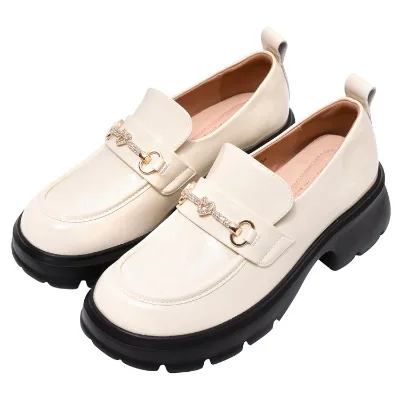
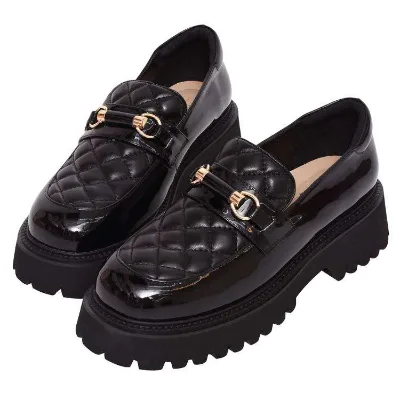
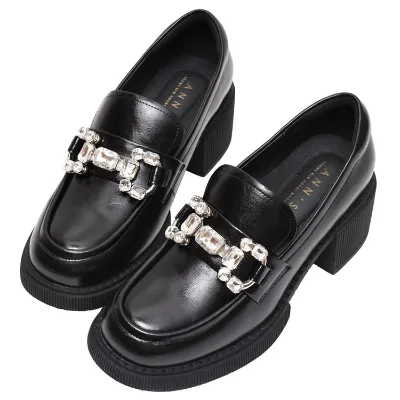
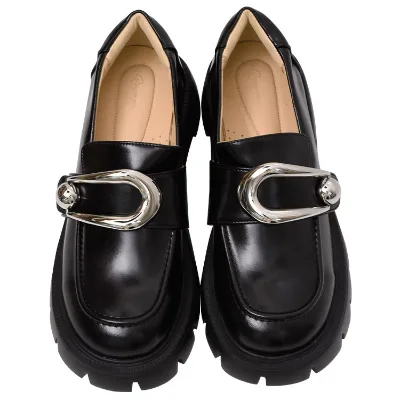
Comfort Stretch Loafers with Synthetic Upper Rhinestone Buckle Slip-On Closure Type
$51.00 - $73.00
MOQ: 1 pairs
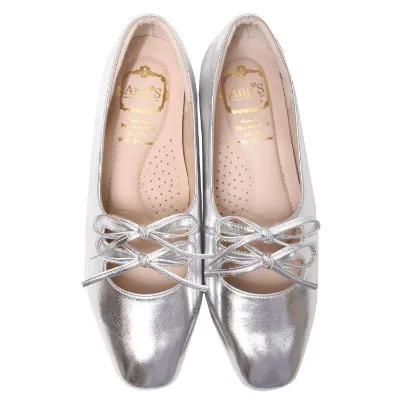
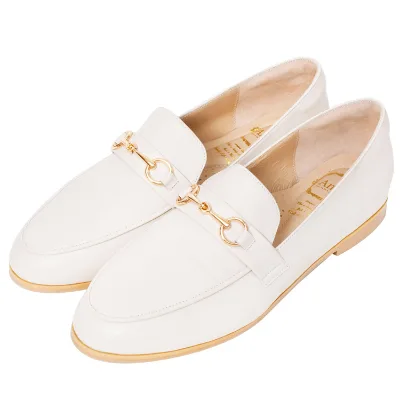
Ann'S Soft Ivory Lambskin Gold Buckle Summer Casual Flat Shoes Ladies Loafers
$53.00 - $76.00
MOQ: 2 pairs

Xiamen Newtop Footwear Co., Ltd.
- Verified by SGS
- Trading Company
- China Fujian
- Lead time60 days
- Avg. response≤ 3h
Main marketsSoutheast Asia/ Mideast,Europe,North America

Comfortable Women's Trail Loafers with Arch Support and Breathable Design
$11.45 - $11.85
MOQ: 1 Pairs


Ruian CasaArbol Footwear Co., Ltd.
- Trading Company
- China Zhejiang
- Lead time0 days
- Avg. response≤ 5h
Main productsLeather Shoe, Sports Shoe, Sandal, Leather Slipper, Shoe Machine, Shoe Material, Lady's Shoe, Men's Shoe


Soft Leather Buckled Loafers for Daily Wear, Anti-Slip and Lightweight Design
$8.70 - $13.70
MOQ: 400 Pairs


Grace Guangzhou Health Shoes Co., Ltd.
- Verified by BV
- Combined
- China Guangdong
- Lead time30 days
- Avg. response≤ 5h
Main productsOrthopedic Shoe, Diabetic Shoe, Wide Fit Shoes, Kids Flat Foot Prevention Shoes, Comfort Shoes for Women, off-Loading Cast Shoes, Foot Pain Therapeutic Shoes, Orthopedic Insoles, PF Night Splints, School Shoes
Main marketsSouth America,Southeast Asia/ Mideast,Domestic,Europe,North America

Men's Wide Leather Shoe Breathable & Stability Bio-Supportive Comfortable Loafers
$26.00 - $29.00
MOQ: 500 Pairs

Daily Comfort Shoe Genuine Leather Wide Width Classic Loafers for Happy Walking
$25.00 - $29.00
MOQ: 500 Pairs
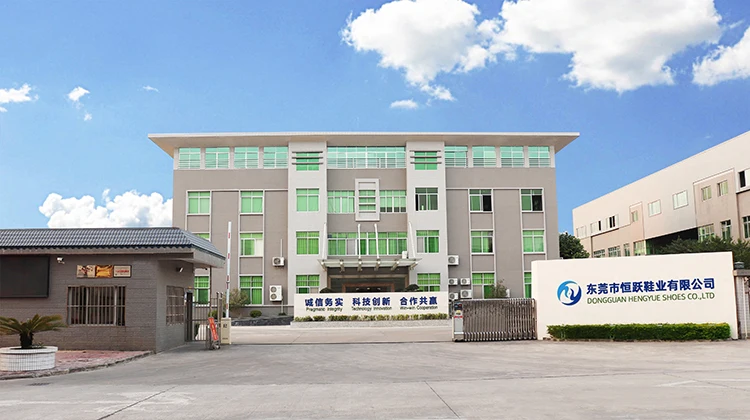
Dongguan Hengyue Shoes Co., Ltd.
- Manufacturer, Trading Company
- Guangdong, China
- Lead time40 days
- Avg. response≤ 4h
Main productsWomen Sandal,Women Pumps,Women Loafer,Women Boots,Children Shoes
Main marketsNorth America(40.00%), Oceania(20.00%), Eastern Asia(10.00%), South Asia(10.00%), Mid East(10.00%), Northern Europe(5.00%), Africa(5.00%)
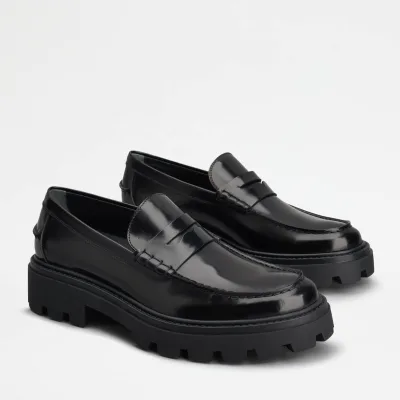
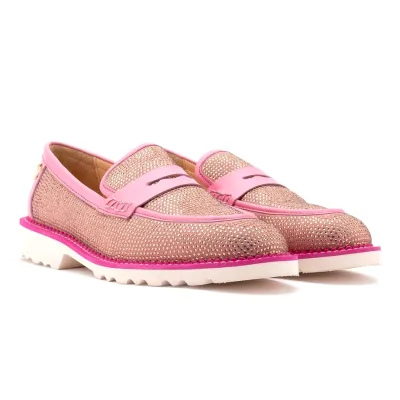
Factory Customized Suede Leather Stoned Women's Abigail Slip-on Lug Sole Flat Loafers
$27.80 - $29.90
MOQ: 300
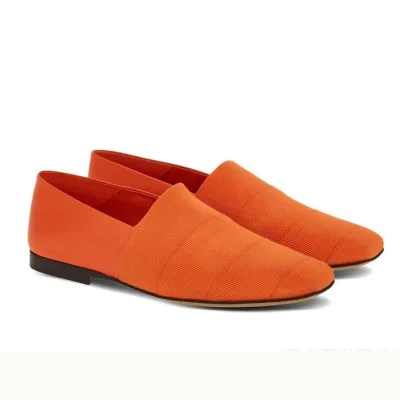
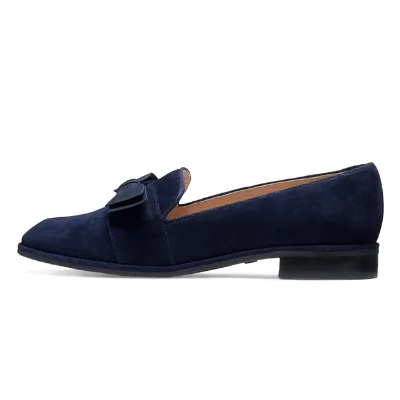
Customized Design Suede Leather With Big Bowknot Low Heel Slip on Flat Women Casual Loafers
$17.00 - $19.00
MOQ: 300

Quanzhou Lingyangren Department Store
- Trading Company,Manufacturer/Factory
- China Fujian
- Lead time0 days
- Avg. response≤ 5h
Main productsCasual Shoe, Men Shoe, Waterproof Bag, Bag

Soft Leather Loafer for Men Daily Casual Outing with Flexible Rubber Outsole
$11.10 - $12.20
MOQ: 200 Pieces

Lightweight Loafer for Weekend Relaxed Occasions with Comfortable Wide Toe Space
$11.10 - $12.20
MOQ: 200 Pieces

Comfort Casual Loafer for Short-Distance Travel with Quick Dry Inner Lining
$8.60 - $9.70
MOQ: 200 Pieces

Lightweight Slip Loafer for City Daily Commute with Soft Stretch Fabric Upper
$8.60 - $9.70
MOQ: 200 Pieces

Guangzhou Happybuy Trading Co., Limited
- Verified by TUVRHEINLAND
- Trading Company,Manufacturer/Factory
- China Guangdong
- Lead time15 days
- Avg. response≤ 3h
Main productsMen's Leather Shoes, Formal Men Shoes, Casual Men Shoes, Business Boots, Wedding Party Shoes, Luxury Dress Shoe, Business Sneakers, Fashion Men Shoes, Handmade Leather Shoes, Men Shoes
Main marketsSouth America,Eastern Europe,Mid East,North America,Southeast Asia,Eastern Asia,Oceania,Western Europe,Africa


China Customized Loafers for Men Casual Man's Daily Wear Comfortable Leather Shoes
$23.00 - $42.00
MOQ: 5 Pairs

Stylish Men's Genuine Leather Loafers for Casual and Formal Events Leather Shoes
$24.00 - $43.00
MOQ: 10 Pairs

Comfortable Loafers for Men Slip on Casual Shoes Cow Leather Fashion Handmade
$24.00 - $45.00
MOQ: 5 Pairs

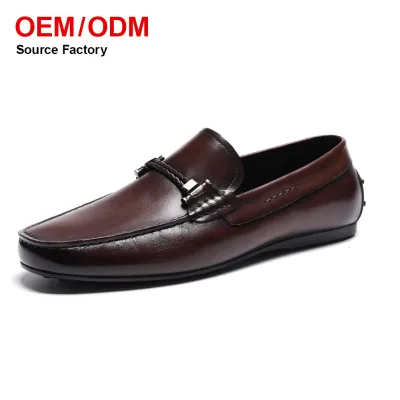
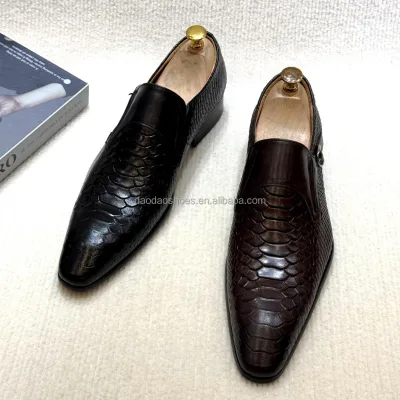
Men Shoes Comfortable Loafers for Males Snake Pattern Printing Metal Buckle Decoration
$26.00 - $45.00
MOQ: 10 Pairs

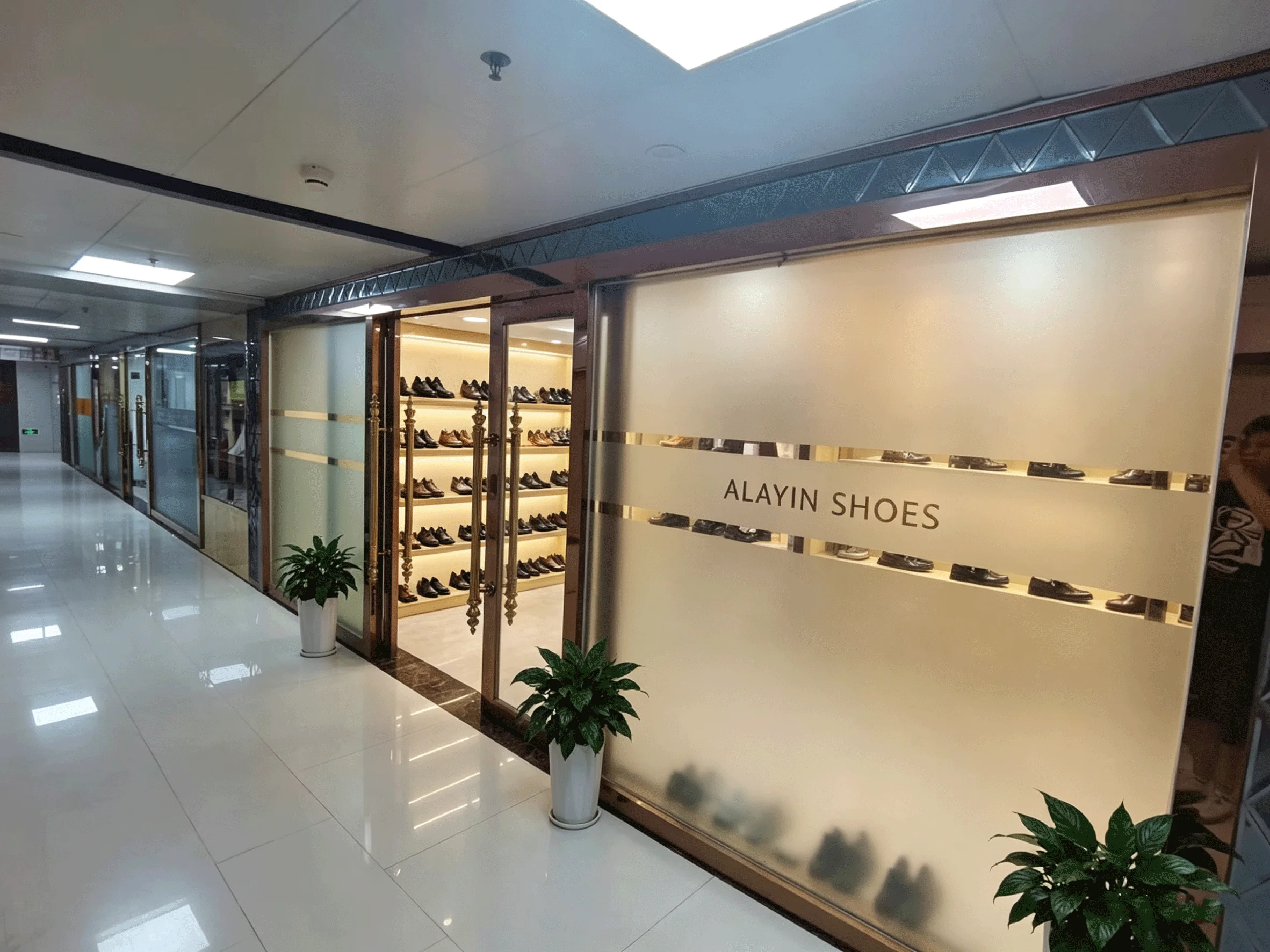
Alayin Shoes (Guangzhou) Co., Ltd.
- Manufacturer, Buying Office, Distributor/Wholesaler
- Guangdong, China
- Lead time15 days
- Avg. response≤ 7h
Main productsMen's Leather Shoes,Men's formal shoes,Derby Shoes & Monk Shoes,Men's boots,loafers
Main marketsNorth America(38.00%), Western Europe(30.00%), Africa(20.00%), Oceania(5.00%), South America(5.00%), Eastern Europe(2.00%)
- Trading Company
- Sichuan, China
- Lead time20 days
- Avg. response≤ 4h
Main productsBoots,Casual Shoes,Sports Shoes,Baby Shoes,Sandals
Main marketsNorth America(45.00%), Western Europe(20.00%), Mid East(15.00%), Southeast Asia(10.00%), Eastern Europe(5.00%), Africa(5.00%)
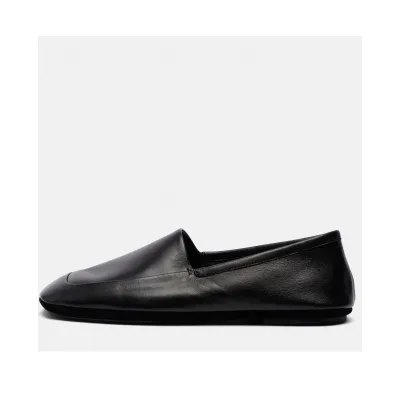
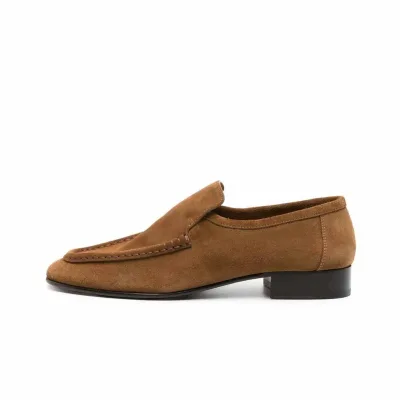
$35.8247 - $37.5448
MOQ: 50 pairs
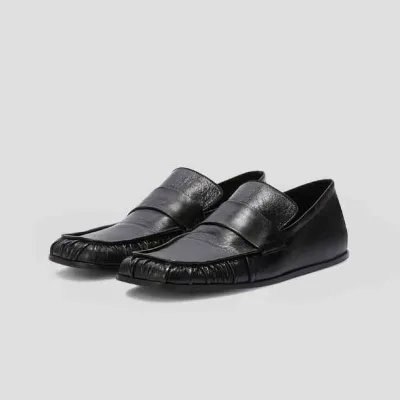
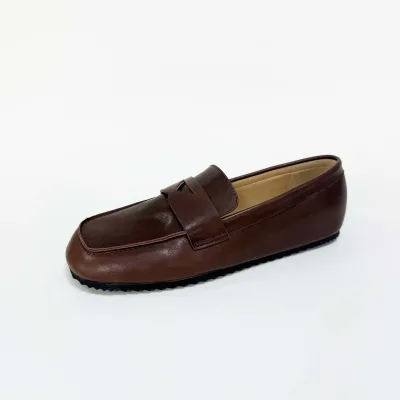
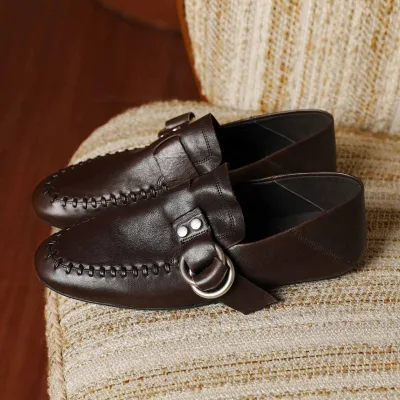
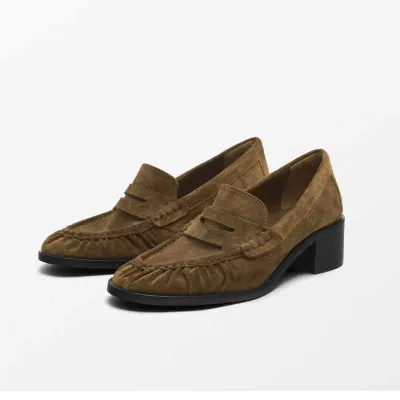
Classic British-style One-footed Round Toe Low-heeled commuter Leather Loafers Autumn and Winter
$34.66 - $36.23
MOQ: 50 pairs

Guangzhou Weirui Shoes Co., Ltd.
- Verified by TUVRHEINLAND
- Manufacturer
- China Guangdong
- Lead time15 days
- Avg. response≤ 2h
Main products100% High Quality Genuine Leather Shoes, Genuine Leather Women's Shoes, Genuine Leather Men's Shoes, OEM ODM High End Genuine Leather Shoes, Custom Wholesale Dropshipping Genuine Leather Sh
Guangzhou Happybuy Trading Co., Limited
- Manufacturer, Trading Company
- Guangdong, China
- Lead time20 days
- Avg. response≤ 3h
Main productsMen Dress Shoes,Men Casual Shoes,Men Boots,Business Leisure Shoes,Formal Men Shoes
Main marketsNorth America(20.00%), Western Europe(15.00%), South America(15.00%), Eastern Europe(10.00%), Southern Europe(10.00%), Africa(10.00%), Northern Europe(10.00%), Mid East(5.00%), Southeast Asia(5.00%)

QUANZHOU JINJIANG NEW BLT SHOES CO.,LTD
- Verified by BV
- Trading Company,Manufacturer/Factory
- China Fujian
- Lead time0 days
- Avg. response≤ 23h
Main productsSport Shoes, Casual Shoes, Hiking Shoes, School Shoes, Canvas Shoes, Water Shoes, Outdoor Shoes, Skateboard Shoes, PVC Injection Shoes, Running Shoes

Zhangzhou Xiangcheng Danxing Trading Co., Ltd
- Verified by SGS
- Trading Company
- China Fujian
- Lead time15 days
- Avg. response≤ 19h
Main productsDress Shoes, Sports Shoes, Heel Shoes, Kids Shoes, Outdoor Shoes, Basketball Shoes, Trainers, Casual Shoes, Clothes, Bags
Main marketsSouth America,Africa,Southeast Asia/ Mideast,East Asia(Japan/ South Korea),Europe,Australia,North America


Men's Fashionable and Casual Loafers, Breathable and Non Slip Outdoor Leather Shoes
$5.29 - $6.17
MOQ: 1 Pieces


High Quality Men's Suede Loafers with Tassels in Assorted Colors - Men's Casual Dress Shoes
$14.00 - $15.50
MOQ: 1 Pairs

Jinjiang Maituo Import and Export Trading Co., Ltd.
- Verified by CTI
- Combined
- China Fujian
- Lead time60 days
- Avg. response≤ 6h
Main productsShoe, Shoe Accessories, Sporting Shoes, Shoe Machine, Shoe Sole, Microfiber PU, Space Leather, TPU, Basketball Cover, Textile Fabrics
Main marketsEurope
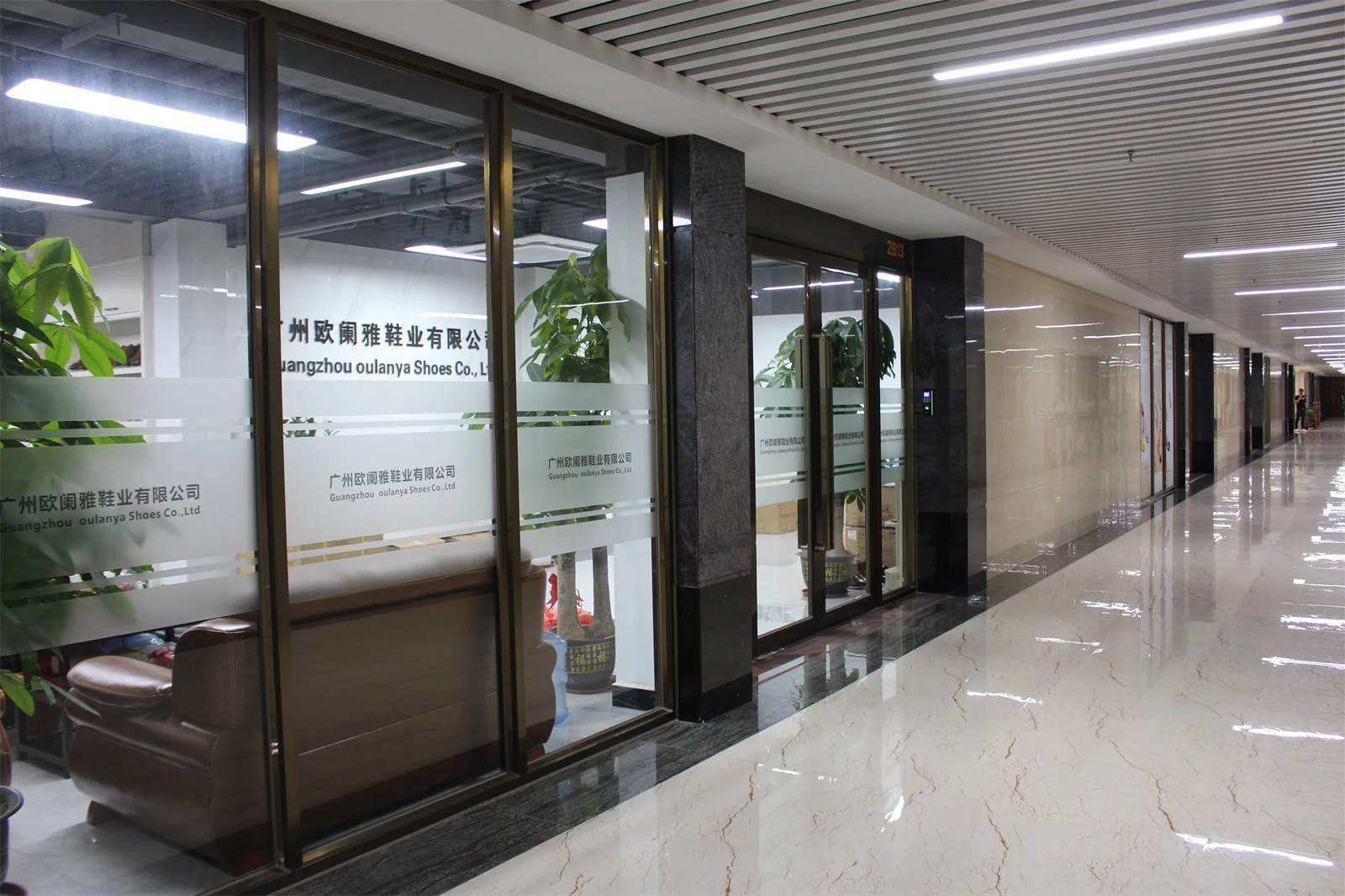
Guangzhou Oulanya Shoes Co., Ltd.
- Manufacturer
- Guangdong, China
- Lead time20 days
- Avg. response≤ 10h
Main productsshoes
Main marketsAfrica(25.00%), North America(20.00%), Southeast Asia(20.00%), South America(15.00%), Western Europe(10.00%), Eastern Europe(10.00%)

Xiamen Mango Fashion Shoes Trade Co., Ltd
- Verified by BV
- Trading Company
- China Fujian
- Lead time45 days
- Avg. response≤ 18h
Main productsSneaker, Women Sneakers, Sport Shoes, Skateboards, Casual Shoes, Vulcanized, Boots, Sandals, Slippers
Main marketsSouth America,Southeast Asia/ Mideast,North America

Guangzhou Daodao Shoes Manufacture Co., Ltd.
- Manufacturer, Other
- Guangdong, China
- Lead time30 days
- Avg. response≤ 3h
Main productsdress shoes,men leather boot,men sneakers,Women shoes,Men shoes
Main marketsNorth America(40.00%), Western Europe(25.00%), Eastern Europe(8.00%), Northern Europe(7.00%), Southern Europe(5.00%), Southeast Asia(4.00%), South America(4.00%), Mid East(3.00%), Oceania(1.00%), Domestic Market(1.00%), Central America(1.00%), Eastern Asia(0.50%), South Asia(0.50%)
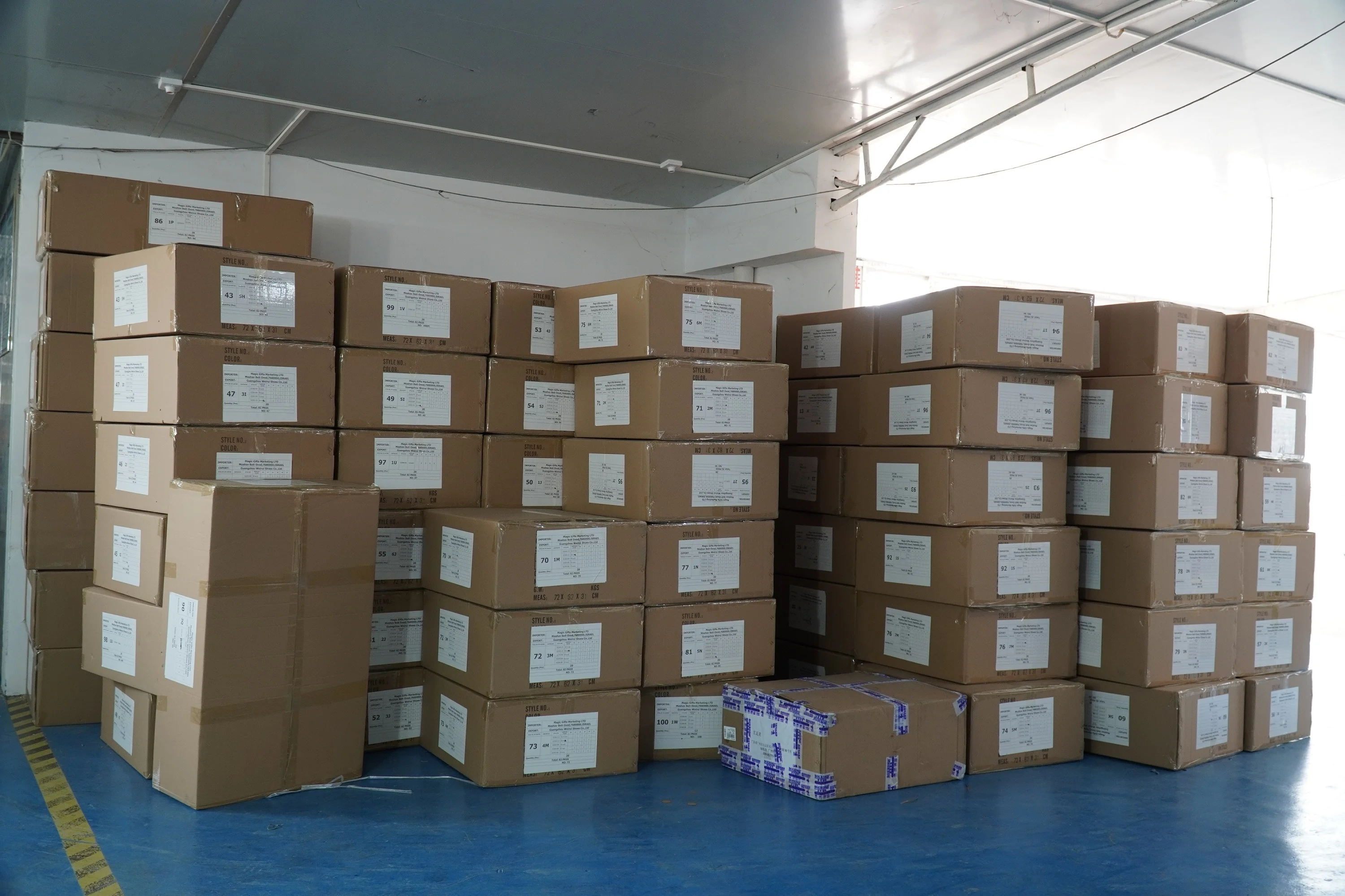
Guangzhou Weirui Shoes Co., Ltd.
- Manufacturer
- Guangdong, China
- Lead time7 days
- Avg. response≤ 1h
Main products100% high quality genuine leather shoes,Genuine leather women's shoes,Genuine leather men's shoes,OEM ODM high end genuine leather shoes,Custom wholesale dropshipping genuine leather shoes
Main marketsDomestic Market(30.00%), North America(20.00%), South America(20.00%), Eastern Europe(10.00%), Northern Europe(10.00%), Southeast Asia(10.00%)
Quanzhou Chunqing Sporting Goods Co., Ltd.
- Trading Company
- Lead time旺季: "1 - 1000":45,"> 1000":"To be negotiated", 淡季: "1 - 1000":45,"> 1000":"To be negotiated"
- Avg. response≤ 3h
Main productssneakers,skateboard shoes,kid shoes,basketball shoes,soccer shoes
$14.3817 - $18.5194
MOQ: 2 pairs

CHENGDU COFIDA LEATHER PRODUCTS CO., LTD.
- Verified by SGS
- Trading Company,Manufacturer/Factory,Group Corporation
- China Sichuan
- Lead time23 days
- Avg. response≤ 2h
Main productsLeather Shoes and Boots, Party Dress Shoes, Faux Leather Shoes and Boots, OEM Customized Shoes and Boots, Party Wedding Dress Shoes, Evening Clutch Bags, Unisex Shoes, Unisex Polo and Tshirts
Main marketsSouth America,Eastern Europe,North America,Southeast Asia,Eastern Asia,Oceania,Western Europe,Africa
Quanzhou Jujiang E-Commerce Co., Ltd.
- Verified by TüVRheinland
- Trading Company
- Lead time15 days
- Avg. response≤ 4h
Main productsRunning Shoes, Football Boots, Sports Shoes, Badminton Shoes, Casual Shoes
Main marketsSouth America(40%), North America(20%), Eastern Europe(15%)

Shenzhen Fashion Industrial Co., Ltd.
- Trading Company,Manufacturer/Factory
- China Guangdong
- Lead time38 days
- Avg. response≤ 5h
Main productsShoes, Sneaker Shoes, Sports Shoes, Women Shoe, Casual Shoes, Ladies Shoes, Fashion Shoes, Slippers, Sandals, Boots
Main marketsSouth America,Eastern Europe,Mid East,North America,Southeast Asia,Eastern Asia,Oceania,Western Europe,Africa


Fashion Style Comfortable Loafers for Women Most Popular Ladies Dress Loafer PU Shoes
$7.28 - $8.12
MOQ: 100 Pairs


Fashion Style Loafers for Women Most Popular Ladies Dress Loafers PU Shoes
$6.94 - $7.75
MOQ: 100 Pairs

Quanzhou Gushi Technology Co., Ltd.
- Verified by CTI
- Trading Company
- China Fujian
- Lead time15 days
- Avg. response≤ 25h
Main productsShoes, Clothing, Dried Flower, Dolls, Shoes Charms, Bags, Shoes Accessories, Home Craft Decorations
Main marketsEurope


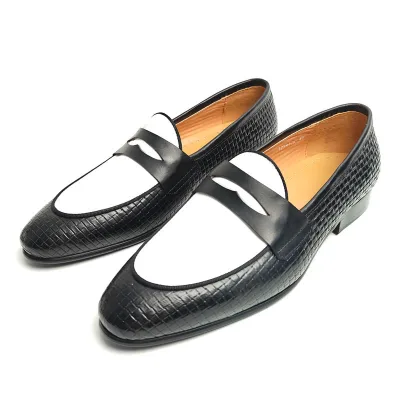


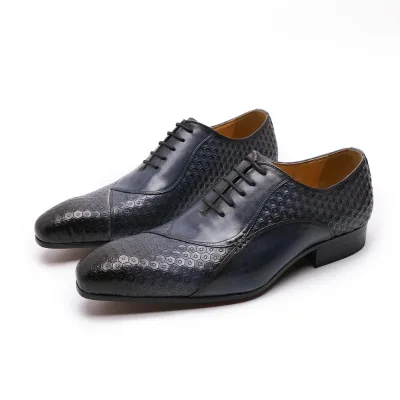
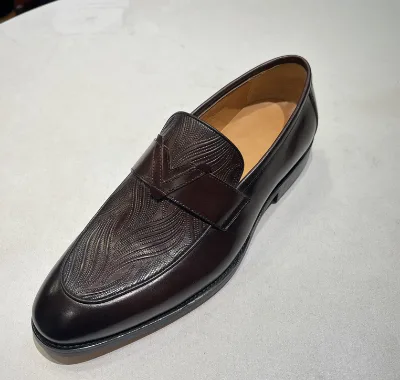






Comprehensive Sourcing Guide
Arch Support Breathable Leather Loafer Supplier Concentration and Factory Types
When you search for arch support breathable leather loafers, the supplier results you see often cluster around a small number of established footwear regions. In the current results, suppliers list locations in Taiwan, China, Fujian, and Zhejiang, which signals that this category draws on the broader Chinese coastal footwear manufacturing base. Fujian and Zhejiang appear repeatedly in supplier locations, and one Zhejiang-based supplier even lists shoe machines and shoe materials among its main products, suggesting a mature industrial ecosystem rather than isolated workshops. You should treat these location labels as starting points and confirm whether a supplier's listed address matches its actual production site, since trading companies frequently register in one city and produce elsewhere.
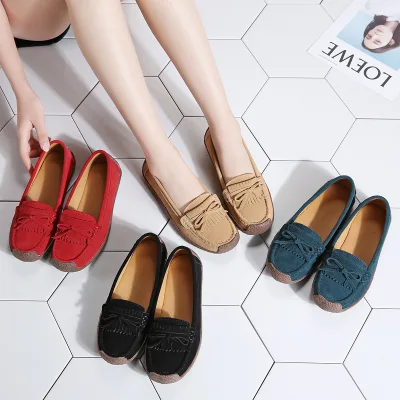
Supplier types in this category vary more than buyers expect. One supplier in the results explicitly identifies as a Trading Company, while others offer ODM and OEM capacity, which usually indicates a factory with its own product development team. Product listings themselves reveal specialization: some suppliers concentrate on ladies' loafers, wedding shoes, and heels with premium materials like patent leather, sheepskin, and lambskin at retail-level price points, while others focus on breathable canvas and knit casual loafers at wholesale volumes. Understanding whether your target supplier is a leather dress-loafer specialist, a casual footwear manufacturer, or a trading intermediary will shape everything from sample quality to customization depth.
How to Verify Arch Support Breathable Leather Loafer Suppliers
Verification begins with the credentials displayed on the supplier profile and what they omit. In the current results, one supplier shows SGS verification while another lists its system certification as NIL, meaning no certified quality management system is displayed at all. You should not treat a blank certification field as proof of poor quality, but you should ask the supplier directly whether they hold ISO-type system certifications and request the certificate number so you can validate it independently. Verification status on a marketplace is not the same as a factory audit, so ask whether a recent third-party audit report exists and whether you can review it under a confidentiality arrangement.
Beyond documents, verification should test whether the supplier actually manufactures what the listings claim. A supplier whose catalog spans ladies' leather loafers, canvas slip-ons, and unisex trail styles may be a factory with multiple lines or a trader aggregating several workshops. Ask for the registered business scope, production floor photos or a live video walkthrough, and confirmation of which products are made in-house versus outsourced. For leather loafers with structured arch support specifically, request details on last development and insole construction, because these are the elements most often subcontracted. Cross-check the listed location against the shipping origin on quotations, and reconcile any mismatch before investing in samples or a factory visit.
What to Compare Across Arch Support Breathable Leather Loafer Suppliers
Build a side-by-side comparison using the attributes suppliers actually display, without assuming every supplier publishes every field. Lead time is one of the most informative differences: current results show one supplier quoting 90 days and another quoting 60 days, a gap that materially affects your launch calendar and cash flow. Response time also varies, with figures such as roughly 2.8 hours and around 4 hours appearing in the profiles; faster response often correlates with more organized sales and merchandising teams, which matters when you are iterating on samples.
Compare product depth against your category focus. One supplier's catalog emphasizes ladies' loafers with premium uppers and price ranges in the fifty-dollar band with very low MOQs, while another offers breathable casual loafers at single-digit wholesale prices with MOQs of 500 to 1,000 pairs. That contrast tells you they serve different buyer types. Also compare main-product breadth, ODM and OEM availability, customization options shown on listings, and whether the supplier is labeled a factory or trading company. Location matters for logistics costs and visit feasibility. Where a field is missing, such as establishment year or escrow availability, record it as unverified rather than assuming the best or worst, and ask the supplier to supply the missing information with supporting evidence.
Common Arch Support Breathable Leather Loafer Sourcing Risks
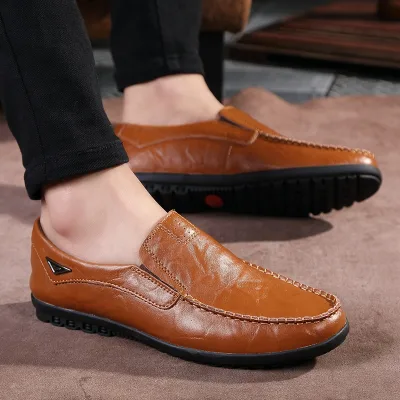
The most common risk in this category is a mismatch between the marketing language and the actual construction. Listings in the current results use phrases like "arch support" and "breathable" across very different products, from patent leather dress loafers to fabric lace-up casual shoes, and one listing even describes a lace-up closure on a product labeled a loafer. Confirm exactly how arch support is engineered, whether through a molded insole, a contoured footbed, or an anatomical last, and test breathability claims on the real leather upper rather than trusting keywords copied across a catalog.
Other risks stem from supplier type and consistency. A trading company can be an efficient partner, but it adds a layer between you and the factory, which can slow corrective action when a production batch deviates from the approved sample. Low MOQs on premium-looking listings are attractive for testing, but they can come with higher unit prices and less priority on the factory floor. Watch also for catalog drift: a supplier listing shoes, shoe machines, and shoe materials may shift capacity between lines seasonally. Finally, beware of unverified quality claims: a supplier with no displayed system certification is not automatically unreliable, but placing a first order without a signed specification sheet, approved counter-sample, and defined inspection criteria leaves you with little recourse if quality slips.
Arch Support Breathable Leather Loafer Regional Sourcing and Logistics
The regional signals in the current results point to China's coastal footwear belt. Fujian and Zhejiang both appear as supplier locations, and one product explicitly states its origin as Fujian, China. Fujian is widely associated with casual and sports footwear production, while Zhejiang suppliers in this dataset list leather shoes, sandals, slippers, and even shoe-making machinery among their main products, which suggests an integrated supply chain for leather footwear. A Taiwan-based trading supplier also appears, which can be useful if you want an intermediary to consolidate or manage production across factories. Treat these as hypotheses to verify, not conclusions, since profile locations do not always equal factory locations.
Logistically, plan around the lead times the suppliers disclose: 60 and 90 days in the current results are long enough that you should work backward from your retail or launch dates, adding time for samples, revisions, and shipping. Ask each supplier whether the quoted lead time includes production only or also quality inspection and packing. For leather loafers, packaging and humidity control during ocean freight matter, so confirm carton specifications and whether desiccants or inner boxes are included. If you source from different regions simultaneously, compare port proximity, consolidation options, and whether the supplier supports mixed-container loading, because these details can offset differences in quoted unit prices.
Arch Support Breathable Leather Loafer Commercial Terms and Order Planning
Commercial planning should start from the price and MOQ patterns visible in the results. One supplier lists ladies' leather loafers ranging roughly from the mid-forties to upper-seventies in unit price with MOQs as low as one or two pairs, which suits market testing and small specialty retail. Another supplier prices breathable casual loafers near nine to twelve dollars per pair with MOQs of 500 to 1,000 pairs, which suits volume programs. These are listing-level figures, so always confirm whether quoted prices are for specified materials, include packaging, and remain valid for your target quantity and color breakdown.
On order structure, negotiate a staged plan: a low-risk trial order, a defined specification sheet covering the arch support component, upper leather grade, lining, and outsole, and an approved pre-production sample before mass production. Where a supplier offers OEM and ODM capacity, clarify what customization is included in the quoted price and what triggers tooling or development charges. Verify payment protection options, such as escrow or trade assurance type arrangements, directly with the supplier, since not all profiles display these features. Record establishment year, verification status, and certification claims in your comparison sheet, and re-quote at your real annual volume. Finally, lock the lead time and any penalty or delay clause in writing before deposit, and schedule inspection dates that align with the agreed production milestones.
FAQs
What is the price range for arch support loafers?
Prices for these shoes typically range from $9.35 to $79.00 depending on materials and customization. Basic fabric models with mesh lining start around $9.35, while premium leather options with genuine leather linings and arch support cost between $51.00 and $79.00. Buyers should verify specific unit costs based on order volume and material selection.
What are the minimum order quantities for these shoes?
Minimum order quantities vary significantly by supplier and product type. Some suppliers accept orders as low as one pair for sample testing, while others require bulk purchases of 500 or 1000 pairs for customized OEM or ODM production. Buyers must check the specific MOQ listed for each product model to ensure it aligns with their purchasing capacity.
How long does production take for these orders?
Lead times generally range from zero to ninety days depending on the supplier and order complexity. Some manufacturers in China Fujian report lead times of sixty days, while others may take up to ninety days. Buyers should confirm the exact production schedule with the supplier before placing orders to ensure timely delivery for their specific requirements.
Are these loafers available with breathable mesh lining?
Yes, many suppliers offer loafers featuring breathable mesh lining and fabric uppers. These designs are specifically engineered for comfort and ventilation, making them suitable for daily wear. The mesh lining ensures airflow, while the durable construction supports long-term use. Buyers can find these options in various colors including white and black for both men and women.
Can I customize the design with my own logo?
Customization is available for many suppliers who offer OEM and ODM services. Buyers can request specific materials, colors, and branding elements for their orders. However, customized production often requires higher minimum order quantities, such as 1000 pairs. It is essential to discuss customization details and requirements directly with the supplier to ensure feasibility.
Where are these suppliers located?
Suppliers offering these products are primarily located in Taiwan, China Fujian, and China Zhejiang. These regions are known for their manufacturing capabilities in footwear. Buyers can filter results by location to find suppliers closer to their shipping preferences or those with specific regional certifications and logistical advantages for international trade.