Source Waterproof Safety Combat Boot for Rescue, Security, Outdoor
Find 30 Waterproof Safety Combat Boot options from verified suppliers. Compare features like puncture resistance, anti-static properties, and customization support for rescue, security, and outdoor applications. Explore genuine leather and rubber upper materials with steel toe protection and CE, ISO, or CCS certifications available for various industrial needs.
Updated
Key considerations
Products List


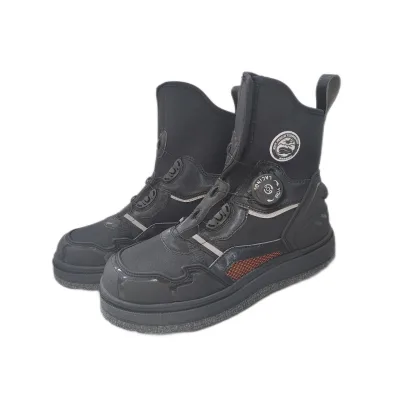
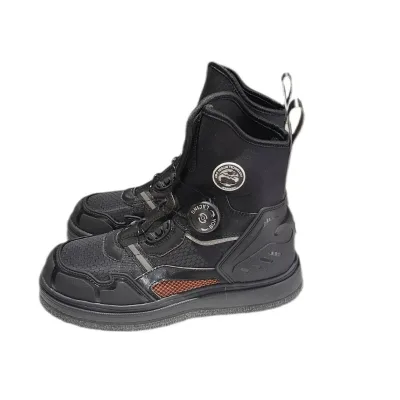
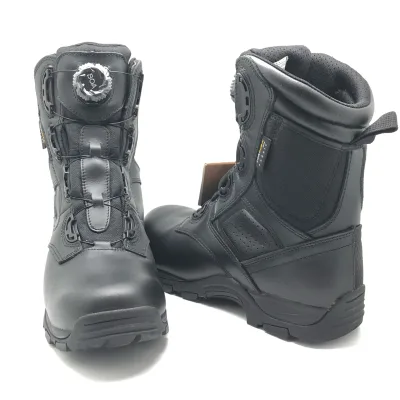
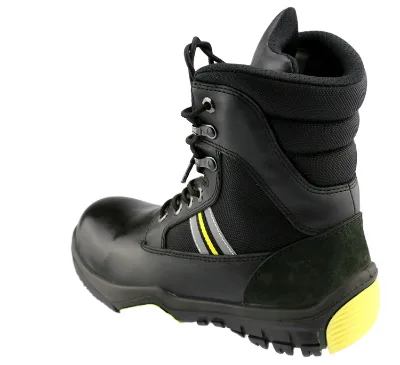
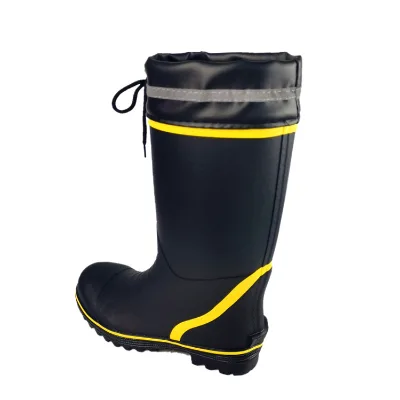
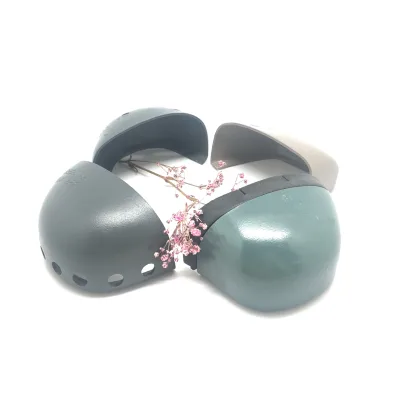
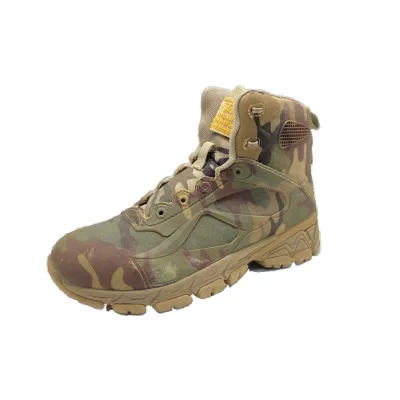
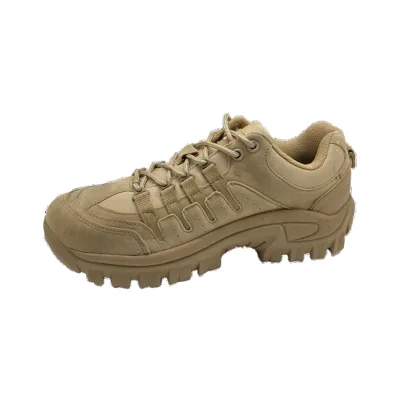


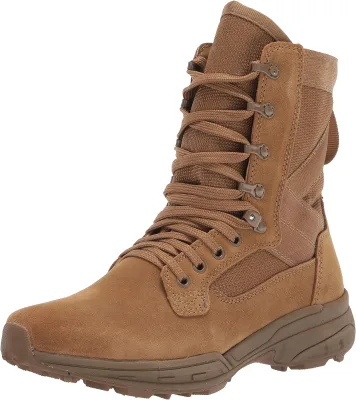
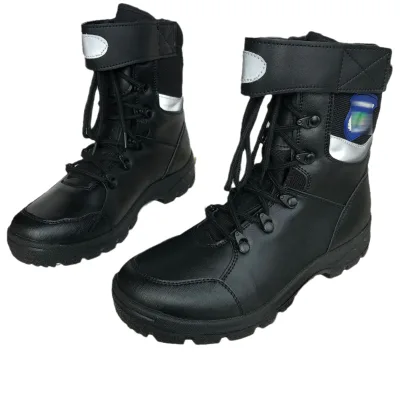
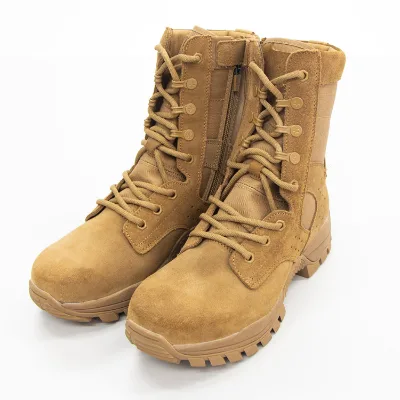
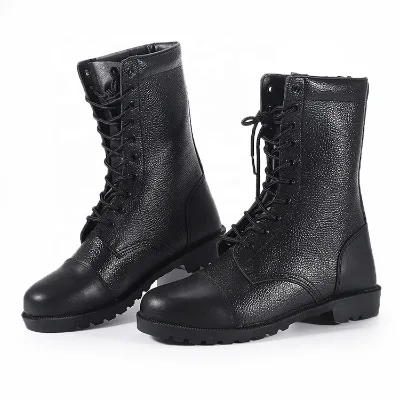
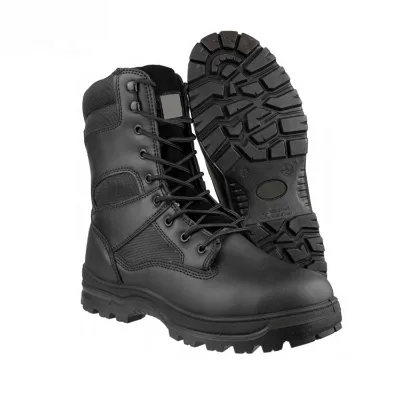
Combat Training Boot Security Guard Boots Law Enforcement Boots Specioal Forces Boots
$18.00 - $28.00
MOQ: 1000 Pieces


Comprehensive Sourcing Guide
Waterproof Safety Combat Boot Sourcing Guide
Procuring waterproof safety combat boots requires a nuanced understanding of material science and supply chain transparency, particularly when balancing environmental resistance with structural integrity. Buyers must recognize that product listings often present conflicting attributes, such as simultaneous claims of waterproofing and non-waterproof status, which necessitates rigorous verification of the specific SKU being ordered. The core keyword suggests a focus on tactical or industrial footwear designed for harsh conditions, where the upper material—often rubber, PU, or leather—plays a critical role in determining both durability and water resistance.
Sourcing decisions should be driven by the intended operational environment, whether it involves rescue missions, security guard duties, or general outdoor tactical use. The observed market data indicates a wide variance in product specifications, including variations in lining materials like genuine leather or cotton fabric, and insole compositions such as steel or EVA. Procurement teams must align their technical requirements with the specific capabilities of the supplier, ensuring that the selected boot model meets the precise safety and comfort standards required for the end-user’s daily activities without overpaying for unnecessary features.
Product Scope and Observed Listing Signals
The current market landscape for waterproof safety combat boots reveals a diverse array of product types, ranging from tactical boots to knee-high and mid-calf styles. Listings frequently highlight features such as puncture resistance, insulation, steel toes, and slip resistance, which are essential for protective equipment in high-risk environments. However, buyers must carefully distinguish between general product categories and specific model capabilities, as some items are explicitly labeled as not waterproof despite the broader category name. This discrepancy underscores the importance of verifying the exact product model, such as the MK or HW-03, before placing any orders.
Observations also indicate significant variation in customization options, with many suppliers accepting OEM and ODM requests, including logo printing and custom packaging. The origin of these products is predominantly China, with specific manufacturing hubs in Jiangsu and Guangdong provinces, which can influence lead times and logistics costs. Additionally, the presence of certifications like CE, ISO, and CCS suggests a baseline level of quality control, but buyers should not assume that all listed products meet these standards without direct confirmation from the supplier. The packaging methods, ranging from individual boxes with foam to carton or pallet shipments, also impact handling and storage requirements for the buyer.
Technical Specifications to Verify
When evaluating technical specifications, the upper material is a primary determinant of performance, with options including rubber, PU, and leather, each offering distinct advantages in terms of flexibility, durability, and water resistance. The lining material, whether genuine leather or cotton fabric, further influences comfort and breathability, which are critical for long-duration wear in tactical or rescue scenarios. Buyers should verify the insole material, as steel insoles provide superior puncture protection, while EVA insoles may offer better cushioning and shock absorption. These material choices directly impact the boot’s overall weight, flexibility, and suitability for specific tasks.
Additional technical features to verify include the close pattern, toe style, and anti-skid design, which affect fit, protection, and traction. For instance, shoelace closures with lace elements provide a secure fit, while round toe styles offer ample room for thick socks. The presence of anti-slip grooves is crucial for maintaining stability on wet or uneven surfaces, a key requirement for waterproof boots used in outdoor or rescue applications. Buyers must also confirm the size range, typically EUR 38-45, and ensure that the supplier can provide consistent sizing across batches to avoid fit issues for end-users.
Compliance and Safety Documentation
Compliance with safety standards is non-negotiable for waterproof safety combat boots, particularly when they are marketed for rescue, security, or industrial use. Buyers must request and verify certification documents, such as CE, ISO, or CCS, to ensure that the products meet regional regulatory requirements. While ISO 20345 and ISO 13994 are mentioned in background contexts, buyers should confirm the exact standard applicable to the specific product model, as these standards cover different aspects of protective footwear, from toe cap impact resistance to thermal insulation. Without proper documentation, buyers risk non-compliance and potential liability in the event of workplace accidents.
In addition to certifications, buyers should inquire about test results for key performance indicators, such as waterproofing integrity, slip resistance, and puncture resistance. These tests provide empirical evidence of the boot’s performance under controlled conditions and help validate the supplier’s claims. Buyers should also verify the product’s standard classification, such as whether it is designated as a "Genuine Fire Shoe," which may imply additional fire-resistant properties. Ensuring that all compliance documentation is up-to-date and verifiable is essential for maintaining safety standards and protecting the buyer’s brand reputation.
Cost Drivers and Commercial Terms
Cost drivers for waterproof safety combat boots include material selection, manufacturing complexity, and customization requirements. Products featuring genuine leather uppers, steel insoles, and hand-made construction typically command higher prices due to the labor and material costs involved. Conversely, boots made from PU or Oxford fabric with EVA insoles may be more cost-effective but could compromise on durability or protection. Buyers should analyze the price range, which currently spans from $0.57 to $187.51, to understand the value proposition of different product tiers and avoid overpaying for features that do not align with their operational needs.
Commercial terms, including MOQ, lead times, and payment conditions, also significantly impact the total cost of ownership. The observed MOQ range of 2-3000 units allows for flexibility, but buyers should negotiate terms that align with their inventory management strategies. Packaging options, such as individual boxes with foam or bulk carton shipments, can affect shipping costs and handling efficiency. Buyers should also consider the supplier’s location, with origins in Jiangsu and Guangdong, as this can influence logistics costs and delivery times. Clear communication of these terms upfront helps prevent unexpected expenses and ensures a smoother procurement process.
Supplier Qualification and Quality Control
Supplier qualification is a critical step in ensuring the reliability and consistency of waterproof safety combat boots. Buyers should assess the supplier’s manufacturing capabilities, including their production capacity, quality control processes, and ability to meet customization requests. Suppliers that accept OEM and ODM orders, as well as logo printing, demonstrate flexibility and a customer-centric approach, which are valuable traits for long-term partnerships. Buyers should also verify the supplier’s track record, including their experience in producing protective equipment and their adherence to safety standards.
Quality control measures should be implemented throughout the production process, from raw material inspection to final product testing. Buyers should request samples to evaluate the boot’s construction, material quality, and fit before placing bulk orders. Additionally, buyers should establish clear quality acceptance criteria, including tolerances for size variations, material defects, and performance failures. Regular audits and inspections can help identify and address quality issues early, reducing the risk of receiving substandard products. By prioritizing supplier qualification and rigorous quality control, buyers can mitigate risks and ensure consistent product quality.
Long-Term Procurement Checks
Long-term procurement checks involve continuous monitoring of supplier performance, product quality, and market trends to ensure sustained value and compliance. Buyers should establish key performance indicators (KPIs) to track metrics such as on-time delivery, defect rates, and customer satisfaction. Regular reviews of these metrics help identify areas for improvement and foster a collaborative relationship with the supplier. Buyers should also stay informed about changes in safety standards and regulatory requirements, ensuring that their procurement strategies remain aligned with current best practices.
Additionally, buyers should periodically reassess their product specifications to ensure they continue to meet the evolving needs of their end-users. This may involve exploring new materials, technologies, or design features that enhance performance and comfort. By maintaining a proactive approach to procurement, buyers can adapt to market changes, optimize costs, and maintain a competitive edge. Long-term success in sourcing waterproof safety combat boots depends on building strong supplier relationships, implementing robust quality control measures, and continuously evaluating product performance against operational requirements.
FAQs
Are these boots waterproof and acid resistant?
Yes, the boots are waterproof and acid and alkali resistant. They feature a rubber upper and genuine leather lining for durability. Some models are not waterproof, so verify the specific product attributes before purchase to ensure they meet your environmental protection needs.
What certifications do the safety boots have?
The boots hold CE, ISO, and CCS certifications. These credentials ensure compliance with international safety standards for protective footwear. Buyers should request valid certification documents from suppliers to verify authenticity and ensure the products meet specific regulatory requirements for their target markets.
Can I customize the logo and design?
Yes, customization is available with OEM and ODM support. Suppliers accept printing for logos and allow design modifications. This service enables brands to create unique protective footwear. Buyers should confirm customization details, such as minimum order quantities and design file requirements, with the manufacturer.
What are the main features of these boots?
Key features include puncture resistance, insulation, steel toe protection, slip resistance, and anti-static properties. The insoles are made of steel for enhanced safety. These attributes make the boots suitable for rescue, security, and outdoor applications requiring high-level personal protective equipment.
Where are these boots manufactured?
The boots originate from Jiangsu and Guangdong provinces in China. Manufacturers in these regions produce various styles, including tactical and knee-high boots. Buyers can source directly from these locations to benefit from established supply chains and competitive manufacturing capabilities for protective footwear.
What is the typical packaging for these boots?
Packaging options include cartons, pallets, or individual boxes with foam. Some products are packed four to five pieces per carton. This flexible packaging ensures safe transit and storage. Buyers should specify their preferred packaging method to align with their logistics and distribution requirements.