Yearly Planner Suppliers and Manufacturers in China
Source 19 verified suppliers for Yearly Planner products from Zhejiang and Guangdong. Compare response times, lead times, and certifications like ISO9001:2015. Review pricing and MOQs to identify the right partner for your needs; review the available evidence before requesting comparable quotations from suitable candidates.
Suppliers List

Ningbo Hardwork Art & Craft Co., Ltd.
- Verified by BV
- Combined
- China Zhejiang
- Lead time15 days
- Avg. response≤ 10h
Main productsDIY Kit, Stamp, Wooden Craft, Book
Main marketsEurope

GUANGZHOU TIMI PRINTING CO., LTD
- Verified by SGS
- Combined
- China Guangdong
- Lead time15 days
- Avg. response≤ 7h
Main productsHardcover Book, Paperback Book, Jigsaw Puzzles, Board Book, Activity Book, Casebound Book, Stickers Book, Coloring Book, Planner, Notebook
Main marketsEurope,North America
- Manufacturer, Trading Company, Distributor/Wholesaler
- Guangdong, China
- Lead time20 days
- Avg. response≤ 3h
Main productsNotebook,Card,Package,Journal,Book printing
Main marketsCentral America(25.00%), North America(25.00%), South America(20.00%), Eastern Europe(12.00%), Western Europe(10.00%), Mid East(5.00%), Africa(2.00%)

Shenzhen Osea Technology Co., Ltd.
- Verified by BV
- Trading Company
- China Guangdong
- Lead time15 days
- Avg. response≤ 15h
Main productsPromotional Gift, Office & Bussiness Gifts, Craft, Home Garden, Sport Products, Customized Gifts
Main marketsSouth America,Eastern Europe,Mid East,North America,Southeast Asia,Eastern Asia,Oceania,Western Europe,Africa

Customized Journal Bulk 2022 Monthly Printing Weekly Planners Custom Planner Daily Planner
$1.31 - $2.23
MOQ: 100 Pieces

Customized Yearly Executive Hardcover Notebook Book Planner Journal Diary Agenda
$1.28 - $2.08
MOQ: 100 Pieces

Jiang-house Co-operated Co., Limited
- Verified by BV
- Manufacturer/Factory
- China Guangdong
- Lead time23 days
- Avg. response≤ 6h
Main productsPersonal Planner, Journals, Agenda, Baby Book, File Folder, Ring Binder, Notebook, Wedding Book, Paper Box, Board Game
Main marketsEastern Europe,North America,Western Europe

Planner Monthly Financial Budget Planner Organizer Budget Book Yo Organizer Planner for Business
$4.00 - $5.00
MOQ: 500 Pieces

Custom Spiral Monthly Planner Journal Success Notebook Agenda Stationery 2023 Daily Planners
$1.99 - $3.99
MOQ: 500 Pieces

Monthly Planner Notebook Planner with Elastic Band and Index Tabs for Academic
$5.00 - $6.00
MOQ: 500 Pieces


HonorHope (Zhengzhou) Technology Industrial Co., Ltd.
- Verified by CTI
- Manufacturer/Factory,Group Corporation
- China Henan
- Lead time0 days
- Avg. response≤ 16h
Main productsPacking Box and Bag, Gift and Craft Production, Office Supplier, Greeting Cards and Envelopes, Business Envelopes and Paper, Notebook and Pad, Hangtag and Label, Calenders, Printing Books and Catalogs, Custom Shopping Bag

Ultimate Monthly Planner for Effective Time Management and Organization
$2.30 - $2.70
MOQ: 1000 pieces

HonorHope (Zhengzhou) Technology Industrial Co., Ltd.
- Manufacturer, Trading Company
- Henan, China
- Lead time15 days
- Avg. response≤ 12h
Main productsPaper Bag,Gift Box,Calendar,Nowoven bag,Notebook
Main marketsMid East(30.00%), North America(20.00%), Western Europe(15.00%), South America(10.00%), Eastern Europe(5.00%), Eastern Asia(5.00%), Southeast Asia(5.00%), Oceania(5.00%), Africa(5.00%)
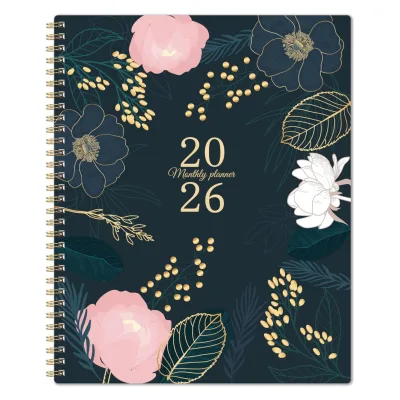
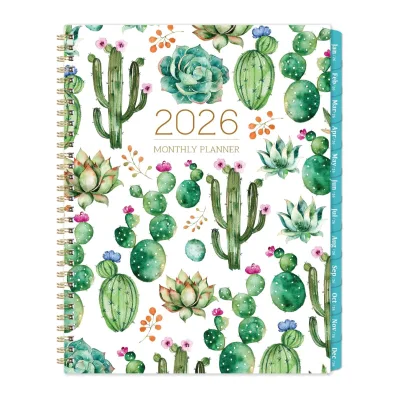
Premium Eco Friendly Monthly Planner with Customizable Notes and Durable Paper Cover
$2.36
MOQ: 1000 Minimum
Guangzhou Honcai Advertising Sign Co., Limited
- Verified by TüVRheinland
- Manufacturer, Trading Company
- Lead time15 days
- Avg. response≤ 5h
Main productsInvitation Card, Gift Box, Wedding Planner, Acrylic Table Sign, Ornament
Main marketsNorth America(26%), Africa(18%), Eastern Europe(12%)

TAIZHOU RONGYI IMPORT AND EXPORT CO., LTD.
- Trading Company
- China Zhejiang
- Lead time15 days
- Avg. response≤ 2h
Main productsNotebook, Diary, Organiser, Certificate Folder, Journal, Greeting Card, Notepad, Sticky Notes
Main marketsSouth America,Southeast Asia/ Mideast,East Asia(Japan/ South Korea),Europe,North America

Weekly Monthly Journal Diary Planner 2026 Calendar with Notepad Schedule
$0.78 - $1.01
MOQ: 500 Pieces

Best Selling 2026 Quality Guaranteed for Office School Weekly & Monthly Planner
$0.88 - $1.58
MOQ: 500 Pieces

Qingdao Chenghaoda Science and Technology Co., Ltd.
- Verified by BV
- Manufacturer/Factory
- China Shandong
- Lead time23 days
- Avg. response≤ 16h
Main productsRFID Card, NFC Card, Pcv Card, RFID Wristbands, RFID Sticker/Tag
Main marketsSouth America,Eastern Europe,Mid East,North America,Southeast Asia,Eastern Asia,Oceania,Western Europe,Africa

2026 Planer Agenda Office Journal Monthly Planner Week Planner A5 Notebook
$0.35 - $2.35
MOQ: 1000 Pieces


Guangzhou Zhongtian Paper Product Co., Ltd.
- Verified by TUVRHEINLAND
- Trading Company,Manufacturer/Factory,Group Corporation
- China Guangdong
- Lead time38 days
- Avg. response≤ 4h
Main productsBible, Book, Children Book, Paper Box, Jigsaw Puzzle, Notebook Printing, Board Game, Calendar, Paper Bags, Seed Paper Cards
Main marketsSouth America,Eastern Europe,Mid East,North America,Southeast Asia,Oceania,Western Europe,Africa

Xiamen Le Young Imp. & Exp. Co., Ltd
- Verified by BV
- Trading Company,Manufacturer/Factory
- China Fujian
- Lead time23 days
- Avg. response≤ 4h
Main productsLeather Folder, Trave Wallet, Leather Notebook, Leather Compendium, Leather Portfolio, Leather Diary, Leather Journal, Hotel Supply, Leather Card Holder, Leather Wallet
Main marketsSouth America,Eastern Europe,Mid East,North America,Southeast Asia,Eastern Asia,Oceania,Western Europe,Africa

Custom Hardcover Agenda 2027 Weekly Monthly Corporate Planner for Employee Gifts
$1.95 - $2.89
MOQ: 200 Pieces

Popular 2026 Calenda Notebook Spiral Journal Agenda Year Planner for Gift
$1.98 - $2.15
MOQ: 300 Pieces

GUANGZHOU MIYI PRINTING CO., LTD
- Verified by BV
- Trading Company,Manufacturer/Factory
- China Guangdong
- Lead time0 days
- Avg. response≤ 9h
Main productsBook Printing, Custom Magazine, Catalog, Paper Bag, Paper Box, Packageing Box, Toy Box, Sticker, Label, School Supplies
Main marketsSouth America,Eastern Europe,Mid East,North America,Southeast Asia,Eastern Asia,Oceania,Western Europe,Africa

Round Color Printing (Shenzhen) Co., Ltd.
- Verified by BV
- Trading Company
- China Guangdong
- Lead time23 days
- Avg. response≤ 10h
Main productsBook Printing, Catalog Printing, Calendar Printing, Notebook Printing
Main marketsEurope,Australia,North America

Planner Custom Printing Custom Planner Printing 2023 Planner Custom Printing
$0.79 - $2.30
MOQ: 500 pieces


Planner Notebook Custom Printing Custom Planner Printing Spiral Bound Hard Cover
$0.79 - $2.30
MOQ: 500 pieces

Tianjin Caile Printing Co., Ltd
- Verified by TUVRHEINLAND
- Trading Company
- China Tianjin
- Lead time60 days
- Avg. response≤ 9h
Main productsPlanner, Journal, Notebook, Calendar, Box, Diary, PU Leather Binder, Pop up Book, First Aid Kit, Gift Set
Main marketsEurope,Australia,North America

Financial Planner Organizer Expense Tracker Notebook Journal Budget Book
$1.98 - $3.99
MOQ: 300 Pieces

Planner 2026-2027 for Yearly Goals Monthly Planning Daily Scheduling and Supports Full Customization
$1.98 - $3.99
MOQ: 300 Pieces
- Verified by TüVRheinland
- Trading Company
- Lead time15 days
- Avg. response≤ 1h
Main productsPromotion Gifts, Planner, Portfolio, File Folder, Card Holder
Main marketsNorth America(45%), Western Europe(40%), Eastern Europe(5%)

Shenzhen Longyin Printing Packing Co., Ltd.
- Verified by SGS
- Trading Company
- China Guangdong
- Lead time15 days
- Avg. response≤ 3h
Main marketsSouth America,Africa,Southeast Asia/ Mideast,East Asia(Japan/ South Korea),Domestic,Europe,Australia,North America
Guangzhou Jinguan Printing Co., Ltd.
- Verified by SGS Group
- Manufacturer, Trading Company
- Lead time15 days
- Avg. response≤ 2h
Main productsBoard Game, Book Printing, Paper Box, Planner, Playing Card
Main marketsNorth America(48%), Oceania(15%), South America(10%)

Shanghai David International Trade Co., Ltd.
- Verified by TUVRHEINLAND
- Combined
- China Shanghai
- Lead time15 days
- Avg. response≤ 8h
Main productsPromotional Gifts, Gift Sets, Tshirts, Hats, Hot Packs, Hot Cold Packs, Ice Packs, Bags, Umbrellas, Water Bottles
Main marketsSouth America,Africa,Southeast Asia/ Mideast,East Asia(Japan/ South Korea),Domestic,Europe,Australia,North America


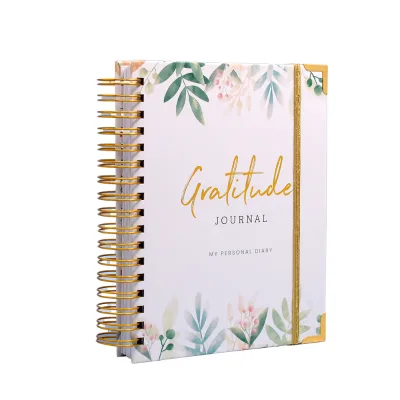
2021 Custom Planners and Notebooks Custom Design
MOQ: 1000 Pieces


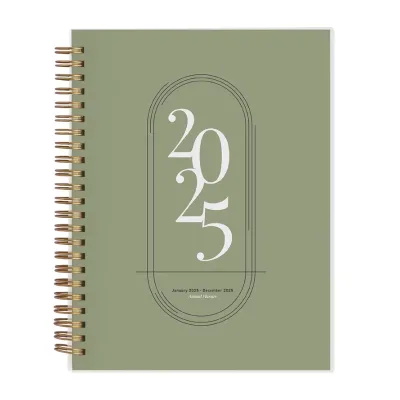


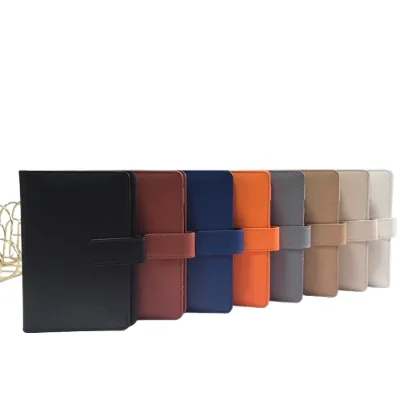
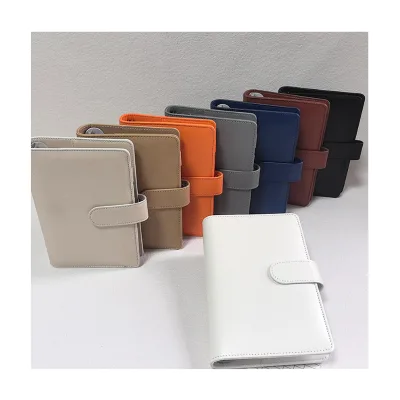


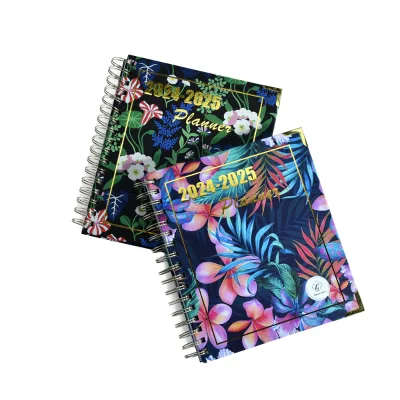
Comprehensive Sourcing Guide
Yearly Planner Supplier Concentration and Factory Types
Current data indicates a concentration of suppliers in China, specifically within the Zhejiang and Guangdong provinces. Fact records show Zhejiang-based entities offering DIY kits, stamps, and wooden crafts alongside planners, while Guangdong suppliers list hardcover books, activity books, and notebooks as primary products. These regions represent distinct manufacturing clusters where the supply chain for paper goods and binding services is established. Buyers should verify if a supplier's stated location matches their actual factory address, as some trading companies may list a different province than their production base. The presence of combined company types suggests a mix of manufacturers and trading firms operating in these areas, which can influence pricing and communication speed.
Factory types vary significantly among the available results, ranging from pure manufacturers to combined entities that function as both producers and distributors. Some suppliers explicitly state ODM and OEM capabilities, indicating they can customize designs and manage production runs for specific client needs. Others operate as trading companies or wholesalers, potentially sourcing from multiple factories to offer a broader catalog of stationery items. When evaluating a supplier, buyers must confirm whether the entity is the actual manufacturer or an intermediary, as this distinction affects lead times and the ability to inspect production quality directly. The main product lists often include diverse categories like stickers, puzzles, and journals, suggesting these suppliers may have flexible production lines capable of handling varied stationery orders.
How to Verify Yearly Planner Suppliers
Verification status is a critical first step in assessing supplier reliability, with some results showing BV or SGS verification badges. These third-party validations provide a baseline of trust regarding the company's business license and operational history, though they do not guarantee product quality on every order. Buyers should look for these specific verification markers in the supplier profile and understand that a lack of visible verification does not automatically disqualify a vendor, but it requires deeper due diligence. It is essential to cross-reference the verification body with the supplier's claimed credentials to ensure the certification is current and relevant to the specific product category being sourced.
Beyond verification badges, buyers must examine the supplier's response time and communication history to gauge their operational efficiency. Data shows response times varying from approximately three hours to nearly ten hours, which can significantly impact the speed of negotiation and order processing. A faster response time often correlates with a more active sales team and better project management capabilities, which are crucial for customizing yearly planners with specific dates or branding. Buyers should also check for system certifications like ISO9001:2015, which indicate a commitment to quality management systems, though the absence of such certificates requires the buyer to request specific quality control protocols before placing an order.
What to Compare Across Yearly Planner Suppliers
When comparing suppliers, lead time is a primary differentiator that affects inventory planning and delivery schedules. Available data points to lead times ranging from fifteen days to twenty days, depending on the supplier's location and current production load. Buyers must clarify whether the quoted lead time includes sample approval, material sourcing, and final shipping, as these variables can extend the timeline unexpectedly. A shorter lead time might be attractive for urgent orders, but it should not come at the expense of quality control or customization accuracy, which are vital for branded planners.
Minimum Order Quantity (MOQ) and pricing structures also vary widely and must be evaluated against the buyer's budget and volume requirements. Some suppliers list an MOQ of fifty units with prices starting around three dollars, while others require five hundred units with prices as low as thirty cents per unit. This disparity suggests that smaller buyers may need to consolidate orders or accept higher per-unit costs, whereas larger buyers can leverage economies of scale to reduce costs significantly. Additionally, customization availability is a key comparison point, as some suppliers offer full customization for models and packaging, while others may only provide limited options for standard items.
Common Yearly Planner Sourcing Risks
One significant risk involves the discrepancy between claimed customization capabilities and actual production capacity. While many suppliers list customization as available, the specific details regarding model numbers, packing methods, and material standards must be confirmed in writing. Some product attributes indicate specific packing like polybags or carton boxes, but buyers should verify if these are standard or if custom packaging incurs additional costs or longer lead times. Relying solely on product keywords without confirming the technical specifications can lead to receiving products that do not meet the intended design or functional requirements.
Another risk is the potential for inconsistent quality across different production batches, especially when dealing with suppliers who offer a wide range of products like books, puzzles, and stationery. The presence of diverse main products suggests that the supplier may not specialize exclusively in planners, which could impact the depth of their expertise in binding and paper quality. Buyers should request physical samples to test durability, binding strength, and print quality before committing to a large order. Without a verified quality standard or specific test results provided in the initial data, the buyer must establish their own quality acceptance criteria to mitigate the risk of receiving substandard goods.
Yearly Planner Regional Sourcing and Logistics
Sourcing from China, particularly from Zhejiang and Guangdong, offers access to a mature supply chain for paper goods and printing services. These regions are known for their logistics infrastructure, which facilitates the efficient movement of heavy items like boxed planners and palletized shipments. However, buyers must account for the specific shipping requirements associated with these regions, such as the need for carton boxes and pallets for bulk orders to prevent damage during transit. The origin location also influences the type of packaging used, with some suppliers utilizing polybags for smaller orders and others opting for more robust carton and pallet solutions for wholesale shipments.
Logistics planning should also consider the sample time, which can vary from two to three days for some suppliers, impacting the overall project timeline. Buyers need to factor in the time required for sample approval, potential revisions, and the subsequent production run when calculating the total delivery date. The use of specific paper types, such as FSC paper, may also affect shipping weight and volume, requiring adjustments to freight calculations. Understanding the regional logistics capabilities helps buyers anticipate potential delays and ensures that the supply chain remains resilient against external disruptions that could affect the timely delivery of yearly planners.
Yearly Planner Commercial Terms and Order Planning
Commercial terms regarding payment and escrow are essential for securing the transaction and protecting the buyer's financial interests. While specific escrow details are not always visible in the initial data, buyers should insist on using secure payment methods that offer protection against non-delivery or quality disputes. The price range observed, from under one dollar to over four dollars per unit, highlights the importance of negotiating clear terms that define what is included in the price, such as printing, binding, and packaging. Buyers must ensure that the final invoice reflects the agreed-upon customization costs and that there are no hidden fees for additional services like hot foil stamping or UV printing.
Order planning requires a clear understanding of the supplier's capacity to handle the requested volume within the specified lead time. With capacities ranging from fifty to five hundred units as minimums, buyers must align their order size with the supplier's production capabilities to avoid delays. The availability of ODM and OEM services allows for tailored solutions, but this requires detailed planning and clear communication of design specifications. Buyers should also consider the sample time and the potential for multiple revision cycles when setting their internal deadlines, ensuring that the final order is placed with enough buffer time to accommodate any unforeseen production challenges.
FAQs
Where are the yearly planners manufactured?
Yearly planners are manufactured in China, specifically in Zhejiang and Guangdong provinces. These regions host suppliers offering various styles including DIY kits, hardcover books, and spiral-bound notebooks for effective scheduling and time management.
What is the minimum order quantity for planners?
Minimum order quantities vary by supplier and product type. Some suppliers require as few as 50 units for specific DIY sets, while others may demand 500 units for wholesale pocket hardcover notebooks or customized paper pads.
How long does it take to receive the order?
Lead times typically range from 15 to 20 days depending on the supplier and customization needs. Some manufacturers offer faster sample times of 2 to 3 days, but full production runs generally require two to three weeks.
Are customization options available for these planners?
Yes, customization is widely available for yearly planners. Buyers can request custom sizes, cover materials like leather or PVC, and specific binding styles. Many suppliers also offer custom printing and design services for promotional use.
What certifications do the suppliers hold?
Certifications vary among suppliers, with some holding ISO9001:2015 certificates for quality management. Other suppliers may not display specific system certifications. Buyers should verify individual supplier credentials before placing large orders for compliance.
What is the price range for yearly planners?
Prices for yearly planners range from approximately 0.30 to 4.00 USD per unit. The cost depends on factors like material quality, binding type, and order volume, with lower prices often associated with higher minimum order quantities.
How quickly do suppliers respond to inquiries?
Supplier response times vary, with some responding within 3 hours and others taking up to 9.94 hours. Faster response times are often associated with suppliers located in Guangdong, while Zhejiang-based suppliers may have slightly longer intervals.