Yarn Dyed Striped Baby Sweatshirt Suppliers and Manufacturers
Compare 26 verified suppliers offering yarn dyed striped baby sweatshirts with details on location, lead times, and MOQ. Review response times and customization options to select the right partner for your order; review the available evidence before requesting comparable quotations from suitable candidates.
Suppliers List
- Verified by SGS Group
- Manufacturer, Trading Company
- Zhejiang, China
- Lead time15 days
- Avg. response≤ 5h
Main productsChildren's Clothing
Main marketsNorth America(85%), Oceania(10%), Africa(5%)
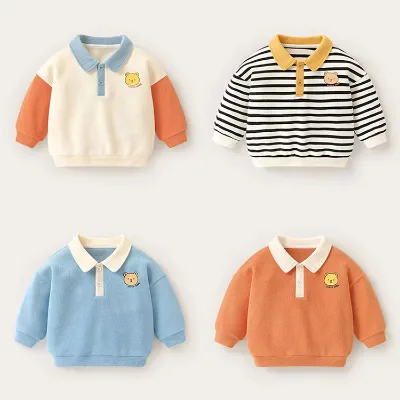
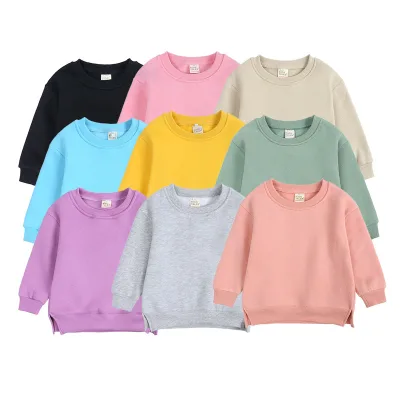
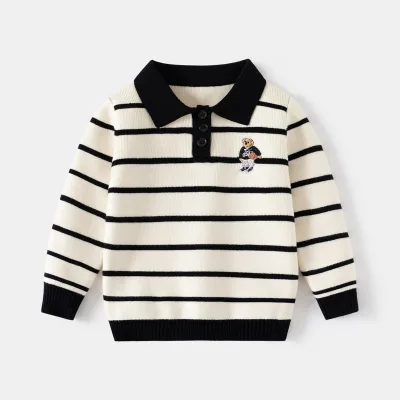
Baby Sweatshirts Striped Solid Color Knit Sweater Hoodie Baby Turn Down Collar Baby Hoodies
$6.41 - $6.51
MOQ: 2 pieces
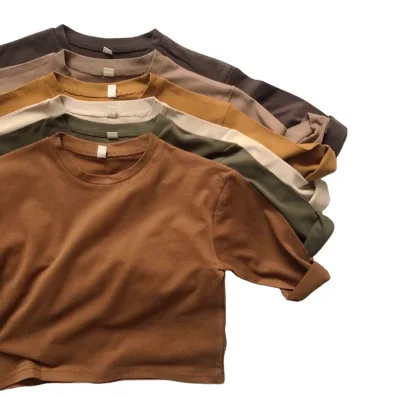
Spring Kids Sweatshirt Wholesale Solid Color Boys Girls Long Sleeve Casual Kids Sweatshirt
$5.00 - $5.70
MOQ: 20 pieces

Shanghai Easun Group Imp & Exp Co., Ltd.
- Verified by BV
- Trading Company
- China Shanghai
- Lead time15 days
- Avg. response≤ 19h
Main productsHoodies, Pajamas, T-Shirt, Bath Robe, Sleepwear, Polo Shirts, Safety Shoes
Main marketsAfrica

Soft Sweatshirts Women Oversized Crop Hoodie Embroidered Hoodie Baby Sweatshirts
$7.00 - $10.00
MOQ: 2000 Pieces


Sweatsuits Kids Baby Hoodies Baby Hoodies&Sweatshirts Baby Sweater Romper
$3.00 - $7.50
MOQ: 300 Pieces


Plus Size Sweatshirt Knitted Sweatshirt Baby Sweater Romper Custom Hooded Sweater
$5.39 - $6.29
MOQ: 500 Pieces

Quanzhou Yilijia International Trade Co., Ltd.
- Verified by CTI
- Trading Company,Manufacturer/Factory
- China Fujian
- Lead time45 days
- Avg. response≤ 4h
Main productsKids Clothes, Baby Clothes, Sports Shoes, Gym Clothes, Baby Accessories, Fitness Equipment, Sport Wear
Main marketsSouth America,Eastern Europe,Mid East,North America,Southeast Asia,Eastern Asia,Oceania,Western Europe,Africa


High Quality Spring Fall Warmth Children Hoodies Kids Baby Boys Long Sleeve Fleece Sweatshirts
$4.00 - $4.40
MOQ: 10 piece


Foshan Faye Clothing Co., Ltd.
- Verified by TüVRheinland
- Trading Company
- Lead time15 days
- Avg. response≤ 2h
Main productsBaby Clothes, Baby Sweater, Knitted Baby Bedding, Baby Hoodies Sweatshirts, Baby Rompers
Main marketsNorth America(40%), Oceania(30%), Northern Europe(20%)
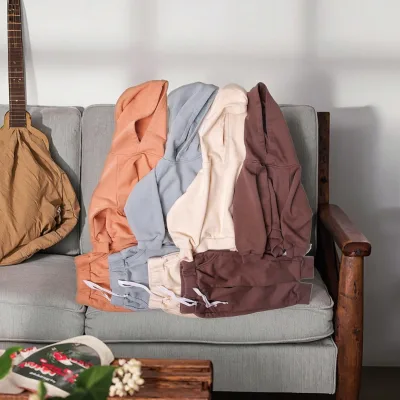
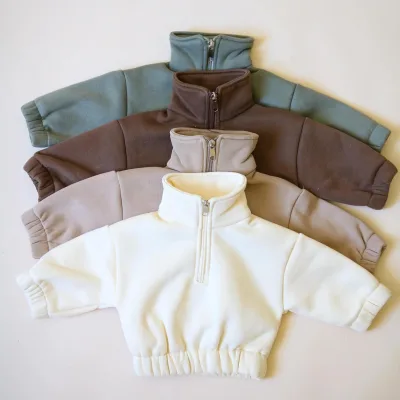
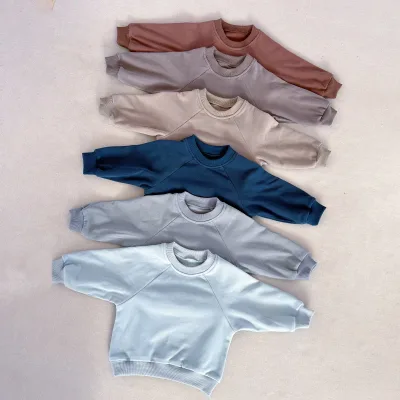
Children's Sweatshirt 2026 Spring and Autumn New Boys Girls Sports Casual All-match Top Baby Tops
$5.39 - $7.42
MOQ: 1 pieces
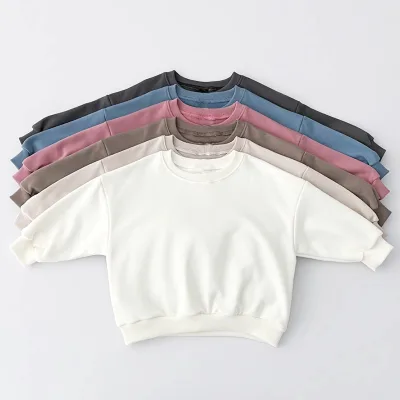

XIAMEN TOPSUN APPAREL CO., LTD.
- Verified by TUVRHEINLAND
- Trading Company,Manufacturer/Factory
- China Fujian
- Lead time60 days
- Avg. response≤ 10h
Main productsJacket, Sport Wear, Swimwear, Workwear, Trouser, Casual Wear, Sweatshirt, T Shirt, Jogging Suit, Yoga Wear
Main marketsSouth America,Eastern Europe,Mid East,North America,Southeast Asia,Eastern Asia,Oceania,Western Europe,Africa


Toddler Girl Sweatshirts, Long Sleeve Tee Baby Long Sleeve Crewneck Cotton Pullover Infant Top
$2.00 - $3.00
MOQ: 1500 PCS

Toddler Kids Sweatshirt Girls Printed Long Sleeve Sweatshirt Custom Sweatshirt Pullover
$4.00 - $5.00
MOQ: 1000 PCS

WEIFANG YIPPEE TEXTILE TECHNOLOGY CO., LTD.
- Trading Company
- China Shandong
- Lead time0 days
- Avg. response≤ 17h
Main productsMuslin Swaddle Blanket, Sweatpants, T-Shirt, Hoodies, Sweatshirt, Shorts, Spunlace Non Woven Fabric, Pajamas, Towels, Blanket

Jiaxing Qijia Imp&Exp Co., Ltd
- Verified by SGS
- Trading Company
- China Zhejiang
- Lead time60 days
- Avg. response≤ 2h
Main productsDress, Blouse, Sweater, Knitwear, Pants, Woven, Pullover, Jumper
Main marketsEurope,North America

Spring New Girls Clothes Cartoon Baby Tops Girls Kids Hoodie Sweatshirts
$7.29 - $7.99
MOQ: 300 Pieces

Girls Hoodies Sweatshirt for Kids Sweet Baby Doll Collar Printed Children's Clothes
$7.29 - $7.99
MOQ: 300 Pieces


Quanzhou Jiafu Textile Co., Ltd
- Trading Company,Manufacturer/Factory
- China Fujian
- Lead time45 days
- Avg. response≤ 8h
Main productsGym Wear, Sports Wear, Sports Bra, Activewear, Yoga Wear, Shorts, Jacket, Winter Jacket, Kids Wear, Yoga Bra
Main marketsSouth America,Eastern Europe,Mid East,North America

Hot Selling Children Girl Baby Casual Wear Winter Pullover Hoodies Sweatshirt
$3.70 - $4.50
MOQ: 10 Pieces

High Quality Spring Fall Warmth Children Hoodies Kids Baby Girl Long Sleeve Fleece Sweatshirts
$3.80 - $4.50
MOQ: 10 Pieces

- Manufacturer, Trading Company
- Lead time旺季: "1 - 300":35,"> 300":"To be negotiated", 淡季: "1 - 300":35,"> 300":"To be negotiated"
- Avg. response≤ 3h
Main productsBaby Romper, Baby Blanket, Baby Pajama Set, Baby Comforter Blanket, Baby Sweatshirt Set
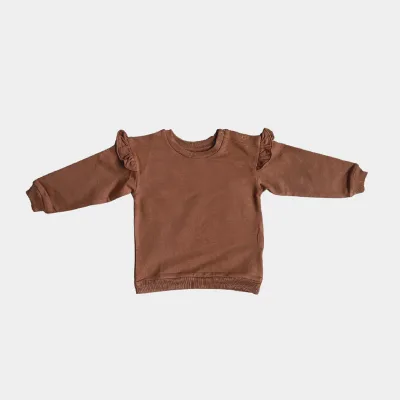
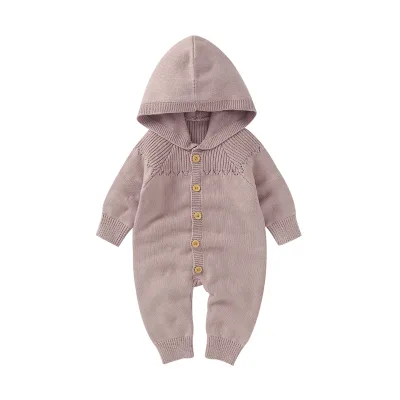
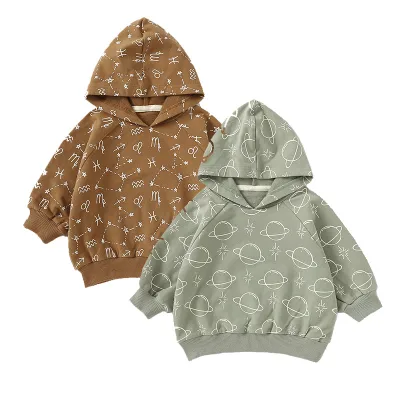
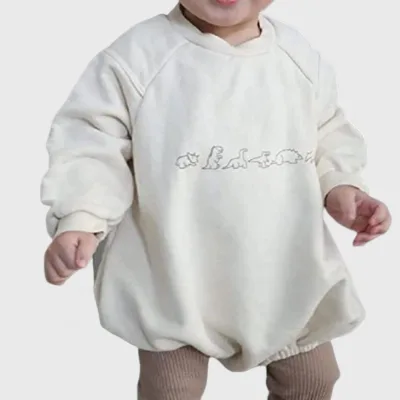
100% Organic Cotton Long Sleeve Baby Oversized Sweater Hoodie Onesies Baby Grow
$10.53 - $11.91
MOQ: 50 pieces
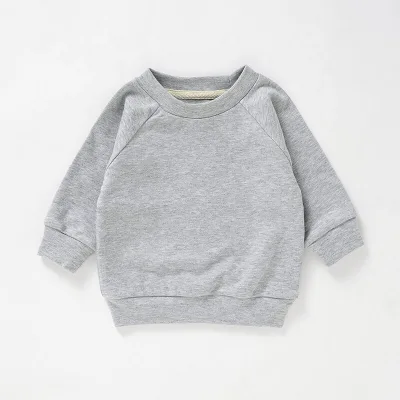
Wholesale Baby Top Raglan Sleeves Long Sleeve Baby T Shirt Solid Baby Sweatershirt
$3.36 - $3.57
MOQ: 200 pieces

- Verified by CTI
- Trading Company
- China Anhui
- Lead time23 days
- Avg. response≤ 1h
Main productsFurniture, Home Furniture
Main marketsSoutheast Asia/ Mideast


Hoodie Winter Clothes Solid Color Long Sleeve Children's Hoodie Sweatshirt
$1.00 - $8.00
MOQ: 100 Pieces


Padded Children's Sweatshirt Solid Color Versatile Casual Children's Tops
$1.00 - $11.00
MOQ: 100 Pieces
Dongguan Jiawanze Apparel Co., Ltd.
- Manufacturer, Trading Company
- Guangdong, China
- Lead time30 days
- Avg. response≤ 4h
Main productsHOODIES & SWEATSHIRTS,T-SHIRT,Sweater,DRESS,Coats
Main marketsNorth America(100.00%)
Huzhou Jinxi Garment Co., Ltd.
- Trading Company
- Zhejiang, China
- Lead time0 days
- Avg. response≤ 20h
Main productsbaby wear,children's wear,traditional clothing
Main marketsNorth America(30.00%), Eastern Europe(20.00%), Southeast Asia(20.00%), Mid East(20.00%), South America(10.00%)
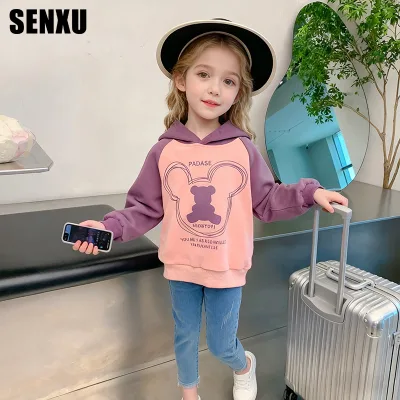
Toddler Girls' Spring Hoodie Sweatshirt with Custom Print and Breathable Design
$7.63 - $9.16
MOQ: 10 pieces

Shanghai Hexuan Baby Products Co., Ltd.
- Verified by SGS
- Trading Company
- China Shanghai
- Lead time15 days
- Avg. response≤ 5h
Main productsBaby Wear Baby Cloth Diaper Bibs Baby Rompers
Main marketsSouth America,Africa,Southeast Asia/ Mideast,East Asia(Japan/ South Korea),Europe,Australia,North America

Baby Boy's Sweatshirt with Cartoon Animal Embroidery for Autumn and Spring Wear, Baby Clothing
$2.10 - $6.80
MOQ: 5 Pieces


Custom Printed Blank Little Baby Boys Kids Crew Neck Sweatshirt Men Cotton and Sweatshirt Boys
$2.30 - $2.80
MOQ: 10 Pieces


Kids 100% Cotton Crew Neck Sweatshirts Wholesale Boys Pullover Sweatshirt
$3.00 - $3.50
MOQ: 10 Pieces
JINZHAI COUNTY BLOSSOM IMPORT&EXPORT TRADING CO.,LTD
- Trading Company
- Anhui, China
- Lead time7 days
- Avg. response≤ 3h
Main productsBaby Clothes,Leotards,Headbands,Rompers,leggings
Main marketsDomestic Market(10.00%), Central America(10.00%), Western Europe(10.00%), Eastern Asia(10.00%), Mid East(10.00%), Africa(10.00%), Southeast Asia(10.00%), Eastern Europe(10.00%), South America(10.00%), North America(10.00%)

Tong Lu Spring River Knitting Group Co., Ltd.
- Verified by BV
- Manufacturer/Factory
- China Zhejiang
- Lead time60 days
- Avg. response≤ 25h
Main productsSweater, Cashmere Cardigan, Cashmere Sweater, Knitwear, Merino Sweater, Knitted Pullover, Kid Sweater, Wool Sweater, Women Sweater, Men Sweater
Main marketsEastern Europe,Mid East,North America,Eastern Asia,Western Europe

- Verified by SGS
- Combined
- China Sichuan
- Lead time15 days
- Avg. response≤ 2h
Main productsCashmere Sweater, Baby Sweater, Wool Sweater, Cotton T Shirt, Organic Cotton Garments, Cashmere Pants, Cashmere Scarf, Baby Knitwear, Baby Blankets, Kids Sweaters
Main marketsEast Asia(Japan/ South Korea),Domestic,Europe,Australia,North America

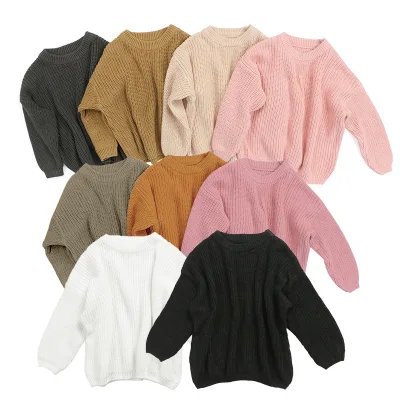
100% Cotton Knitting Sprinkle Cotton Hot Sell Jersey Stitch Baby Sweater Jumper.
$9.00 - $20.00
MOQ: 2 pieces

100% Cotton Knitting Baby Colorful Cardigan Sweater Infant Patchwork Sweater.
$8.00 - $15.00
MOQ: 1 pieces


Baby Girl Sweater Cardigan 100%Cotton Knitted Cardigan with Flowers for Baby Girl
$11.00 - $25.00
MOQ: 2 pieces

Casual Cute Pullover Sweater Infants Toddlers Cotton Striped Patterns Fashionable Clothes
$12.00 - $22.00
MOQ: 2 pieces

100% Cotton Knitted Sweet Baby Cardigan Flower Pattern Infant Kids Sweaters.
$13.00 - $22.00
MOQ: 2 pieces

Guangzhou Knitwinner Garment Company Ltd
- Verified by SGS
- Trading Company
- China Guangdong
- Lead time30 days
- Avg. response≤ 10h
Main productsWomen Sweatshirts, Women Sweater, Man Sweater, Children Sweater, Knit Sweater, Women Dress, Men Sweatshirts, Cardigan, Sweatshirts, Wear
Main marketsSouth America,Southeast Asia/ Mideast,Europe

Spring Summer Baby Toddlers Girls Hollow Knit Sweater Cotton Jacket Long Sleeve Cardigan
$7.35 - $7.55
MOQ: 2 Pieces

$7.50 - $7.60
MOQ: 2 Pieces

Kids Spring Boys Girls Sweater Knitwear Baby Children Striped Hooded Cotton Jumpsuit Rompers
$8.73 - $8.83
MOQ: 2 Pieces

$14.50 - $14.64
MOQ: 2 Sets

Babies Toddlers Fall Sweater Girl Baby Strawberry Embroidery Long Sleeve Knitted Rompers
$8.35 - $8.46
MOQ: 2 Pieces

$7.22 - $7.32
MOQ: 2 Pieces
Zhengzhou Colortex Printing & Dyeing Co., Ltd.
- Verified by SGS Group
- Trading Company
- Lead time30 days
- Avg. response≤ 3h
Main productsBaby Wear and Baby Clothe, Baby Clothing Sets and Baby Dress, Baby Romper and Jumpsuit, Fabric, Bibs and Hat
Main marketsNorth America(30%), South America(10%), Oceania(10%)

NANCHANG LANGMAI CLOTHING CO., LTD.
- Verified by TUVRHEINLAND
- Combined
- China Jiangxi
- Lead time60 days
- Avg. response≤ 12h
Main productsT Shirt, Polo Shirt, Sweatshirt, Track Pants, Shorts, Leggings, Hoody, Tank Top, Children Clothing, Sports Wear
Main marketsDomestic

Infant Toddler Long Sleeve Round Neck Pullover Organic Baby Girl Loose Sweatshirts
$0.70 - $2.49
MOQ: 100 PCS

Custom Logo100% Cotton Kid Baby Children Plain Crewneck Sweatshirt Toddler Boys
$3.46 - $4.09
MOQ: 500 PCS
Quanzhou Xiami Baby Products Co., Ltd.
- Trading Company
- Fujian, China
- Lead time10 days
- Avg. response≤ 8h
Main productsbaby clothes,baby romper,baby pants,baby socks,baby products
Main marketsNorth America(50.00%), Oceania(40.00%), South America(10.00%)

Xiamen Richtex Garments Co., Ltd
- Manufacturer/Factory
- China Fujian
- Lead time45 days
- Avg. response≤ 8h
Main productsSports Wear, Gym Wear, Swimwear, Hoodie, Underwear, Baby Wear, Pajamas, Lingerie, Shape Wear, Outdoor Jacket
Main marketsSouth America,Mid East,North America,Southeast Asia,Eastern Asia,Oceania,Western Europe,Africa


$5.45 - $6.65
MOQ: 1000 Pieces

Shanghai Jingzhi Apparel Co., Ltd.
- Verified by Intertek
- Manufacturer, Trading Company
- Lead time35 days
- Avg. response≤ 5h
Main productsKid Clothes
Main marketsMid East(20%), Africa(15%), North America(10%)
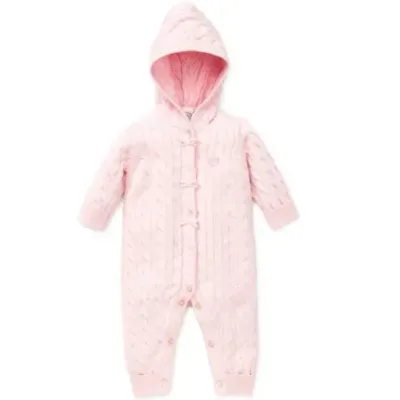
Fashion Newborn Baby Girls Wholesale Baby Pink Worsted Hoodies Sweater Romper
$2.04 - $6.12
MOQ: 5 Minimum


Guangzhou BaiNaJia Garment Co., Ltd
- Verified by SGS
- Manufacturer/Factory
- China Guangdong
- Lead time45 days
- Avg. response≤ 4h
Main productsKnitted Sweater, Women Sweater, Men Sweater, Child Sweater, T-Shirt, Hoodies, Apparel, Custom Sweater, Sweater Products, Fashion Sweater
Main marketsEastern Europe,Mid East,North America

Unique Embroidery Design Red and Blue Striped Crew Neck Knit Kid Boy Sweater
$9.35 - $9.98
MOQ: 200 Pieces


Guangzhou RJ Clothing Co., Ltd.
- Verified by SGS
- Trading Company
- China Guangdong
- Lead time15 days
- Avg. response≤ 2h
Main productsT-Shirt, Sportwears, Hoodie, Men Women Gym Wear, Fitness Wear, Joggers, Shorts, Sports Bra, Leggings, Yoga Wear
Main marketsEurope,North America

Wholesale 2022 Girl Fleece Sweatshirt Custom Printing Boys Kids Baby Hoodie
$4.00 - $10.00
MOQ: 30 Pieces

Fashion Thick Warm Boys Girls Pullover Oversized Plain Baby Hoodies & Sweatshirts
$4.00 - $10.00
MOQ: 30 Pieces

Goldely Garment Import and Export Inc.
- Verified by SGS
- Trading Company
- China Guangdong
- Lead time15 days
- Avg. response≤ 5h
Main marketsNorth America
Zhongshan Shaxi Bon Yip Garment Factory
- Verified by SGS Group
- Manufacturer, Trading Company
- Lead time30 days
- Avg. response≤ 3h
Main productsChildren's T-Shirt, Children's Sweatshirt, Children's Jacket, Children's Trousers, Children's Suits
Main marketsDomestic Market(55%), Southeast Asia(30%), South America(5%)






Comprehensive Sourcing Guide
Yarn Dyed Striped Baby Sweatshirt Supplier Concentration and Factory Types
Current data indicates that verified suppliers for children's clothing are concentrated in Zhejiang, China, with additional trading entities operating out of Shanghai. These regions host a mix of manufacturers and trading companies capable of producing knitwear and hoodies. The available evidence confirms that some suppliers in Zhejiang specialize in light customization, sample processing, and graphic processing, which are essential for creating specific yarn-dyed striped patterns. Buyers should prioritize facilities that explicitly list "Manufacturer" as a company type if they require direct control over the dyeing and knitting processes, as this often ensures better quality consistency for complex fabric designs.
When evaluating the factory types, it is crucial to distinguish between pure manufacturers and trading companies based on their stated capabilities. The observed data shows that some entities offer ODM and OEM services alongside in-stock items, suggesting a hybrid model that may affect lead times and customization flexibility. For a product like a yarn-dyed striped baby sweatshirt, which requires precise color matching and fabric preparation, a supplier with dedicated R&D capacity for customized on-demand production is preferable. Buyers must verify if the supplier's main products include specific baby clothing categories like hoodies and sweatshirts to ensure they have the necessary machinery and expertise for this niche rather than general apparel.
How to Verify Yarn Dyed Striped Baby Sweatshirt Suppliers
Verification of supplier credibility relies heavily on third-party audit reports and specific platform badges rather than self-declared claims. The current results show that some suppliers hold verification from SGS Group, while others are verified by BV, indicating different levels of external scrutiny regarding their business operations and factory conditions. Buyers should request to see the full audit report for any supplier claiming these credentials to confirm that the inspection covered the specific production lines used for baby clothing. It is important to note that verification status does not guarantee product quality for every order, but it serves as a baseline indicator of a legitimate business entity.
Beyond general verification, buyers must assess the supplier's response time and communication reliability as a proxy for their operational stability. The data indicates response times ranging from 5 hours to over 18 hours, which can significantly impact the speed of resolving technical queries about yarn dyeing or stripe alignment. A supplier with a faster response time, such as the 5-hour average observed, may be better equipped to handle urgent sampling requests or last-minute design changes. Additionally, checking if the supplier supports sample orders is critical; some results show a "Not Support" status for 7-day sample orders, which could be a major bottleneck for a buyer needing to validate the yarn-dyed fabric quality before committing to a large production run.
What to Compare Across Yarn Dyed Striped Baby Sweatshirt Suppliers
When comparing potential partners, the primary differentiators are lead times, minimum order quantities, and the specific attributes of their existing product lines. The observed data reveals a wide variance in lead times, with some suppliers offering 15-day turnaround for standard items while others require 30 days or more for mass production. Minimum order quantities also fluctuate significantly, ranging from as low as 2 pieces for in-stock items to 2000 pieces for custom orders. Buyers must align their order volume with these thresholds, understanding that a low MOQ might come with a higher unit price or limited customization options, whereas high-volume orders often unlock better pricing tiers and dedicated production slots.
Product specifications and material composition are equally critical comparison points for ensuring the final garment meets safety and comfort standards. The available evidence lists materials such as 68.8% cotton blends and 100% cotton, with features like anti-shrink, eco-friendly, and windproof properties. Buyers should compare these specific attributes against their brand requirements, noting that some suppliers offer plain dyed fabrics while others specialize in printed or yarn-dyed techniques. It is also necessary to verify the available size ranges, as the data shows sizes from 73cm to 110cm for baby clothing, ensuring the supplier can produce the specific dimensions required for the target age group of 1-4 years.
Common Yarn Dyed Striped Baby Sweatshirt Sourcing Risks
One significant risk involves the discrepancy between advertised customization capabilities and actual production capacity. While some suppliers list ODM and OEM services, others explicitly state they do not support 7-day sample orders, which can delay the validation of complex yarn-dyed patterns. If a supplier claims to offer custom stripes but lacks the specific dyeing equipment or R&D capacity for graphic processing, the final product may fail to match the approved sample. Buyers must carefully review the "Supply Type" attributes to confirm whether the supplier is primarily an in-stock reseller or a true manufacturer capable of handling custom dyeing requests without compromising quality.
Another risk pertains to the consistency of material quality and the reliability of the supply chain for raw materials. The data indicates that some products are made from cotton blends while others are 100% cotton, and the availability of specific colors like beige, orange, or black may vary. If a supplier relies on external fabric mills for their yarn-dyed materials, any disruption in the supply chain could lead to delays or substitutions that alter the fabric's hand feel or color fastness. Buyers should verify the supplier's ability to source consistent raw materials and check if they have established protocols for quality control during the knitting and dyeing phases to prevent defects like uneven stripes or shrinkage.
Yarn Dyed Striped Baby Sweatshirt Regional Sourcing and Logistics
Sourcing from Zhejiang, China, offers access to a dense cluster of textile manufacturers, but logistics planning must account for the specific location of the factory. The observed data places key suppliers in Zhejiang, with some trading companies operating out of Shanghai, which may affect shipping routes and transit times. Buyers should calculate the total landed cost by considering the distance from the factory to the nearest port, as well as the efficiency of the local logistics network. While Zhejiang is a major hub for children's clothing, the specific location of the factory within the province can influence the time required to move goods from the production line to the shipping container.
Logistics also involve understanding the packaging standards and weight constraints that impact freight costs. The product evidence shows single package sizes of 40x30x8 cm and gross weights around 0.300 kg per item, which are useful metrics for calculating container loading efficiency. Buyers must ensure that the supplier's packaging method, such as 1PCS/OPP Bag, meets their destination country's import requirements and protects the garment during transit. Additionally, the lead time for mass production, which can range from 15 to 30 days, must be factored into the overall shipping schedule to ensure timely delivery, especially if the order involves custom dyeing processes that require additional drying and curing time before packing.
Yarn Dyed Striped Baby Sweatshirt Commercial Terms and Order Planning
Commercial terms for these orders often include specific payment methods and sample policies that must be clearly defined before production begins. The data indicates that some suppliers accept payment via TT (Telegraphic Transfer), while others may have different requirements for sample fees or deposit structures. Buyers should clarify whether the supplier offers samples for custom designs and what the associated costs and lead times are, as some results show sample times of 15-20 days. Understanding these terms is vital for budgeting, as the cost of samples and the time required to approve them can significantly impact the overall project timeline and cash flow.
Order planning must also account for the pricing structure and the impact of order volume on unit costs. The observed price ranges vary from approximately $5.00 to $10.00 per piece, depending on the material composition, customization level, and order quantity. Buyers should negotiate based on the specific MOQ requirements, noting that some suppliers have a minimum of 2 pieces while others require 2000 pieces. It is essential to confirm whether the quoted price includes all necessary certifications, such as those for baby clothing safety, and to ensure that the final contract clearly states the delivery terms, including who bears the risk during transit and the penalties for late delivery.
FAQs
What is the minimum order quantity for baby sweatshirts?
The minimum order quantity varies by supplier and product type. Some suppliers offer an MOQ of just 2 pieces for in-stock items, while others require 20 pieces for custom services. Larger manufacturers may set the MOQ at 1000 or 2000 pieces for bulk orders. Buyers should check specific product listings to confirm the exact threshold before placing an order.
How long does it take to receive a sample?
Sample availability depends on the supplier's specific policy. Some manufacturers do not support seven-day sample orders at all. Others indicate a sample time of 15 to 20 days for customized requests. Buyers must verify the sample lead time directly with the supplier to ensure it aligns with their project timeline and requirements.
What materials are used in these baby hoodies?
Materials vary across different product listings. Some items are made from 68.8% cotton blends, while others use 100% cotton fabric. The fabric type is often described as knitted or plain dyed. Buyers should review the specific product attributes to confirm the exact material composition and ensure it meets safety and comfort standards for infants.
Are these suppliers verified for quality assurance?
Yes, several suppliers on the platform undergo third-party verification. Some are verified by SGS Group, while others hold BV verification. This verification helps confirm the supplier's business legitimacy and operational capabilities. Buyers can rely on these badges as an initial indicator of reliability, though further due diligence is always recommended for large orders.
What is the typical response time for inquiries?
Response times differ among suppliers. Some manufacturers respond within 5 hours, indicating high availability. Others may take up to 18.26 hours to reply. Faster response times often suggest better customer service readiness. Buyers should prioritize suppliers with quicker response rates to ensure smooth communication throughout the sourcing and production process.
Can I customize the logo or design on the sweatshirts?
Customization options are widely available. Suppliers offer ODM and OEM services, allowing for logo printing, embroidery, or label customization. Some products support graphic processing and customized on-demand designs. Buyers should confirm the specific customization capabilities and any associated costs or minimum order requirements with the supplier before finalizing the design.
Where are these baby clothing manufacturers located?
Manufacturers are primarily located in Zhejiang, China, and Shanghai, China. These regions are known for their textile and apparel production capabilities. Buyers can filter suppliers by location to consider shipping logistics and lead times. Proximity to ports in these areas often facilitates efficient export processes for international orders.