Medical Education Colon Lesion Model Suppliers and Manufacturers
Compare 20 verified suppliers offering Medical Education Colon Lesion Model products with ISO and CE certifications. Review response times, lead times, and MOQs to select the right partner for your hospital or school needs today; review the available evidence before requesting comparable quotations from suitable candidates.
Suppliers List

SHANGHAI XINYI EDUCATION TECHNOLOGY CO.LTD
- Verified by BV
- Trading Company,Manufacturer/Factory
- China Shanghai
- Lead time15 days
- Avg. response≤ 10h
Main productsMedical Teaching Models, Human Skelton, Education Teaching Models, First Aid Kits, Aed, Electronic Equipments, Anatomical Models, Lab Equipments, Training Model, Human Care
Main marketsSouth America,Eastern Europe,Mid East,North America,Southeast Asia,Eastern Asia,Oceania,Western Europe,Africa

Pediatric Abdominal Puncture Training Model Medical Education Training Model
$10.00 - $350.00
MOQ: 1 Pieces

Skin Structural Lesion Model Anatomical Model Medical Education Training Model
$10.00 - $100.00
MOQ: 1 Pieces

Anatomical Model of The Head (4 parts) Medical Education Training Model
$10.00 - $100.00
MOQ: 1 Pieces


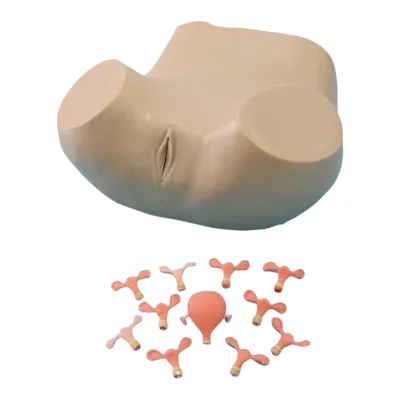
Training Model for Gynecological Comprehensive Examination Medical Education Training Model
$10.00 - $400.00
MOQ: 1 Pieces


Guangzhou Med Equipment Limited
- Combined
- China Guangdong
- Lead time15 days
- Avg. response≤ 4h
Main productsMedical Equipment, Lab Equipment, Hospital Bed, Hospital Equipment, Autoclave, Operation Table, X-ray Machine, Endoscope, Refractometer, Dental Chair
Main marketsDomestic


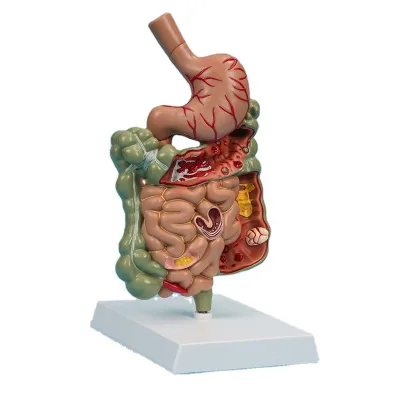
Educational Intestinal Digestive System Medical Anatomical Human Anatomy Model for Teaching
$80.00 - $160.00
MOQ: 1 Pieces

Hangzhou Rightbest Medical Device Limited
- Trading Company
- Zhejiang, China
- Lead time7 days
- Avg. response≤ 2h
Main productsSuction Cupping,vacuum cupping,cupping set,Acupuncture,electro acupuncture
Main marketsNorth America(25.00%), South America(15.00%), Mid East(10.00%), Southern Europe(10.00%), Western Europe(10.00%), Eastern Europe(10.00%), South Asia(5.00%), Oceania(5.00%), Northern Europe(5.00%), Southeast Asia(5.00%)
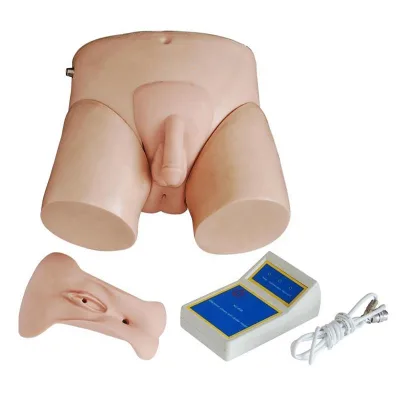
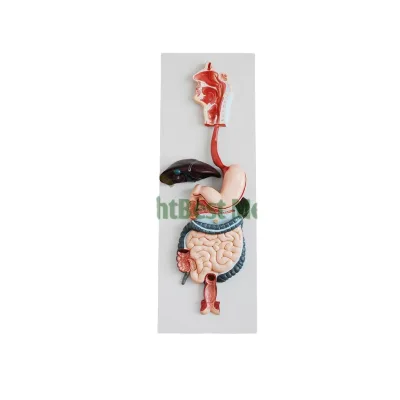
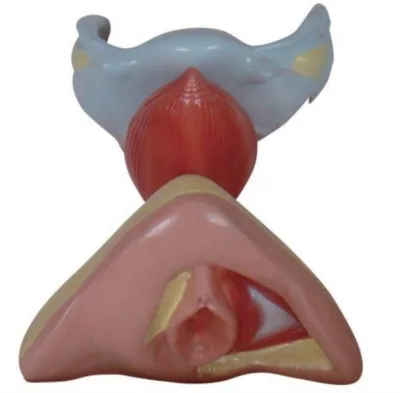
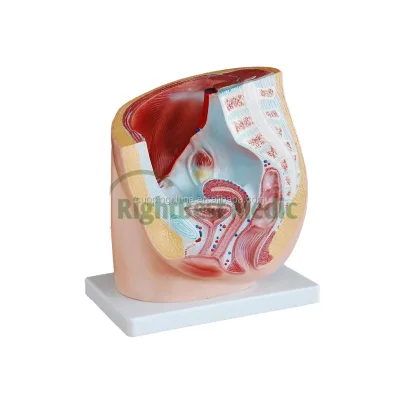
Male Genital Organ Model Anatomy
$32.00 - $34.00
Henan Zhizao Teaching Instrument Co., Ltd.
- Trading Company
- Henan, China
- Lead time10 days
- Avg. response≤ 6h
Main productsteaching models,OMR machine,heating mantle,pigment,lab equipment
Main marketsCentral America(15.00%), North America(15.00%), Mid East(10.00%), Eastern Asia(9.00%), Southeast Asia(8.00%), South Asia(8.00%), South America(8.00%), Western Europe(8.00%), Africa(7.00%), Northern Europe(5.00%), Oceania(3.00%), Eastern Europe(2.00%), Southern Europe(2.00%)
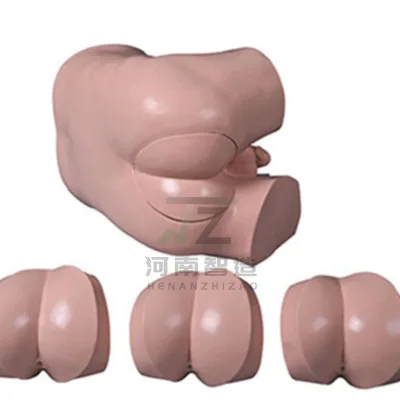
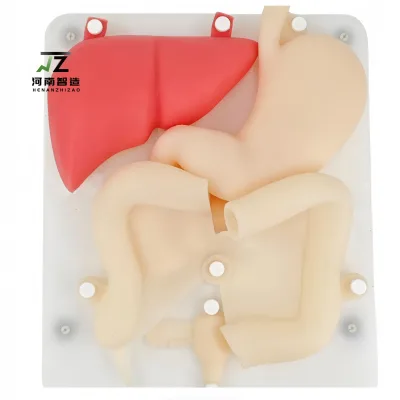
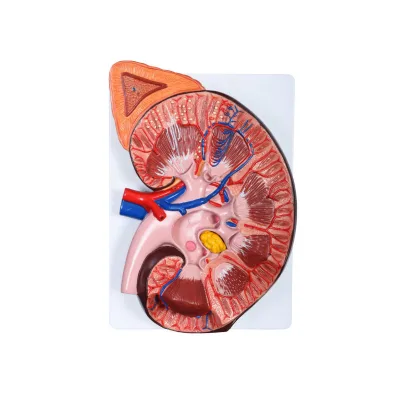
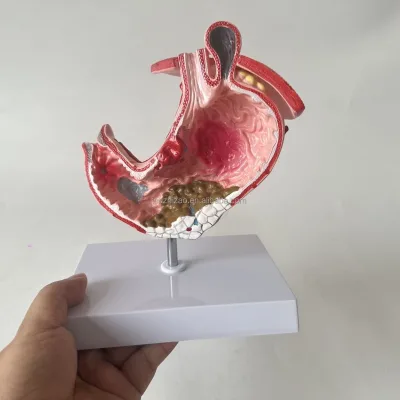
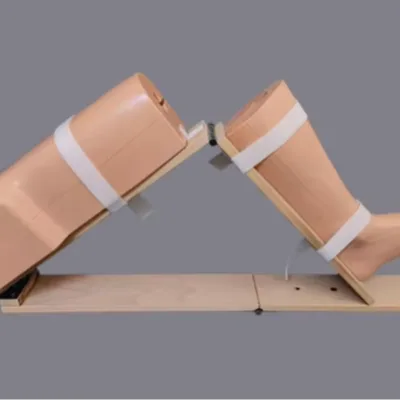
Medical Science Large Stomach Disease Model Stomach Pathology Anatomical Model
$10.20 - $20.40
MOQ: 1 Minimum

Sunny Medical Equipment Limited
- Verified by SGS
- Manufacturer/Factory
- China Guangdong
- Lead time0 days
- Avg. response≤ 9h
Main productsEndoscope Camera, B-Ultrasound Scanner, Laboratory Equipment, ECG, Patient Monitor, Dental Equipment, Dialysis Machine, X-ray Machine, Veterinary Equipment


Medical Science Gynecological Examination Nursing Training Model for Sale
$158.00 - $388.00
MOQ: 1 Pieces


- Trading Company
- China Zhejiang
- Lead time0 days
- Avg. response≤ 8h
Main productsAdditive Manufacturing/3D Printing, Dental Models, Hydration Bladder, Nursing and First Aid Models, Anatomical Model

- Combined
- China Guangdong
- Lead time30 days
- Avg. response≤ 10h
Main productsPharmaceutical Gifts Item, Anatomical Models, First Aid Kits, Medical Plastic Rulers, Medical Disposable Tourniquets, Customized Tissue Boxes, Plastic Pill Boxes Series, Medical Clipboards, Tongue Depressors Series, Medical Penlight
Main marketsSoutheast Asia/ Mideast,Europe,North America


Medical Biological Teaching Ostomy Demonstration kit Model School Anatomy Model
$27.00 - $42.00
MOQ: 1 Sets

Breast Examination Operation Simulator Medical Training Model for Teaching
$40.00 - $60.00
MOQ: 50 Pieces

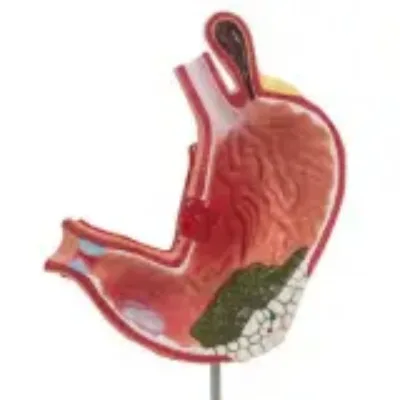
Medical Teaching Pathological Stomach Anatomical Model Human Stomach Gastric Ulcer Model
$12.80 - $16.00
MOQ: 1 Pieces

Henan Green Education Equipment Co., Ltd.
- Trading Company
- Henan, China
- Lead time5 days
- Avg. response≤ 2h
Main productsAnatomical models,Nursing models,Dental models,Specimens,Silicone suture model
Main marketsSouth America(18.00%), Africa(18.00%), North America(10.00%), Southeast Asia(10.00%), Mid East(10.00%), Northern Europe(5.00%), South Asia(5.00%), Western Europe(5.00%), Eastern Asia(5.00%), Eastern Europe(5.00%), Southern Europe(5.00%), Central America(2.00%), Oceania(2.00%)
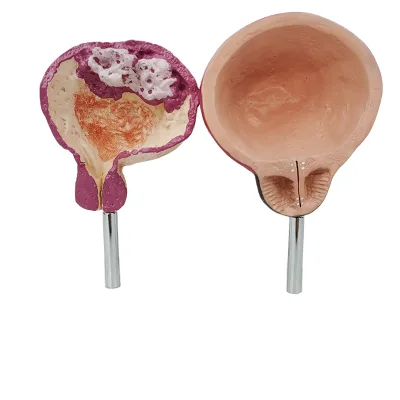
Comparison Model of Healthy Bladder and Pathological Bladder Anatomical Model
$15.30 - $23.46
MOQ: 10 Minimum
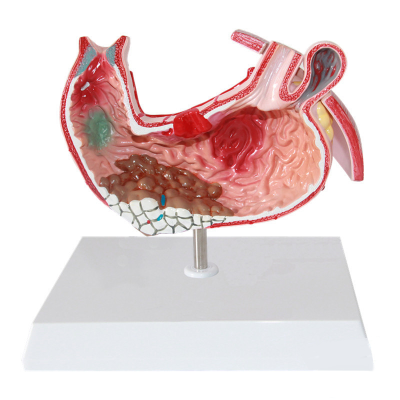
Human Stomach Pathological Section Anatomical Model for Medical School
$21.50 - $39.50
MOQ: 10 Minimum
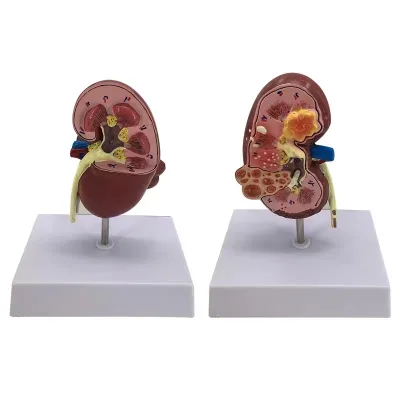
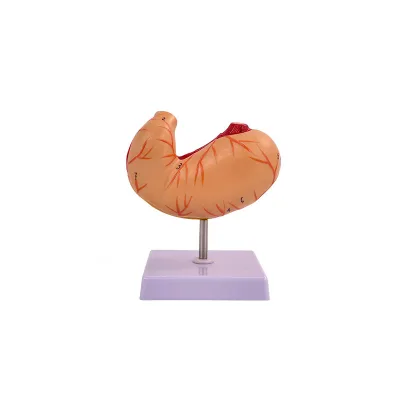
Life Size Detachable Human Stomach Anatomy Model for Doctor-patient Communication
$10.79 - $15.93
MOQ: 10 Minimum
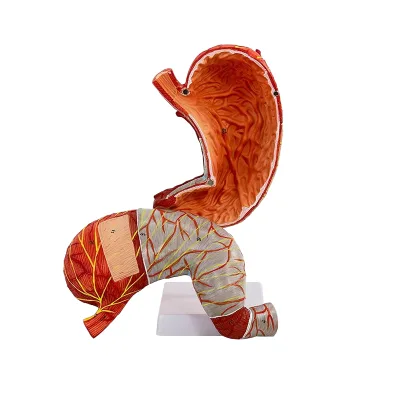
Enlarged Detachable Human Stomach Anatomical Model 2 Parts for Medical Teaching
$25.59 - $37.87
MOQ: 10 Minimum

Guangzhou MeCan Medical Limited
- Verified by CTI
- Combined
- China Guangdong
- Lead time15 days
- Avg. response≤ 4h
Main productsColor Doppler Ultrasound Scanner, Patient Monitor, Medical Fridge, Medical X-ray Machine, X-ray Film Processor, Colonoscope, Hospital Bed, Medical Freezer, Ventilator, Anaesthesia Machine
Main marketsAfrica,Southeast Asia/ Mideast


School Gynecology and Obstetrics Teaching Model Gynecological Training Simulation Model
$500.00 - $5000.00
MOQ: 1 Pieces

Zhangjiagang Deren Scientific Equipment Co., Ltd.
- Manufacturer
- Jiangsu, China
- Lead time20 days
- Avg. response≤ 2h
Main productsAnatomical Model,Dental model,Prepared Microscope Slides,Anatomy Model,Animal Model and Specimen
Main marketsDomestic Market(58.00%), Eastern Asia(6.00%), Mid East(6.00%), Southeast Asia(6.00%), North America(6.00%), South America(6.00%), Eastern Europe(3.00%), South Asia(3.00%), Southern Europe(3.00%), Western Europe(3.00%)

Hai Yang International Limited
- Verified by SGS
- Trading Company,Manufacturer/Factory
- China Zhejiang
- Lead time60 days
- Avg. response≤ 6h
Main productsWooden Toy, Montessori Material, Wooden Educational Toys, Wooden Puzzle, Wooden Blocks, Wooden Train Set, Wooden Nutcrackers, Wooden Crafts, Wooden Dolls, Wooden Chess
Main marketsEastern Europe,Mid East,North America,Southeast Asia,Eastern Asia,Oceania
Henan Yulin Edu. Project Co., Ltd.
- Manufacturer, Trading Company
- Lead time旺季: "1 - 1000":29,"> 1000":"To be negotiated", 淡季: "1 - 1000":29,"> 1000":"To be negotiated"
- Avg. response≤ 2h
Main productsBiological Specimen, Teaching Medical Model, Hospital Furniture, Medical Supplies and Accessories, Laboratory Equipment
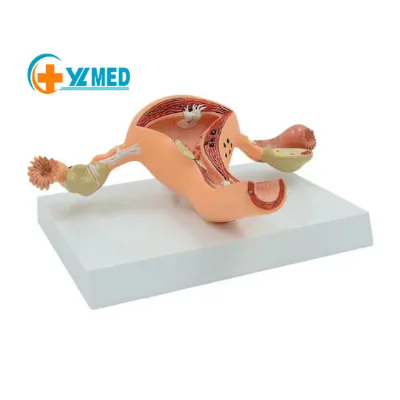
Educational Equipment Female Human Anatomy Uterine Lesion Model PVC Anatomical Model
$12.50 - $16.00
MOQ: 1 pieces
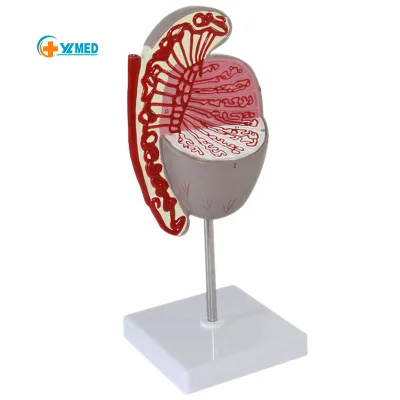
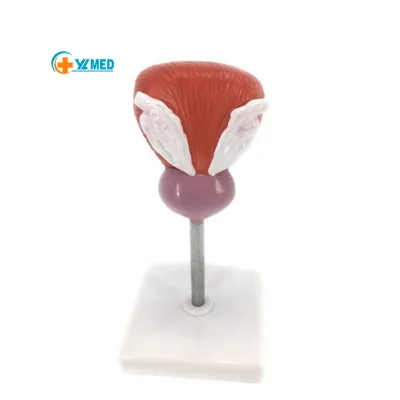
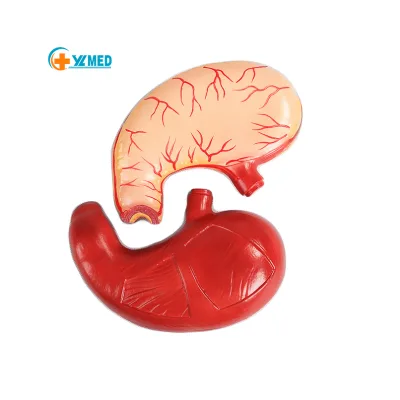
$23.00 - $26.90
MOQ: 1 pieces
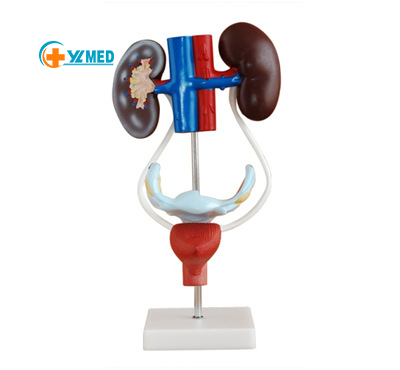
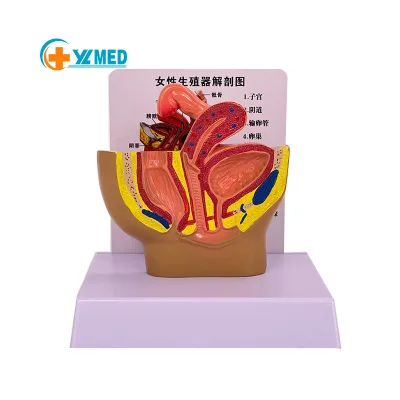
Advanced Genitourinary Human Anatomical Model for Medical Science Female Urinary System Model
$16.30 - $17.60
MOQ: 1 pieces
Guangzhou Happycare Medical Equipment Co., Ltd.
- Trading Company
- Lead time旺季: "1 - 5":35,"> 5":"To be negotiated", 淡季: "1 - 5":35,"> 5":"To be negotiated"
- Avg. response≤ 3h
Main productsChemistry Analyzer, Hematology Analyzer, Ultrasound Scanner, Dental X Ray, X Ray Machine
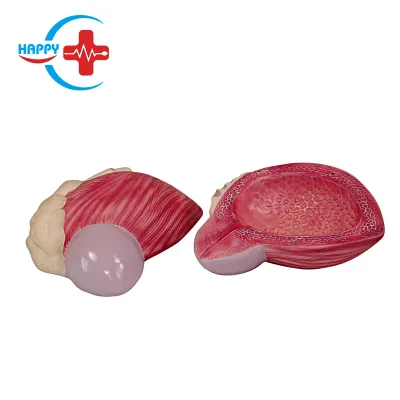
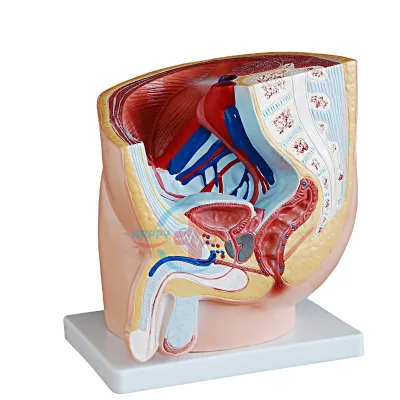
HC-S267 Medical Urology Department Bladder Enlargement Model Teaching Model
$22.67 - $26.79
MOQ: 1 Minimum

Yiwu Qinghua Sports & Cultural Supplies Store
- Verified by SGS
- Trading Company
- China Zhejiang
- Lead time23 days
- Avg. response≤ 1h
Main productsTeaching Models Teaching Aids Human Skeleto, Teaching Model, Human Body Teaching Model, Scientific and Educational Instruments
Main marketsSoutheast Asia/ Mideast,Domestic

Human Male Pelvis Anatomical Model for Medical Education Educational Equipment
$20.90 - $23.00
MOQ: 50 Pieces

Premium Medical PVC Female Pelvis Anatomy Model for Education Educational Equipment
$16.00 - $19.00
MOQ: 50 Pieces

High-Detail Female Pelvis Anatomy Model for Medical Education Educational Equipment
$16.90 - $19.00
MOQ: 50 Pieces

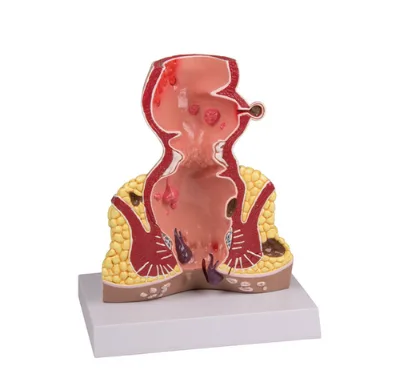
Anatomical Hemorrhoid Disease Model for Medical Training and Education Educational Equipment
$11.80 - $12.90
MOQ: 50 Pieces

Human Body Digestive System Anatomical Model Digestive Tract Organ Teaching Model
$35.50 - $35.90
MOQ: 50 Pieces

Detailed Intestinal Villi Educational Model for Human Anatomy Educational Equipment
$16.00 - $20.00
MOQ: 50 Pieces

Ningbo Cbmtec Medical Equipment Co., Ltd.
- Verified by BV
- Manufacturer/Factory
- China Zhejiang
- Lead time45 days
- Avg. response≤ 6h
Main productsPatient Monitor, Ventilator, Patient Lift, Anesthesia Machine, Ultrasound Scanner, Gas Cylinder, Oxygen Concentrator, Pulse Oximeter, Oxygen Regulator
Main marketsSouth America,Eastern Europe,Mid East,North America,Southeast Asia,Eastern Asia,Oceania,Western Europe,Africa


Advanced Women′ S Model Medical Teaching Obstetrics and Gynecology Model
$400.00 - $800.00
MOQ: 1 Pieces

Luoyang Bomn Supply Chain Co., Ltd.
- Trading Company
- Henan, China
- Lead time30 days
- Avg. response≤ 2h
Main productsmedical teaching model,medical model,CPR Manikin,CPR human model,skeleton
Main marketsNorthern Europe(20.00%), Central America(20.00%), Eastern Europe(20.00%), South America(20.00%), North America(20.00%)
$18.42 - $25.59
MOQ: 1 Minimum

GUANGZHOU ICLEAR HEALTHCARE LIMITED
- Verified by SGS
- Trading Company,Manufacturer/Factory
- China Guangdong
- Lead time15 days
- Avg. response≤ 13h
Main productsMedical Imaging Equipment, Ivd Products Supplies, Ent Products, Laboratory Equipment, Chinese Traditional Medicine Treatment Equipment, Hospital Comsumbles, Medical Equipment, Healthcare Products, Surgical Equipment and Instruments, Veterinary Products
Main marketsSouth America,Eastern Europe,Mid East,North America,Southeast Asia,Eastern Asia,Oceania,Western Europe,Africa


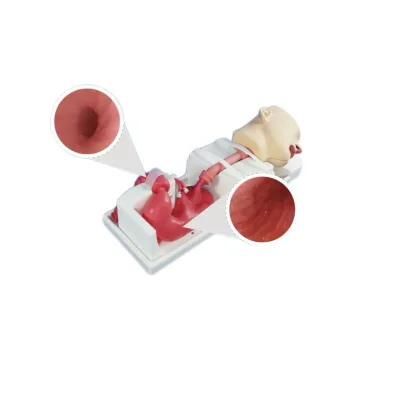
High-Fidelity Stomach Endoscopy Training Model for Gastroscope Training
$300.00 - $400.00
MOQ: 1 Pieces
Zhangjiagang Kexin Scientific Equipment Co., Ltd.
- Manufacturer
- Jiangsu, China
- Lead time20 days
- Avg. response≤ 3h
Main productsHuman Anatomical Model/Skeleton Model/Biological Model/Geographic Model/Medical Model/Manikin
Main marketsOceania(10.00%), Domestic Market(10.00%), Western Europe(10.00%), Eastern Asia(10.00%), Mid East(10.00%), North America(10.00%), Africa(5.00%), South Asia(5.00%), Southern Europe(5.00%), Northern Europe(5.00%), Central America(5.00%), Southeast Asia(5.00%), Eastern Europe(5.00%), South America(5.00%)

Jiangsu Jinlu Group Medical Device Co., Ltd.
- Verified by TUVRHEINLAND
- Combined
- China Jiangsu
- Lead time15 days
- Avg. response≤ 8h
Main productsOrthopedic Implants, Interlocking Nails, Spine Pedical Screws, Locking Plates, Truma Bone Plates Screws, External Fixtors, Maxillo-Facia Plates, Surgical Instruments, Hip and Knee Prothesis, Cannulated Screws
Main marketsSouth America,Africa,Southeast Asia/ Mideast,Europe,North America

High Reproduction and Accuracy Medical Teaching Models Model of Female Urinary System
$26.00 - $26.93
MOQ: 1 Pieces


LG IMPORT AND EXPORT CORPORATION
- Manufacturer/Factory
- China Jiangsu
- Lead time23 days
- Avg. response≤ 3h
Main productsMedical Equipment, Disposable Medical, Medical, Hospital Equipment, Disposable Medical Supplies, Hospital Bed, Medical Consumable, Ultrasound Scanner, Stretcher, Infant Incubator
Main marketsSouth America,Eastern Europe,Mid East,North America,Southeast Asia,Eastern Asia,Oceania,Western Europe,Africa




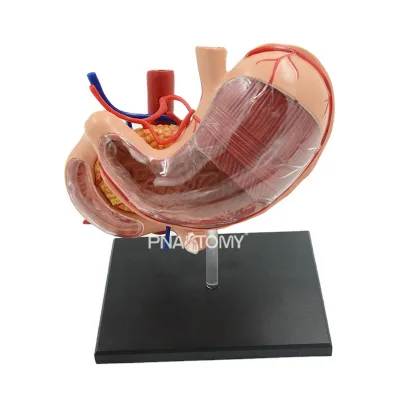
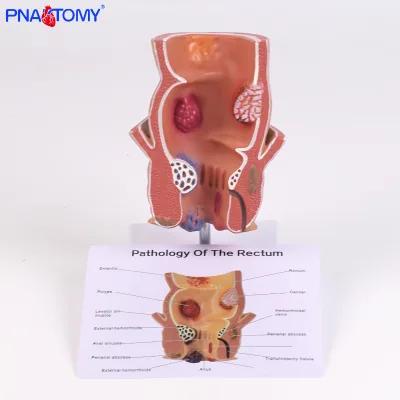
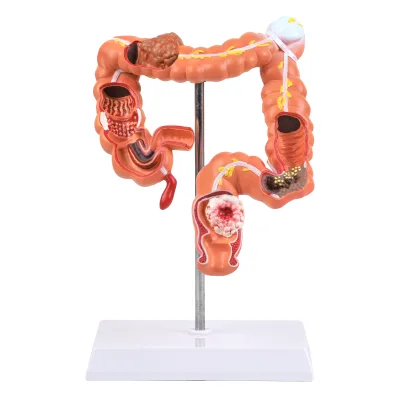
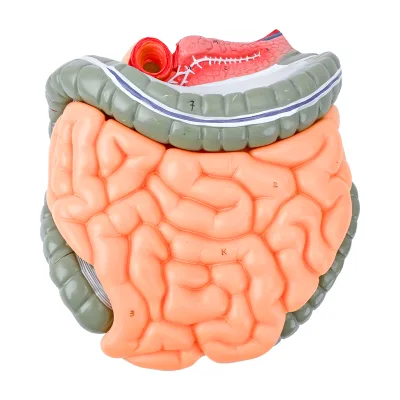


Comprehensive Sourcing Guide
Medical Education Colon Lesion Model Supplier Concentration and Factory Types
Current data indicates that suppliers offering medical education colon lesion models are concentrated in specific Chinese manufacturing hubs, with Shanghai and Guangdong emerging as primary locations for this category. Fact records show a mix of company types, including Trading Companies and Manufacturers or Factories, alongside Combined entities that may offer broader capabilities. In Shanghai, the supplier base often includes entities specializing in anatomical models, teaching resources, and laboratory equipment, while Guangdong-based suppliers frequently list medical equipment, hospital beds, and surgical tools as their main products. This geographic clustering suggests that buyers can expect a high density of vendors in these regions, though the specific concentration for colon lesion models specifically depends on the individual supplier's product portfolio.
When evaluating factory types, buyers should note that some suppliers operate as Trading Companies, which may source products from various manufacturers, while others are direct Manufacturers or Factories capable of OEM and ODM services. The observed data reveals that some entities possess their own brands and offer customization, whereas others focus on standard models. For instance, certain suppliers in the results list capabilities for both OEM and ODM, indicating a flexible production environment. However, not every supplier will have the same capacity; some may only offer non-customized items, while others explicitly state that customization is available. Buyers must verify the specific factory type for each vendor to ensure they align with their procurement strategy, whether that involves direct manufacturing relationships or trading partnerships.
How to Verify Medical Education Colon Lesion Model Suppliers
Verification of suppliers for medical education colon lesion models requires a rigorous check of their business credentials and operational history. The available data highlights that some suppliers hold BV verification status, which serves as a third-party confirmation of their business existence and basic operational stability. Additionally, system certifications such as ISO 9001 and QC 080000 are present in the records for certain vendors, indicating adherence to quality management standards. Buyers should prioritize suppliers who display these specific certifications, as they provide evidence of a structured quality control process. However, the absence of these certifications in the current data does not definitively disqualify a supplier, but it necessitates a deeper inquiry into their internal quality assurance protocols before proceeding.
Beyond certifications, buyers must assess the responsiveness and reliability of the supplier through their communication metrics. The observed response times vary, with some suppliers showing a response time of 9.01 hours and others as fast as 3.50 hours. A faster response time often correlates with better customer service and operational efficiency, which is critical when sourcing specialized medical training equipment. Furthermore, the verification status of the supplier, such as BV verification, should be cross-referenced with their product evidence to ensure consistency. Buyers should request proof of these certifications and verification badges directly from the supplier, as relying solely on platform data may not reflect the most current status. Confirming these details ensures that the supplier is legitimate and capable of delivering the required medical education models.
What to Compare Across Medical Education Colon Lesion Model Suppliers
When comparing suppliers for medical education colon lesion models, buyers should focus on key operational dimensions such as lead time, minimum order quantity (MOQ), and response speed. The data shows that lead times can vary, with some suppliers indicating a standard delivery window of 15 days, while others offer faster turnaround times of 7 to 10 days for specific models. MOQs also differ, with some suppliers accepting orders as low as one piece, which is beneficial for small-scale educational institutions or pilot programs. Buyers must carefully review these parameters for each potential supplier, as a lower MOQ might come with a higher unit price, while a longer lead time could impact project timelines. Comparing these factors helps in selecting a supplier that aligns with the buyer's specific budget and scheduling needs.
Another critical comparison point is the range of main products and the customization capabilities offered by each supplier. The observed product lists include a wide array of medical teaching models, from anatomical models to first aid kits, indicating that some suppliers have a broad inventory. However, buyers should verify if the specific colon lesion model is a core product or a secondary offering. Customization options are also a significant differentiator; some suppliers explicitly state that customization is available, while others list their products as non-customized. Additionally, the material composition, such as PVC, and the certification status, like CE or ISO, should be compared to ensure the models meet the required safety and educational standards. By systematically evaluating these attributes, buyers can identify the most suitable supplier for their specific requirements.
Common Medical Education Colon Lesion Model Sourcing Risks
One of the primary risks in sourcing medical education colon lesion models is the potential mismatch between the supplier's claimed capabilities and their actual production capacity. While some suppliers list OEM and ODM services, others may only offer standard, non-customized products. This discrepancy can lead to delays or the inability to meet specific educational requirements, such as unique anatomical features or specific material specifications. Buyers must verify the supplier's actual capacity to produce the requested model, rather than relying solely on their general product descriptions. Additionally, the variation in response times, ranging from 3.50 to 9.01 hours, suggests that communication delays could occur, potentially affecting the speed of order processing and issue resolution.
Another significant risk involves the consistency of product quality and certification compliance. Although some suppliers display certifications like ISO 9001 and QC 080000, the absence of these credentials in the data for other suppliers raises questions about their quality control processes. Buyers should be cautious of suppliers who do not provide clear evidence of their certifications or who offer products with ambiguous material compositions. The risk of receiving substandard models that do not meet educational or safety standards is real, especially if the supplier lacks a robust verification process. To mitigate this, buyers should request detailed product specifications, material safety data sheets, and proof of certification before finalizing any order. Ensuring that the supplier can consistently deliver high-quality, certified products is essential for maintaining the integrity of medical education programs.
Medical Education Colon Lesion Model Regional Sourcing and Logistics
Regional sourcing for medical education colon lesion models is heavily influenced by the geographic location of the suppliers, with Shanghai and Guangdong being the primary hubs identified in the data. Suppliers in Shanghai often specialize in medical teaching models and anatomical equipment, while those in Guangdong may focus on a broader range of medical devices and hospital equipment. This regional concentration affects logistics, as shipping from these locations typically involves sea, air, or express freight options. Buyers should consider the shipping methods available, such as sea freight for cost efficiency or air freight for urgency, and how these options impact the overall delivery timeline. The origin of the products, whether from Shanghai or Guangzhou, also influences the customs and import procedures that buyers must navigate.
Logistics planning must also account for the packaging and handling requirements of the medical models. The data indicates that products are often packed in paper cartons or standard export packages, which are designed to protect the models during transit. However, the specific packaging standards may vary between suppliers, and buyers should confirm the packaging details to ensure the models arrive in good condition. Additionally, the delivery times, which range from 7 to 15 days, should be factored into the logistics plan to avoid delays in the educational program. Buyers should also consider the potential for customs clearance delays, especially when importing from China, and plan accordingly to ensure timely delivery. By understanding the regional logistics landscape, buyers can better manage their supply chain and minimize the risk of disruptions.
Medical Education Colon Lesion Model Commercial Terms and Order Planning
Commercial terms for medical education colon lesion models vary significantly across suppliers, with price ranges and payment conditions being key factors in order planning. The observed data shows a wide price spectrum, with some models priced as low as $10 and others reaching up to $400, depending on the complexity and features of the model. Buyers must carefully evaluate these price points against their budget and the specific requirements of their educational program. Additionally, the minimum order quantity (MOQ) can range from one piece to larger quantities, influencing the total cost and inventory management strategy. Buyers should negotiate terms that align with their financial constraints and operational needs, ensuring that the pricing structure is transparent and fair.
Order planning also requires a clear understanding of the delivery and customization terms offered by the supplier. While some suppliers offer customization services, others may only provide standard models, which can impact the timeline and cost of the order. The delivery times, ranging from 7 to 15 days, should be integrated into the overall project schedule to ensure that the models are available when needed. Buyers should also consider the shipping methods and associated costs, as these can affect the total expenditure. Furthermore, the availability of escrow services or other payment protections should be verified to safeguard the transaction. By thoroughly reviewing and planning for these commercial terms, buyers can ensure a smooth and successful procurement process for their medical education colon lesion models.
FAQs
What is the price range for medical education colon lesion models?
Prices for medical education models typically range from $10 to $400 per unit. Specific lesion training models may cost around $136, while general anatomical models start at $10. Buyers should verify exact pricing based on the specific model type and customization requirements before placing an order.
What certifications do these medical training models carry?
Most medical education models are certified with CE and ISO standards. Some specific anatomical models also hold ISO 9001 and QC 080000 system certifications. These certifications ensure the products meet international quality and safety standards for use in hospitals, schools, and medical training facilities.
What is the minimum order quantity for these models?
The minimum order quantity is generally one piece for most medical education models. Suppliers often allow single-unit purchases for testing or small-scale training needs. This low MOQ makes it easier for educational institutions to acquire specific anatomical models without committing to large bulk orders.
How long does delivery take for these medical models?
Standard delivery times are typically 10 days, though some specialized models may ship within 7 days. General supplier lead times can extend up to 15 days depending on production schedules. Buyers should confirm specific delivery windows with the supplier to ensure timely arrival for their training programs.
Are these models customizable for specific training needs?
Customization is available for many medical education models, allowing for specific anatomical features or branding. Some models are non-customized by default, but suppliers offer OEM and ODM services. Buyers can request custom packaging or specific model variations to better suit their educational or clinical training requirements.
Where are these medical education models manufactured?
These models are primarily manufactured in China, with production facilities located in Shanghai and Guangdong. Suppliers in these regions offer a wide range of anatomical and training models. Buyers can expect products to originate from these Chinese manufacturing hubs, ensuring access to a broad selection of medical education tools.