Yangjiang Sewing Scissors Suppliers and Manufacturers
Source 22 verified suppliers for Yangjiang Sewing Scissors. Compare ISO certifications, stainless steel blade materials, MOQs, and lead times. Review product specs and request quotes to streamline your procurement process; review the available evidence before requesting comparable quotations from suitable candidates.
Suppliers List

Ningbo Yuena Import & Export Co., Ltd.
- Verified by TUVRHEINLAND
- Trading Company
- China Zhejiang
- Lead time23 days
- Avg. response≤ 3h
Main productsLace, Thread, Button, Ribbon, Zipper, Tailors Materials, Fabric, Reflective Materials, Sewing Machine Part, Bra Parts
Main marketsSouth America,Africa,Southeast Asia/ Mideast,Europe,North America

- Verified by BV
- Trading Company,Manufacturer/Factory
- China Zhejiang
- Lead time23 days
- Avg. response≤ 6h
Main productsGarment Accessories, Zipper, Button, Lace Trim, Metal Zipper, Nylon Zipper, Plastic Zipper, Metal Button, Snap Button, Cotton Lace
Main marketsNorth America,Africa

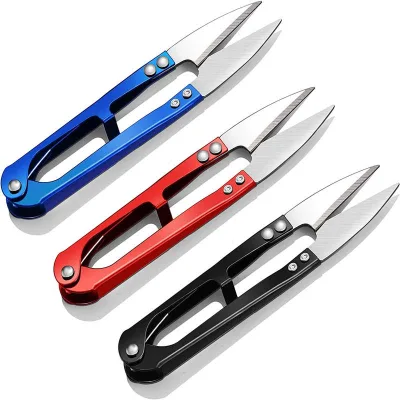
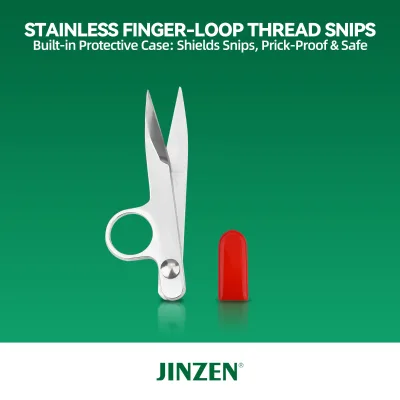
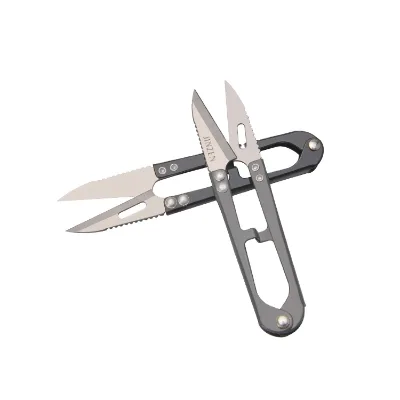
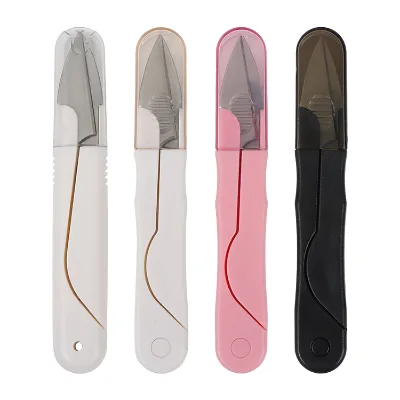
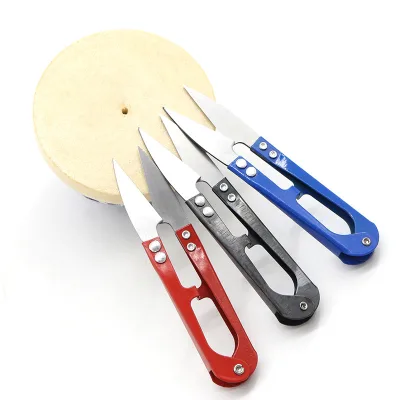
Embroidery Thrum Yarn Fishing Thread Beading Sewing Cutter U Sewing Scissors Clippers Yarn Scissors
$0.12 - $0.19
MOQ: 300 Pieces


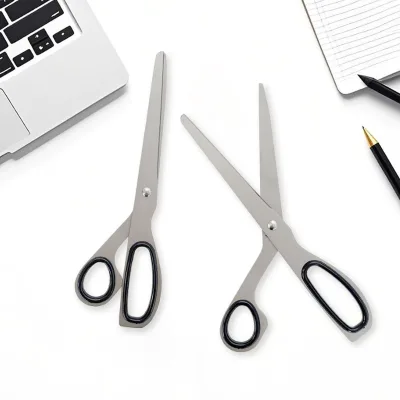
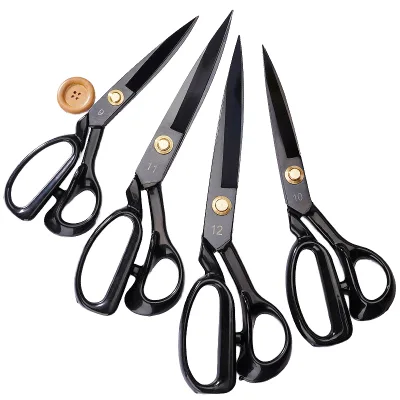
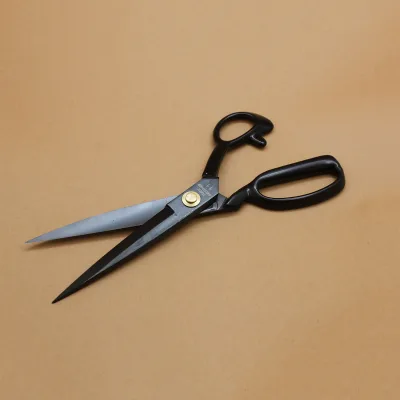
Professional Heavy Duty Tailoring Scissors Stainless Steel Sewing Fabric Scissors Office Scissors
$1.99 - $3.21
MOQ: 300 Pieces

$1.99 - $3.21
MOQ: 300 Pieces

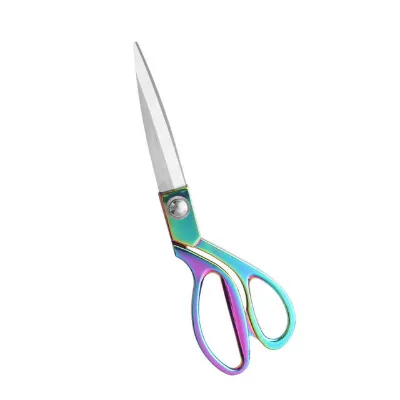
Sewing Tailor Scissors for Cloth Cutting Fabric Scissors Stainless Steel Household Scissors Tailor's
$1.99 - $3.21
MOQ: 300 Pieces

$2.10 - $2.90
MOQ: 300 Pieces
- Manufacturer
- Taiwan, China
- Lead time60 days
- Avg. response≤ 6h
Main productsBarber Scissor,Hair Scissor,Pet Shear,Pet Rake,Craft Scissor
Main marketsNorth America(80.00%), Western Europe(18.00%), Southern Europe(2.00%)
Ningbo New Swell Import&Export Co., Ltd.
- Verified by Intertek
- Trading Company
- Lead time7 days
- Avg. response≤ 3h
Main productsLace Trim, Ribbon, Sewing Accessories, Sewing Thread, Zipper
Main marketsMid East(50%), South America(20%), Southeast Asia(20%)
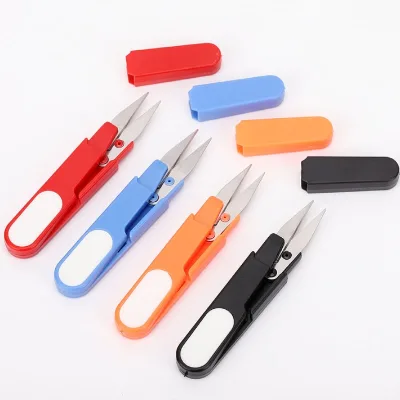
Multicolor Sewing Scissors U Shape Scissors Sewing Embroidery Metal Scissors for Needlework Fabric
$0.15 - $0.20
MOQ: 1000 pieces
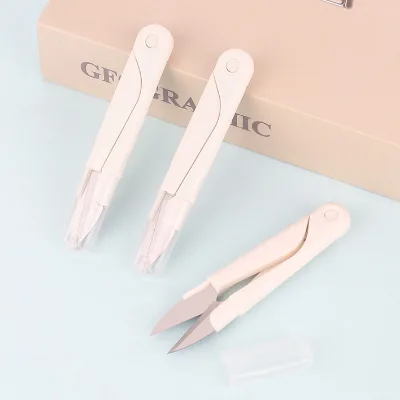
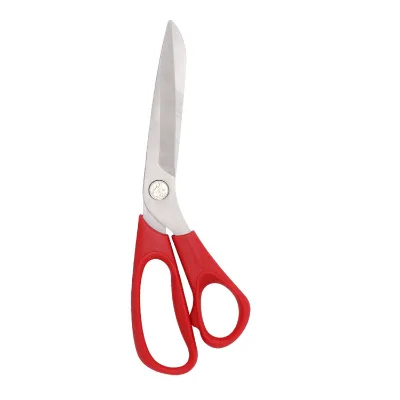
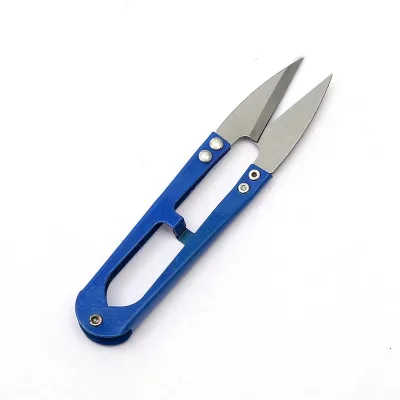
Hot Sale Sewing Tailor Scissors U Shaped Embroidery Cutter Embroidery Scissor
$0.09 - $0.15
MOQ: 1440 pieces
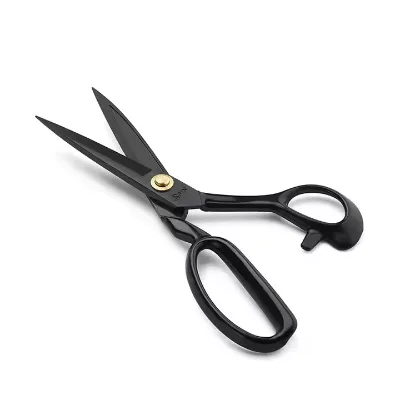

- Verified by CTI
- Trading Company
- China Zhejiang
- Lead time15 days
- Avg. response≤ 8h
Main productsJewelry, Brooch, Belt, Necklace, Agent, Bracelet, China Trim, China Ring, China Hair Accessory, China Earring
Main marketsSouth America


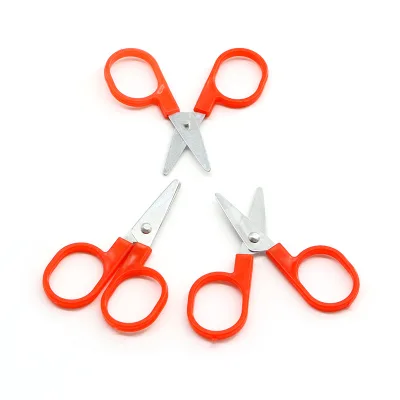
3.6 Inch Embroidery Small Sewing Scissors Stainless Steel Sharp Tip Scissors
$1.80 - $2.10
MOQ: 100 Pieces
Jinhua Jinxiang Trading Co., Ltd.
- Trading Company
- Zhejiang, China
- Lead time15 days
- Avg. response≤ 2h
Main productsHome Handmade Sewing Accessories
Main marketsNorth America(35.00%), Southeast Asia(15.00%), Domestic Market(10.00%), Western Europe(10.00%), South America(10.00%), Eastern Europe(10.00%), Southern Europe(5.00%), South Asia(5.00%)
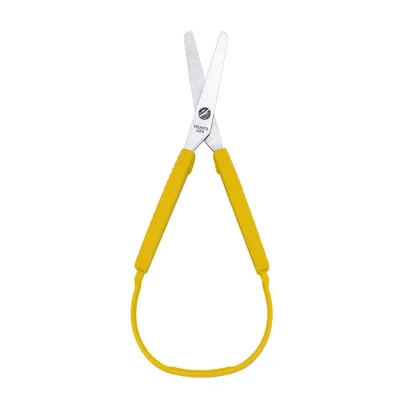
$0.31 - $0.43
MOQ: 100 pieces
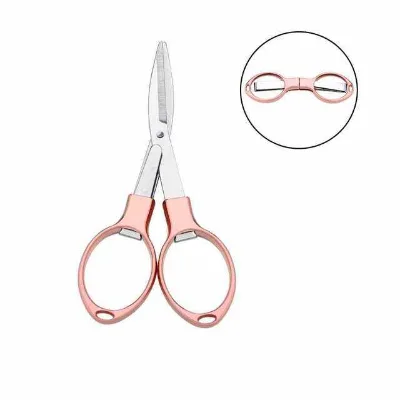
Popular Portable Folding Scissors for Needlework Steel Handmade Cross Stitch
$0.34 - $0.55
MOQ: 5 sets
Chaozhou Fromoce Trading Company Limited
- Trading Company
- Guangdong, China
- Lead time10 days
- Avg. response≤ 4h
Main productshardware tools,hand tools,leather tools,Jewelry tools
Main marketsEastern Europe(20.00%), South America(20.00%), North America(20.00%), Western Europe(20.00%), Africa(10.00%), Mid East(5.00%), Central America(5.00%)
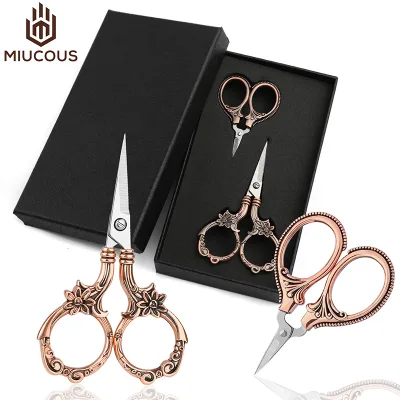
Low MOQ Exquisite Mini Scissors Sewing Professional Sewing Scissors Tailor Scissors
$6.02 - $6.83
MOQ: 2 sets

$0.28 - $0.42
MOQ: 30 pieces
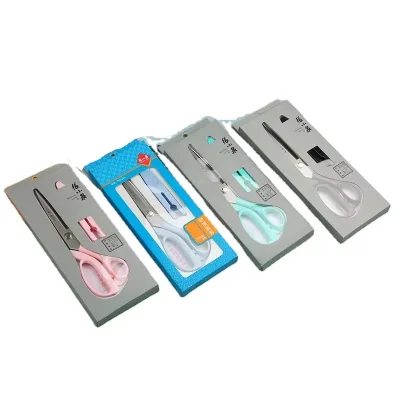
Lightweight Comfort Handles Sturdy Sharp Multi-function Craft Fabric Sewing Scissors
$3.48 - $4.35
MOQ: 5 pieces
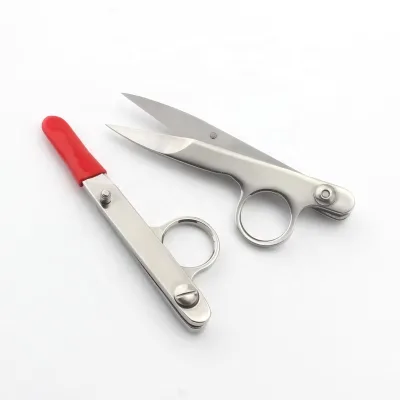
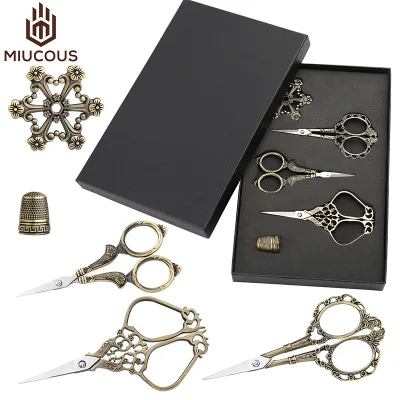

Changsha Dahang Imp Exp Co., Ltd.
- Trading Company
- Hunan, China
- Lead time5 days
- Avg. response≤ 1h
Main productsEmbroidery backing stabilizer,Prewound bobbin thread,Water soluble film Embroidery,Embroidery 3D EVA foam,Embroidery machine hoops and frames
Main marketsNorth America(28.00%), South America(15.00%), Western Europe(12.00%), Eastern Europe(10.00%), Central America(8.00%), Oceania(8.00%), Northern Europe(6.00%), Africa(5.00%), Southern Europe(5.00%), Mid East(2.00%), South Asia(1.00%)
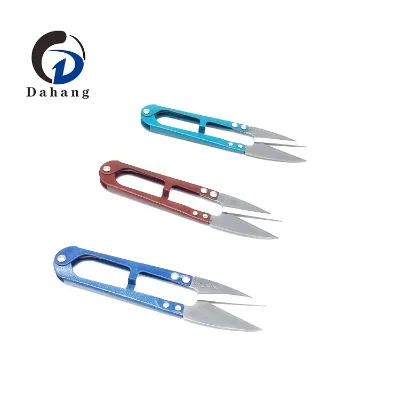
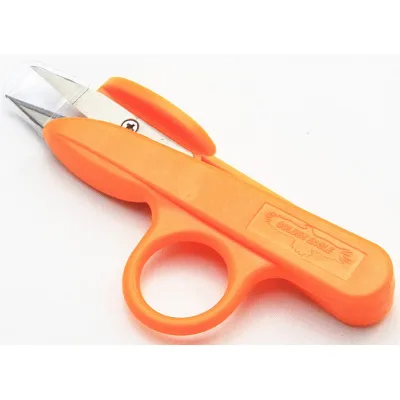
Sewing Scissors TC-800 Thread Snips
$0.55 - $0.65

Ningbo Sinobest Textile Company Limited
- Trading Company
- China Zhejiang
- Lead time30 days
- Avg. response≤ 4h
Main productsSewing Threads, Embroidery Threads, Garments Trimmings, Sewing Accessories, Embroidery Accessories, Tailor's Materials
Main marketsSouth America,Europe,North America
Dongyang Jinzhen Import & Export Co., Ltd.
- Verified by TüVRheinland
- Manufacturer, Trading Company
- Lead time15 days
- Avg. response≤ 4h
Main productsSewing Machine Needle, Sewing Machine Press Foot, Sewing Machine Rotary Hook, Sewing Machine Folder, Sewing Machine Needle Plate
Main marketsSoutheast Asia(30%), South Asia(20%), South America(10%)
Yiwu Lumiao Electronic Commerce Co., Ltd.
- Trading Company
- Zhejiang, China
- Lead time0 days
- Avg. response≤ 7h
Main productsYarn,Yarn winder,Crochet Hook,Safety Eyes,Flower Stem Sticks
Main marketsNorth America(32.00%), Southeast Asia(30.00%), Western Europe(10.00%), Northern Europe(5.00%), Eastern Europe(5.00%), Domestic Market(2.00%), Africa(2.00%), South America(2.00%), South Asia(2.00%), Southern Europe(2.00%), Central America(2.00%), Eastern Asia(2.00%), Mid East(2.00%), Oceania(2.00%)
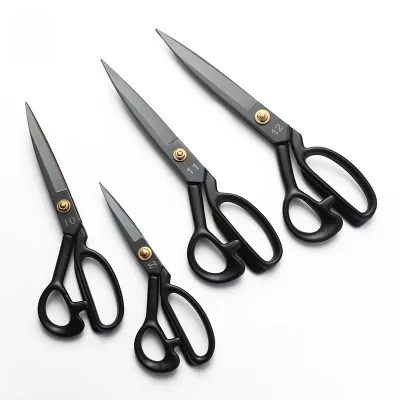
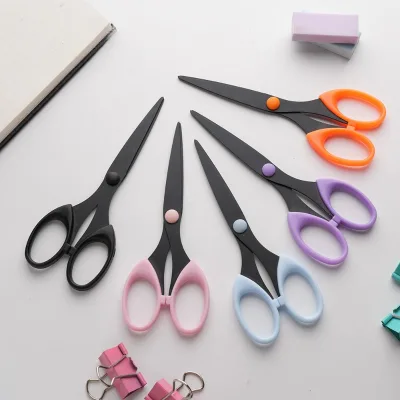
High Quality Carbon Steel Sewing Scissors Professional Sewing Tools Fabric Cutting Leather Scissors
$2.50 - $2.90
MOQ: 100 Minimum
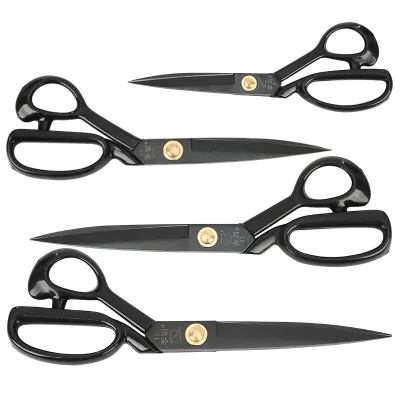
Tailored scissors for professional cutting, sharp sewing, and high manganese steel cutting
$4.40 - $6.14
MOQ: 30 Minimum
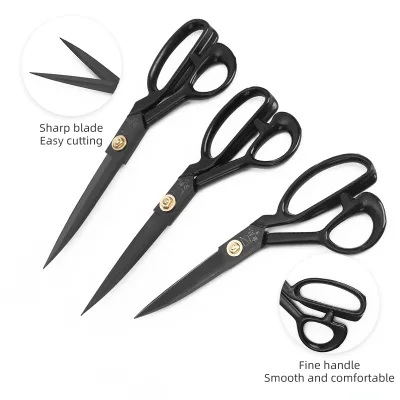
Durable sewing tailor scissors, stainless steel clothing tailor scissors, household tools
$4.30 - $6.00
MOQ: 30 Minimum
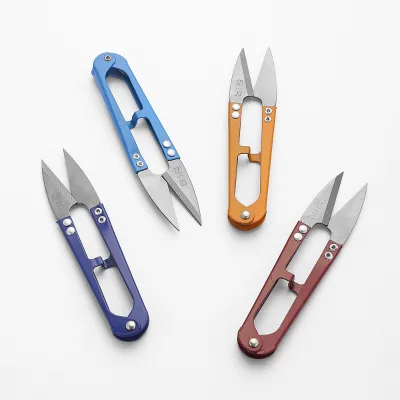
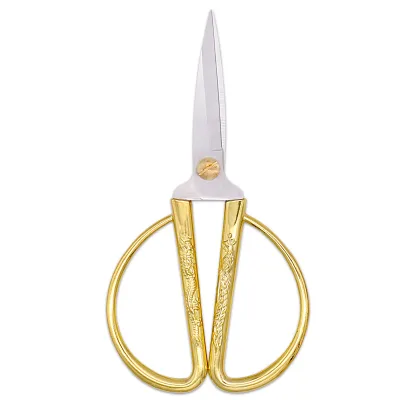
Durable giant scissors, ribbon cutting office, industrial stainless steel pointed scissors, tailor
$0.76 - $1.33
MOQ: 20 Minimum


Ningbo Yinzhou Xindew Textile Co., Ltd.
- Trading Company
- China Zhejiang
- Lead time15 days
- Avg. response≤ 13h
Main productsKnitting Needles, Knitting Looms, Knitting Crochet Hook Set, Acrylic Yarn, Elastic Tape, Zipper, Thread, Hook and Loop, Baby Blankets, Baby Bibs
Main marketsSouth America,Africa,Southeast Asia/ Mideast,East Asia(Japan/ South Korea),Domestic,Europe,Australia,North America


MOQ: 1000 Pieces

MOQ: 1000 Pieces

MOQ: 1000 Pieces
Shenzhen Hanjinchuan Trading Co., Ltd.
- Trading Company
- Guangdong, China
- Lead time0 days
- Avg. response≤ 3h
Main productsButtons,Tassel,handwork products
Main marketsDomestic Market(50.00%), Southeast Asia(30.00%), South America(10.00%), Southern Europe(10.00%)
- Trading Company
- Zhejiang, China
- Lead time0 days
- Avg. response≤ 4h
Main productsSewing machine,Hook/Shuttle hook,Embroidery machine,Presser foot/ Folder,Needle plate
Main marketsEastern Asia(40.00%), South America(20.00%), Southeast Asia(20.00%), South Asia(20.00%)

Ningbo Liberty Port Textile Co., Ltd.
- Combined
- China Zhejiang
- Lead time15 days
- Avg. response≤ 19h
Main productsSnap Button, Snap Fastener Set, Sewing Notions, Rotary Cutter, Cutting Mat, DIY Crafts, Storage Series, Knitting Needles, Crochet Hook, Zipper
Main marketsSouth America,Southeast Asia/ Mideast,East Asia(Japan/ South Korea),Europe,North America

Ningbo DH Textile Industry&Trade Co., Ltd.
- Verified by TUVRHEINLAND
- Trading Company
- China Zhejiang
- Lead time15 days
- Avg. response≤ 16h
Main productsLace, Interlining, Embroidery Thread, Poplin, Hook and Loop, Satin Ribbon, Sewing Thread, Button, Zipper, Lace Fabric
Main marketsAfrica,Southeast Asia/ Mideast,North America

Yangzhou Baolida Tools Co., Ltd.
- Combined
- China Jiangsu
- Lead time30 days
- Avg. response≤ 22h
Main productsAviation Tin Snips, Tin Snips, HVAC, F Clamp, Punch Plier
Main marketsSouth America,Europe,North America

Wuxi Wonderful Import & Export Co., Ltd.
- Verified by TUVRHEINLAND
- Trading Company
- China Jiangsu
- Lead time30 days
- Avg. response≤ 15h
Main productsHome & Garden Products
Main marketsSouth America,Southeast Asia/ Mideast,Europe,Australia,North America
- Trading Company
- Zhejiang, China
- Lead time15 days
- Avg. response≤ 3h
Main productsSewing notions,Needlework,cross stitch accessory,Knitting tools,embroidery scissors
Main marketsNorth America(60.00%), Northern Europe(15.00%), Eastern Europe(10.00%), Oceania(10.00%), Western Europe(5.00%)

Shanghai Charmkey Textile Co., Ltd.
- Verified by BV
- Trading Company
- China Shanghai
- Lead time23 days
- Avg. response≤ 7h
Main productsYarn, Blended Yarn, Fancy Yarn, Acrylic Yarn, Cotton Yarn, Wool Yarn, Chenille Yarn, Chunky Yarn, T Shirt Yarn, Polyester Yarn
Main marketsEurope

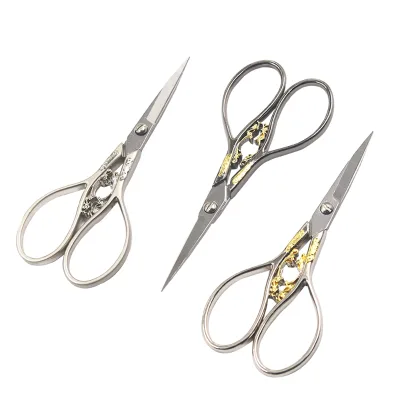
Vintage Style Sewing Scissors Embroidery Bird Scissors Cross Stitch Eyebrow Nose Hair
$0.52 - $1.20
MOQ: 200 Pieces

Yangzhou Jianyong Pins Factory
- Manufacturer, Trading Company
- Jiangsu, China
- Lead time0 days
- Avg. response≤ 3h
Main productspearl head pins,glass pins,safety pins,push pins,sewing kits
Main marketsEastern Europe(54.00%), Eastern Asia(20.00%), South America(20.00%), North America(5.00%), Northern Europe(1.00%)

- Trading Company,Manufacturer/Factory
- China Zhejiang
- Lead time30 days
- Avg. response≤ 7h
Main productsFabric, Trimming, Lace, Tape, Zipper, Sewing Thread, Button, Scissors, Garments Accessories, Sewing Machine Parts
Main marketsSouth America,Eastern Europe,Mid East,North America,Southeast Asia,Eastern Asia,Oceania,Western Europe,Africa








Comprehensive Sourcing Guide
Yangjiang Sewing Scissors Supplier Concentration and Factory Types
When buyers search for a named hardware cluster such as Yangjiang for sewing scissors, the first lesson from live supplier data is that location labels on listings do not always match the search term. In the current results, for example, the supplier location shown is Zhejiang, not Guangdong, even though the products on offer are tailor scissors, fabric cutting scissors, and gold plated sewing scissors. This means you cannot assume that a supplier surfaced under a cluster keyword actually sits inside that cluster. Treat every origin claim as a question to verify, and cross-check the province, city, and production address listed on the product attributes, which in this dataset explicitly state origins such as China and Zhejiang at product level.
The second lesson concerns supplier type. The verified entries here split between a pure Trading Company and a combined Trading Company plus Manufacturer/Factory, both listing garment and sewing inputs alongside scissors and cutting tools. A pure trading company may aggregate several small scissor workshops, which suits mixed-SKU orders but complicates factory audits. A hybrid manufacturer-trader usually controls some production while trading out complementary lines such as buttons, zippers, lace, and ribbon. Before shortlisting, ask each candidate whether the scissors are produced in-house, subcontracted, or sourced from a partner workshop, and request the actual finishing factory's name and address, since blade grinding and surface plating are often handled by separate specialist plants in any region.
How to Verify Yangjiang Sewing Scissors Suppliers
Verification should start with third-party audits and system certifications, but only the ones actually displayed. In the current supplier results, one trading company carries ISO9001:2015 and ISO14001:2015 system certificates and is verified by TÜV Rheinland; another shows ISO 9000 and ISO 9001 certification with BV verification. Do not generalize these credentials to every supplier on the page. Instead, use them as a template: for each shortlisted candidate, confirm which management system certificates are valid and current, which verification body performed the on-site check, and what that check actually covered — office, warehouse, or production floor. Ask for the certificate number and scope, and revalidate through the issuing body rather than accepting a scanned PDF.
Beyond paperwork, verify capability with category-specific questions. The scissors in this dataset are stainless steel blade tailor and student scissors, some with stainless steel handles, others with PP or ABS handles, and one listing describes a laser feature — so confirm whether the supplier grinds and hollow-grinds blades itself, and how it controls edge hardness and symmetry. Note the in-house signals that appear in the data: one supplier lists "Own brand" as its R&D capacity, another lists OEM capacity. Ask for evidence of each claim, such as brand registrations or OEM samples with your logo. Finally, verify consistency between listing details and reality: a product page stating MOQ 100PCS, packing of 6PCS per box with 15 boxes per carton, and a 30-day delivery time is easy to check against a trial order and a sample against the production run.
What to Compare Across Yangjiang Sewing Scissors Suppliers
Build a comparison grid from the attributes actually displayed, without assuming every supplier shows the same fields. Useful dimensions in the current results include response time, lead time, company type, main products, verification body, system certifications, and R&D capacity labels. One supplier here responds in roughly 2.10 hours with a 23-day lead time, while another shows a 5.74-hour response figure — a meaningful gap when you need fast quote cycles or urgent replenishment. Lead times shown in one place (23 days) can differ from product-level delivery estimates (30 days on a specific gold plated scissors listing), so record both the supplier-level and product-level numbers separately and ask which applies to your order profile.
Then compare product-level economics using the published ranges rather than treating them as firm quotes. Listed price spans in this dataset run from 0.90 to 2.85 USD per pair depending on model, size (8 inch and 9.5 inch appear), handle material, and finish. Compare MOQs equally carefully: figures shown include 100PCS, 120PCS, 60 pieces (expressed as 1CTN), and 300 pieces on a U-shaped clipper-style yarn scissor. Also compare packing configurations — 6PCS per box, 10PCS per box, 100PCS per carton — because carton dimensions and gross weights (14.5 to 20.5 kg per carton in the listings) directly affect freight cost per unit. A supplier whose displayed main products already include scissors alongside garment accessories may handle combined sewing-supplies orders more efficiently than a single-line vendor.
Common Yangjiang Sewing Scissors Sourcing Risks
The most frequent risk is origin confusion. Because scissors branded as coming from one famous cluster may actually be produced or finished elsewhere, listings can carry province-level origins such as Zhejiang while the search term points to a different region. Risk appears when buyers assume the cluster name guarantees a factory address. Mitigate by requiring the production address in writing, cross-checking it against the company's registration, and, where volume justifies it, commissioning an independent on-site visit. A related risk is type confusion: a trading company verified at its office address may not be able to host you at the blade workshop at all, which is why company type labels matter.
Quality and specification risks follow. All scissors in the current dataset list stainless steel blades with sharp, straight tips, but listings rarely state steel grade, hardness values, or plating thickness for gold finishes — so these must be requested and specified in your purchase contract, not inferred. Customization is marked "Available" across the listings, but a customization claim is not a capability proof; ask for prior custom-logo samples and the tooling or printing method used. There is also a logistics-weight risk: carton gross weights near 20 kg exceed what some buyers expect for "small" scissors, so a carton-spec mismatch can inflate freight. Finally, beware of mixing categories: several suppliers here are primarily garment-accessory houses (zippers, buttons, lace), for which scissors may be a secondary line with shallower quality control.
Yangjiang Sewing Scissors Regional Sourcing and Logistics
Because the supplied evidence points to Zhejiang rather than a Guangdong cluster, plan logistics around verified origins, not the keyword. Identify the cluster yourself: ask each supplier which province and city their scissors ship from, request the port of loading they habitually use, and let those answers — not search-term assumptions — drive your freight plan. Multiple regional origins are workable if you consolidate; one approach is to group scissors, buttons, and zippers from the same province under one bill of lading. In this dataset, a single Zhejiang supplier already lists the full accessory range (lace, thread, buttons, ribbon, zippers, fabric, sewing machine parts), which makes consolidation within one shipment realistic if quality clears.
Use the published carton data to model freight before ordering. Examples include an 8-inch model packed 6PCS per box, 15 boxes per carton, carton size 45.5×27×50.5 cm at 20.5 kg gross; a 9.5-inch student scissor at 36.5×28.7×47.5 cm and 18 kg; a 9-inch model at 57×35×36.5 cm and 19 kg; and a lighter option at 29.5×23.5×52.5 cm, 100PCS per carton, 14.5 kg. Convert these into volume weight per unit and compare sea freight quotes. Lead-time planning should reconcile the supplier-level 23-day figure with the 30-day product-level estimate, then add port and customs buffers, and confirm whether the 23 days assumes goods already in stock or production after deposit.
Yangjiang Sewing Scissors Commercial Terms and Order Planning
Order planning should begin from MOQ and packing structure, since these drive both price and cash outlay. The listings show MOQs of 100PCS, 120PCS, 60 pieces (1CTN), and 300 pieces, with packing formats of 6 or 10 pieces per box and full-carton shipping. One supplier also offers customization "According to Needs of Customize" on packing, which matters if you need retail-ready boxes or barcodes. When building your first order, aim for one full carton configuration per SKU to avoid repacking fees, and confirm whether mixed-SKU cartons are permitted. Price negotiation should reference the published ranges (roughly 0.90–2.85 USD across the listed models) but request written quotations for your exact size, handle, and finish combination.
Payment and risk controls come next. None of the current evidence states escrow availability or payment terms, so ask directly whether the platform offers escrow-style protection or secure payment, and what trade assurance terms the supplier accepts. Given response times of 2.10 versus 5.74 hours in this dataset, expect communication speed to vary; set a service-level expectation in your contract for quote turnaround and sample updates. Structure the first order as a small pilot — for example, one or two cartons at the listed MOQ — with a written specification covering steel grade, tip style, finish, packing, and carton marks. Reserve larger commitments until you have inspected the pilot against the 30-day production estimate and confirmed reorder lead times hold at the supplier-level 23-day figure.
(Word count: 1,392)
FAQs
What is the typical lead time for sewing scissors?
The typical lead time for these items is 23 days, though specific product listings may indicate delivery times of up to 30 days. Buyers should verify the exact schedule with the supplier before placing orders to ensure production aligns with their inventory needs and shipping deadlines.
What is the minimum order quantity for these scissors?
The minimum order quantity varies by product, with common requirements being 100 pieces or 1 carton. Some listings specify 120 pieces or 300 pieces as the baseline. Buyers must check the specific product page to confirm the exact MOQ applicable to their chosen model and customization needs.
Are these suppliers verified for quality assurance?
Yes, suppliers are verified by recognized agencies such as TÜV Rheinland and Bureau Veritas. Additionally, many hold ISO9001:2015 and ISO14001:2015 certifications. These verifications provide assurance regarding manufacturing standards and quality control processes, helping buyers trust the reliability of the supply chain for their procurement needs.
What materials are used for the handles?
Handle materials vary across the product range, including stainless steel, polypropylene, plastic, and ABS. Stainless steel handles offer durability, while plastic and ABS options provide lightweight alternatives. Buyers should select the material that best suits their application, whether for heavy-duty industrial use or general household sewing tasks.
What is the price range for these scissors?
Prices range from approximately $0.90 to $3.50 per unit depending on the model and specifications. Basic stainless steel options start around $0.90, while specialized or larger models can reach up to $3.50. Buyers should compare specific product listings to find the best value for their budget and quality requirements.
Where are these sewing scissors manufactured?
These sewing scissors are manufactured in China, specifically in the Zhejiang province. This region is known for its robust manufacturing infrastructure for hardware and textile accessories. Buyers sourcing from this location can benefit from established supply chains and competitive pricing structures typical of the area's industrial output.
Do suppliers offer customization services?
Yes, customization is available for many of the listed sewing scissors. Buyers can often request specific blade types, handle materials, or branding options. It is advisable to confirm customization capabilities and any associated costs directly with the supplier to ensure the final product meets specific design or functional requirements.