Source 1 Piston Rear Brake Caliper for Fleet Maintenance, Repair Shops, and Auto Parts Retailers
Find and compare 30 available 1 Piston Rear Brake Caliper options from verified manufacturers. Evaluate specifications such as material composition, piston configuration, and certification standards to identify suitable components for your automotive supply chain needs.
Key considerations
Products List




Comprehensive Sourcing Guide
1 Piston Rear Brake Caliper Sourcing Guide
Sourcing 1 piston rear brake calipers requires a disciplined approach to verifying component compatibility, material integrity, and supply chain reliability. These components are critical safety parts that directly influence vehicle braking performance, making the selection of the right supplier as important as the technical specifications of the part itself. Buyers must navigate a market where generic listings often obscure critical details about piston diameter, seal material, and mounting geometry. This guide provides a structured framework for evaluating potential suppliers, ensuring that the procured calipers meet OEM standards or specific aftermarket requirements without compromising on safety or durability.
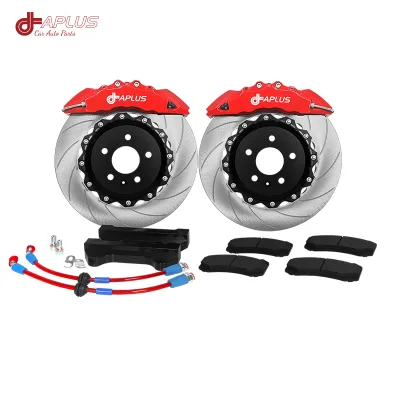
The procurement process begins with a clear definition of the end-use application, whether for original equipment replacement, performance modification, or fleet maintenance. While the core keyword focuses on single-piston designs, often used in rear drum-in-hat configurations or specific disc brake setups, the surrounding market data indicates a broader ecosystem of brake components including multi-piston calipers and brake pads. Buyers must distinguish between standard replacement units and specialized racing or modified parts, as the latter often involve custom materials and higher performance thresholds. Understanding this distinction is vital for aligning supplier capabilities with actual operational needs, preventing the procurement of over-engineered or under-specification parts.
Product Scope and Observed Listing Signals
The current market landscape for brake calipers reveals a diverse range of product attributes that buyers must carefully parse. Observed listings indicate a wide price range from $1 to $800 USD, reflecting variations in material quality, brand reputation, and customization levels. Minimum Order Quantities (MOQs) vary significantly, ranging from single units for sample verification to 500 units for bulk industrial procurement. This variance suggests that buyers should not assume uniform pricing or volume requirements across all suppliers. Instead, they should treat these figures as starting points for negotiation, recognizing that smaller MOQs may carry a premium per unit, while larger volumes might unlock tiered pricing structures.
Material composition is a primary differentiator in this category, with observed listings citing Iron, Aluminum, and even Ceramic Fiber for related components like brake pads. For 1 piston rear brake calipers specifically, aluminum is a common material for the caliper body due to its lightweight properties and corrosion resistance, while iron may be used for specific mounting brackets or older design replacements. Buyers should verify the exact material grade and finish, as these factors directly impact thermal management and longevity. Additionally, color options such as silver or customized finishes may be available, but these are often aesthetic rather than functional, unless they indicate a specific protective coating like zinc plating or powder coating for enhanced corrosion resistance.
Technical Specifications to Verify
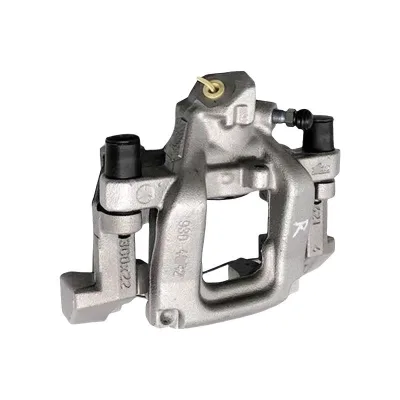
Technical verification must begin with precise model identification and dimensional accuracy. The supplied data highlights specific part numbers such as 5015253AA/5015252AA and GA2E-26-71XA, which correspond to specific vehicle platforms like Seat. Buyers must cross-reference these numbers with their vehicle’s VIN or chassis details to ensure exact fitment. The position of the caliper, whether front or rear, is a critical specification, with rear calipers often requiring specific parking brake mechanisms integrated into the piston assembly. Misidentifying the position can lead to catastrophic installation failures, so buyers must confirm the "Rear" designation explicitly in the supplier’s technical documentation.
Piston configuration and system compatibility are equally important. While the core keyword specifies a 1 piston design, the broader market data includes 2, 4, and 6 piston options, indicating that suppliers may offer a range of products. Buyers must ensure that the 1 piston caliper is compatible with the vehicle’s brake fluid system, hose routing, and rotor dimensions. The friction coefficient for related brake pads is listed as 0.35-0.45, which is a standard range for general-purpose braking. Buyers should verify that the caliper’s internal piston diameter and seal design are compatible with this friction material to ensure optimal braking feel and pedal response. Additionally, the inclusion of accessories such as shims, sensors, and other hardware should be confirmed, as these are often required for proper installation and noise reduction.
Compliance and Safety Documentation
Compliance with international standards is non-negotiable for brake components. The observed data references certifications such as IATF, ISO/TS, DOT, and ECE, which are critical indicators of a supplier’s quality management system. Buyers must request valid certificates and verify their authenticity through the issuing bodies. The IATF 16949 standard, for instance, is the global technical specification for quality management systems in the automotive industry, ensuring that the supplier follows rigorous processes for design, production, and delivery. Without these certifications, the risk of receiving substandard parts with potential safety defects increases significantly.
Safety documentation should also include test reports and material safety data sheets. The data mentions "100% Test" for brake pads, suggesting that reputable suppliers perform rigorous quality checks on their components. Buyers should inquire whether similar testing protocols are applied to the calipers, including pressure testing, leak detection, and dimensional inspection. Furthermore, the "OEM Standard" designation implies that the parts meet or exceed the original manufacturer’s specifications. Buyers should request detailed comparison charts or test data that demonstrate how the procured calipers align with OEM benchmarks, particularly in terms of braking force, heat dissipation, and durability under extreme conditions.
Cost Drivers and Commercial Terms
Cost structures in the brake caliper market are influenced by material costs, manufacturing complexity, and order volume. The observed price range of $1 to $800 USD suggests that basic replacement units may be available at the lower end, while high-performance or customized calipers command higher prices. Buyers should analyze the cost breakdown to understand what drives the price, such as the use of aluminum versus iron, the inclusion of advanced coatings, or the complexity of the piston mechanism. It is essential to avoid selecting suppliers based solely on the lowest price, as this may indicate compromises in material quality or manufacturing standards.
Commercial terms, including payment methods and shipping logistics, also play a significant role in the total cost of ownership. The data indicates a common payment term of "30 Percent by T/T in Advance," which is standard in international trade but requires buyers to assess the supplier’s financial stability and reputation. Shipping methods, such as PP Bag - Carton - Pallet or Neutral Packing, affect both the protection of the goods and the logistics costs. Buyers should negotiate clear terms for packaging to ensure that the calipers arrive without damage, and clarify responsibilities for customs clearance and import duties. Additionally, the availability of customization services, such as producing parts according to specific drawings or samples, may incur additional tooling or setup fees that should be factored into the budget.
Supplier Qualification and Quality Control
Supplier qualification involves a thorough assessment of their manufacturing capabilities, quality control processes, and after-sales support. The data mentions "Personnel Tracking" as an after-sale service, which suggests that some suppliers offer traceability for their products, allowing buyers to monitor the production and delivery status of their orders. This level of transparency is valuable for managing inventory and addressing any potential issues promptly. Buyers should prioritize suppliers who provide detailed production timelines and regular updates, ensuring that they can plan their supply chain effectively.
Quality control measures should be verified through site audits or third-party inspections. Buyers should inquire about the supplier’s internal quality assurance protocols, including incoming material inspection, in-process checks, and final product testing. The mention of "OEM Standard Size" and "OEM Standard" quality implies that the supplier adheres to strict dimensional and performance tolerances. Buyers should request samples for initial evaluation and consider conducting independent testing to verify the calipers’ performance. Additionally, the supplier’s ability to handle custom orders, as indicated by "Customized Product: Available as Per Drawing or Sample," demonstrates flexibility and technical competence, which are valuable traits for long-term partnerships.
Long-Term Procurement Checks
Long-term procurement success depends on establishing a sustainable relationship with suppliers who can consistently deliver high-quality products. Buyers should implement a regular review process to assess supplier performance, including metrics such as on-time delivery, product quality, and responsiveness to issues. The data indicates a wide range of main markets, including South America, North America, Eastern Europe, and others, suggesting that suppliers may have experience in diverse regulatory environments. Buyers should leverage this experience to ensure that the procured calipers meet the specific requirements of their target markets, particularly regarding safety and environmental regulations.
Continuous improvement and innovation are also key factors in long-term procurement. Buyers should engage with suppliers to discuss potential upgrades, such as new materials or design improvements that could enhance performance or reduce costs. The availability of customization services allows buyers to tailor products to their specific needs, fostering a collaborative relationship. Additionally, buyers should monitor market trends and technological advancements in the brake system industry to stay ahead of competitors. By maintaining open communication and a focus on quality, buyers can build a resilient supply chain that supports their business growth and ensures the safety and reliability of their end products.
FAQs
What is the standard material for these brake calipers?
The standard material is iron, though aluminum options are also available. Some listings specify ceramic fiber for pads. Buyers should verify the specific material composition based on the car type and model requirements before ordering.
Can I request custom designs for these brake calipers?
Yes, customized products are available as per drawing or sample. The supplier offers customization services to meet specific engineering needs. This allows buyers to tailor the product to their exact vehicle specifications and performance requirements.
Which certifications do these brake calipers hold?
Certifications include IATF, ISO/TS, and DOT standards. Some products also meet ECE and GSV requirements. Buyers should confirm the specific certification list for their target market to ensure compliance with local safety regulations.
What is the typical MOQ for ordering these calipers?
The minimum order quantity is 50 pieces for customized orders. Standard listings show an MOQ range from 1 to 500 units. Buyers should check the specific supplier terms as the MOQ may vary based on the product model and customization level.
How are these brake calipers packaged for shipping?
Packaging options include PP bags, cartons, and pallets. Neutral packing is also available for certain models. The packaging ensures safe transport and can be adjusted to meet specific logistical requirements or branding preferences of the buyer.
What payment terms are accepted for these products?
The standard payment term is 30 percent by T/T in advance. Buyers should confirm the exact payment schedule with the supplier before finalizing the order. This ensures clear financial terms and smooth transaction processing for both parties.
Where are these brake calipers manufactured?
Products originate from China, with specific locations like Jiaxing, Zhejiang noted. The main markets include North America, South America, and Europe. Buyers should verify the exact factory location to assess shipping times and import regulations.