Source 10 Inch 5G Tablet Computer for Education, Business, and Field Work
Explore 28 available options for the 10 Inch 5G Tablet Computer featuring Android OS, octa-core processors, and dual-band WiFi. Buyers can compare specifications including screen sizes, battery capacities, and camera resolutions to find the right device for professional or educational use.
Key considerations
Products List


10.1 Inch Tablet PC 4GB RAM 128GB ROM 3G 4G Tablet Portable WiFi Tablet PC
$98.00 - $119.00
MOQ: 1 Pieces


Windows Tablets Tablet Computer 7/8/10 in Tablet Tablet PC Tablet Android
$62.00 - $72.00
MOQ: 1 Pieces


8inch 7inch Tablet PC Tablet PC Android8GB 16GB 4G LTE Tablets PC Android10 Tablet PC
$58.00 - $60.00
MOQ: 2000 Pieces


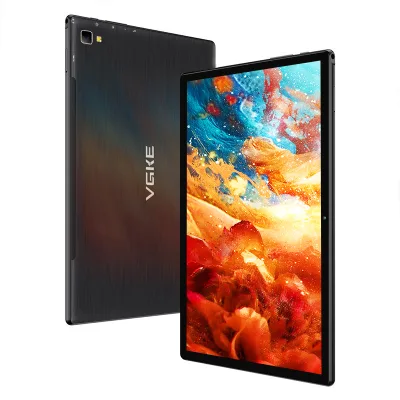

10 Inch Octa Core NFC Tablet 4G+64GB 5g WiFi 4G LTE Industrial Tablet PC
$108.00 - $185.00
MOQ: 1 Pieces


Comprehensive Sourcing Guide
10 Inch 5G Tablet Computer Sourcing Guide
Sourcing a 10-inch tablet with 5G connectivity requires careful alignment of technical specifications with intended operational environments. While the core keyword suggests advanced cellular capabilities, current market observations indicate a prevalence of 3G and 4G LTE models rather than native 5G support. Buyers must verify network mode compatibility, as many listed devices support WiFi, 3G, and 4G configurations. This distinction is critical for procurement teams targeting regions with limited 5G infrastructure or specific legacy network requirements.
The hardware landscape for these devices often centers on Android operating systems paired with octa-core or dual-core processors from manufacturers like Spreadtrum or MTK. Memory configurations typically include 4GB of RAM and storage capacities ranging from 64GB to over 128GB. Understanding these baseline specifications helps buyers differentiate between entry-level educational tools and more robust professional-grade units. The presence of capacitive or electromagnetic screens further dictates the user interaction model, influencing decisions for stylus-dependent workflows versus standard touch interfaces.
Product Scope and Observed Listing Signals
The observed product range spans a wide spectrum of price points, from approximately $38 to $1,178 USD, reflecting significant variation in component quality and feature sets. Minimum order quantities (MOQs) vary drastically, starting from single units for sampling up to 2,000 units for bulk industrial deployments. This flexibility allows small businesses to test prototypes while large enterprises can secure volume discounts. Buyers should analyze the price-to-specification ratio to ensure they are not overpaying for basic 4G models marketed with premium branding.
Listing signals reveal diverse customization options, including branded packaging, color customization, and specific accessory bundles like chargers. Many suppliers offer carton packing standards and provide models such as Y0303-022 or E061, indicating a mature supply chain with standardized SKUs. The availability of voice assistants and stereo speakers suggests a focus on multimedia and interactive applications. Procurement teams should leverage these signals to identify suppliers capable of meeting specific branding or functional requirements without extensive re-engineering.
Technical Specifications to Verify
Battery capacity is a critical performance metric, with observed ranges spanning from 4,000mAh to 8,000mAh. Devices with higher capacities often support longer battery life, estimated at four to six hours of active use, which is vital for field operations. Buyers must verify the charging interface, typically DC, and ensure compatibility with existing power infrastructure. The inclusion of fast charging capabilities can significantly reduce downtime, making it a valuable feature for high-utilization environments.
Display and camera specifications also require close scrutiny. Screen sizes generally meet or exceed 10.1 inches, with resolutions like 1920x1080 providing clear visual output. Rear cameras often exceed 5MP, while front cameras range from 1MP to 3MP, suitable for video conferencing and document scanning. The presence of dual-band WiFi and built-in Bluetooth enhances connectivity options. Buyers should confirm whether fingerprint sensors are included, as some models lack this security feature, impacting suitability for sensitive data handling.
Compliance and Safety Documentation
Regulatory compliance is non-negotiable for international trade, with certifications like ROHS, FCC, and CE being commonly listed. These certifications indicate adherence to environmental and electromagnetic compatibility standards in key markets. Buyers must request valid certificates for each model, ensuring they match the specific hardware revisions being purchased. The absence of CCC certification may limit sales in China, so verifying the full certification suite is essential for global distribution plans.
Safety standards also extend to battery safety and electrical insulation. Suppliers should provide test reports confirming that lithium-ion batteries meet international transport and usage safety guidelines. The IP rating, often cited as IP-rated for rear components, offers some protection against dust and moisture, though full ingress protection levels should be clarified. Procurement teams should ensure that all documentation is up-to-date and issued by accredited bodies to avoid customs delays or market rejection.
Cost Drivers and Commercial Terms
Several factors influence the final cost of 10-inch tablets, including CPU type, memory configuration, and network capabilities. Octa-core processors and larger storage capacities command higher prices compared to dual-core, 64GB models. The inclusion of specialized features like electromagnetic screens or fingerprint sensors adds to the bill of materials. Buyers should negotiate based on volume tiers, leveraging the observed MOQ range to secure better unit prices for larger orders.
Commercial terms often include a one-year warranty period, which provides a baseline for risk mitigation. However, buyers should clarify the scope of warranty coverage, including parts and labor, and the process for returns or replacements. Customization services, such as logo printing or software pre-loading, may incur additional fees. Understanding these cost drivers helps in creating accurate total cost of ownership models and avoiding unexpected expenses during the procurement lifecycle.
Supplier Qualification and Quality Control
Supplier qualification begins with verifying their manufacturing capabilities and quality management systems. Buyers should request factory audits or third-party inspection reports to assess production consistency. The origin of these devices is predominantly China, a hub for electronics manufacturing with varying levels of quality control. Establishing clear communication channels and defining quality acceptance criteria before production starts is crucial for maintaining product standards.
Quality control measures should include pre-shipment inspections focusing on functional testing of screens, cameras, and connectivity modules. Buyers should define acceptable defect rates and specify the consequences for non-conforming goods. Regular communication with suppliers regarding production updates helps in identifying potential delays or issues early. Implementing a robust quality assurance process ensures that the delivered tablets meet the specified technical and performance requirements.
Long-Term Procurement Checks
Long-term success depends on evaluating supplier reliability and after-sales support. Buyers should assess the supplier’s ability to provide firmware updates and technical support over the product lifecycle. The availability of spare parts and repair services is critical for minimizing downtime in professional environments. Establishing a long-term partnership with a supplier who demonstrates consistent quality and responsive support can lead to better pricing and priority service.
Continuous monitoring of market trends and technological advancements is also essential. As 5G technology becomes more prevalent, buyers may need to upgrade their procurement strategies to include newer models. Regularly reviewing supplier performance against key metrics such as delivery times and defect rates helps in maintaining a high standard of procurement. Staying informed about regulatory changes ensures ongoing compliance and market access for the procured devices.
FAQs
What are the key specifications for the 10 Inch 5G Tablet Computer?
The 10 Inch 5G Tablet Computer features an octa-core Spreadtrum or MTK CPU with 4GB memory and 64GB to 128GB storage. It includes a capacitive or electromagnetic screen, dual-band WiFi, and 4G connectivity. The device also supports built-in Bluetooth, a microphone, and a card reader for versatile functionality.
Can I customize the 10 Inch 5G Tablet Computer for professional use?
Yes, customization is available for the 10 Inch 5G Tablet Computer. You can select customized colors and specific configurations tailored for professional users. The device supports voice assistants and offers fast charging with stereo speakers, making it adaptable for specialized industrial or commercial applications requiring unique branding or features.
What certifications do the 10 inch 5g tablet computers have?
The 10 inch 5g tablet computers hold ROHS, FCC, and CE certifications. Some models also include CCC certification. These standards ensure compliance with international safety and environmental regulations, providing assurance for global procurement and deployment in various markets without additional compliance hurdles for the buyer.
How long does the battery last on the 10 Inch 5G Tablet Computer?
The battery life typically ranges from 4 to 6 hours on the 10 Inch 5G Tablet Computer. Battery capacity varies between 4000mAh and 8000mAh depending on the specific model. This duration supports moderate usage scenarios, though actual performance may vary based on network mode, screen brightness, and application intensity during operation.
What is the warranty period for the 10 Inch 5G Tablet Computer?
The standard warranty period for the 10 Inch 5G Tablet Computer is 1 year. This coverage applies to manufacturing defects and hardware failures under normal use. Buyers should verify specific warranty terms with the supplier, as conditions may vary based on the model, region, and specific vendor policies regarding repairs or replacements.