Source 100gbase Ethernet Qsfp28 Optical Module for Data Center, Switches, Routers
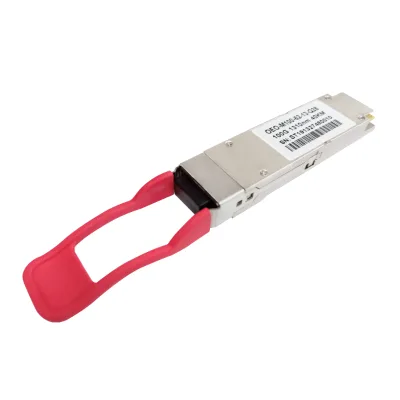
Compare 30 available 100gbase Ethernet Qsfp28 Optical Module options from verified Chinese manufacturers. Buyers can review specifications like 100G data rates, MPO connectors, and DDM support for use in data centers, switches, and routers.
Key considerations
Products List
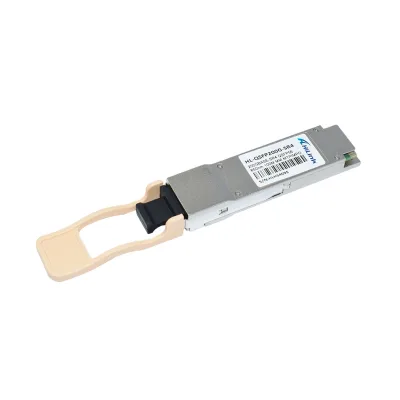
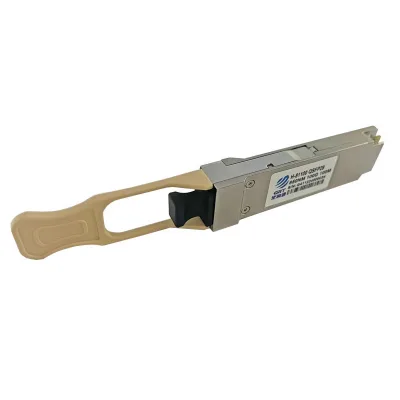


100g Modules Qsfp28 80km Long Distance Fiber Optical Transceiver Module
$870.00 - $910.00
MOQ: 1 Pieces


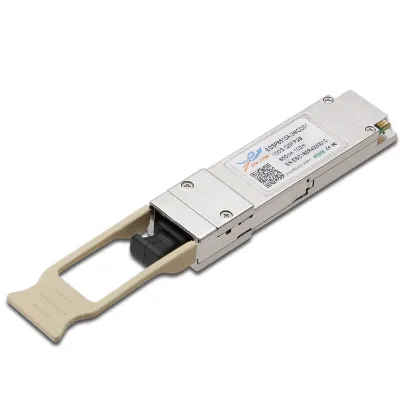


Qsfp-100g-Swdm4 Optical Transceiver 100ge Qsfp28 Optical Modules 02311quk
$120.00 - $230.00
MOQ: 1 piece

Qsfp-100g-Sr4-ISP Optical Transceiver 02312dxw 100ge Qsfp28 Optical Modules
$225.00 - $710.00
MOQ: 1 piece


100gbase-Sr4 Qsfp28 850nm 100m Dom MTP/MPO Mmf Optical Transceiver Module
$50.00 - $900.00
MOQ: 1 Pieces


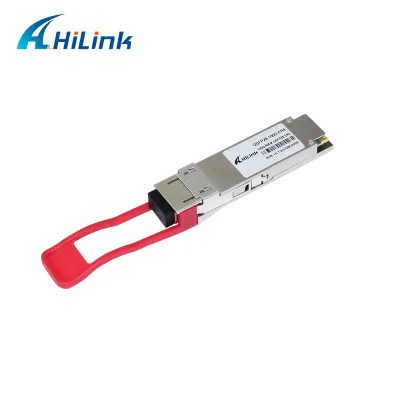


$28.50 - $32.50
MOQ: 1 Pieces
Comprehensive Sourcing Guide
Strategic Sourcing Guide for 100G Base Ethernet QSFP28 Optical Modules
The global demand for high-speed data transmission continues to escalate, driven by the expansion of cloud computing, artificial intelligence workloads, and the proliferation of 5G infrastructure. At the heart of this evolution lies the 100G Base Ethernet QSFP28 optical module, a critical component that enables high-density, low-latency connectivity in modern data centers and telecommunications networks. For procurement professionals, sourcing these modules requires a disciplined approach that balances technical performance, regulatory compliance, and supply chain reliability. This guide outlines the essential factors buyers must evaluate when navigating the market for QSFP28 transceivers, ensuring that the selected components meet the rigorous demands of enterprise-grade networks.
Technical Specifications and Performance Metrics
Understanding the precise technical architecture of a QSFP28 module is the first step in any successful procurement strategy. The QSFP28 form factor is designed to support data rates of 100 Gigabits per second (Gbps), typically achieved through four parallel lanes, each operating at 25 Gbps. When evaluating potential inventory, buyers should verify the data rate specifications against industry standards. Observed market data indicates that specific models operate at 103.125 Gbps, which accounts for the overhead required by the 4x25.78 Gbps lane configuration. This slight variance from the nominal 100G rate is standard for optical transceivers to ensure signal integrity over varying distances.
The optical wavelength is another critical parameter. For short-reach applications, which are common within data center racks, the 850nm wavelength is the industry standard. Modules utilizing this wavelength often employ Multi-Mode Fiber (MMF) and utilize MPO/MTP connectors, specifically the MPO-12 core variant, to manage the parallel fiber paths efficiently. Buyers must confirm the connector type, as mismatches between the module and the patch panel can lead to installation failures. While some listings mention LC connectors, the dominant configuration for 100G SR4 applications is the MPO interface. Additionally, the transmitter power and receiver sensitivity are vital for link budget calculations. Typical specifications suggest a transmit power range of -7 to 2.4 dBm and a receiver sensitivity of less than -10.3 dBm, ensuring reliable signal detection over distances up to 100 meters.
Compliance, Certification, and Regulatory Standards
In the B2B procurement landscape, regulatory compliance is non-negotiable. Optical modules must adhere to a suite of international standards to ensure safety, environmental responsibility, and electromagnetic compatibility. Buyers should verify that suppliers provide documentation confirming compliance with ISO 9001 for quality management systems, as well as CE, FCC, and RoHS certifications. These certifications indicate that the product meets European safety standards, United States electromagnetic interference limits, and restrictions on hazardous substances, respectively.
Furthermore, adherence to specific industry standards is essential for interoperability. The QSFP28 module should comply with the IEEE 802.3ba standard for 100 Gigabit Ethernet, alongside the QSFP+ Multi-Source Agreement (MSA). The Small Form Factor (SFF) standards, specifically SFF-8436 and SFF-8636, govern the digital diagnostic monitoring (DDM) capabilities and the electrical interface of the module. A compliant module will feature DDM functionality, allowing network administrators to monitor real-time parameters such as temperature, supply voltage, and optical power levels. This feature is crucial for proactive network maintenance and troubleshooting. Procurement teams must request proof of these certifications before finalizing orders, as non-compliant products can lead to network instability and potential legal liabilities.
Cost Drivers and Pricing Dynamics
The pricing of QSFP28 optical modules is influenced by a complex array of factors, including brand reputation, technical specifications, and order volume. Market observations reveal a significant price variance, with units ranging from approximately $1 to over $900 USD. This wide spectrum reflects differences in manufacturing quality, brand positioning, and the inclusion of advanced features like enhanced DDM or extended temperature ranges. High-end modules from established brands often command a premium due to their proven reliability and compatibility with major networking equipment vendors. Conversely, third-party compatible modules offer a cost-effective alternative, provided they meet the necessary technical and certification requirements.
The Minimum Order Quantity (MOQ) also plays a pivotal role in the total cost of ownership. Suppliers may offer flexible MOQs ranging from single units to 100 pieces, allowing buyers to scale their procurement based on immediate project needs. For large-scale deployments, negotiating volume discounts is a standard practice that can significantly reduce the per-unit cost. Buyers should also consider the "selling units" structure; some suppliers price per single item, while others may offer bulk packaging. Understanding these pricing structures helps in budgeting for both initial deployment and future expansion. It is essential to look beyond the sticker price and evaluate the total value, which includes warranty coverage, technical support, and the potential cost of network downtime caused by inferior components.
Typical Applications and Deployment Scenarios
The versatility of the 100G QSFP28 module makes it suitable for a diverse range of applications across multiple sectors. In the data center environment, these modules are the backbone of high-speed interconnects between servers, switches, and storage systems. They are specifically designed to support the high-density requirements of modern data centers, facilitating rapid data transfer for cloud services and big data analytics. The 100-meter reach capability of 850nm SR4 modules makes them ideal for intra-rack and inter-rack connections within a single data hall.
Beyond data centers, these modules are increasingly deployed in telecommunications and Internet Service Provider (ISP) networks. Their ability to support 5G backhaul and Fiber to the Home (FTTH) or Fiber to the x (FTTX) architectures highlights their adaptability. In these scenarios, the modules connect switches, routers, and firewalls, ensuring robust and secure data transmission. The compatibility with various protocols and the ability to operate in commercial temperature ranges (0-70°C) make them suitable for both indoor data centers and outdoor telecom cabinets. Buyers should assess their specific network topology to determine the required reach and fiber type, ensuring the selected module aligns with the physical infrastructure of their deployment.
Supplier Evaluation and Quality Assurance
Selecting the right supplier is as critical as selecting the right product. Buyers should prioritize suppliers who demonstrate a commitment to quality through rigorous testing and certification. A reputable supplier will provide detailed product data sheets that include test results for optical performance, such as eye diagrams and bit error rates, although specific test data should be verified on a case-by-case basis. The presence of a comprehensive warranty, typically ranging from 3 to 5 years, is a strong indicator of supplier confidence in their product's longevity.
Quality control processes should be transparent and documented. Suppliers with ISO 9001 certification are more likely to have standardized procedures for manufacturing and testing. Buyers should also inquire about the origin of the optical components, as the quality of the laser diodes and photodetectors directly impacts performance. Some suppliers offer customization options, including logo branding and specific packaging, which can be valuable for large enterprises seeking to maintain brand consistency. However, customization should not compromise the core technical specifications or compliance standards. It is advisable to request samples for testing before committing to a large order, ensuring that the modules perform as expected in the buyer's specific network environment.
Long-Term Procurement and Lifecycle Management
Sourcing optical modules is not a one-time transaction but part of a long-term lifecycle management strategy. Buyers should consider the scalability and compatibility of the modules they purchase. As network demands evolve, the ability to upgrade or expand without replacing the entire infrastructure is crucial. Modules that support standard protocols and offer DDM capabilities facilitate easier upgrades and monitoring. Additionally, the availability of spare parts and the supplier's ability to provide timely replacements are essential for maintaining network uptime.
Warranty terms and after-sales support are key components of long-term procurement planning. A warranty of 3 to 5 years provides a safety net against premature failures, but the terms of service, such as replacement policies and response times, must be clearly defined. Buyers should also evaluate the supplier's supply chain resilience, including their ability to meet lead times and manage inventory fluctuations. Given the dynamic nature of the technology market, selecting a supplier with a track record of reliability and adaptability ensures that the procurement strategy remains effective over time. By focusing on these long-term considerations, organizations can build a robust and future-proof network infrastructure.
Summary of Key Procurement Considerations
To summarize, the procurement of 100G Base Ethernet QSFP28 optical modules requires a meticulous evaluation of technical specifications, compliance standards, and supplier reliability. Buyers must verify data rates, wavelengths, and connector types to ensure compatibility with their existing infrastructure. Adherence to international certifications like ISO 9001, CE, and RoHS is mandatory for safety and interoperability. Cost considerations should balance the initial purchase price with the total cost of ownership, including warranty and support. By carefully assessing these factors, procurement professionals can secure high-quality optical modules that meet the demanding requirements of modern data centers and telecommunications networks, ensuring optimal performance and reliability for years to come.
FAQs
What data rate does the 100gbase Ethernet Qsfp28 Optical Module support?
The module supports a data rate of 100 Gbps, typically achieved through four parallel lanes. Specific models operate at 103.125 Gbps to account for signal overhead, ensuring reliable transmission over distances up to 100 meters using 850nm wavelength.
Which certifications should I verify for compliance and safety?
You should verify that the product holds ISO 9001, CE, FCC, and RoHS certifications. These standards confirm compliance with international quality management systems, electromagnetic compatibility limits, and restrictions on hazardous substances for safe operation.
Can the product logo be customized for my brand?
Yes, the logo can be customized to match your specific branding requirements. This customization is available alongside other options like customized packaging, allowing enterprises to maintain brand consistency across their network infrastructure deployments.
How long is the warranty period for these optical transceivers?
The warranty period typically ranges from 3 to 5 years depending on the specific supplier and model. This coverage ensures protection against premature failures and indicates the supplier's confidence in the product's longevity and reliability.
What is the minimum order quantity for purchasing these modules?
The minimum order quantity ranges from 1 to 100 units, offering flexibility for different project scales. Buyers can order single items for testing or larger batches for deployment, often negotiating volume discounts for significant orders.
Where are these optical transceivers manufactured and shipped from?
These modules are manufactured in China, with specific origins noted in Guangdong and Beijing. This location data helps buyers assess supply chain logistics and potential lead times when planning their procurement schedules for network upgrades.
Which connector type is standard for 100G SR4 applications?
The standard connector type for 100G SR4 applications is the MPO/MTP-12 core interface. While some listings mention LC connectors, the MPO configuration is dominant for managing parallel fiber paths efficiently in data center environments.