Source 1000W Household Steam Iron for Home, Travel, and Small Business
Find and compare 30 listings for the 1000W Household Steam Iron, featuring ceramic and stainless steel soleplates with varying water tank capacities. Evaluate mechanical and electronic thermostat controls to select the right unit for domestic laundry, travel, or small business use.
Key considerations
Products List


Household High-Power 2-in-1 Hand-Held Electric Iron, Flat Iron Small Steam Iron
$17.79 - $18.59
MOQ: 1000 Pieces


Household Steam Iron Electric Iron Handheld High-Power Non Stick Bottom Plate
$2.50 - $4.10
MOQ: 1000 Pieces

Steam Iron with Hanging Ironing Machine High-Power Electric Heating Ironing
$45.87 - $46.87
MOQ: 1000 Pieces

2024 New Design Household Electrical Home Appliances Electric Irons Steam Iron
$7.80 - $9.00
MOQ: 2000 Pieces

1400W Powerful Vertical Steaming Electric Steam Iron for Home and Office
$4.50 - $5.00
MOQ: 500 Pieces


Cheap Iron Steam 2200W Professional Electric Cordless Steam Iron Electric Iron
$4.50 - $5.00
MOQ: 500 Pieces


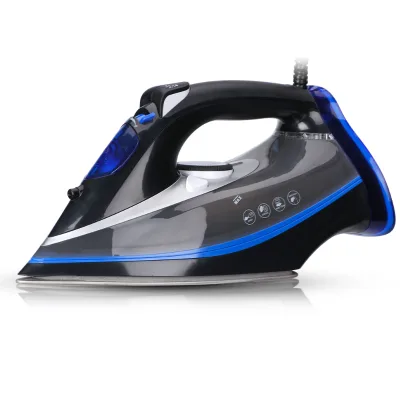
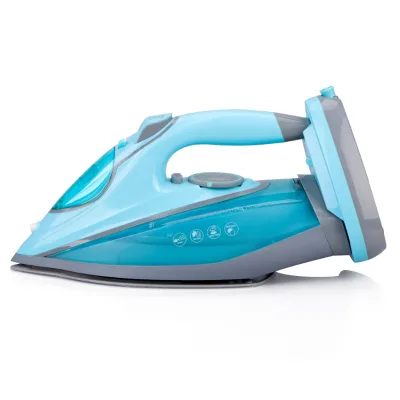
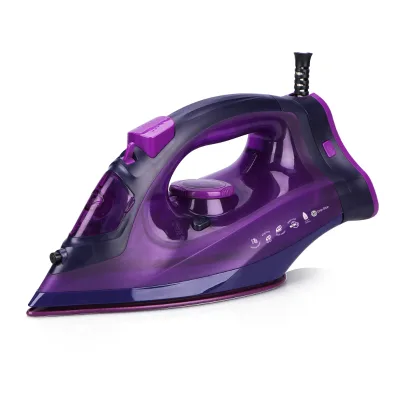


Comprehensive Sourcing Guide
1000W Household Steam Iron Sourcing Guide
Sourcing 1000W household steam irons requires a nuanced understanding of the balance between power efficiency and thermal performance. In the current market, this power range represents a mid-tier segment that prioritizes energy conservation while maintaining adequate steam output for daily garment care. Buyers must recognize that "1000W" is often a baseline or maximum rating, and the actual heating element efficiency, soleplate material, and water tank capacity significantly influence the user experience. The observed product landscape includes models with power ratings spanning from under 1000W to over 1500W, indicating that strict adherence to a 1000W specification may limit supplier options or require careful negotiation of technical datasheets.
The procurement strategy for these devices must account for the diverse configuration of features available in the supply chain. From ceramic and stainless steel soleplates to varying water tank capacities ranging from 320ml to 1100ml, the variability is substantial. Buyers should not assume that all listed products meet a specific power threshold without verifying the technical specifications against the supplier’s official documentation. The presence of automatic shut-off mechanisms, thermostat controls, and specific certifications further complicates the selection process, necessitating a rigorous verification protocol before placing bulk orders.
Product Scope and Observed Listing Signals
The current market listing signals reveal a wide spectrum of product attributes that define the value proposition of these irons. Observed price points range from $0.99 to $1000, reflecting differences in brand positioning, material quality, and included accessories. Minimum Order Quantities (MOQs) vary significantly, from as low as 1 unit for sampling up to 6900 units for large-scale distribution, allowing buyers to scale their procurement efforts according to their inventory needs. The observed models, such as the ST-613, ST-614, EI-HG01, and RH631, demonstrate that manufacturers offer distinct variants tailored to different market segments, from basic mechanical controls to more advanced electronic temperature regulation.
Material composition and design features are critical differentiators in this category. The soleplates are constructed from various materials, including ceramic, stainless steel, and aluminum, each offering distinct non-stick properties and heat distribution characteristics. Some models feature Teflon-coated golden or grey sole plates, while others rely on the inherent properties of the base metal. Water tank capacities are not uniform; listings indicate tanks ranging from 320ml to 1100ml, with some models specifying 380ml. These variations directly impact the iron’s usability for extended ironing sessions and must be aligned with the target consumer’s preferences for convenience and performance.
Technical Specifications to Verify
Verifying the technical specifications is paramount to ensuring the product meets the intended performance standards. Buyers must confirm the actual power consumption, as some listings may advertise a model series while the specific unit operates within a different power bracket, such as 500W-999W or 1000W-1500W. The control mechanism is another critical specification; options include mechanical thermostats and electronic controls, which affect the precision of temperature regulation. The presence of automatic shut-off features is a standard safety expectation, but the specific trigger mechanisms and duration should be verified to ensure compliance with user safety expectations.
The physical dimensions and weight of the iron are essential for logistics and user ergonomics. Unit sizes observed in the market range from approximately 26x13x11cm to 33x26x13cm, with weights varying from 1.5kg to 2.3kg. These specifications influence packaging requirements and shipping costs, particularly for international orders. Additionally, the steam pressure capabilities, noted in some listings as 3.5bar or 4.5bar, are crucial for effective wrinkle removal. Buyers should request detailed technical datasheets that specify the steam output rate, heat-up time, and the specific type of thermostat used to ensure the iron performs reliably under continuous use.
Compliance and Safety Documentation
Compliance with international safety and electromagnetic compatibility standards is non-negotiable for household electrical appliances. The observed certifications include CE, CB, GS, RoHS, EMC, and EMF, indicating that suppliers may offer products compliant with various regional regulatory frameworks. Buyers must verify which specific certifications apply to the model they intend to purchase, as these certifications are often model-specific and not universal across a manufacturer’s entire product line. The presence of CE marking is particularly important for European markets, while GS certification provides additional safety assurance for German and broader European distribution.
Documentation requirements extend beyond simple certification marks to include detailed test reports and conformity declarations. Buyers should request copies of the test reports issued by accredited laboratories to verify the authenticity of the certifications. For markets requiring RoHS compliance, documentation must confirm the absence of restricted hazardous substances in the plastic handles and internal components. It is also essential to verify that the product origin, typically listed as China (Mainland), aligns with the country of origin declarations required by the destination market’s customs authorities to avoid clearance delays or penalties.
Cost Drivers and Commercial Terms
Several factors drive the cost structure of 1000W household steam irons, with material quality and certification levels being primary influences. Models with ceramic or stainless steel soleplates and higher steam pressures generally command higher prices due to the cost of raw materials and manufacturing complexity. The inclusion of advanced features such as electronic temperature controls and larger water tanks also contributes to the final unit cost. Buyers should analyze the price-to-feature ratio carefully, ensuring that the additional cost for specific attributes aligns with the perceived value in their target market.
Commercial terms, including packaging and shipping logistics, significantly impact the total landed cost. The observed packaging options range from individual gift boxes to brown boxes, with export cartons used for bulk shipping. The package type affects the number of units per carton, which in turn influences palletization and container loading efficiency. Buyers should negotiate clear terms regarding packaging customization, as branded packaging may incur additional costs. Additionally, lead times and payment terms should be established early in the negotiation process to mitigate supply chain risks and ensure cash flow alignment.
Supplier Qualification and Quality Control
Supplier qualification is a critical step in mitigating procurement risks. Buyers should conduct thorough due diligence on potential suppliers, verifying their business licenses, manufacturing capabilities, and quality management systems. Given that the products originate from China, it is advisable to request factory audit reports or conduct on-site inspections to assess production line efficiency and quality control processes. Suppliers with a history of exporting to regulated markets are likely to have more robust compliance and quality assurance procedures in place.
Quality control measures must be defined and agreed upon before production begins. This includes establishing clear acceptance criteria for visual defects, functional performance, and safety tests. Buyers should specify the sampling plan for pre-shipment inspections, such as AQL levels, to ensure that the delivered goods meet the agreed-upon quality standards. It is also important to verify the supplier’s ability to handle after-sales support, including warranty terms and the availability of spare parts, to maintain customer satisfaction in the end market.
Long-Term Procurement Checks
Long-term procurement success depends on continuous monitoring of product performance and market feedback. Buyers should establish a system for tracking customer complaints and returns related to the irons, using this data to identify recurring issues such as leaking water, inconsistent temperature control, or soleplate wear. Regularly reviewing supplier performance metrics, including on-time delivery rates and defect rates, helps in making informed decisions about future orders and supplier relationships.
Adaptability to regulatory changes and market trends is essential for sustained competitiveness. Buyers must stay informed about updates to safety standards and certification requirements in their target markets, ensuring that future orders remain compliant. Additionally, monitoring competitor offerings and consumer preferences can guide decisions on product upgrades, such as incorporating more energy-efficient heating elements or eco-friendly materials. By maintaining a proactive approach to procurement, buyers can ensure that their product portfolio remains relevant and competitive in the evolving household appliance market.
FAQs
What certifications do the 1000w household steam irons have?
The available models carry CE, CB, EMC, EMF, and GS certifications. Some units also include RoHS compliance. These certifications ensure safety and regulatory adherence for international markets.
Can I find a 1000W Household Steam Iron with ceramic soleplates?
Yes, specific models feature ceramic soleplates for smooth gliding. Other options include stainless steel or aluminum plates with Teflon coatings. The choice depends on your specific ironing needs.
Which water tank capacity is available for these irons?
Water tank capacities range from 320ml to 1100ml across different models. Some units offer 380ml or 900ml options. Select the size based on your continuous ironing requirements.
How is the temperature controlled on these electric irons?
Temperature control is available via mechanical thermostats or electronic systems. The mechanical type offers simple dial adjustments while electronic versions provide precise digital settings. Both ensure consistent heat.
What is the power range for the 1000W Household Steam Iron models?
Power ratings span from 500W to over 1500W. Specific models operate within the 1000W to 1500W range or below 1000W. Higher wattage models typically offer faster heating performance.
Are customization options available for these household steam irons?
Customization is available for these products to meet specific buyer requirements. You can request tailored features or branding. Contact suppliers directly to discuss your specific customization needs.
What is the origin of these 1000w household steam irons?
All listed products originate from China, including Mainland China. This location is standard for the manufacturing of these specific iron models. Shipping details vary by supplier.