Source japandi moisture-proof ceramic tea canister for Kitchen, Travel, and Storage
Compare 30 listings of japandi moisture-proof ceramic tea canister options featuring sealed bamboo lids and cylindrical or oval shapes. Buyers can evaluate materials, capacities, and traditional or modern styles for kitchen and outdoor use.
Key considerations
Products List
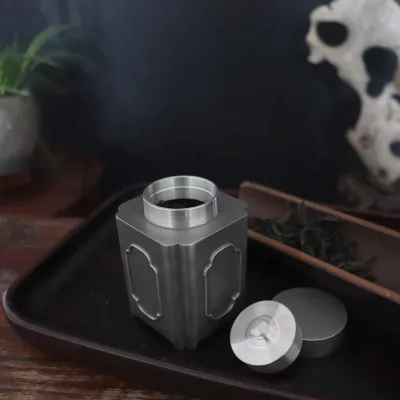
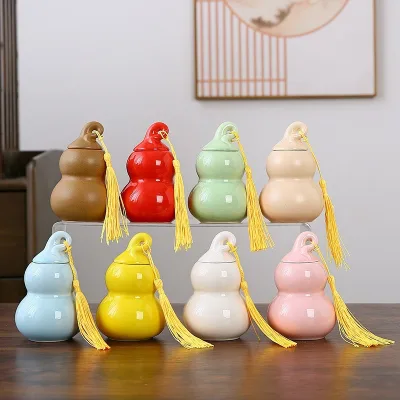
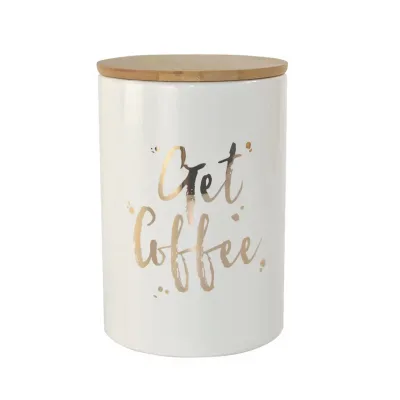
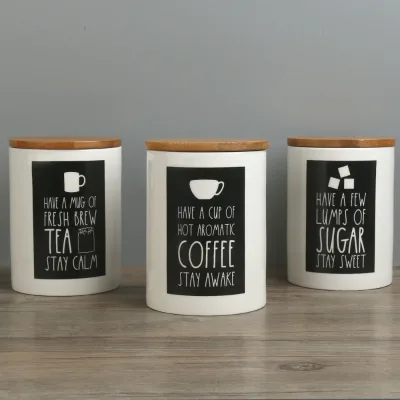
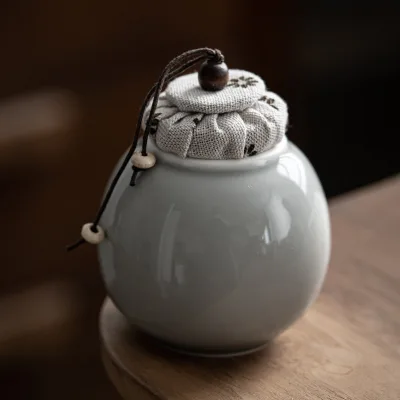
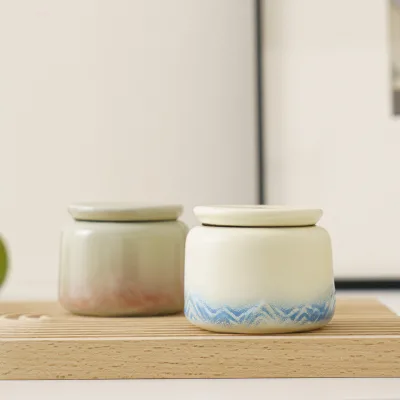
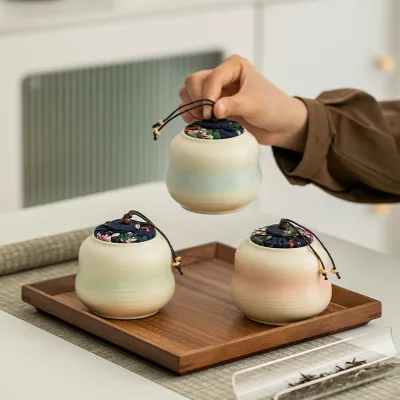
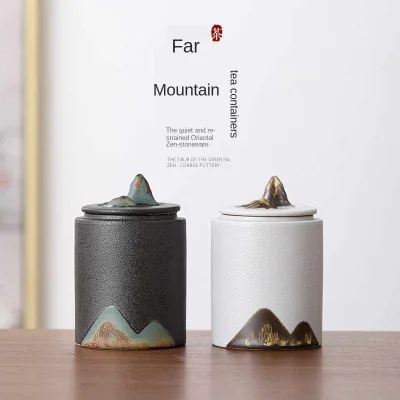
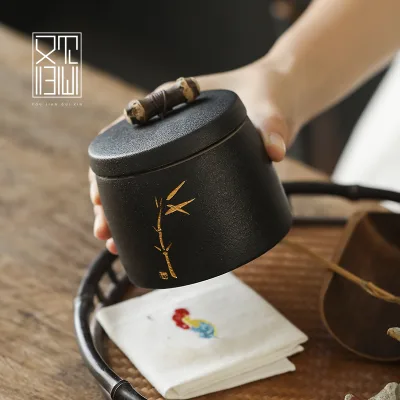


Whole Round Natural Bamboo Tea Packaging Canister with Customized Logos
$0.50 - $3.00
MOQ: 1000 Pieces
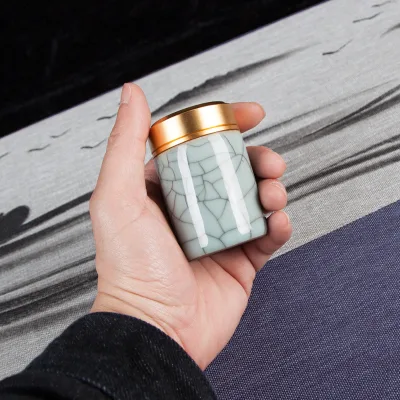


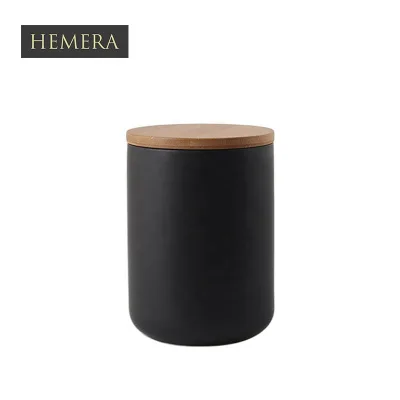

Comprehensive Sourcing Guide
Strategic Sourcing Guide for Japandi Moisture-Proof Ceramic Tea Canisters
The global B2B market for tea storage solutions has seen a significant shift toward minimalist aesthetics that prioritize both function and form. The core keyword "japandi moisture-proof ceramic tea canister" represents a convergence of Japanese and Scandinavian design philosophies, emphasizing natural materials, clean lines, and practical utility. For procurement professionals, sourcing this specific category requires a nuanced understanding of material science, supply chain logistics, and the specific manufacturing capabilities of suppliers in key regions. This guide provides a disciplined framework for evaluating potential suppliers and products, ensuring that the final procurement aligns with strict quality standards and design requirements without relying on unverified claims.
Understanding the Japandi Aesthetic in Tea Storage
The term "japandi" describes a design style that blends the functional minimalism of Scandinavian design with the craftsmanship and natural warmth of Japanese aesthetics. In the context of tea canisters, this translates to products that avoid excessive ornamentation in favor of subtle textures, earthy tones, and organic shapes. When sourcing these items, buyers must look for specific visual and structural attributes that define this style. The observed product data indicates a strong preference for cylindrical and round shapes, which are common in traditional tea storage but can be adapted to the sleeker profiles favored by japandi design.
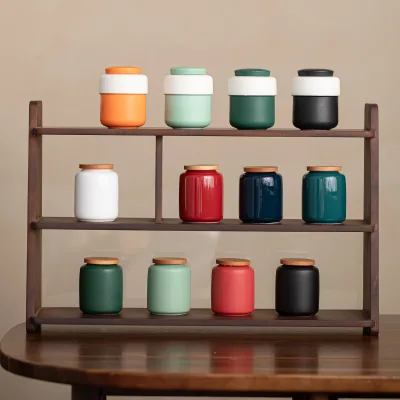
Suppliers often utilize materials like ceramics and tin to achieve the desired tactile feel. The ceramic variants, in particular, offer a matte or semi-gloss finish that mimics the look of natural stone or unglazed clay, a hallmark of the style. Color palettes in this category tend to be restrained, featuring options such as white, yellow, red, light blue, and pink, though the "japandi" interpretation often leans heavily toward neutral whites and soft earth tones. The functional design must be flexible and multifunctional, allowing the canister to serve not just as a storage vessel but as a centerpiece in a kitchen or tea ceremony setting. Buyers should verify that the product's "style" attribute aligns with "Modern" or "Traditional handicraft" depending on the specific brand identity they wish to project, ensuring the visual language matches the intended market positioning.
Technical Specifications and Material Integrity
The technical success of a moisture-proof ceramic tea canister relies heavily on the integrity of the material and the sealing mechanism. Ceramic, as a material type, is prized for its ability to protect tea from humidity, light, and odors, provided the glaze is non-porous and the fit is precise. The supplied data highlights "tin" as another material option, which offers a different set of properties, often associated with durability and a distinct metallic sheen. However, for the specific "ceramic" requirement, the focus must be on the firing process and the quality of the clay body.
A critical technical specification is the sealing mechanism. The data explicitly mentions "Double cover seal" and "Sealed Bamboo Lid" as key features. The bamboo lid is a distinctive element that adds an organic touch but requires careful engineering to ensure a tight seal against the ceramic body. The "Freshness Preservation" feature is a direct result of this seal. Buyers must verify that the "Lid" component, whether bamboo or ceramic, fits snugly without gaps that could allow air infiltration. The "Shape" is frequently listed as "Round" or "Cylindrical," which aids in the even distribution of pressure during sealing.
Furthermore, the capacity of the canister is a vital specification for logistics and inventory planning. The observed data notes capacities such as 50g, 55g, and 75g, with specific references to "Tieguanyin" tea weights. This suggests that the product is often sized for specific tea types, which is a common practice in the industry. The "Single package size" varies, with examples ranging from 10x7x10 cm to 20x15x15 cm, indicating that buyers need to calculate shipping costs based on the specific model number and packaging dimensions. The "Single gross weight" is also a factor, with some units weighing as little as 0.12 kg, which impacts freight calculations for bulk orders.
Compliance, Certification, and Safety Standards
When sourcing ceramic and bamboo products for food storage, compliance with international safety standards is non-negotiable. While the provided data does not list specific certification numbers, buyers must actively verify that the products meet the regulatory requirements of their target markets. For ceramic tea canisters, this typically involves testing for lead and cadmium leaching, as these heavy metals can migrate from the glaze into the tea, especially when hot liquids are involved.
The "Eco-Friendly" feature mentioned in the product attributes suggests that some suppliers may adhere to sustainable manufacturing practices, but this claim requires third-party verification. Buyers should request documentation proving that the materials used, particularly the bamboo lids and the ceramic glazes, are free from harmful chemicals and comply with food contact safety regulations. In the European Union, this would involve compliance with Regulation (EC) No 1935/2004, while the United States requires adherence to FDA guidelines.
Additionally, the "Customized Logo Acceptable" attribute indicates that suppliers are willing to engage in branding activities. However, the inks and adhesives used for custom logos must also be food-safe if they come into contact with the product's interior or if the product is used in a kitchen environment. The "Packing" method, described as "Safe packing" or "box," must also be evaluated to ensure it meets environmental standards and does not use excessive plastic that would contradict the "Eco-Friendly" claim. Buyers should verify that the packaging materials are recyclable or biodegradable to align with modern sustainability goals.
Cost Drivers and Pricing Dynamics
The pricing of japandi-style ceramic tea canisters is influenced by a complex interplay of factors, including material costs, labor intensity, and order volume. The observed price range in the market spans from $0.20 to $108.45, a wide disparity that reflects differences in quality, brand positioning, and production complexity. The lower end of the spectrum likely corresponds to mass-produced items with simpler designs and standard packaging, while the higher end may involve handcrafted pieces, intricate detailing, or premium materials.
The "MOQ" (Minimum Order Quantity) is a significant cost driver. The data shows MOQs ranging from 1 to 5000 pieces, with specific instances of 500 pcs and 1000 pcs. Higher MOQs generally result in a lower unit cost due to economies of scale, but they also require a larger upfront capital investment. Buyers must balance their budget constraints with their inventory needs. For startups or those testing the market, suppliers with lower MOQs are preferable, even if the unit price is higher. Conversely, established retailers with high volume requirements can negotiate better rates by committing to larger orders.
Labor costs also play a crucial role, particularly for products described as having "Traditional handicraft" techniques. Items that require hand-painting, hand-glazing, or intricate bamboo weaving will inevitably cost more than those produced via automated molding. The "Place of Origin" is another factor; products from Zhejiang, Hunan, and Guangdong in China benefit from established supply chains and specialized clusters, which can help keep costs competitive. However, buyers should be aware that labor rates and material costs can fluctuate, affecting the final price.
Supplier Evaluation and Geographic Considerations
Selecting the right supplier is critical for ensuring product consistency and reliability. The data indicates that suppliers are located in various provinces within China, including Zhejiang, Hunan, and Guangdong. Each region has its own strengths: Zhejiang is known for its diverse manufacturing capabilities, Guangdong for its export-oriented industries, and Hunan for its traditional crafts. Buyers should evaluate suppliers based on their specific location and the expertise associated with that region.
When evaluating a supplier, buyers should look for evidence of "High quality" and "Functional design." The "Advantage" of high quality should be substantiated through samples and quality control reports. Suppliers who offer "Customized Logo" services demonstrate flexibility and a customer-centric approach, which is essential for building a unique brand identity. The "Selling Units" being listed as "Single item" suggests that the supplier is capable of handling both bulk orders and smaller, individual transactions, which is a sign of operational flexibility.
Buyers should also assess the supplier's ability to handle "Flexible, Multifunction" designs. This indicates that the supplier can adapt to different market trends and customer preferences. The "Style" attribute, ranging from "Chinese" to "Fashionable" to "Modern," suggests that suppliers have a diverse portfolio. Buyers should request a catalog or portfolio to ensure the supplier can deliver the specific japandi aesthetic required. Additionally, the "Use" case, such as "Kitchen" or "Outdoor Indoor Activities Drinking," helps buyers understand the versatility of the product and its potential applications.
Quality Control and Long-Term Procurement Strategy
Implementing a robust quality control (QC) strategy is essential for maintaining the integrity of the japandi ceramic tea canisters. Given the "Double cover seal" and "Freshness Preservation" features, the QC process must include rigorous testing of the seal's effectiveness. This can be done through visual inspection, pressure testing, and moisture absorption tests. Buyers should also inspect the ceramic body for cracks, chips, or glaze imperfections that could compromise the product's functionality or aesthetic appeal.
For long-term procurement, buyers should establish a clear communication channel with the supplier regarding "Lead times" and "Production capacity." While specific lead times are not provided in the data, buyers should negotiate realistic timelines based on the order volume and the complexity of the design. The "Packing" method must be consistent to prevent damage during transit. "Safe packing" is a standard requirement, but buyers should specify the type of packaging, such as individual boxes or bulk cartons, to ensure the products arrive in perfect condition.
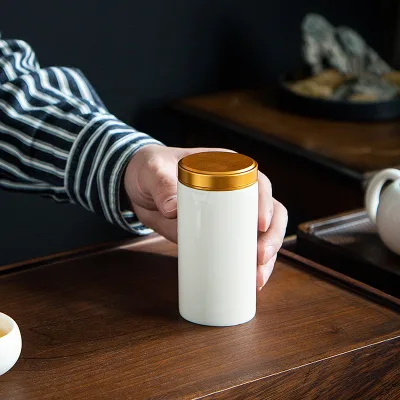
Finally, buyers should consider the "Functional design" and "Usage" of the product in the context of their long-term strategy. The "Cylinder White Porcelain Tea Coffee Canister" and "Portable Travel Loose Tea Pot" examples suggest that the market values versatility. Buyers should plan for product iterations that may include new colors, sizes, or materials to stay competitive. By focusing on quality, compliance, and supplier reliability, buyers can build a sustainable supply chain that meets the demands of the evolving japandi market.
Conclusion
Sourcing japandi moisture-proof ceramic tea canisters requires a balanced approach that combines aesthetic appreciation with rigorous technical and commercial due diligence. By understanding the specific design elements, verifying material safety, analyzing cost drivers, and selecting suppliers based on their geographic and operational strengths, buyers can secure high-quality products that meet market demands. The wide range of available options, from traditional handicrafts to modern designs, offers ample opportunity for differentiation. However, success depends on a disciplined procurement process that prioritizes evidence-based decision-making over unverified claims.
FAQs
What materials are used for japandi moisture-proof ceramic tea canisters?
These canisters are primarily made from ceramics or tin to ensure durability and moisture protection. Some models feature sealed bamboo lids to enhance the organic aesthetic while maintaining freshness preservation for stored tea leaves.
Which shapes are available for moisture-proof ceramic tea canisters?
The available shapes include round, cylindrical, and oval profiles to suit various storage needs. Cylindrical and round designs are common for even pressure distribution during sealing, while oval options offer distinct stylistic variations.
Can buyers customize the logo on these tea canisters?
Yes, customized logo acceptance is a standard feature for many suppliers in this category. Buyers can request branding on the ceramic body or packaging, provided the inks used comply with food safety standards for kitchen use.
How does the double cover seal preserve tea freshness?
The double cover seal and sealed bamboo lid work together to block air and humidity effectively. This mechanical design ensures freshness preservation by preventing oxidation and moisture ingress, which is critical for high-quality tea storage.
What capacity options exist for these ceramic tea canisters?
Common capacity options include 50g, 55g, and 75g, often sized specifically for teas like Tieguanyin. These volumes allow for precise portioning while fitting standard kitchen storage spaces or travel requirements for loose leaf tea.
Which locations are known for manufacturing these tea canisters?
Manufacturing is concentrated in Chinese provinces such as Zhejiang, Hunan, and Guangdong. These regions offer established supply chains for both traditional handicraft techniques and modern production methods required for ceramic and tin products.
What are the typical minimum order quantities for these canisters?
Minimum order quantities typically range from 1 to 5000 pieces depending on the supplier and customization level. Specific listings show MOQs of 500 pcs or 1000 pcs, allowing flexibility for both small startups and large retailers.