Source 1080p USB Camera Module for Security, Video Conferencing, and AI Vision
Compare 30 available 1080p USB Camera Module options from verified Chinese manufacturers. Buyers can evaluate sensor types, resolutions, and interface specifications to find the right solution for security, video conferencing, or AI vision applications.
Key considerations
Products List
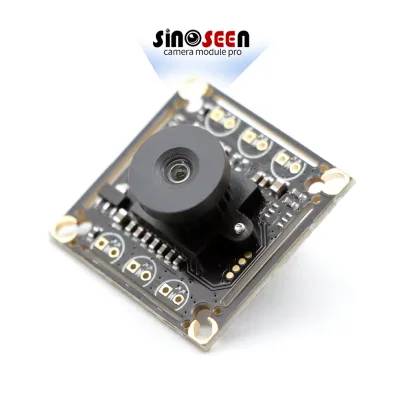
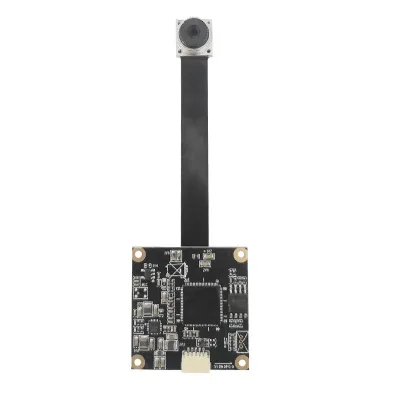
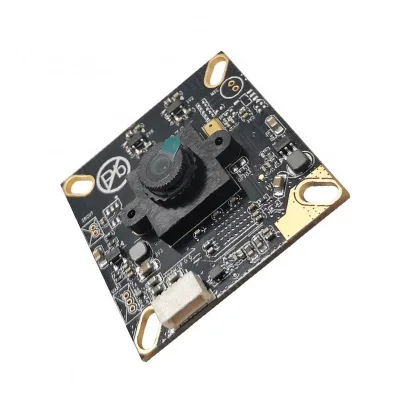
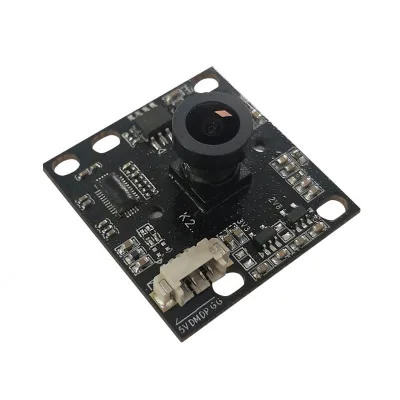
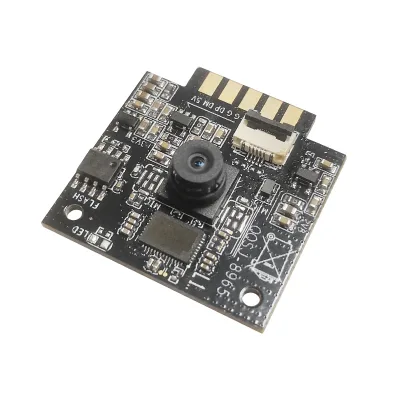
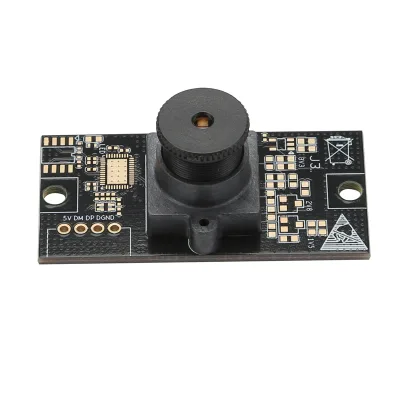


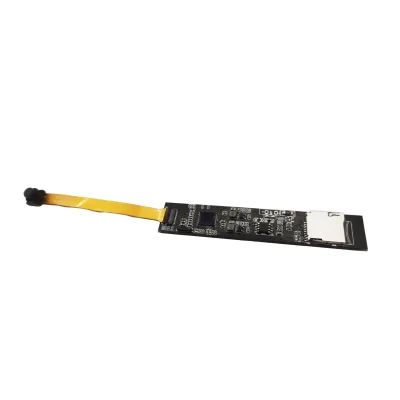
USB2.0 1080P Board Camera Module USB Camera for Windows, Linux, Android
$20.00 - $25.00
MOQ: 100 Pieces

USB2.0 1080P Camera Module with Driver Free for Windows, Linux, Android and Mac OS
$20.00 - $25.00
MOQ: 100 Pieces


3.0MP Resolution High Definition Full HD USB Camera Module Support WDR Function
$10.00 - $20.00
MOQ: 10 Pieces
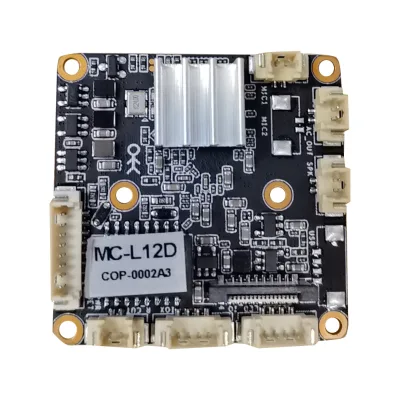


1080P USB Camera Module Imx385 Sensor USB2.0 Plug&Play Webcam for Computer
$61.00 - $63.00
MOQ: 1 Pieces


Comprehensive Sourcing Guide
Strategic Sourcing Guide for 1080p USB Camera Modules
The global demand for high-definition visual input solutions has driven a significant shift toward 1080p USB camera modules, particularly for applications requiring plug-and-play connectivity without complex driver installations. For procurement professionals, sourcing these components involves navigating a complex landscape of sensor technologies, interface standards, and environmental constraints. The market offers a diverse array of options, ranging from compact embedded solutions to robust industrial-grade units. This guide provides a structured approach to evaluating 1080p USB camera modules, ensuring that buyers make informed decisions based on verified technical attributes and compliance requirements rather than marketing claims.
Technical Architecture and Sensor Selection
The core performance of a 1080p USB Camera Module is dictated by its image sensor and optical configuration. In the current market, 1080p resolution typically corresponds to a pixel count of 1920x1080, though some modules may utilize sensors with higher effective pixel counts (such as 4608x3456) that are downsampled or cropped to achieve the standard HD output. Buyers must carefully examine the sensor model, as this determines low-light performance, dynamic range, and color fidelity. Common sensor families observed in this category include the Sony IMX series, as well as alternatives like the GC2053, GC20A3T, OV9732, and SC1345.
The choice of sensor directly influences the module's physical dimensions and power consumption. For instance, modules utilizing the GC2053 sensor often feature a 1/2.9-inch lens size and a compact PCB footprint, such as 32x32mm, making them suitable for space-constrained embedded applications. Conversely, other configurations may utilize a 1/4-inch or 1/4.5-inch lens size, which can affect the field of view (FOV) and depth of field. The pixel size is another critical metric; a pixel size of 1.12μm x 1.12μm is a standard specification found in high-density modules, balancing resolution with light sensitivity.
Optical characteristics must also align with the intended application. The Field of View (FOV) is a variable parameter, with options such as 70° being common, though custom or optional configurations exist. Buyers should verify whether the lens is fixed or adjustable, as this impacts the module's versatility. Additionally, the color space and compression formats supported by the module are essential for software integration. Standard formats include YUV2, MJPG, and RAW, with some modules supporting YUV422 or YUY2. The ability to switch between these formats allows for optimization between bandwidth usage and image quality, which is vital for real-time streaming applications.
Interface Standards and System Compatibility
The "USB" designation in the product name implies a specific interface standard, but the version of the USB protocol significantly impacts data throughput and latency. While many modern modules adhere to USB 2.0 specifications, which provide sufficient bandwidth for 1080p at 30 frames per second (fps), buyers must confirm the exact interface version to ensure compatibility with host systems. The interface standard dictates the maximum achievable frame rate; a specification of 30fps is typical for 1080p output, but some high-performance modules may offer higher rates depending on the sensor and processing capabilities.
System compatibility is a frequent point of failure in procurement if not verified early. The target operating systems for these modules typically include Windows, Linux, and Android. A robust module should be driverless or support standard UVC (USB Video Class) protocols to ensure seamless integration across these platforms. However, specific drivers or SDKs may be required for advanced features like exposure control or white balance adjustment. Buyers should request a compatibility matrix from the supplier to confirm support for their specific OS version and architecture.
The physical interface connector is another critical detail. While the USB interface is standard, the form factor of the connector (e.g., micro-USB, USB-C, or a custom FPC connector) must match the host device. Additionally, the power requirements of the module must be considered. Some modules draw power directly from the USB bus, while others may require an external power source, especially if they include active cooling or high-power illumination.
Environmental Durability and Operating Conditions
For industrial and outdoor applications, the environmental resilience of the camera module is as important as its optical performance. The operating temperature range is a primary specification to verify. Standard commercial-grade modules typically operate within a range of 0°C to 60°C. However, for applications exposed to extreme environments, such as outdoor surveillance or industrial machinery, buyers must seek modules with extended temperature ratings. Storage temperature is another critical factor; a range of -20°C to 70°C indicates the module can withstand harsh storage conditions without degradation, which is essential for supply chain logistics in varying climates.
The mounting type also plays a role in environmental protection. "Embedded camera module" designs often imply a need for custom integration, which may require additional housing or sealing to protect against dust and moisture. Buyers should verify the IP rating if the module is intended for outdoor use, although this is often a function of the final enclosure rather than the module itself. The physical dimensions, such as 38x38mm or 32x30mm, must be accommodated within the device design, and the weight (typically around 0.250 kg per single item including packaging) must be factored into the overall system weight budget.
Compliance, Certification, and Regulatory Standards
Regulatory compliance is non-negotiable for B2B procurement, particularly when exporting or importing electronic components. The RoHS (Restriction of Hazardous Substances) certification is a baseline requirement for most modern electronic components, ensuring that the module does not contain restricted hazardous materials like lead or mercury. While some suppliers may claim CE certification, buyers should treat this as a verification point rather than an automatic guarantee. The CE mark indicates conformity with health, safety, and environmental protection standards for products sold within the European Economic Area, but it requires rigorous testing and documentation.
Similarly, ISO 9001 certification is a standard for quality management systems, indicating that the supplier has a structured approach to quality control. However, the absence of these certifications in a product listing does not necessarily imply non-compliance; it may simply mean the specific product page does not list them. Buyers should request valid certificates of compliance from the supplier before placing large orders. It is also important to verify if the module meets any specific industry standards, such as those for automotive or medical applications, which often require additional testing beyond standard consumer electronics regulations.
Cost Drivers and Procurement Economics
The price of a 1080p USB Camera Module is influenced by several factors, including the sensor quality, optical components, and the level of integration. Market observations indicate a wide price range, with costs varying from $5 to $146 USD depending on the specifications. The lower end of the spectrum typically corresponds to modules with standard sensors like the OV9732 or SC1345, offering 720p or basic 1080p performance with minimal features. The higher end of the price range often includes modules with premium sensors like the IMX298, advanced optical systems, and specialized features such as wide dynamic range (WDR) or low-light enhancement.
The Minimum Order Quantity (MOQ) is another significant economic factor. MOQs can range from 1 unit for sample orders to 100 units for bulk production. Buyers should negotiate MOQs based on their projected demand and inventory strategy. For prototype development, a low MOQ is essential to minimize risk. For mass production, a higher MOQ may be required to secure volume pricing. The single package size (e.g., 10x10x5 cm) and gross weight (0.250 kg) also impact shipping costs, particularly for international procurement. Buyers should calculate the total landed cost, including shipping, duties, and taxes, to ensure the project remains within budget.
Supplier Evaluation and Quality Assurance
Selecting the right supplier is critical for ensuring product reliability and long-term support. Buyers should evaluate suppliers based on their technical expertise, production capacity, and quality control processes. The place of origin is a relevant factor, with many high-quality modules originating from manufacturing hubs in China, specifically Guangdong province. This region is known for its robust electronics supply chain and expertise in camera module assembly. However, buyers should not rely solely on the location; they must verify the supplier's track record and ability to meet delivery schedules.
Quality control should be a priority throughout the procurement process. Buyers should request sample units for rigorous testing before committing to a large order. Testing should cover resolution, frame rate, color accuracy, and performance under various lighting conditions. It is also important to verify the consistency of the supply chain. A supplier with a stable supply of sensors and optical components is less likely to face delays or quality issues. Additionally, buyers should inquire about the supplier's after-sales support, including warranty terms and technical assistance for integration issues.
Long-Term Procurement and Application Suitability
The long-term viability of a 1080p USB Camera Module depends on its suitability for the specific application and the supplier's ability to support the product over time. For indoor and outdoor applications, the module must be durable and capable of withstanding environmental stressors. The choice of sensor and lens must align with the lighting conditions of the deployment environment. For example, a module with a high sensitivity sensor is preferable for low-light indoor applications, while a module with a wide dynamic range is better suited for outdoor use with varying light levels.
Buyers should also consider the lifecycle of the product. Electronic components can become obsolete, and a supplier's ability to provide long-term support is crucial. Buyers should ask about the expected product lifespan and the availability of replacement parts. Furthermore, the modularity of the design can be a significant advantage, allowing for future upgrades or modifications without requiring a complete redesign of the host device. By focusing on these long-term considerations, buyers can ensure that their procurement strategy supports the sustainability and success of their projects.
Comparative Analysis of Key Specifications
To facilitate decision-making, the following table summarizes key specifications observed in the market for 1080p USB camera modules. This comparison highlights the diversity in sensor types, resolutions, and physical dimensions, aiding buyers in selecting the most appropriate module for their needs.
| Feature | Module A (SNS-16MP Series) | Module B (Au-star Series) | Module C (QQSJ-8924 Series) | Module D (QQSJ-8915 Series) |
|---|---|---|---|---|
| Model Number | SNS-16MP-IMX298-V1 | QQSJ-8924 | QQSJ-8878-V1.0 | QQSJ-8915 |
| Sensor | IMX298 | GC2053 | GC20A3T | OV9732 |
| Resolution | 4608*3456 (Downsampled) | 2MP | 2MP | 1MP (1280x720) |
| HD Class | High Definition | 1080P | 1080P | 720P |
| Interface | USB 2.0 | USB | USB | USB |
| Frame Rate | 30fps | 30fps | 30fps | 30fps |
| Lens Size | 1/2.8" | 1/2.9 inch | 1/4 inch | 1/4.5 inch |
| Dimensions | 10x10x5 cm (Pack) | 32x32mm (PCB) | 38x38mm | 32x30mm |
| Color Space | YUV2, MJPG, RAW | YUV422, MJPG | MJPG, YUY | YUY2, MJPG |
| Certification | RoHS | RoHS | RoHS | RoHS |
| Origin | China (Guangdong) | China | China | China |
This table illustrates that while many modules share common features like USB 2.0 interfaces and 30fps frame rates, the sensor type and resolution vary significantly. Buyers must align these specifications with their specific application requirements to ensure optimal performance.
Conclusion
Sourcing 1080p USB camera modules requires a meticulous approach that balances technical specifications, compliance requirements, and economic factors. By understanding the nuances of sensor technology, interface standards, and environmental durability, buyers can make informed decisions that enhance the performance and reliability of their products. The market offers a wide range of options, from cost-effective solutions to high-performance modules, each with unique advantages. Through careful supplier evaluation and rigorous quality control, procurement professionals can secure the best value for their organizations while ensuring long-term success in their projects.
FAQs
What image sensors are available for 1080p USB Camera Module options?
Available sensors include GC2053, GC20A3T, OV9732, SC1345, and IMX298. These sensors support resolutions up to 1920x1080 or higher, with pixel sizes like 1.12μm, enabling high-quality imaging for various indoor and outdoor applications.
Which interface standards do these camera modules support?
The modules primarily utilize USB2.0 interfaces to ensure plug-and-play connectivity. This standard supports frame rates of 30fps and is compatible with major operating systems including Windows, Linux, and Android without complex driver installations.
How do operating temperature ranges affect module selection?
Standard modules operate between 0°C and 60°C, suitable for most indoor environments. Storage temperatures can range from -20°C to 70°C, allowing for safe logistics in varying climates, though outdoor use may require specific environmental housing.
What certifications are typically included with these camera modules?
RoHS certification is a standard requirement for these electronic components to ensure they are free from hazardous substances. While CE and ISO 9001 are often associated with quality, buyers should verify specific documentation from the supplier for compliance.
Can I find modules with specific lens sizes and dimensions?
Yes, modules come in various dimensions such as 32x32mm, 38x38mm, or 32x30mm with lens sizes ranging from 1/4 inch to 1/2.9 inch. These physical attributes allow for integration into space-constrained embedded systems or compact devices.
What are the typical minimum order quantities for bulk purchases?
Minimum order quantities range from 1 unit for samples to 100 units for bulk production. This flexibility allows buyers to test prototypes with low risk before committing to larger manufacturing runs for mass deployment.
Which color space formats are supported by these modules?
Supported formats include YUV2, MJPG, RAW, YUV422, and YUY2. These options allow users to optimize between bandwidth usage and image quality, facilitating efficient real-time streaming and data processing across different software environments.