Source 15075118 Radiator Coolant Recovery Cap for Auto Repair, Fleet Maintenance, and Cooling System Upgrades
Explore 30 listings for the 15075118 Radiator Coolant Recovery Cap to compare prices, MOQs, and specifications. Buyers can evaluate options from Hebei, China, including universal fitment and OEM-standard quality for various automotive cooling systems.
Key considerations
Products List
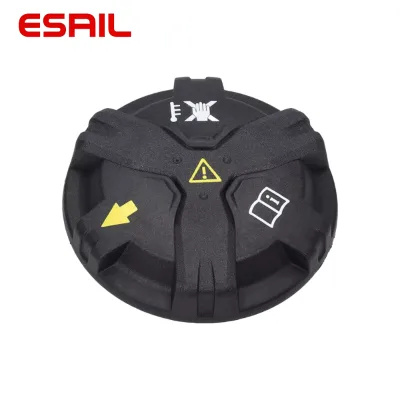
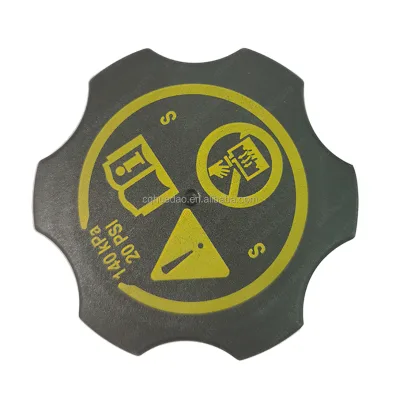


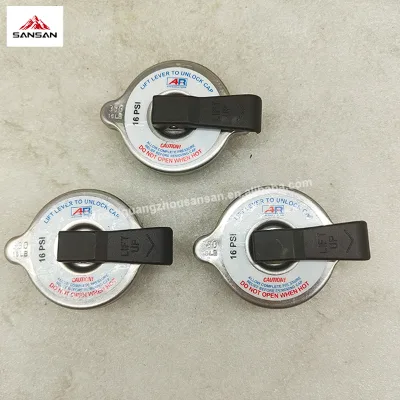
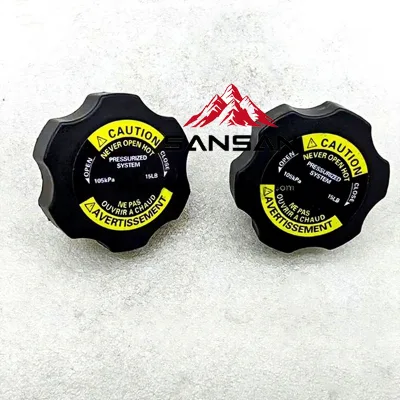
Comprehensive Sourcing Guide
Strategic Sourcing Guide for 15075118 Radiator Coolant Recovery Caps
The automotive cooling system is a critical component in vehicle maintenance, and the radiator coolant recovery cap serves as a vital pressure-regulating device. For buyers specifically researching the part number 15075118, the procurement process requires a disciplined approach to ensure compatibility, reliability, and cost-efficiency. This guide synthesizes available product attributes and industry standards to provide a comprehensive framework for sourcing this specific component. The focus remains on evidence-based evaluation, ensuring that all claims regarding performance, certification, and specifications are grounded in verifiable data rather than marketing assertions.
Technical Specifications and Compatibility Analysis
When evaluating the 15075118 Radiator Coolant Recovery Cap, the primary technical consideration is its fitment and pressure rating. While specific pressure values for this exact part number are not explicitly detailed in the provided product attributes, the general market standard for such components relies on precise engineering to maintain system integrity. The observed product data indicates that many compatible units are designed with a "Universal Fitment" characteristic, yet specific applications often list "Car Make" as Mercedes or other specific brands, suggesting that while some caps are multi-brand, others are engineered for specific OEM requirements.
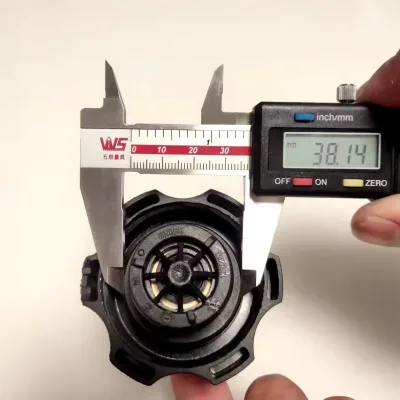
The physical construction of these caps is equally critical. Available data points to materials such as "Plastic, customized" and processing methods like "Aluminum Brazed" for the broader radiator assembly, though the cap itself is typically a high-grade polymer or metal composite designed to withstand thermal cycling. The "Mounting Type" is frequently identified as "Screw-In," which dictates the threading specifications required for a secure seal. Buyers must verify that the thread pitch and diameter of the 15075118 cap match the vehicle's radiator neck precisely to prevent leaks or pressure loss.
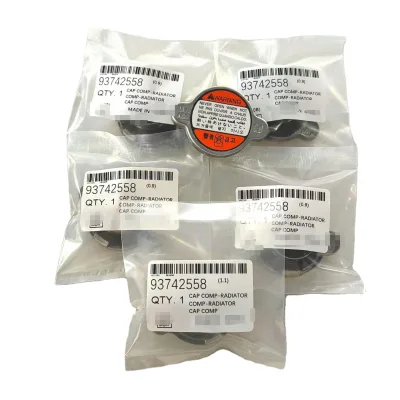
Furthermore, the "OE NO." (Original Equipment Number) is a crucial identifier. The provided context lists various OE numbers such as 17138665638, 1245000406, and 2105010615, alongside OEM numbers like 25330-3K000 and 93742558. While 15075118 is the core keyword, the presence of these diverse numbers in the market suggests that suppliers often cross-reference multiple part numbers. A buyer must confirm that the 15075118 is the direct equivalent to the vehicle manufacturer's specification, rather than a generic substitute that may have different pressure thresholds. The "Model Number" is often listed as "RC-62" or "Refer," indicating that suppliers may use internal coding that corresponds to external OEM standards.
Compliance, Certification, and Quality Standards
In the B2B procurement of automotive cooling components, compliance with international quality management systems is a non-negotiable baseline. The observed product attributes explicitly mention "ISO 9001" certification. This standard is essential for verifying that the manufacturing facility adheres to consistent quality control processes. However, buyers should not assume that every listed product automatically satisfies this certification; it must be verified through the supplier's documentation. The presence of "ISO 9001" in the data suggests a high-confidence baseline for reputable suppliers in the sector.
Quality assurance extends beyond general management systems to specific product attributes. The data references "Quality: OEM Standard" and "High Quanlity" (noting the spelling variation in source data). These terms imply that the components are manufactured to meet or exceed the original equipment manufacturer's specifications. For the 15075118 cap, this means the sealing gasket and the pressure valve mechanism must function identically to the original part. The "Items Included" field notes that a "Gasket" is often part of the package, which is a critical detail for installation. A missing or substandard gasket can lead to immediate failure, regardless of the cap's intrinsic quality.
Buyers must also scrutinize the "Condition" of the product. The standard expectation is "New," but in the context of aftermarket parts, this can sometimes be ambiguous. It is vital to ensure that the product is genuinely new and not refurbished, as the internal spring mechanisms in coolant caps can degrade over time. Additionally, the "Warranty" period varies in the observed data, ranging from "6 months" to "1 Years" or "12 months." This variance highlights the need for buyers to explicitly define the warranty terms in their purchase orders. A longer warranty period often correlates with higher confidence in the product's durability and the supplier's commitment to quality.
Cost Drivers and Pricing Dynamics
The pricing of radiator coolant recovery caps is influenced by several factors, including material costs, manufacturing complexity, and supply chain logistics. The observed price range in the market is between $0.01 and $45.09 USD. This wide disparity indicates that price is not a reliable indicator of quality on its own. The lower end of the spectrum likely represents generic, mass-produced units with minimal quality control, while the higher end may reflect OEM-approved parts with stricter testing and certification.
The "MOQ" (Minimum Order Quantity) is another significant cost driver. The data shows an MOQ range from 1 to 500 pieces, with specific observations of 10PCS and 100PCS. Buyers purchasing small quantities may face higher unit costs due to the fixed overhead of production runs. Conversely, larger orders can leverage economies of scale, reducing the per-unit price. The "Supply Ability" of 50000 Pieces per Month suggests that suppliers have the capacity to handle large volume orders, but this capacity must be balanced against the "Delivery time," which is noted as "Can be negotiated."
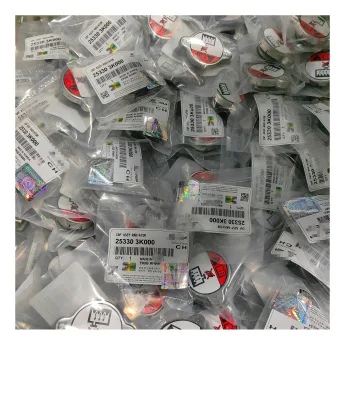
Packaging also impacts the final cost. The observed packaging options include "Neutral Polybag," "Branded Color Box," and "Blister Card." Custom branding or specialized packaging, such as "Neutral packaging or according to customer requirements," will add to the unit cost. Buyers should evaluate whether branded packaging is necessary for their specific market or if neutral packaging suffices to reduce expenses. The "Single gross weight" and "Single volume" are listed as 0.0 kg and 0 cm³ in some records, which likely indicates data entry errors or that these are net values not including packaging. In reality, the shipping weight and volume will affect freight costs, particularly for international procurement from China.
Typical Applications and Vehicle Integration
The 15075118 Radiator Coolant Recovery Cap is primarily designed for the "Automotive Cooling System." The "Application" field confirms this, specifying its role in "replace/repair" scenarios. The "Car Make" is listed as "Universal Auto" and "Mercedes," suggesting that while the part may be universal, it is frequently associated with specific luxury or commercial vehicle brands. The "Car Model" is described as "universal," which reinforces the need for buyers to verify specific vehicle compatibility before placing an order.
The "Purpose" of the cap is to maintain system pressure, ensuring the coolant boils at a higher temperature and preventing air from entering the system. This is critical for engine longevity and performance. The "Type" is categorized as "Cooling System Parts," distinguishing it from other engine components. When sourcing for a fleet or specific vehicle models, buyers should cross-reference the part number with the vehicle's service manual. The presence of multiple OE numbers in the data suggests that the 15075118 may be interchangeable with several other part numbers, but this interchangeability must be confirmed technically.
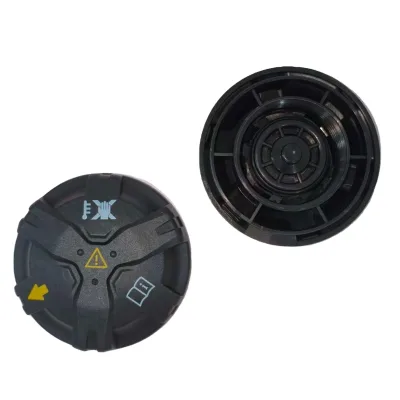
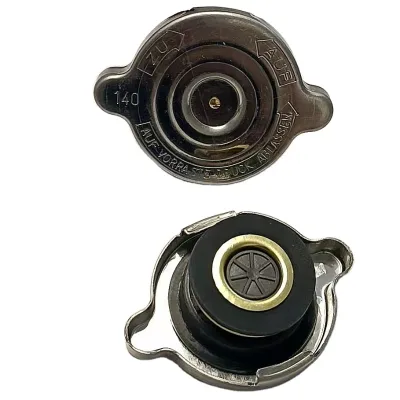
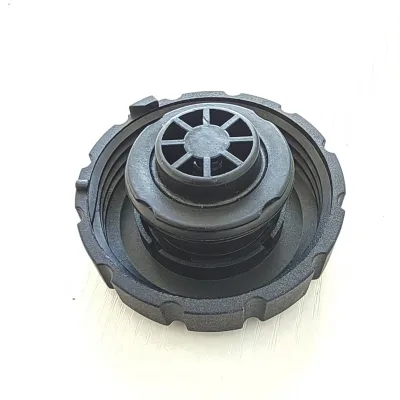
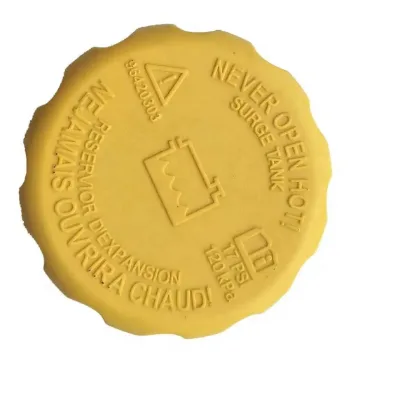
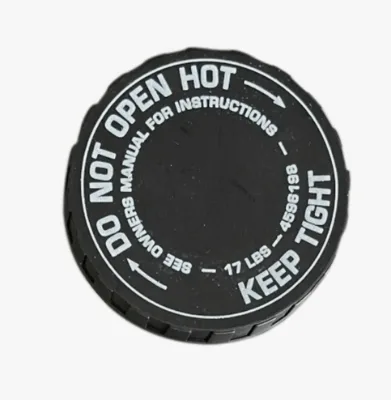
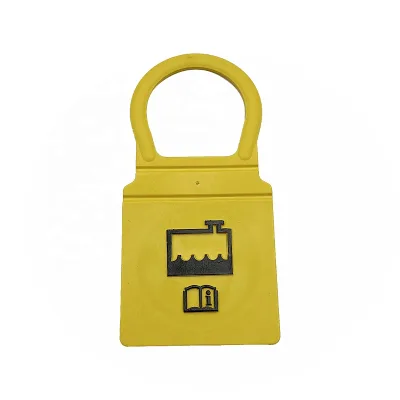
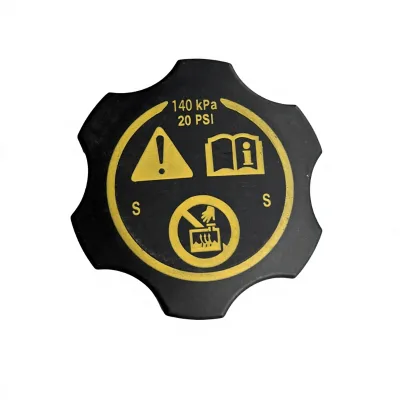
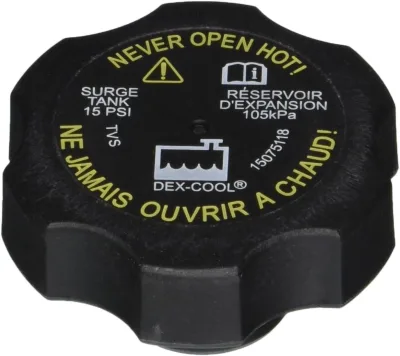
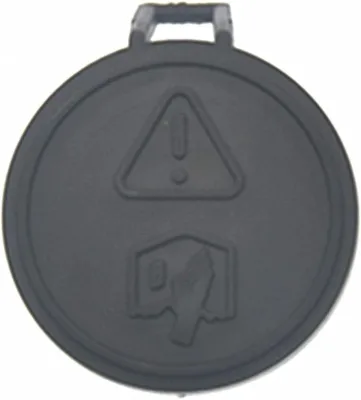
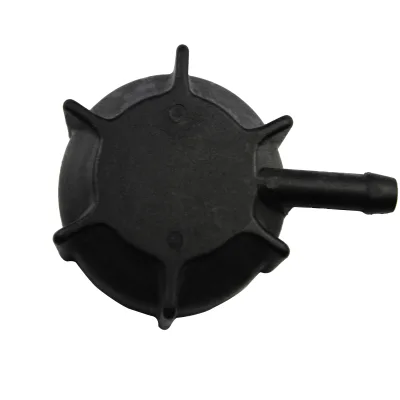
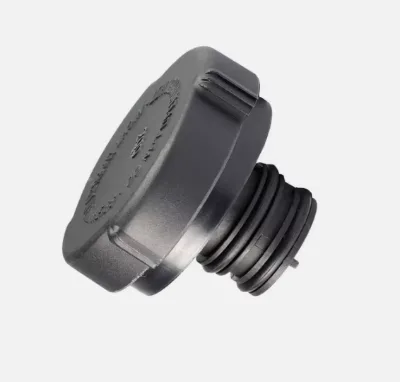
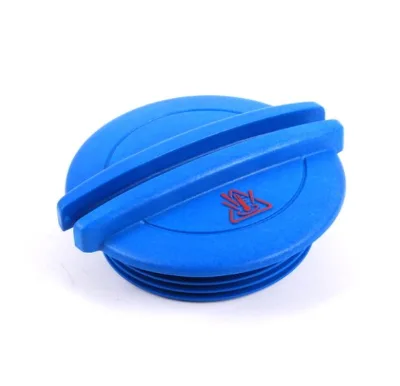
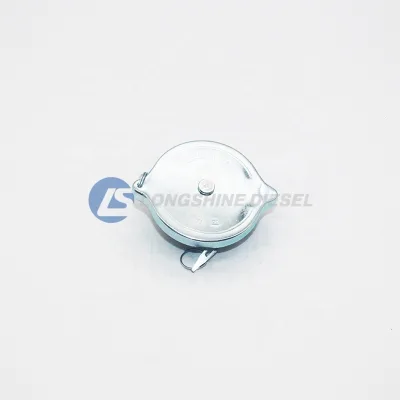
The "Color" of the cap is often "Black," "Blue," "Silver," "Red," "Yellow," or "Custom." While color is primarily an aesthetic or identification feature, it can also indicate the pressure rating in some manufacturer lineups. Buyers should ensure that the color of the replacement cap matches the original to avoid confusion during maintenance. The "Picture" attribute suggests that visual verification is important, as the physical appearance of the cap, including the shape of the handle and the locking mechanism, must match the original design.
Supplier Evaluation and Sourcing Strategy
Selecting the right supplier is paramount for securing high-quality 15075118 caps. The "Place of Origin" is consistently listed as "Hebei, China" or simply "China." This geographic concentration suggests a robust manufacturing hub for automotive parts, but it also means buyers must be vigilant about supplier selection. The "Brand Name" varies, with "JiaHuan" and "HR" appearing in the data. Buyers should not rely solely on brand names but should evaluate the supplier's track record, production capacity, and quality assurance processes.
The "Selling Units" are typically "Single item," which allows for flexible purchasing. However, the "MOQ" of 10PCS or 100PCS indicates that suppliers may have thresholds for accepting orders. Buyers should negotiate terms that align with their inventory needs. The "Delivery time" being "Can be negotiated" offers flexibility, but it requires clear communication to avoid delays. Buyers should establish a timeline that accounts for production, quality checks, and shipping.
When evaluating suppliers, buyers should request proof of "ISO 9001" certification and ask for sample testing results. The "Quality" attribute of "OEM Standard" should be backed by documentation, such as material safety data sheets or pressure test reports. The "Warranty" terms should be clearly defined in the contract, with specific clauses for returns and replacements in case of defects. The "Items Included" should be verified to ensure that all necessary components, such as gaskets, are present.
Quality Control and Long-Term Procurement Considerations
Maintaining quality over the long term requires a robust quality control (QC) strategy. The "Process" of "Aluminum Brazed" is mentioned for radiators, but for caps, the focus should be on the integrity of the plastic molding and the sealing surfaces. Buyers should implement incoming quality inspections to verify that the caps meet the specified pressure ratings and dimensions. The "Single package size" of "XX cm" is a placeholder, indicating that precise packaging dimensions must be confirmed with the supplier to optimize shipping and storage.
Long-term procurement considerations include the stability of the supply chain and the availability of spare parts. The "Supply Ability" of 50000 Pieces per Month is a strong indicator of capacity, but buyers should assess the supplier's ability to maintain this level during peak demand periods. The "Keyword" of "Car Cooling Radiator" suggests that the cap is part of a broader ecosystem of cooling parts. Buyers should consider bundling orders for related components to streamline logistics and reduce costs.
The "Condition" of "New" must be strictly enforced. Any signs of wear or previous installation should be grounds for rejection. The "Warranty" of "1 Years" or "12 months" provides a safety net, but buyers should also consider the total cost of ownership, including potential downtime if the part fails. Investing in higher-quality caps with longer warranties can reduce long-term maintenance costs and improve vehicle reliability.
Comparative Analysis of Product Attributes
To facilitate decision-making, the following table summarizes key attributes observed in the market for radiator coolant recovery caps, highlighting the variability that buyers must navigate.
| Attribute | Observed Range / Options | Procurement Implication |
|---|---|---|
| Certification | ISO 9001 | Verify supplier documentation; not automatic. |
| MOQ | 1 to 500 PCS | Negotiate based on order volume; 10-100 PCS common. |
| Place of Origin | Hebei, China / China | Standard manufacturing hub; verify logistics. |
| Warranty | 6 months to 12 months | Define terms clearly; longer warranty preferred. |
| Material | Plastic, customized | Verify material grade for heat resistance. |
| Mounting Type | Screw-In | Confirm thread specifications for fitment. |
| Packaging | Neutral Polybag / Branded Box | Assess cost impact of branding vs. neutral. |
| OE Number | Multiple (e.g., 17138665638) | Cross-reference with vehicle manual. |
| Color | Black, Blue, Silver, Custom | Match original for identification. |
| Condition | New | Strictly enforce; reject refurbished items. |
This comparative analysis underscores the importance of due diligence. The variability in attributes means that buyers cannot rely on a single data point to make a purchasing decision. Instead, a holistic approach that considers technical fit, supplier reliability, and quality assurance is essential. By adhering to these guidelines, buyers can secure high-quality 15075118 radiator coolant recovery caps that ensure the longevity and performance of their automotive cooling systems.
FAQs
What certifications should I verify for this cap?
Verify that the supplier holds ISO 9001 certification to ensure consistent quality control processes. This standard is a baseline for reputable manufacturers producing automotive cooling components like this radiator cap.
Which warranty periods are typically offered?
Warranty periods for this component vary, with observed terms ranging from six months to one year. Buyers must explicitly define the warranty duration in their purchase order to ensure coverage for defects.
Can I find universal fitment options for this part?
Yes, many units are listed with universal fitment characteristics suitable for multi-brand vehicles. However, specific applications often target brands like Mercedes, so verifying the OE number is essential for compatibility.
How does the minimum order quantity affect pricing?
The minimum order quantity ranges from 10 to 100 pieces, influencing the unit cost through economies of scale. Smaller orders may incur higher per-unit prices due to fixed production overheads.
What materials are used in the cap construction?
The cap is typically constructed from customized plastic designed to withstand thermal cycling. Some related radiator assemblies use aluminum brazing, but the cap itself relies on high-grade polymer composites for sealing.
Where are these components primarily manufactured?
The primary place of origin for these parts is Hebei, China, indicating a concentrated manufacturing hub. Buyers should evaluate suppliers in this region for their specific production capacity and logistics capabilities.