Source 192 Titanium Microneedle Stamp for Salon, Home, and Spa
Compare 30 verified listings for the 192 Titanium Microneedle Stamp designed for facial rejuvenation and body treatments. Buyers can evaluate adjustable needle lengths, sterilization methods, and OEM capabilities from multiple Chinese manufacturers.
Key considerations
Products List




Comprehensive Sourcing Guide
Strategic Sourcing Guide for 192 Titanium Microneedle Stamps
Understanding the Technical Landscape of 192-Needle Systems
The core keyword "192 Titanium Microneedle Stamp" refers to a specific category of derma-stamping devices designed for high-density skin penetration. In the context of professional beauty equipment, the number "192" indicates the total count of individual needles arranged in a grid pattern on the stamp head. This configuration is distinct from roller systems, which often feature fewer needles or a different mechanical action. The primary material specification for the needles in this category is titanium, a choice driven by the metal's superior corrosion resistance, biocompatibility, and ability to maintain a sharp edge longer than standard stainless steel alternatives.
When evaluating a 192 Titanium Microneedle Stamp, buyers must distinguish between fixed-length and adjustable-length models. While the supplied product data indicates that some models in the broader microneedle category offer adjustable needle lengths ranging from 0 to 2mm, the specific 192-count configuration often implies a fixed depth for precision treatments, though adjustable variants exist. The needle material is a critical differentiator; while some products in the market utilize stainless steel, the titanium variant offers a premium alternative for clients with sensitive skin or those requiring repeated sterilization cycles. The handle material is typically ABS plastic, providing a lightweight and durable grip for the practitioner during treatment.
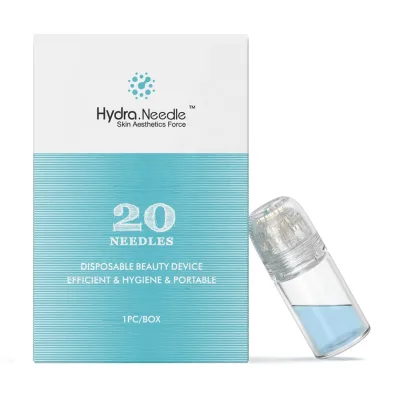
The functional application of these devices centers on transdermal delivery and skin rejuvenation. The high needle count allows for rapid coverage of the treatment area, making it efficient for facial and body applications. The "stamp" mechanism ensures vertical penetration, which is generally preferred over the rolling motion for minimizing skin trauma and ensuring consistent depth. This vertical action is crucial for the delivery of serums, which are often applied in conjunction with the device. The vial capacity for accompanying serums varies, with observed specifications including 5ml, 10ml, and other volumes depending on the specific model configuration.
Compliance and Certification Verification Protocols
Navigating the regulatory landscape for medical and beauty devices is a critical step in the procurement process. For a 192 Titanium Microneedle Stamp to be legally marketed and used in professional settings, it must adhere to specific international standards. The supplied data highlights several key certifications that serve as benchmarks for compliance, including CE, FCC, RoHS, and ISO13485.
The CE mark indicates conformity with health, safety, and environmental protection standards for products sold within the European Economic Area. The FCC certification is relevant for devices that may emit radio frequency signals, ensuring they do not interfere with other electronic equipment. RoHS compliance ensures that the device is free from specific hazardous substances, which is a standard requirement for electronic and medical components. Most importantly, ISO13485 is the international standard for quality management systems specific to medical devices. Procurement of a device with this certification suggests that the manufacturer maintains a rigorous quality control system designed to ensure product safety and efficacy.
Buyers must verify the validity of these certifications rather than accepting them as generic claims. The presence of a certificate does not automatically guarantee that every unit in a batch meets the standard; it indicates that the manufacturing process is certified. For the 192 titanium stamp, the buyer should request the specific certificate numbers and verify them against the issuing bodies. Additionally, while the supplied text mentions "CE" as a low-confidence background fact, it is listed as a high-confidence attribute for specific models like the Bio Needle 120. This suggests that while certification is common, the specific scope and validity must be confirmed for the 192 model in question.
Cost Drivers and Pricing Dynamics
The pricing of a 192 Titanium Microneedle Stamp is influenced by several material and manufacturing factors. The observed price range in the market for similar beauty equipment spans from $1.50 to $9.99 USD. However, this range likely encompasses a variety of product qualities, from basic disposable units to professional-grade reusable devices. The use of titanium for the needles is a significant cost driver compared to stainless steel. Titanium is more expensive to source and requires more complex machining to achieve the precise 192-needle grid without compromising structural integrity.
The Minimum Order Quantity (MOQ) is another critical factor affecting the unit cost. The observed MOQ range for these products is between 10 and 500 units. Buyers purchasing smaller quantities, such as the lower end of the MOQ spectrum, may face higher per-unit costs. Conversely, ordering at the higher end of the range can significantly reduce the average cost per unit. The customization options available, such as OEM and ODM services, also impact pricing. Custom branding, specific packaging requirements, or tailored needle configurations will increase the overall cost of the procurement.
The packaging type, described in the data as "Ultra Box" or "Individual Sealed Package," adds to the cost structure. Professional-grade packaging is essential for maintaining sterility and ensuring the product arrives in pristine condition. The inclusion of a serum vial, whether made of PC, glass, or PE & Glass, also contributes to the final price. Glass vials, for instance, are generally more expensive than plastic alternatives but offer better chemical resistance and a premium feel. Buyers should analyze the total cost of ownership, including the need for replacement needle heads, rather than focusing solely on the initial purchase price of the device.
Typical Applications and Treatment Areas
The 192 Titanium Microneedle Stamp is designed for a wide range of aesthetic and therapeutic applications. The primary treatment areas include the face, whole body, and specific zones such as the head. The high density of 192 needles allows for efficient coverage of large surface areas, making it suitable for body treatments where speed and uniformity are essential. For facial applications, the precision of the stamp mechanism allows for targeted treatment of wrinkles, scars, and skin texture issues.
The functional capabilities of the device extend beyond simple skin puncture. The system is often marketed for body rejuvenation, wrinkle removal, and skin rejuvenation. The titanium needles are particularly effective for delivering serums into the dermis, enhancing the absorption of active ingredients. This makes the device a versatile tool for treatments involving anti-puffiness and blood vessel removal, as noted in the product features. The adjustable needle length, where available, allows practitioners to customize the depth of penetration based on the treatment area and the patient's skin thickness. For example, shorter lengths may be used for delicate facial areas, while longer lengths might be required for body scar treatment.
The versatility of the device is further enhanced by its compatibility with various serums. The vial capacity, ranging from 5ml to 10ml, ensures that there is sufficient product for a full treatment session. The material of the vial, whether glass or plastic, must be compatible with the serum being used to prevent chemical reactions. The device is suitable for both salon and home use, though the level of training required may differ. Professional settings typically utilize the device for advanced treatments, while home-use versions may be designed with safety features to prevent excessive penetration.
Supplier Evaluation and Sourcing Criteria
Selecting the right supplier for a 192 Titanium Microneedle Stamp requires a rigorous evaluation process. The supply chain for these devices is primarily located in China, as indicated by the product origin data. Buyers should prioritize suppliers who demonstrate transparency in their manufacturing processes and provide clear documentation of their quality control measures. The availability of OEM and ODM services is a strong indicator of a supplier's flexibility and capability to meet specific buyer requirements.
When evaluating potential suppliers, buyers should look for those who explicitly state their adherence to ISO13485 and other relevant certifications. The ability to provide a valid warranty, such as the 6-month warranty observed in the market, is another key metric. This warranty reflects the supplier's confidence in the durability and safety of their products. Additionally, the supplier's shipping capabilities, including options like DHL, TNT, EMS, FedEx, and UPS, are important for ensuring timely delivery and reliable logistics.
The supplier's capacity to handle customization requests is also crucial. Whether the buyer requires specific branding, unique packaging, or modified needle configurations, the supplier must have the technical expertise to execute these changes. The "Acceptable" status for OEM and ODM services suggests that customization is a standard offering, but the extent of these services should be clarified during the negotiation phase. Buyers should also assess the supplier's response time and communication efficiency, as these factors can significantly impact the procurement experience.
Quality Control and Long-Term Procurement Considerations
Ensuring the quality of the 192 Titanium Microneedle Stamp is paramount for both safety and efficacy. Quality control measures should include rigorous testing of needle sharpness, material integrity, and assembly precision. The needle material, specifically titanium, must be verified to ensure it meets the required biocompatibility standards. The handle material, typically ABS, should be checked for durability and resistance to breakage during use.
Long-term procurement considerations involve establishing a reliable supply chain that can consistently deliver high-quality products. Buyers should consider the lifecycle of the device, including the need for replacement needle heads and the frequency of sterilization. The warranty period, such as the 6-month term observed, provides a baseline for expected product longevity, but buyers should also inquire about the availability of spare parts and the cost of replacements.
The packaging and shipping methods play a significant role in maintaining product quality. The "Individual Sealed Package" ensures that the device remains sterile until use. Buyers should verify that the packaging is robust enough to prevent damage during transit. The use of certified shipping partners like DHL or FedEx helps ensure that the product arrives in the expected condition.
Finally, buyers should maintain a continuous relationship with their supplier to stay updated on new product developments and regulatory changes. The beauty and medical device industry is subject to frequent updates in standards and regulations. A proactive supplier will keep buyers informed of these changes, ensuring that the procurement strategy remains compliant and effective. By focusing on these quality control and long-term considerations, buyers can secure a reliable supply of 192 titanium microneedle stamps that meet their professional standards and customer expectations.
FAQs
What certifications do 192 titanium microneedle stamps typically hold?
These devices typically hold CE, FCC, RoHS, and ISO13485 certifications. Buyers should verify specific certificate numbers to ensure the manufacturing process meets international quality management standards for medical devices.
How does needle material affect the performance of these stamps?
Titanium needles offer superior corrosion resistance and maintain sharpness longer than stainless steel. This material choice is ideal for clients with sensitive skin or those requiring repeated sterilization cycles during treatment.
What is the adjustable needle length range for these devices?
Adjustable models offer needle lengths ranging from 0 to 2mm depending on the specific configuration. Practitioners can customize penetration depth based on the treatment area and the patient's skin thickness for optimal results.
Can these stamps be customized for specific branding requirements?
Yes, OEM and ODM customization services are available for these beauty equipment products. Buyers can request specific branding, unique packaging, or tailored needle configurations to meet their market needs.
What is the typical minimum order quantity for purchasing these stamps?
The observed minimum order quantity ranges from 10 to 500 units depending on the supplier. Purchasing smaller quantities may result in higher per-unit costs compared to orders at the higher end of the range.
Where are these microneedle stamps primarily manufactured?
The product origin for these devices is primarily China. Buyers should prioritize suppliers who demonstrate transparency in their manufacturing processes and provide clear documentation of their quality control measures.
What warranty periods are commonly offered for this equipment?
A 6-month warranty is commonly observed for these beauty devices. This warranty reflects the supplier's confidence in the durability and safety of their products during the initial period of use.