Source Portable Laser Hair Removal Machine for Salon, Home, and Clinic
Find a Portable Laser Hair Removal Machine from 30 verified listings. Compare diode and E-light technologies, wavelengths, and cooling systems for salon, home, and clinic use. Review specifications like energy output and screen interfaces to select the right device for your business needs.
Key considerations
Products List


Laser Hair Removal and Skin Rejuvenation Beauty Machine Laser Hair Removal Machine
$5300.00 - $5700.00
MOQ: 1 Pieces

Laser IPL Epilator Hair Removal Machine/Commercial Laser Hair Removal Machine
$1000.00 - $2500.00
MOQ: 1 set
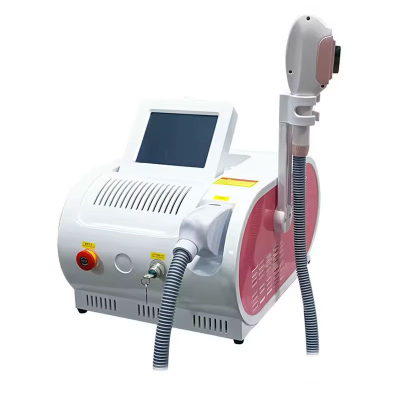


Laser Hair Removal Machine Professional Diode Laser Hair Removal 808 Portable
$2990.00 - $3650.00
MOQ: 1 Pieces


Highly Effective Diode Laser Hair Removal Machine Price / Hair Remove
$2300.00 - $5900.00
MOQ: 1 Pieces


Hot Sales Portable 808nm Diode Laser Hair Removal Machine Removal Machine
$894.00 - $967.00
MOQ: 1 Pieces


Professional 2026 CE Approval Equipment Permanent Hair Removal Laser Machine
$2500.00 - $2700.00
MOQ: 1 Pieces


Comprehensive Sourcing Guide
Portable Laser Hair Removal Machine Sourcing Guide
Procuring portable laser hair removal machines requires a nuanced understanding of the distinction between true handheld devices and compact, cart-based systems often marketed under similar terminology. The current market landscape, as indicated by observed listings, reveals a significant divergence in product form factors. While some suppliers offer genuinely portable units designed for home use or mobile salon services, others list larger, non-portable diode laser systems that are merely compact enough to fit in a vehicle. Buyers must carefully distinguish between these categories to ensure the equipment aligns with their specific operational model, whether that involves stationary clinic treatments, mobile beauty services, or direct-to-consumer home applications.
The core technology driving most of these devices is diode laser therapy, typically operating at an 808nm wavelength, which is widely recognized for its efficacy in targeting melanin in hair follicles. However, the observed data also includes systems utilizing E-Light technology, which combines IPL and RF, as well as multi-wavelength configurations that may include 755nm and 1064nm. This variety necessitates a thorough verification of the laser type and emitter specifications. Buyers should prioritize devices that clearly specify their laser type, such as semiconductor lasers, and verify the energy output ranges, which can vary significantly from 1-200J/cm² depending on the intended clinical application and safety profiles.
Product Scope and Observed Listing Signals
The observed product listings indicate a wide price range, spanning from approximately $27.08 to $15,000, which reflects the vast disparity between simple home-use devices and professional-grade clinical equipment. This broad spectrum suggests that buyers must define their budget and performance expectations early in the sourcing process. Lower-priced items may correspond to basic, single-wavelength units with limited customization options, while higher-priced models often feature advanced cooling systems, larger touch screens, and multi-wavelength capabilities. Understanding this price-to-feature correlation is essential for avoiding misaligned expectations and ensuring that the selected device meets the required clinical or commercial standards.
Minimum Order Quantities (MOQ) observed in the market range from 1 to 20 units, indicating flexibility for both individual buyers and small businesses. This variability allows for tailored procurement strategies, whether sourcing a single unit for testing or a batch for distribution. Additionally, the availability of OEM and ODM services suggests that many suppliers are open to custom branding and specification adjustments. Buyers should leverage this flexibility to align the product with their brand identity, ensuring that the final device, whether portable or non-portable, carries the appropriate labeling and packaging that meets their target market’s regulatory and aesthetic requirements.
Technical Specifications to Verify
When evaluating technical specifications, the wavelength is a critical parameter that determines the device’s effectiveness for different skin and hair types. The most common specification observed is 808nm, often paired with 755nm and 1064nm for comprehensive treatment capabilities. Buyers must verify the exact wavelength configuration, as devices offering 808nm/808nm+755nm+1064nm provide broader treatment options compared to single-wavelength units. Additionally, the spot size, which can range from 1212mm² to 1228mm, impacts treatment speed and coverage. Larger spot sizes are generally preferred for professional settings to reduce treatment time, while smaller spots may be suitable for more precise, delicate areas.
The cooling system is another vital technical aspect that ensures patient comfort and device longevity. Observed configurations include air, water, and semiconductor module cooling, which work in tandem to dissipate heat generated by the laser emitter. Buyers should verify the specific cooling mechanism, as inadequate cooling can lead to skin discomfort or device overheating. Furthermore, the laser emitter power, ranging from 1200W to 2000W, and the pulse duration, which can extend up to 14000ms, are key performance indicators. These parameters must be aligned with the intended application, whether for rapid hair removal in a salon setting or slower, more precise treatments in a home environment.
Compliance and Safety Documentation
Compliance with international standards is paramount when sourcing laser hair removal devices, particularly for export markets. The CE certification is a common requirement, indicating that the product meets EU health, safety, and environmental protection standards. Buyers must request valid CE certificates and verify their authenticity through the relevant notified bodies. Additionally, ISO 13485 certification, which pertains to medical device quality management systems, is a strong indicator of a supplier’s commitment to quality control. Although not always explicitly listed, verifying the supplier’s adherence to such standards can provide assurance regarding the manufacturing processes and product consistency.
Safety features and documentation should be thoroughly reviewed to ensure the device operates within safe parameters. This includes verifying the voltage specifications, which are typically 110V/220V with a frequency of 50-60Hz, to ensure compatibility with local power grids. Buyers should also check for comprehensive user manuals and safety guidelines that detail proper operation, maintenance, and emergency procedures. The presence of a 15-inch TFT color LCD touch screen or similar interface suggests advanced control capabilities, but buyers must ensure that the software includes safety interlocks and error codes to prevent misuse. Proper documentation is essential for regulatory approval and user safety.
Cost Drivers and Commercial Terms
Several factors influence the final cost of portable laser hair removal machines, including the complexity of the cooling system, the number of wavelengths, and the build quality of the housing. Devices with aluminum alloy cases and advanced semiconductor cooling tend to be more expensive due to higher material and manufacturing costs. Additionally, the inclusion of features such as large touch screens, customizable pulse durations, and multi-wavelength emitters adds to the overall price. Buyers should consider these cost drivers when comparing quotes, ensuring that they are not paying for unnecessary features or underestimating the value of robust construction and advanced technology.
Commercial terms, including packaging and shipping, also play a significant role in the total cost of ownership. Observed packaging options range from export standard cartons to aluminum alloy cases with plastic foam inside, which can affect shipping costs and product protection. The standard package dimensions and weight, such as 534854cm and 37kg for some models, or 6757130cm and 45kg for others, must be considered when calculating logistics expenses. Buyers should negotiate clear terms regarding shipping responsibilities, insurance, and delivery times to avoid unexpected costs. Understanding these commercial nuances helps in budgeting accurately and ensuring a smooth procurement process.
Supplier Qualification and Quality Control
Supplier qualification is a critical step in mitigating risks associated with sourcing medical and beauty devices. Buyers should verify the supplier’s manufacturing capabilities, including their production facilities and quality control processes. The origin of the products, often listed as Guangzhou or Beijing in China, can provide insights into the supplier’s industrial ecosystem and supply chain efficiency. However, buyers must conduct due diligence to ensure that the supplier has a proven track record of producing reliable and safe devices. Requesting references, case studies, or third-party audit reports can provide additional confidence in the supplier’s credibility and operational stability.
Quality control measures should be explicitly defined in the procurement agreement. This includes pre-shipment inspections, functional testing of the laser emitter, and verification of cooling system performance. Buyers should insist on detailed inspection reports and, if possible, conduct on-site audits or hire third-party inspection services. The warranty period, typically observed as two years, is a key indicator of the supplier’s confidence in their product. However, buyers should clarify the terms of the warranty, including coverage for parts and labor, and the process for claiming repairs or replacements. Robust quality control and clear warranty terms are essential for long-term satisfaction and risk management.
Long-Term Procurement Checks
Long-term procurement success depends on establishing a sustainable relationship with the supplier and ensuring ongoing support for the devices. Buyers should verify the availability of spare parts, such as laser emitters and cooling components, to minimize downtime in case of repairs. The service support offered, including OEM/ODM capabilities and technical assistance, is crucial for maintaining the devices over their lifespan. Buyers should negotiate clear service level agreements that define response times, repair procedures, and the availability of technical documentation. This proactive approach ensures that the devices remain operational and compliant with evolving regulatory standards.
Regular performance monitoring and maintenance are also essential for maximizing the lifespan and efficacy of the laser hair removal machines. Buyers should establish a routine maintenance schedule, including cleaning the cooling system and checking the laser emitter’s output. Training staff on proper operation and maintenance procedures can prevent premature wear and ensure consistent treatment results. Additionally, staying informed about updates in laser technology and regulatory requirements can help buyers make informed decisions about future upgrades or replacements. By focusing on long-term support and maintenance, buyers can protect their investment and deliver high-quality services to their clients.
FAQs
What customization options are available for portable laser hair removal machines?
Customization is available for these portable laser hair removal instruments. Buyers can request OEM and ODM services to tailor specifications like wavelength, energy, and cooling systems to their specific salon or home needs while maintaining the core diode laser technology.
Which certifications do these portable laser hair removal devices hold?
These portable laser hair removal instruments hold CE certification. This ensures the devices meet essential safety and performance standards required for operation in various international markets, providing assurance for buyers sourcing equipment for professional salon or home use applications.
How does the cooling system work on portable laser hair removal machines?
The cooling system combines air, water, and semiconductor modules to protect skin during treatment. This multi-layer approach ensures safe operation for permanent laser hair removal while allowing the portable device to handle high energy outputs up to 200 joules per square centimeter effectively.
What is the warranty period for portable laser hair removal machines?
The warranty period for these portable laser hair removal machines is two years. This coverage applies to the semiconductor laser components and ensures long-term reliability for buyers who invest in professional-grade equipment for salon or home permanent hair removal procedures.
Can I find portable laser hair removal machines with specific wavelengths?
Yes, you can find portable laser hair removal machines with specific wavelengths like 808nm or combinations including 755nm and 1064nm. These diode laser devices offer versatile treatment options for different skin types and hair colors while maintaining the portable design for salon or home use.
What is the energy range for portable laser hair removal instruments?
The energy range for these portable laser hair removal instruments spans from 1 to 200 joules per square centimeter. This adjustable output allows practitioners to customize treatment intensity for various body areas while ensuring safety and effectiveness for permanent laser hair removal procedures.
How is the Portable Laser Hair Removal Machine packaged for shipping?
The Portable Laser Hair Removal Machine is packaged in an export standard carton or an aluminum alloy case with plastic foam inside. This secure packaging protects the device during transit from Guangzhou or Beijing, ensuring it arrives safely for immediate use in salons or homes.