Source Cavitation Machine for Salon, Home, and Clinic Use
Explore 30 options for Cavitation Machine devices designed for body slimming, fat removal, and skin tightening. Compare specifications from suppliers in China, including RF and vacuum technologies, to find suitable equipment for professional salons, clinics, and home use; compare the available evidence and request quotations based on your requirements.
Key considerations
Products List

40K Cavitation Machine RF Cavitation Slimming Multifunctional Machine
$1800.00 - $2600.00
MOQ: 1 Pieces

Vacuum Cavitation System Slimming Machine Cavitation RF Ultrasonic Cavitation
$1800.00 - $2600.00
MOQ: 1 Pieces


Cavitation RF Vacuum Slimming/Ultrasonic Cavitation/Slimming Cavitation Machine for Sale
$1000.00 - $3200.00
MOQ: 1 Pieces

Ultrasonic Cavitation Machine Home Use Cavitation Machine Body Slimming
$1800.00 - $2600.00
MOQ: 1 Pieces


Ultrasonic Cavitation RF Vacuum Bio Slimming Machine Ultrasound Cavitation
$513.00 - $586.00
MOQ: 1 Pieces

Ultrasonic Cavitation Cavitation+RF+Vacuum Cavitation Body Slimming Machine
$1040.00 - $1223.00
MOQ: 1 Pieces


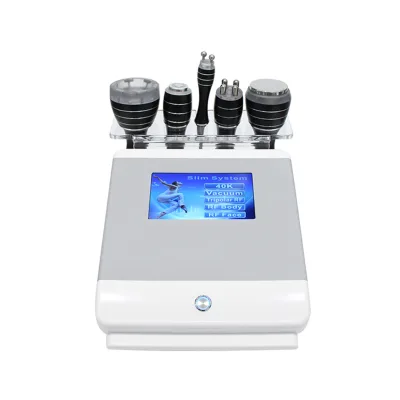

RF Skin Firming Cavitation Skin Rejuvenation Cavitation Vacuum Machine
$430.00 - $480.00
MOQ: 1 Pieces


Comprehensive Sourcing Guide
Cavitation Machine Sourcing Guide
Buyers must first distinguish between the specific functional claims observed in listings, such as weight loss, skin tightening, and fat removal, versus the underlying technologies driving these results. The market data indicates a prevalence of Radio Frequency (RF) and vacuum-based systems, often combined with near-infrared laser technology, which are marketed for body shaping and cellulite reduction. Procurement teams should verify that the specific model selected aligns with the intended treatment scope, whether for salon, clinic, or home use, as the application environment dictates the necessary durability and feature set.
It is critical to recognize that product names like "Cavitation Machine 40K" or "80K Fat Blasting Instrument" often refer to specific frequency capabilities rather than a universal standard. Sourcing strategies should focus on the actual technical configuration, such as the inclusion of multiple handles or specific screen interfaces, rather than relying solely on marketing titles. Buyers need to confirm that the observed functions, including permanent hair removal or skin rejuvenation, are supported by the specific hardware configuration of the unit being purchased to avoid mismatched expectations.
Product Scope and Observed Listing Signals
The observed product range includes devices with varying screen sizes, such as 8.4-inch true color LCD touch screens, and diverse packaging options ranging from aluminum cases to standard cartons. These physical attributes often correlate with the intended portability and professional grade of the equipment, with some units designed for salon environments while others are marketed for home application. Procurement decisions should weigh the importance of a multi-language interface and the specific dimensions of the packing unit, as these factors influence logistics and user accessibility in different markets.
Listing signals frequently highlight customization options for software, logos, colors, and covers, which are essential for branding in competitive B2B markets. However, buyers must treat these customization claims as available options rather than guaranteed inclusions for every unit in a specific order. The presence of multiple product names, such as "Beauty Machine" or "Slimming Machine," suggests a broad categorization that requires careful filtering to identify the exact model, such as the C800 or AME246-B, that meets the specific technical requirements of the buyer's facility.
Technical Specifications to Verify
Verification of the core technology is paramount, as listings cite theories ranging from Radio Frequency to combinations involving vacuum and near-infrared laser systems. Buyers should explicitly request technical datasheets that confirm the frequency of the cavitation component, whether it is 40kHz or 80kHz, and ensure that the handle count, such as the observed 11-piece set, matches the operational needs of the treatment protocol. The distinction between different models, like the HM-C800 versus the AMP337-B, often lies in these specific technical parameters rather than general marketing descriptions.
Physical specifications, including the dimensions of the device and its packaging, are critical for logistics planning and facility layout. Observed packing standards vary significantly, with some units measuring 59x50x53cm while others are more compact at 46x37x28cm, directly impacting shipping costs and storage requirements. Procurement teams must validate that the stated dimensions correspond to the actual product to avoid unexpected freight charges or the inability to fit the equipment into designated treatment rooms or storage areas.
Compliance and Safety Documentation
Regulatory compliance is a primary concern, with listings referencing a wide array of certifications including Medical CE, ISO, TUV, 510K FDA, SFDA, and TGA. Buyers must treat these certifications as claims that require independent verification rather than automatic assurances of compliance for every unit in a specific batch. The presence of multiple standard references suggests a complex regulatory landscape where the specific certification required depends on the target market and the intended medical or cosmetic classification of the device.
Documentation should explicitly confirm the warranty terms and the scope of technical support provided by the supplier. Observed warranty periods typically range from one year to twelve months, often accompanied by a promise of lifetime technical support, but the specific conditions of these claims must be detailed in the contract. Procurement teams should ensure that the warranty covers the specific components mentioned in the technical specifications, such as the handles or the main generator, to protect against premature equipment failure.
Cost Drivers and Commercial Terms
The commercial landscape for these devices shows a wide price range, observed between 1 and 10,000 USD, driven by the complexity of the technology and the level of customization required. Factors such as the inclusion of advanced features like multi-language software, specific screen technologies, and the number of handles significantly influence the final unit cost. Buyers should analyze the cost structure to understand whether a lower price point reflects a basic configuration or a lack of essential safety and performance features.
Minimum Order Quantities (MOQ) are observed to be flexible, with some suppliers offering a single set as the entry point, while others may have different thresholds for customized orders. The low MOQ of one set allows for smaller procurement cycles, which is beneficial for testing new markets or supplementing existing inventory without significant capital commitment. However, buyers must clarify if the low price point associated with a single unit applies to customized branding or if bulk orders are necessary to achieve specific pricing tiers for software and logo customization.
Supplier Qualification and Quality Control
Supplier qualification should focus on the manufacturing origin and the consistency of the production process, with observed origins including Shandong and Guangdong provinces in China. Buyers must verify that the supplier has a robust quality control system capable of maintaining consistency across different models, such as the TH203-B or TPH519-B, to ensure that every unit meets the advertised specifications. The location of the factory can also impact lead times and the ability to conduct on-site audits, which are essential for verifying the claimed production capabilities.
Quality control protocols must extend to the packaging and shipping process, as the observed packing standards vary from aluminum cases to cartons. Buyers should require evidence that the packaging is designed to protect the sensitive electronic components, such as the LCD screens and laser modules, during transit. The inclusion of a service team offering 24-hour online support is a positive indicator, but the actual response time and technical competence of this team must be validated through trial interactions before finalizing the procurement agreement.
Long-Term Procurement Checks
Long-term success depends on the availability of spare parts and the continuity of technical support over the product lifecycle. Buyers should establish clear agreements regarding the supply of replacement handles, cables, and other consumables that are integral to the operation of the Cavitation Machine. The promise of lifetime technical support is a significant value proposition, but it must be backed by a documented service level agreement that defines response times and the scope of remote assistance provided.
Procurement strategies should also account for the potential need for software updates or firmware upgrades to maintain compliance with evolving safety standards. The observed customization options for software suggest that the device may require periodic updates to remain functional in different regions or to add new treatment protocols. Buyers must ensure that the supplier has a mechanism to deliver these updates securely and that the cost of future maintenance is clearly defined to avoid unexpected operational expenses.
FAQs
How does a Cavitation Machine work for body slimming?
A Cavitation Machine uses low-frequency ultrasound waves, typically 40K or 80K, to create bubbles in fat cells that break down fat tissue, which the body then processes naturally. Many models also combine RF, vacuum, and near-infrared technologies to support skin tightening, cellulite reduction, and body shaping in one treatment session.
Which certifications should I check before buying a Cavitation Machine?
Check for Medical CE and ISO certification as a baseline, since these are listed for many salon-grade cavitation machines. Some models also reference TUV medical CE, 510K FDA, SFDA, or TGA registrations. Always request copies of current certificates from the vendor and confirm which specific model number each certificate actually covers before ordering.
Can I order a Cavitation Machine with a low minimum quantity?
Yes, many listings show an MOQ of 1 set, so single-unit trial orders are commonly accepted for salon and clinic buyers. One listing explicitly states MOQ: 1 Set. Larger quantities may unlock better unit pricing, so it is worth requesting quotes at a few volume levels before committing to a first order.
What customization options are available for cavitation machines?
Listed OEM options include custom software, logo, color, and cover, so you can brand machines for your salon or distribution business. Customization is generally easier with the 8.4 inch true color LCD touch screen models that support multi-language interfaces. Confirm minimum quantities for OEM orders and request samples of custom logos or packaging before mass production.
How are cavitation machines packed and what warranty is offered?
Packing varies by model: some machines ship in an aluminum case, others in case packing or a carton, with listed carton sizes such as 46×37×28 cm or 59×50×53 cm. Warranty terms listed include 12 months with lifetime technical support on one model and 1 year on another. Confirm warranty scope in writing, including parts and shipping costs.
Where are cavitation machines mainly produced and how do models differ?
Listed production origins include Shandong and Guangdong, China. Models differ in technology and configuration: the C800/HM-C800 uses RF theory with an 8.4 inch touch screen, while other listed models such as TH203-B and TPH519-B focus on 40K or 80K fat blasting, with some offering up to 11 handles combining vacuum, 940nm laser, and bipolar RF.
How do I choose between 40K and 80K cavitation machines?
Both frequencies target fat reduction, but 80K is often positioned for faster fat blasting while 40K machines are widely used for general body slimming sessions. Consider handle count, since some machines include 11 handles with vacuum and RF functions for broader treatment coverage. Match the frequency and functions to your salon services and client demand.
Can cavitation machines be used at home as well as in salons?
Yes, listed applications cover personal, home, clinic, salon, hospital, and SPA use, and some models are explicitly marked portable. Home users should choose portable machines with simpler controls, while salons benefit from multi-handle units with stronger configurations. Professional-looking results depend on correct technique, so request operation training materials and follow the included user manual carefully.