Source Pregnancy Folic Acid Tablets for women, fertility, and nutrition
Find 30 verified options for Pregnancy Folic Acid Tablets tailored for women, fertility support, and general nutritional needs. Compare customization, certifications, and packaging to select the right supplier for your business requirements.
Key considerations
Products List


OEM/ODM Multivitamin Folic Acid Nutritional Support for Pregnant Women Tablets
$3.00 - $5.00
MOQ: 1000 Pieces


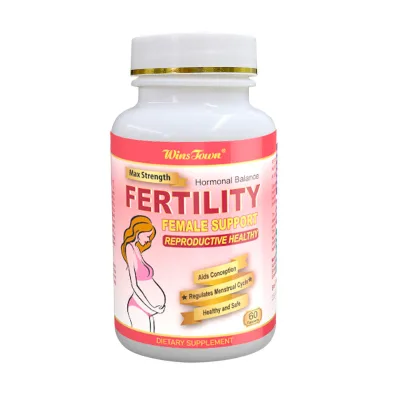


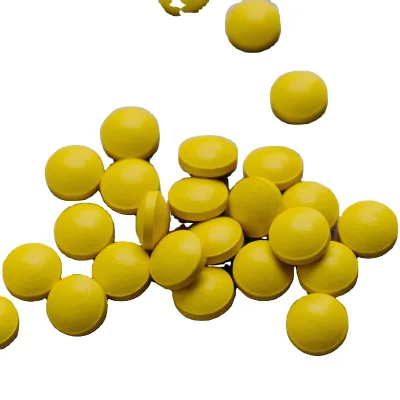
Top Quality Pregnant Woman Folic Acid Extended-Release Tablet Supplement Good for Health
$3.70 - $4.10
MOQ: 300 boxes


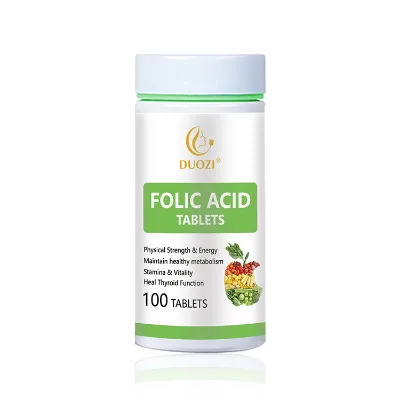


Prenatal Folic Acid Tablets Pregnancy Nutrition Support Wholesale OEM/ODM
$0.02 - $0.05
MOQ: 100000 tablet


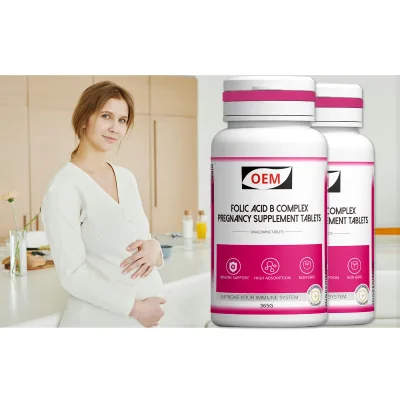
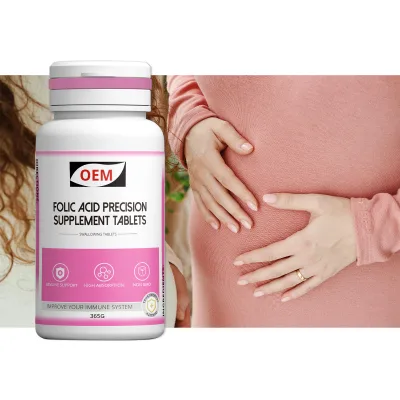
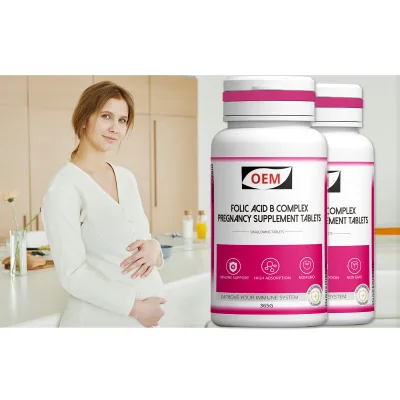

$0.01 - $0.05
MOQ: 100000 Pieces


Comprehensive Sourcing Guide
Strategic Sourcing Guide for Pregnancy Folic Acid Tablets
The global demand for specialized nutritional supplements has driven a significant expansion in the market for Pregnancy Folic Acid Tablets. For B2B procurement professionals, navigating this sector requires a rigorous understanding of product specifications, regulatory compliance, and supply chain dynamics. The core keyword "Pregnancy Folic Acid Tablets" encompasses a diverse range of formulations, from standard folic acid supplements to complex blends designed for fertility support and follicular maturity. This guide provides a structured approach to sourcing these products, ensuring that buyers can identify high-quality manufacturers while adhering to strict safety and quality standards. The following sections detail the technical landscape, compliance frameworks, cost structures, and evaluation criteria necessary for successful procurement.
Technical Specifications and Formulation Analysis
When evaluating Pregnancy Folic Acid Tablets, the primary focus must be on the precise technical specifications that define the product's efficacy and safety. The market offers various formulations, including tablets designed specifically for nutritional support and those targeting fertility enhancement. Buyers must scrutinize the main components listed in product data sheets. While some products list folic acid as the primary active ingredient, others may incorporate herbal extracts such as Asparagus Racemosus (Shatavar) to support follicular maturity and regularize menstrual cycles. It is critical to distinguish between general nutritional support tablets and specialized fertility tablets, as their ingredient profiles and intended mechanisms of action differ significantly.
Packaging and physical specifications are equally vital for logistics and shelf-life management. Common packaging formats include bottle packing and box packing, with specific dimensions often cited in supplier catalogs. For instance, a typical single package size might be recorded as 24x15x5 cm, with a gross weight of approximately 2.0 kg per unit. The dosage regimen is another technical parameter that varies by manufacturer; some protocols suggest taking four tablets once daily, while others may recommend different frequencies. Buyers should verify the product model number, such as FAET or specific OEM/ODM codes, to ensure consistency across orders. Furthermore, the physical form is almost exclusively a tablet, which must meet specific disintegration and dissolution standards to ensure bioavailability. The storage method is also a technical constraint; products typically require storage in a cool, dry, and ventilated place to maintain moisture-proof integrity, with a standard shelf life ranging from 24 months to two years.
Regulatory Compliance and Certification Verification
Compliance is the cornerstone of sourcing health-related products, particularly those intended for women of childbearing age. The regulatory landscape for Pregnancy Folic Acid Tablets is stringent, requiring manufacturers to hold a robust portfolio of certifications. Based on observed market data, high-confidence certifications often include GMP (Good Manufacturing Practice), ISO standards, HACCP (Hazard Analysis and Critical Control Points), and QS. Additionally, specific dietary certifications such as KOSHER, JAS (Japanese Agricultural Standard), OCIA, and NOP (National Organic Program) are frequently observed, indicating a commitment to organic and religious dietary standards.
Buyers must also verify the presence of FDA registration and GAP (Good Agricultural Practices) certifications, which are critical for products exported to North America and Europe. The distinction between "Food Grade" and "Health Food Grade" is essential; the latter implies a higher level of scrutiny regarding ingredient purity and manufacturing processes. While some suppliers may claim "Gap/FDA/ISO/HACCP" status, procurement teams must request valid, up-to-date certificates rather than relying on marketing claims. It is important to note that while certain certifications are common, they are not universal across all listed products. Therefore, the verification process must be product-specific. Buyers should also be aware of the "Not Applicable People" lists, which often exclude pregnant women, newborns, and children for certain fertility-focused formulations, necessitating clear labeling to prevent misuse.
Cost Drivers and Pricing Structures
Understanding the cost drivers for Pregnancy Folic Acid Tablets is essential for budgeting and negotiation. The observed price range in the market can vary significantly, with some listings showing prices between 0 and 5 USD, though this often reflects unit costs for bulk orders rather than retail pricing. The primary cost drivers include the complexity of the formulation, the quality of raw materials, and the level of customization required. Products featuring organic ingredients or specialized herbal extracts like Shatavar typically command higher prices due to the cost of sourcing and processing these materials.
Customization is a major factor influencing cost. Many suppliers offer OEM (Original Equipment Manufacturer) and ODM (Original Design Manufacturer) services, allowing buyers to create their own brand with private labeling. The availability of logo printing, custom packaging, and specific dosage formulations adds to the production cost. The Minimum Order Quantity (MOQ) is another critical cost determinant. Market data indicates a wide range of MOQs, from as low as 50 bottles to as high as 1,000,000 units. Lower MOQs are often associated with higher per-unit costs, while larger orders benefit from economies of scale. Buyers must balance the need for inventory flexibility with the desire for cost efficiency. Additionally, the service model, such as "Own Brand OEM/ODM" or "Private Label," impacts the overall cost structure, as these services involve additional intellectual property and design fees.
Typical Applications and Target Demographics
The application of Pregnancy Folic Acid Tablets extends beyond simple nutritional supplementation. While the primary function is often cited as "Nutritional Support," many products are marketed with specific therapeutic goals. These include improving immunity, promoting fertility, and enhancing follicular maturity. The target demographic is predominantly female, though some products are labeled as unisex or applicable to adults, teenagers, and middle-aged individuals. However, specific warnings often exclude pregnant women, newborns, and children from certain fertility-enhancing formulations, highlighting the need for precise product selection based on the intended user group.
The functional claims associated with these tablets are diverse. Some are designed to regularize menstrual cycles, while others focus on general health maintenance. The "Cosmetology" function is also occasionally listed, suggesting a dual benefit for skin and hair health alongside reproductive support. Buyers must align the product's stated function with their market's specific needs. For instance, a brand targeting women struggling with conception will require products with specific efficacy claims regarding pregnancy promotion, whereas a brand focusing on general wellness may prioritize vitamin-rich formulations. The distinction between "Food" and "Health Food" grade also influences the regulatory pathway and the types of claims that can be legally made in different jurisdictions.
Supplier Evaluation and Service Models
Selecting the right supplier requires a comprehensive evaluation of their service capabilities and operational reliability. The market is characterized by a high prevalence of OEM and ODM service models, allowing buyers to leverage existing manufacturing expertise while building their own brand equity. Key service attributes to evaluate include the ability to handle private labeling, the flexibility of the production line for custom formulations, and the responsiveness of the supply chain. Suppliers offering "Own Brand OEM/ODM" services typically provide a full suite of support, from formula development to packaging design.
Location is a significant factor in supplier selection. Most observed suppliers are based in China, with specific regions like Hubei emerging as production hubs. The "Place of Origin" should be clearly documented to assess logistics costs and potential trade barriers. Buyers should also evaluate the supplier's capacity to handle large volumes, given the wide range of observed MOQs. A supplier capable of fulfilling orders from 50 bottles to 1,000,000 boxes demonstrates significant scalability. However, buyers must verify that the supplier's actual capacity aligns with their specific order requirements. The "Service" attribute, often listed as "OEM ODM Private Label," indicates a commitment to partnership, but the depth of this commitment varies. It is crucial to assess the supplier's track record in handling custom orders and their ability to maintain consistency in product quality across different batches.
Quality Control and Long-Term Procurement Strategy
Quality control (QC) is non-negotiable in the procurement of Pregnancy Folic Acid Tablets. Given the sensitive nature of the product, buyers must implement rigorous QC protocols that go beyond standard factory inspections. This includes verifying the "Storage Method" and "Storage Note" to ensure that products are maintained in moisture-proof conditions throughout the supply chain. The shelf life, typically 24 months or 2 years, must be clearly marked and adhered to, with regular audits to prevent expiration issues.
Long-term procurement strategies should focus on building a resilient supply chain that can adapt to regulatory changes and market fluctuations. Buyers should prioritize suppliers who offer consistent quality and transparent communication regarding their certification status. The "Feature" attributes, such as "Low-Fat," "Sugar-Free," and "Organic," are increasingly important to consumers and should be verified through third-party testing. Additionally, the "Main Components" and "Main Ingredient" lists must be accurate and consistent with the product specifications. Buyers should establish a clear framework for ongoing quality assurance, including regular sample testing and batch verification. By focusing on these long-term considerations, buyers can mitigate risks and ensure a steady supply of high-quality Pregnancy Folic Acid Tablets that meet the evolving needs of their customers.
Comparative Analysis of Product Attributes
To facilitate decision-making, it is helpful to compare key attributes across different product offerings. The following table summarizes the variations observed in the market regarding certifications, packaging, and target functions.
| Attribute Category | Product Type A | Product Type B | Product Type C |
|---|---|---|---|
| Primary Function | Nutritional Support | Fertility Support | Cosmetology |
| Key Ingredients | Vitamins | Asparagus Racemosus | Customization |
| Certifications | KOSHER, GMP, ISO | GAP, FDA, HACCP | QS, OCIA, NOP |
| Packaging | Box | Bottle | Tube |
| Target Gender | Female | Unisex | Female |
| Shelf Life | 24 Months | 2 Years | 24 Months |
| MOQ Range | 1000 Boxes | 50 Bottles | 1-1000000 |
| Origin | China | Hubei, China | China |
This comparison highlights the diversity in the market. Buyers must carefully match these attributes to their specific requirements. For instance, a buyer seeking a fertility-specific product must prioritize Type B attributes, while a buyer focusing on general nutrition might prefer Type A. The variation in MOQs and packaging formats also underscores the need for flexible procurement strategies. By understanding these distinctions, buyers can make informed decisions that align with their brand positioning and operational capabilities.
FAQs
What certifications do Pregnancy Folic Acid Tablets typically have?
High-confidence certifications include GMP, ISO, HACCP, and QS. Some products also hold KOSHER, JAS, OCIA, and NOP certifications to meet organic and dietary standards.
How is the product specification defined for these tablets?
Specifications often list the model as OEM/ODM or specific codes like FAET. Common formats include 600mg per tablet with 60 tablets per bottle, packed in boxes or bottles.
Can buyers request custom branding and packaging options?
Yes, customization is available for branding and packaging. Suppliers offer OEM and ODM services, allowing for private labeling and specific packaging requirements like boxes or bottles.
What is the minimum order quantity for these supplements?
Minimum order quantities vary significantly across suppliers. Observed ranges start from 50 bottles up to 1,000,000 boxes, depending on the specific manufacturer and product configuration.
Where are these Pregnancy Folic Acid Tablets manufactured?
Most observed products originate from China, with specific production hubs in regions like Hubei. Buyers should verify the place of origin to assess logistics and trade implications.
How long is the shelf life of these nutritional tablets?
The standard shelf life is typically 24 months or two years. Products require storage in a cool, dry, and ventilated place to maintain moisture-proof integrity.
Which target demographics are these tablets designed for?
Products are primarily designed for adult females, though some are unisex. Specific formulations may exclude pregnant women, newborns, and children based on their intended function.