Source 20x Refractor Astronomical Telescope for Astronomy, Travel, and Education
Explore 30 available 20x Refractor Astronomical Telescope options from verified suppliers. Buyers can compare specifications like aperture, focal length, and magnification to find the right instrument for astronomy, travel, and educational purposes.
Key considerations
Products List


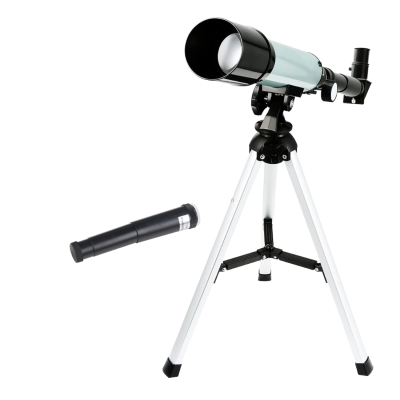
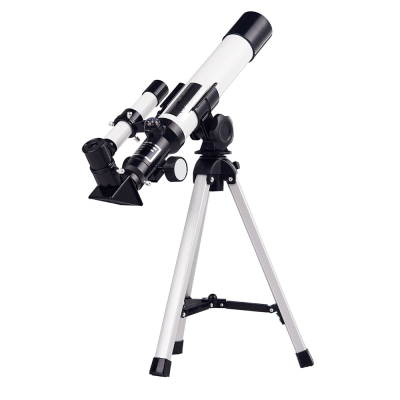
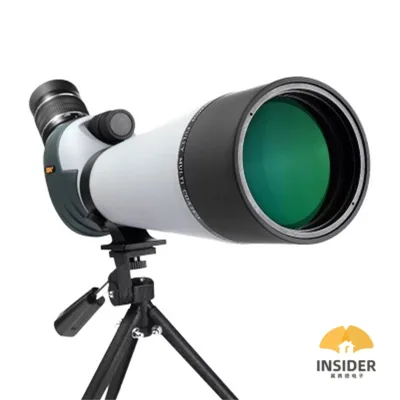
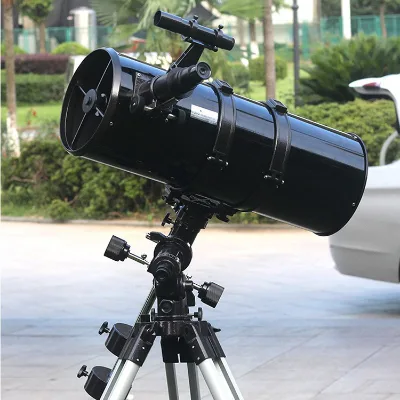


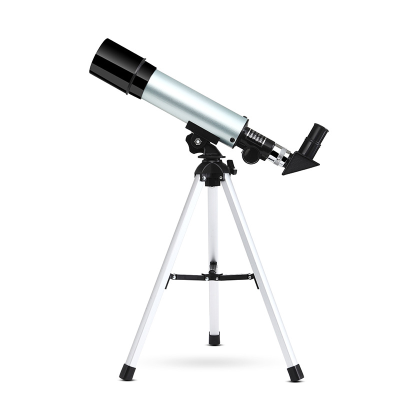
Astronomical Refractor Telescope 350×60 mm - 180× with Tripod (TAR180X)
$11.00 - $14.38
MOQ: 500 Pieces


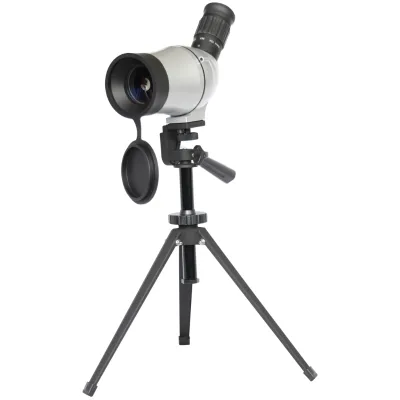
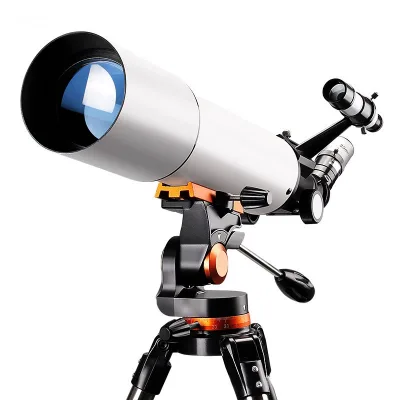
Comprehensive Sourcing Guide
Strategic Sourcing Guide for 20x Refractor Astronomical Telescopes
Technical Architecture and Optical Specifications
When sourcing a 20x Refractor Astronomical Telescope, buyers must first distinguish between the core optical architecture and the variable magnification configurations offered in the market. A refractor telescope fundamentally relies on a lens system to gather light, distinct from reflector designs that utilize mirrors. The supplied product data indicates a specific market segment where aperture sizes range from 50 mm to 100 mm, with a specific observed aperture of 60 mm for several models. This aperture size is critical for light-gathering capability and resolution, directly influencing the clarity of celestial observations.
The focal length is a primary determinant of the telescope's performance and physical dimensions. Data analysis reveals a diverse range of focal lengths available in this category, including 360 mm, 600 mm, 700 mm, and 900 mm. A 20x magnification can be achieved through various combinations of objective focal length and eyepiece focal length. For instance, a telescope with a 600 mm focal length paired with a 30 mm eyepiece yields 20x, while a 900 mm system might utilize a 45 mm eyepiece. However, the supplied inventory shows specific eyepiece configurations such as 6 mm, 12.5 mm, 20 mm, and 4 mm. The 20 mm eyepiece is frequently cited in the context of lower magnification setups, such as 35x or 45x depending on the focal length, suggesting that achieving a precise 20x view may require specific eyepiece selection or the use of a Barlow lens.
Barlow lenses are a standard accessory in this category, with a 3× magnification power explicitly noted in the product specifications. Integrating a 3× Barlow lens with a standard eyepiece allows buyers to expand the magnification range without purchasing additional optics. For example, a 20 mm eyepiece used with a 3× Barlow effectively creates a 6.6 mm equivalent focal length, significantly increasing magnification. The data also lists specific magnification outputs for various models, such as 18×, 60×, 27×, and 90×, indicating that the "20x" target is often a baseline or a specific configuration within a broader range of capabilities. Buyers should verify if the 20x requirement is a fixed optical setting or a variable outcome dependent on the eyepiece and Barlow combination selected.
Mounting Systems and Mechanical Stability
The mechanical stability of a telescope is paramount for maintaining a steady image, especially at higher magnifications. The supplied product facts consistently identify the Altitude-Azimuth (Alt-Az) mount as the standard configuration for these units. This mount type allows movement along two axes: vertical (altitude) and horizontal (azimuth). While Alt-Az mounts are generally more intuitive for beginners and compact for travel, they present challenges for long-exposure astrophotography due to field rotation.
The data indicates that the mount type is listed as "Altazimuth" or "Altitude-Azimuth" across multiple product models, including the TAR90X, TAR675, and TAR180X. The structural integrity of these mounts is often influenced by the total weight of the telescope. Observed total weights in the dataset include a specific value of 5.1 kg, which suggests a portable yet sturdy build suitable for travel and astronomical use. The product usage is explicitly categorized as "Astronomical" and "Travel," reinforcing the need for a balance between portability and stability.
When evaluating the mechanical specifications, buyers should look for the presence of an erecting eyepiece, which is noted in the data with magnifications of 1.5×, 27×, and 90×. This accessory is crucial for terrestrial viewing, ensuring the image is upright and correctly oriented. For astronomical applications, the erecting eyepiece may be bypassed, but its inclusion indicates a versatile design capable of dual-purpose use. The focusing mechanism is another critical component; the data specifies "Internal Focusing" as a feature, which implies a design where the eyepiece or a specific lens group moves internally to achieve focus, rather than extending the entire tube. This can enhance the structural rigidity and weather sealing of the instrument.
Packaging, Dimensions, and Logistics
Logistical planning for the procurement of refractor telescopes requires careful attention to packaging dimensions and weight, as these factors directly impact shipping costs and storage requirements. The supplied data provides specific standard dimensions for various models, which serve as a baseline for logistics planning. For instance, the TAR90X model is associated with a standard size of 673742.5 cm, while the TAR675 measures 873449 cm. Other models, such as the TAR180X and TAR100, have dimensions of 5849.547 cm and 75.52337.5 cm respectively.
The packaging material is consistently described as either a "Carton Box" or a "Color Box." The use of color boxes suggests a retail-ready presentation, which may be preferable for distributors targeting end consumers, whereas carton boxes might be more common for bulk or wholesale shipments. The variation in dimensions highlights the importance of verifying the specific model's packaging before finalizing a purchase order, as the volume of the shipment will vary significantly between a compact 23 cm wide unit and a larger 87 cm long unit.
Weight is a secondary but important factor for freight calculations. With a recorded total weight of 5.1 kg for one model, buyers can estimate the weight class for similar refractor units. However, since the aperture ranges from 50 mm to 100 mm, heavier models with larger apertures and longer focal lengths (e.g., 900 mm) will likely exceed this baseline weight. Procurement teams must ensure that the shipping method selected can accommodate the specific dimensions and weight of the ordered units to avoid unexpected surcharges or logistical delays.
Optical Performance Metrics and Resolution
Understanding the optical performance metrics is essential for validating the quality of a refractor telescope. The supplied data includes specific values for resolution, limiting magnitude, and angle of view, which provide concrete benchmarks for evaluation. The resolution is listed as 1.93 Arcseconds, and the precision is noted as 2.31 Arcseconds. These figures indicate the telescope's ability to distinguish fine details, a critical factor for observing planetary features or double stars. The limiting magnitude of 11.4 suggests the faintest star visible through the instrument under ideal conditions, which is a standard expectation for a 60 mm aperture refractor.
The field of view is another key metric, with data points showing a 1 Degree field of view and an angle of view of 1.2°. These values are consistent with the magnification ranges observed, such as 35x and 175x. A narrower field of view is typical for higher magnification setups, which is necessary for detailed planetary observation. Conversely, a wider field of view is beneficial for deep-sky objects like nebulae and star clusters. Buyers should verify that the specific eyepiece configuration they select aligns with their intended observing targets.
The data also mentions a "Stargazer 5X24" specification, which likely refers to a finder scope included with the main telescope. A 5x24 finder scope is a standard accessory that aids in locating celestial objects before viewing them through the main eyepiece. The inclusion of a Zenith Mirror with a 1.25-inch interface further enhances the usability of the telescope, allowing for comfortable viewing angles, particularly when observing objects at the zenith. These accessories contribute to the overall user experience and should be included in the quality assurance checklist during the procurement process.
Supplier Evaluation and Compliance Verification
When evaluating potential suppliers for refractor telescopes, buyers must rely on verifiable product attributes rather than unconfirmed marketing claims. The supplied data confirms that customization is available, which allows buyers to tailor specifications such as eyepiece sets or mounting accessories to their specific needs. The product origin is consistently listed as China, which is a common manufacturing hub for optical instruments. However, buyers should not assume that all products from this region meet specific international standards without independent verification.
Compliance and certification checks are critical, yet the supplied data does not list specific certifications or standards beyond the physical dimensions labeled as "prod_standard." Buyers must independently verify that the telescopes comply with relevant safety and quality standards for optical instruments in their target market. This includes checking for electrical safety if the telescope includes motorized mounts or illumination, and ensuring that the optical coatings meet industry norms for light transmission and durability.
The absence of specific certification names in the data means that buyers should request documentation from suppliers regarding quality management systems, such as ISO 9001, and product-specific testing reports. The "prod_model" identifiers (e.g., TAR90X, TAR675) serve as unique identifiers for tracking, but they do not inherently guarantee quality. Buyers should request sample units to test the optical performance against the stated metrics, such as the 1.93 Arcseconds resolution and 11.4 limiting magnitude. Additionally, verifying the consistency of the "Altazimuth" mount construction and the "Internal Focusing" mechanism across multiple units is essential to ensure that the supplier maintains quality control standards.
Cost Drivers and Procurement Strategy
The cost of a 20x Refractor Astronomical Telescope is influenced by several factors, including aperture size, focal length, and the inclusion of accessories like Barlow lenses and erecting eyepieces. The observed price range in the market spans from 5.88 to 3257.1 USD, indicating a significant variance based on the quality of optics, build materials, and brand positioning. The minimum order quantity (MOQ) ranges from 1 to 1000, offering flexibility for both individual buyers and large-scale distributors.
For buyers targeting the lower end of the price spectrum, the focus should be on models with standard apertures (50-60 mm) and basic eyepiece sets. These units often utilize the 360 mm or 600 mm focal lengths and come with standard Alt-Az mounts. As the price increases, buyers can expect larger apertures (up to 100 mm), longer focal lengths (900 mm), and more sophisticated accessories, such as higher-quality Barlow lenses and precision focusing mechanisms. The inclusion of a color box packaging and specific model identifiers like TAR50100 suggests a tiered product line where higher-priced models offer enhanced features.
Procurement strategy should involve a phased approach. Initially, buyers should request samples to validate the optical performance and mechanical stability against the stated specifications. Once the quality is confirmed, they can negotiate pricing based on volume, leveraging the wide MOQ range to optimize inventory costs. It is also important to consider the long-term availability of replacement parts, such as eyepieces and Barlow lenses, to ensure the telescope remains usable over time. The availability of customization allows buyers to create unique product bundles that differentiate them in the market, potentially justifying a higher price point.
Long-Term Procurement and Maintenance Considerations
Sourcing refractor telescopes is not merely a transactional activity but a long-term partnership that requires attention to maintenance and support. The "Internal Focusing" mechanism, while robust, may require periodic calibration or cleaning to maintain optimal performance. Buyers should ensure that the supplier provides clear maintenance guidelines and access to replacement parts. The "Carton Box" and "Color Box" packaging options also play a role in long-term storage; sturdy packaging is essential for protecting the delicate optical components during shipping and storage.
The versatility of the telescopes, with usage categorized as "Astronomical" and "Travel," suggests that they will be subjected to varying environmental conditions. Buyers should verify that the materials used in the construction, such as the mount and tube, are resistant to corrosion and wear. The inclusion of a 1.25-inch Zenith Mirror and various eyepiece sizes (6 mm, 12.5 mm, 20 mm, 4 mm) indicates a modular design that allows for future upgrades. This modularity extends the lifecycle of the product, making it a more sustainable choice for buyers.
Finally, the data highlights the importance of verifying the specific model numbers and their associated specifications. With multiple models like TAR100, TAR50100, and RE70076, each with distinct focal lengths and dimensions, buyers must ensure that the procurement order matches the exact requirements of their target market. Misalignment between the ordered specifications and the delivered product can lead to customer dissatisfaction and returns. By maintaining a rigorous verification process and fostering a collaborative relationship with suppliers, buyers can ensure a steady supply of high-quality 20x refractor astronomical telescopes that meet the needs of their customers.
FAQs
Can I customize the eyepiece set for this telescope?
Yes, customization is available for the eyepiece set. Buyers can select from options like 6 mm, 12.5 mm, or 20 mm eyepieces to match specific magnification needs for astronomical or terrestrial viewing.
What is the maximum magnification achievable with this unit?
The maximum magnification reaches 225× depending on the model and eyepiece combination. Specific configurations like the TAR180X model offer magnifications up to 180× when using the included 3× Barlow lens.
Which mount type is standard for these refractor telescopes?
The standard mount type is Altitude-Azimuth for all listed models. This mount provides stability for both astronomical observation and travel use while allowing intuitive movement along vertical and horizontal axes.
How does the aperture size affect light gathering capability?
Aperture sizes range from 50 mm to 100 mm, with 60 mm being a common specification. A larger aperture directly improves light gathering, allowing for clearer views of faint celestial objects like stars and nebulae.
What are the packaging dimensions for the TAR90X model?
The TAR90X model ships in a carton box with standard dimensions of 67 by 37 by 42.5 cm. Buyers should verify specific packaging sizes for other models like TAR675 which measures 87 by 34 by 49 cm.
Is the telescope suitable for both travel and astronomy?
Yes, the product usage is explicitly categorized for both astronomical and travel applications. The design balances portability with stability, featuring internal focusing and a total weight around 5.1 kg for easy transport.