Source 23mm Neck Shampoo Bottle for Cosmetics, Personal Care, and Hand Sanitizer
Find 30 verified options for the 23mm Neck Shampoo Bottle designed for cosmetics, personal care, and hand sanitizer applications. Buyers can compare plastic types, capacities ranging from 100 ml to 650 ml, and customization features like custom logos and leak-proof designs.
Key considerations
Products List


Pumping Bottle 220ml 330ml 500ml Hair Shampoo Empty Pink Body Wash Bottles
$0.30 - $0.80
MOQ: 10000 Pieces

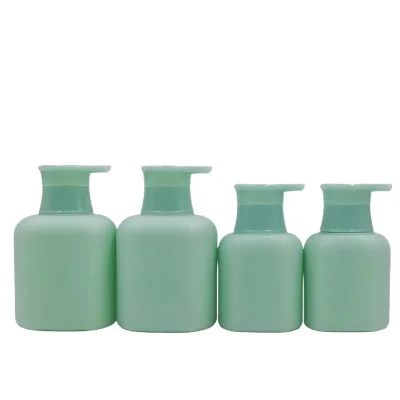


300ml Pump Bottle Packaging Nourishing Hair Shampoo Private Label Hotel Shampoo
$0.65 - $0.90
MOQ: 5000 Pieces


240ml Luxury Plastic Shampoo Bottle with Pump Sprayer for Hair Conditioner & Shampoo
$0.10 - $0.12
MOQ: 10000 Pieces


Shampoo Lotion Pump Bottle with Pump Shampoo Bottles Plastic Lotion Pumps
$0.04 - $0.07
MOQ: 10000 pieces

Comprehensive Sourcing Guide
Strategic Sourcing Guide for 23mm Neck Shampoo Bottles
Understanding Technical Specifications and Material Composition
When sourcing a 23mm Neck Shampoo Bottle, the primary focus must be on the precise mechanical interface between the container and the dispensing mechanism. The 23mm neck finish is a specific industry standard that dictates the compatibility of the closure system. Based on available product data, these containers are predominantly manufactured from Polypropylene (PP), a plastic type chosen for its chemical resistance and durability in personal care applications. The material selection is critical because PP offers a favorable balance of flexibility and rigidity, ensuring the bottle can withstand the pressure of lotion pumps or foam dispensers without deforming.
The physical dimensions of the bottle are not uniform across all listings. While the neck diameter is the fixed constraint at 23mm, the overall capacity varies significantly. Observed data indicates a range of capacities, including specific listings for 100 ml, 200 ml, and broader standard ranges extending from 200 ml up to 550 ml. Buyers must verify the exact volume required for their formulation, as the neck size does not dictate the total liquid capacity. The shape of the bottle also presents options, with market observations noting both round and square bottle profiles. The square profile may offer better shelf stability and stacking efficiency, while the round profile is often preferred for ergonomic handling.
Furthermore, the closure type is a vital technical specification. The 23mm neck is frequently paired with pump-on closures, specifically lotion pumps and foam pumps. The sealing mechanism is designed to be leak-proof, a feature explicitly highlighted in product attributes. This is essential for preventing product loss during transit and ensuring the consumer experience remains positive. Some models feature a screw-on closure type, while others utilize a specific pump dispenser mechanism. The customization of the bottle is a key differentiator, with many suppliers offering custom logo printing and tailored designs. However, the structural integrity of the 23mm neck must remain consistent regardless of the aesthetic customization to ensure the pump fits securely.
Compliance, Certification, and Regulatory Verification
Navigating the regulatory landscape for personal care packaging requires a rigorous approach to compliance and certification. While the supplied product facts do not list specific certification bodies or test results, buyers must understand that packaging for cosmetics and personal care products must meet strict safety standards. The industrial use of these bottles is explicitly categorized under Household Products and Personal Care, which implies they must be safe for contact with skin and hair care formulations.
Buyers should verify that the plastic material used, specifically the PP mentioned in the data, is food-grade or cosmetic-grade compliant. This ensures that the plastic does not leach harmful substances into the shampoo or body wash. Although specific standards like ISO or FDA approvals are not explicitly listed in the provided facts, the presence of a "Custom" standard in some product listings suggests that manufacturers may tailor their production to meet specific regional or client requirements. It is imperative for the procurement team to request documentation proving that the PP material meets the regulatory requirements of the destination market, such as the EU's REACH regulation or the US FDA's guidelines for indirect food additives, which often apply to cosmetic packaging.
The "Refillable" attribute observed in some product listings adds a layer of environmental compliance consideration. If the marketing strategy relies on refillability, the bottle must be designed to withstand multiple filling cycles without degradation. This requires verification of the material's resistance to repeated cleaning agents or the specific formulation of the refill product. Additionally, the "Leak-proof" feature, while a functional attribute, often requires testing against international standards for transport safety. Buyers should not assume a bottle is leak-proof based on marketing claims alone; independent testing or a Certificate of Analysis (CoA) from the supplier is necessary to validate this claim, especially for international shipping where pressure changes can occur.
Cost Drivers and Pricing Dynamics
The cost of sourcing a 23mm Neck Shampoo Bottle is influenced by several variables, including material costs, customization levels, and order volume. The observed price range in the market spans from $0.04 to $4.98 USD. This wide disparity indicates that the final unit price is highly dependent on the specific configuration of the bottle. Factors such as the capacity (e.g., 100 ml vs. 550 ml), the complexity of the shape (round vs. square), and the inclusion of a pump dispenser will significantly alter the cost. A simple empty bottle will naturally be at the lower end of the spectrum, while a fully assembled unit with a custom pump and branding will approach the higher price points.
Minimum Order Quantity (MOQ) is another critical cost driver. The observed MOQ range is between 1,000 and 20,000 units. Higher order volumes typically result in a lower unit cost due to economies of scale in molding and assembly. Buyers with smaller requirements may face a higher per-unit price or may need to negotiate with suppliers who have lower MOQ thresholds. The "Customization" and "Custom Logo" attributes also impact pricing. Adding a custom logo or altering the mold for a unique shape incurs additional tooling and setup costs, which are often amortized over the order quantity.
Packaging costs should also be factored into the total landed cost. The data indicates that products are typically packed in "Carton Box" or "Carton" packaging. The density of the packing and the number of units per carton will affect shipping costs. For instance, a square bottle might pack more efficiently than a round one, reducing the volume per unit and potentially lowering freight expenses. Buyers should request a detailed breakdown of costs, separating the unit price, tooling fees, and packaging costs, to ensure transparency and accurate budgeting.
Typical Applications and Usage Scenarios
The versatility of the 23mm Neck Shampoo Bottle makes it suitable for a wide array of applications within the personal care and household sectors. The primary usage categories identified include shampoo, body lotion, hand sanitizer, and shower gel. The "Application" field explicitly lists Shampoo Bottle, Lotion Bottle, and Shower Gel Bottle, confirming its broad utility. The "Usage" field further expands this to include Hand Sanitizer Bottle and Body Wash Bottle, highlighting its adaptability to different viscosities and formulations.
The "Features" such as "Travel-friendly" and "Leak-proof" make these bottles particularly suitable for travel-sized products. The 100 ml and 200 ml capacities observed in the data align well with airline regulations for carry-on liquids, making them ideal for hotel amenities or travel retail. The "Refillable" attribute suggests that these bottles are also designed for sustainable usage models, where consumers can purchase refill pouches or bulk containers to top up the original bottle. This is increasingly important in the current market where sustainability is a key purchasing driver.
The industrial use classification as "Household Products" and "Personal Care" underscores the consumer-facing nature of these items. Whether for a mass-market brand or a niche artisanal line, the 23mm neck provides a reliable interface for dispensing products. The "Pump-on" and "Foam Pump" options allow for different dispensing experiences, catering to consumer preferences for either liquid or foam application. The "Custom Logo" capability allows brands to differentiate their products on crowded shelves, making these bottles a canvas for brand identity.
Supplier Evaluation and Geographic Considerations
When evaluating suppliers for 23mm neck shampoo bottles, geographic origin is a significant factor. The supplied data indicates that products originate from Zhejiang, China, and Anhui, China. Both provinces are known for their robust manufacturing capabilities in the plastics and packaging industry. Zhejiang, in particular, is a hub for plastic molding and packaging production, offering a mature supply chain and a high density of specialized manufacturers.
Buyers should prioritize suppliers who demonstrate a clear understanding of the 23mm neck specification. The ability to produce consistent neck finishes is crucial for pump compatibility. Suppliers offering "Customization" and "Customized" options should be vetted for their tooling capabilities. The presence of specific product models like YG-B28, YG-B33, and YG-B24 suggests that established manufacturers have a catalog of standard molds, which can reduce lead times and costs. However, for unique requirements, the supplier must have the engineering expertise to create custom molds.
The "Sample" availability is another key evaluation metric. The data shows that samples are "Acceptable" and even "Free" in some cases. This allows buyers to physically test the bottle's fit, finish, and leak-proof capabilities before committing to a large order. A supplier that readily provides samples demonstrates confidence in their product quality. Additionally, the "Logo Printing: Accept" and "Custom Logo" attributes indicate that the supplier has the capacity for branding services. Buyers should inquire about the printing process, such as screen printing or labeling, to ensure the quality of the branding meets their standards.
Quality Control and Long-Term Procurement Strategies
Implementing a robust quality control (QC) protocol is essential for maintaining product integrity. Given the "Leak-proof" and "Refillable" claims, QC should focus on stress testing the bottle and closure system. Buyers should verify that the bottles can withstand the pressure of the pump mechanism without leaking, especially during shipping. The "Sealing Type" being a "Pump Sprayer" or "Pump Dispenser" requires specific attention to the thread engagement between the bottle neck and the pump collar.
Long-term procurement considerations involve building a sustainable relationship with suppliers who can scale with demand. The MOQ range of 1,000 to 20,000 units suggests that suppliers are prepared for both small batch runs and large-scale production. Buyers should negotiate terms that allow for flexible ordering, such as the ability to increase order quantities as market demand grows. The "Custom" standard mentioned in the data implies that suppliers are willing to adapt to specific client needs, which is beneficial for long-term partnerships.
Sustainability is a growing concern in the packaging industry. The "Refillable" attribute and the use of PP, a recyclable material, align with eco-friendly trends. Buyers should consider the end-of-life disposal of the bottles and ensure that the supplier is committed to using recyclable materials. The "Carton Box" packaging should also be evaluated for its environmental impact, with a preference for recycled or recyclable cardboard. By prioritizing suppliers who demonstrate a commitment to sustainability and quality, buyers can future-proof their supply chain and meet the evolving expectations of environmentally conscious consumers.
Final Procurement Checklist and Verification Steps
To conclude the sourcing process, buyers should adhere to a strict verification checklist. First, confirm the exact neck diameter is 23mm and that the pump dispenser fits securely without leakage. Second, verify the material composition is PP and that it meets the necessary safety standards for the intended application. Third, validate the capacity and dimensions against the product specifications, ensuring the bottle matches the intended volume. Fourth, review the customization options, including logo printing and mold design, to ensure they align with brand requirements. Fifth, check the MOQ and pricing structure to ensure it fits within the budget and operational constraints. Finally, request samples and conduct independent testing to validate the "Leak-proof" and "Refillable" claims before placing a large order. By following these steps, buyers can ensure a successful procurement experience for 23mm neck shampoo bottles.
FAQs
What materials are used for 23mm neck shampoo bottles?
These bottles are primarily manufactured from Polypropylene (PP) plastic. This material is selected for its chemical resistance and durability in personal care applications, ensuring the bottle withstands pressure from lotion or foam pumps without deforming.
Which capacities are available for 23mm neck shampoo bottles?
Available capacities range from 100 ml to 550 ml, with specific models offering 200 ml options. Buyers must verify the exact volume required as the 23mm neck size does not dictate the total liquid capacity of the container.
Can buyers request custom logos on 23mm neck shampoo bottles?
Yes, custom logo printing is available for these bottles. Suppliers accept customization requests, allowing brands to differentiate their products on shelves while maintaining the structural integrity of the 23mm neck for secure pump attachment.
What is the minimum order quantity for 23mm neck shampoo bottles?
The minimum order quantity typically ranges from 1,000 to 20,000 units. Higher order volumes generally result in lower unit costs due to economies of scale in molding and assembly processes.
How are 23mm neck shampoo bottles sealed to prevent leaks?
These bottles utilize pump-on closures, specifically lotion pumps and foam pumps, designed to be leak-proof. This sealing mechanism is essential for preventing product loss during transit and ensuring a positive consumer experience.
Where are 23mm neck shampoo bottles manufactured?
Products originate from manufacturing hubs in Zhejiang and Anhui, China. Both provinces are known for robust plastic molding capabilities and a mature supply chain for packaging production.
What shapes are available for 23mm neck shampoo bottles?
Bottles are available in both round and square profiles. The square profile offers better shelf stability and stacking efficiency, while the round profile is often preferred for ergonomic handling by consumers.