Source 23 Seat Electric Mini Bus for Scenic Spots, Hotels, and Airports
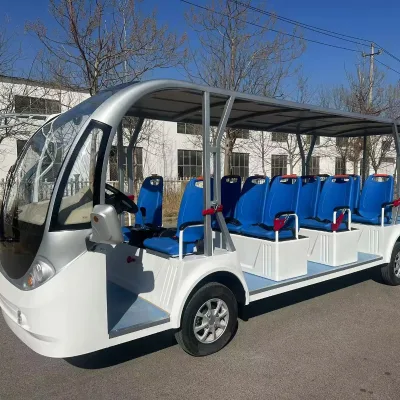
Compare 30 listings for the 23 Seat Electric Mini Bus designed for scenic spots, hotels, and airports. Buyers can evaluate specifications, battery types, and customization options to find the right vehicle for their operational needs.
Key considerations
Products List


Electric Mini Bus for 23 Passengers - Open Air Sightseeing Experience
$11840.00 - $13540.00
MOQ: 1 Pieces


23 Seats Mini Bus Diesel Engine High Quality Minibus Inner-City Bus
$13001.00 - $13501.00
MOQ: 1 Pieces


$7000.00 - $7500.00
MOQ: 1 Pieces


Factory Directly Supply Electric Minibus Catl-73.6kwh Mini City Bus with 12 Seats
$37000.00 - $38000.00
MOQ: 1 Pieces

Electric City Bus with Long Traveling Range New Model Electric Bus New Energy Passenger Bus
$39000.00 - $40000.00
MOQ: 1 Pieces

New Energy Passenger Van Good Quality Electric City Bus with EEC Certificate
$40000.00 - $41000.00
MOQ: 1 Pieces


Electric Car 14 Seater New 16 Seats Mini Bus Price 15 Passenger New Mini Bus for Sale
$23900.00 - $25800.00
MOQ: 1 Pieces



Comprehensive Sourcing Guide
Strategic Sourcing Guide for 23 Seat Electric Mini Buses
Technical Architecture and Performance Specifications
When evaluating a 23 Seat Electric Mini Bus, the primary focus must be on the integration of the powertrain, chassis dimensions, and seating configuration. Based on current market observations, these vehicles are typically categorized as either sightseeing cars or electric buses, depending on the specific model architecture. The seating capacity of 23 passengers is a critical specification that dictates the vehicle's overall footprint and structural requirements.
The physical dimensions of these units vary significantly based on the model series. Observed standard dimensions for specific models indicate a length ranging from approximately 5,800 mm to 6,600 mm, with widths between 1,580 mm and 1,960 mm, and heights around 2,150 mm to 2,360 mm. Buyers must verify the exact standard dimensions against their intended route constraints, such as gate widths, tunnel clearances, and parking space availability. The body work is frequently described as full sheet metal, which suggests a robust construction intended for durability in high-traffic environments.
The propulsion system is a defining characteristic of these electric units. The market offers a variety of motor configurations, including high-efficiency copper winding AC motors rated at 11 kW (96V) or 7.5 kW (72V). The electronic control systems are equally diverse, with options ranging from 72V AC controllers to 96V AC controllers. The battery technology is a major differentiator; available options include lead-acid batteries, such as 6V units in a 12-unit configuration, or large capacity maintenance-free batteries like 8V 150A/PC variants. Some listings also indicate the availability of lithium battery options, which may offer different performance profiles regarding weight and charging cycles.
Charging infrastructure is typically integrated into the vehicle design. Standard configurations often include an on-board charger, with some models specifying a computer intelligent charger to manage the charging process efficiently. The driving range is another critical performance metric, with observed data indicating a range of up to 120 kilometers on a single charge for certain configurations. This range is sufficient for many closed-loop applications but requires verification against the specific daily operational mileage of the buyer's facility.
Compliance, Certification, and Safety Standards
Navigating the regulatory landscape is essential for the procurement of electric vehicles intended for commercial or public use. The primary certification observed in the current market for these units is the CE mark. This certification indicates that the product meets the essential requirements of relevant European health, safety, and environmental protection legislation. However, buyers must understand that the presence of a CE mark on a product listing does not automatically guarantee compliance with local regulations in the destination country.
Safety features are integral to the design of a 23-seat vehicle. Standard observations include the installation of seatbelts for all passengers, which is a non-negotiable safety requirement in most jurisdictions. The vehicles are often described as having "special" attributes such as safety mechanisms, low-speed operation, and easy handling, which are beneficial for navigating crowded pedestrian areas or scenic spots. The low-speed characteristic is particularly relevant for applications within restricted zones like golf courses or university campuses.
For buyers operating in regions with strict environmental or safety standards, additional verification is necessary. While the provided data confirms the CE certification, it does not list other potential standards such as ISO certifications or specific national safety ratings. Procurement teams should request detailed test reports and compliance documentation specific to the target market. This includes verifying that the electrical system meets local voltage and frequency standards and that the battery safety protocols align with local fire codes. The origin of the vehicles is predominantly China, with specific manufacturing locations noted in cities like Guiyang. This geographic concentration can influence supply chain logistics and the availability of after-sales support in different regions.
Cost Drivers and Pricing Dynamics
The pricing structure for 23 seat electric mini buses is influenced by a complex interplay of technical specifications, customization levels, and order volume. The observed price range in the market spans from approximately 4,000 USD to 165,600 USD. This wide variance is not indicative of a single product but rather reflects the significant differences in battery capacity, motor power, body materials, and optional features.
The most significant cost driver is the battery technology. Vehicles equipped with large capacity maintenance-free batteries or lithium-ion options will command a higher price point compared to those using standard lead-acid configurations. Similarly, the motor power and controller sophistication play a role; a 96V 11kW motor system is likely more expensive than a 72V 7.5kW setup due to the increased power output and efficiency.
Customization is another major factor affecting the final cost. The market offers extensive customization options, including color choices ranging from standard white, red, and blue to custom shades like rose red and violet. The ability to customize the vehicle's appearance and interior layout allows buyers to align the fleet with their brand identity, but this service often incurs additional charges. The minimum order quantity (MOQ) for these vehicles is typically low, with observed values starting at just one unit, which facilitates smaller fleet deployments or pilot programs.
Buyers should also consider the "Full Installed" and "Container" packing options when calculating the total landed cost. These packing methods ensure the vehicle arrives ready for operation but may add to the shipping expenses. The configuration is noted as upgradeable, which implies that future modifications or expansions of the fleet's capabilities could be integrated, potentially affecting the initial investment strategy.
Typical Application Scenarios and Operational Fit
The versatility of the 23 Seat Electric Mini Bus makes it suitable for a wide array of applications. The observed usage scenarios include scenic spots, amusement parks, golf courses, hotels, schools, airports, ports, stations, factories, and pedestrian streets. This broad applicability stems from the vehicle's design, which prioritizes low-speed operation, safety, and ease of handling.
In scenic spots and amusement parks, the electric nature of the bus provides a quiet and emission-free experience, enhancing the visitor's enjoyment of the environment. The low-speed capability ensures passenger safety in areas with high foot traffic. For hotels and resorts, these vehicles serve as efficient shuttles for guests, offering a comfortable and eco-friendly transportation solution. The availability of air conditioning is a critical feature for these applications, ensuring passenger comfort in varying weather conditions.
Educational institutions and hospitals benefit from the safety features and compact size of these buses. The ability to navigate narrow paths and the presence of seatbelts make them ideal for transporting students or patients within large campus or facility grounds. In industrial settings like factories and ports, the vehicles facilitate the movement of personnel between different zones without the noise and emissions associated with internal combustion engines.
The specific application dictates the required specifications. For instance, a vehicle intended for a golf course may prioritize a specific battery range and low-speed handling, while a bus for an airport might require a higher seating capacity and robust air conditioning. Buyers should match the vehicle's driving range, seating capacity, and powertrain to the specific operational demands of their site.
Supplier Evaluation and Quality Assurance
Selecting the right supplier is a critical step in the procurement process. While the market shows a concentration of manufacturers in China, buyers must conduct rigorous due diligence to ensure quality and reliability. The evaluation process should begin with a review of the supplier's track record in manufacturing electric vehicles, specifically those with a 23-seat capacity.
Quality control measures should be a central part of the supplier assessment. Buyers should inquire about the manufacturing standards employed, such as the specific production standards observed (e.g., 496014801980mm or 632018502360mm). It is essential to verify that the production processes adhere to international quality management systems. The "Full Sheet Metal Body" construction mentioned in product descriptions suggests a focus on durability, but buyers should request evidence of structural integrity testing.
Service capabilities are equally important. The availability of OEM (Original Equipment Manufacturer) services indicates that the supplier can tailor the vehicle to specific needs. Buyers should assess the supplier's ability to provide customization, including color options and interior configurations. The presence of an "Upgradeable" configuration suggests that the supplier is committed to long-term product evolution, which is beneficial for fleet expansion.
Logistics and packaging are also key evaluation criteria. The observation of "Container" and "Roll on/Roll off" packing options indicates that the supplier has experience in international shipping. Buyers should verify the supplier's ability to handle complex logistics and ensure that the vehicles are packed securely to prevent damage during transit. The lead time and delivery schedules should be clearly defined in the contract to avoid operational disruptions.
Long-Term Procurement and Lifecycle Management
Procuring a 23 Seat Electric Mini Bus is not just a one-time transaction but the beginning of a long-term partnership. Buyers must consider the total cost of ownership, which includes maintenance, battery replacement, and potential upgrades. The choice of battery technology, whether lead-acid or lithium, will significantly impact the long-term maintenance costs and the vehicle's lifespan.
Maintenance requirements should be clearly understood. The use of maintenance-free batteries reduces the frequency of servicing, but the overall system still requires regular checks. The "Computer Intelligent Charger" and "High Efficiency Copper Winding AC Motor" suggest advanced technology that may require specialized maintenance. Buyers should ensure that the supplier provides comprehensive training for their maintenance teams and has a reliable supply chain for spare parts.
The customization options available, such as color and interior layout, allow for brand alignment but also require consideration of future rebranding needs. The "Upgradeable" nature of the configuration offers flexibility for adding new features as technology evolves. However, buyers should verify the compatibility of future upgrades with the existing vehicle architecture.
Finally, the environmental impact of the fleet should be a consideration. Electric buses contribute to sustainability goals by reducing carbon emissions. Buyers should track the energy consumption and efficiency of the fleet to ensure they are meeting their environmental targets. Regular performance monitoring and data analysis can help optimize the fleet's operation and extend its useful life. By focusing on these long-term factors, buyers can ensure a successful and sustainable procurement strategy for their 23 Seat Electric Mini Bus fleet.
FAQs
What certifications does the 23 Seat Electric Mini Bus have?
The vehicle carries CE certification, indicating compliance with European safety and environmental standards. Buyers should verify that this mark aligns with local regulations in their specific destination country before finalizing procurement.
Which battery options are available for this electric bus?
Available battery types include lead-acid configurations like 6V units and large capacity maintenance-free variants. Some models also offer lithium battery options to provide different performance profiles regarding weight and charging cycles.
Can the vehicle color be customized for branding purposes?
Yes, customization is available with a wide range of color options including white, red, blue, and green. Buyers can also request specific custom shades like rose red or violet to align the fleet with their brand identity.
How is the 23 Seat Electric Mini Bus packed for shipping?
The product is typically packed as fully installed units to ensure readiness upon arrival. Shipping options include container loading or roll-on/roll-off methods to secure the vehicle during international transit.
What is the driving range of the electric bus on a single charge?
Observed driving range data indicates up to 120 kilometers on a single charge for certain configurations. This range is sufficient for many closed-loop applications but requires verification against specific daily operational mileage needs.
Where are these electric mini buses manufactured?
The vehicles originate from China, with specific manufacturing locations noted in cities like Guiyang. This geographic concentration influences supply chain logistics and the availability of after-sales support in different regions.