Source 24V Charging Current Detector for Motor Control, PCB Mounting, and Testing
Find 30 listings for the 24V Charging Current Detector suitable for motor control and PCB mounting applications. Buyers can compare specifications like gain range, frequency range, and supply voltage to select the right component for their projects.
Key considerations
Products List


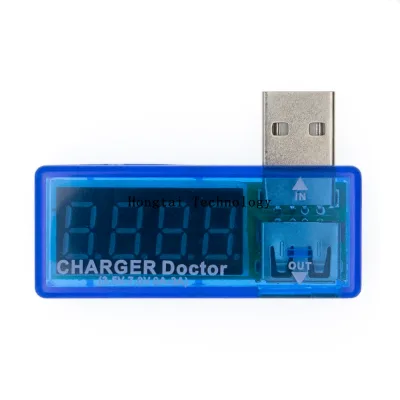


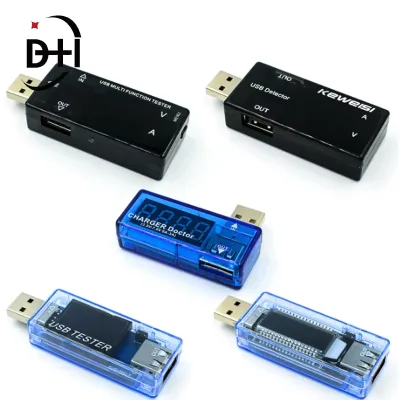


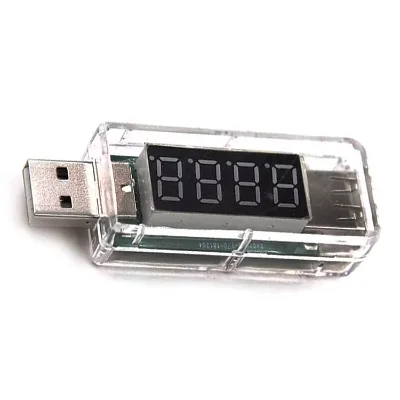

Portable High-Voltage Phase Detector for Accurate Wireless Measurements
$540.00 - $776.00
MOQ: 1 Pieces


Comprehensive Sourcing Guide
24V Charging Current Detector Sourcing Guide
The procurement of a 24V Charging Current Detector requires a precise understanding of the specific electrical environment in which the device will operate, particularly regarding voltage tolerance and signal output fidelity. Buyers must distinguish between general current sensors and those specifically engineered for DC voltage inputs, as the supplied data indicates a rated input range that includes 24V systems alongside higher voltages like 800V or 1000V. This distinction is critical because a detector designed for high-voltage industrial applications may lack the sensitivity or calibration required for lower-voltage battery charging cycles, potentially leading to inaccurate readings or system instability.
Furthermore, the integration of these detectors into a larger control system demands careful attention to the mounting type and output signal characteristics. The observed market data highlights PCB mounting as a standard configuration, which implies that the device is intended for direct integration into custom circuit boards rather than standalone panel mounting. Buyers should verify that the analog output type aligns with their controller's input requirements, ensuring that the signal range, such as the observed 4.0 to 16.0mA output, matches the receiving logic or data acquisition hardware without requiring excessive signal conditioning.
Product Scope and Observed Listing Signals
The current market for 24V charging current detectors presents a wide spectrum of product configurations, ranging from basic modules to fully integrated systems with advanced customization options. Listings indicate that products are available in both "New" and "Original 100%" conditions, suggesting a mix of fresh manufacturing and refurbished or surplus inventory. Buyers must scrutinize the product completion type, as some units are sold as standalone modules while others may be part of a larger assembly, and the presence of "One Stop Bom Service" suggests that some suppliers offer comprehensive sourcing for the entire bill of materials rather than just the sensor itself.
Packaging and shipping logistics also vary significantly across the observed listings, with options ranging from simple cartons to specialized wooden crates for heavier or more sensitive units. The availability of "Customized" attributes and "Standard" features indicates that buyers can often tailor the physical dimensions or electrical characteristics to fit specific chassis constraints. However, the variation in single gross weight, including listings with 0.0 kg, suggests that some data points may be placeholders or refer to the sensor chip alone, necessitating a clear definition of what is included in the "Single package size" and "Single gross weight" before finalizing an order.
Technical Specifications to Verify
When evaluating the technical viability of a 24V Charging Current Detector, the supply voltage and rated input range are the primary parameters that must be cross-referenced with the application's power profile. The observed data specifies a supply voltage of DC +24V and a rated input range that includes 80V, 100V, 600V, 800V, and 1000V, which implies a versatile device capable of handling a broad spectrum of DC voltages. Buyers must confirm that the specific unit selected is calibrated for the 24V charging context, as the measuring range of 0 to +1400V suggests a high-capacity sensor that may require specific scaling or configuration to provide accurate readings at lower voltage levels.
Signal integrity and response speed are equally critical factors that determine the detector's suitability for dynamic charging environments. The observed testing speed of 160m/Min and a frequency range of 64 Hz to 5MHz indicate a device capable of handling rapid fluctuations in current, which is essential for modern fast-charging protocols. Additionally, the offset current specification of less than +4.0mA at 25°C provides a baseline for zero-load accuracy, but buyers should verify if this tolerance holds across the full operating temperature range. The gain ratio of 0.1 to 10 and continuously adjustable gain of 0 to 90dB further suggest that the device offers flexibility in signal amplification, which must be matched to the specific dynamic range of the charging current being monitored.
Compliance and Safety Documentation
Safety compliance for electrical sensors in charging applications relies heavily on the material properties and the structural integrity of the housing. The observed plastic material specification of PBT G30/G15 with a UL94-V0 rating is a significant indicator of fire resistance and mechanical durability, which are essential for preventing hazards in high-current environments. Buyers should request documentation confirming that the IP rating, noted as "IPMaterial:Plastic," meets the specific environmental protection requirements of the installation site, whether it involves exposure to dust, moisture, or chemical agents common in industrial or automotive settings.
Warranty and after-sales support serve as the primary mechanisms for risk mitigation when deploying new electronic components. The observed warranty periods of 1 year and 365 days are consistent, offering a standard baseline for product reliability, while the 24-hour after-sales service availability suggests a commitment to rapid troubleshooting. However, buyers must verify if the warranty covers specific failure modes related to over-voltage or thermal stress, as these are common points of failure in current detection systems. The availability of "Original 100%" condition claims should be backed by traceability documentation to ensure that the component has not been subjected to unauthorized modifications that could compromise its safety certifications.
Cost Drivers and Commercial Terms
The pricing structure for 24V charging current detectors is influenced by a combination of customization levels, packaging requirements, and the complexity of the internal integration process. The observed unit price is described as "Competitive," but the wide range of observed prices from $0.25 to $20,990 suggests that costs vary drastically based on whether the item is a simple sensor module or a complete, high-precision system with advanced features like continuous gain adjustment. Buyers should analyze the cost drivers associated with the "Integration" production process, as custom integration often incurs higher unit costs compared to standard off-the-shelf modules.
Commercial terms and payment flexibility play a crucial role in the final procurement decision, particularly for international buyers dealing with suppliers in Guangdong, China. The observed payment methods, including PayPal, TT, Western Union, and Trade Assurance, offer varying levels of security and convenience, with Trade Assurance providing a layer of protection for the buyer's funds. Lead times are observed to be as short as 1-3 working days, which is advantageous for urgent production needs, but buyers must confirm if this applies to stock items or if customized orders require extended manufacturing windows. The MOQ of 1 piece allows for low-risk sampling, but bulk orders may benefit from negotiated pricing tiers that are not explicitly detailed in the standard listings.
Supplier Qualification and Quality Control
Supplier qualification for electronic components hinges on the transparency of the production process and the consistency of the product condition. The observation of "Integration" as the production process indicates a level of manufacturing sophistication where components are assembled and tested in-house, which can be a positive indicator of quality control. However, buyers must verify the supplier's ability to maintain the "New" condition of the products and ensure that the "Original 100%" claim is supported by a clear chain of custody, especially given the presence of refurbished or surplus items in the market.
Quality control extends to the testing protocols employed by the supplier, with the observed "Testing Channel: 2" suggesting a multi-point verification process. Buyers should inquire about the specific parameters tested during these channels, such as gain accuracy, offset current stability, and frequency response, to ensure they align with the application's performance requirements. The availability of "Standard" features alongside "Customized" options implies that the supplier has the flexibility to adapt their quality control procedures to meet specific client needs, but this flexibility must be managed through rigorous documentation to prevent deviations from the baseline specifications.
Long-Term Procurement Checks
Sustaining a reliable supply chain for 24V charging current detectors requires ongoing verification of the supplier's ability to maintain consistent product specifications over time. Buyers should establish a protocol for periodic re-qualification of the sensor's performance, particularly focusing on the stability of the analog output signal and the consistency of the offset current over extended periods of operation. The "24hours" after-sales service promise is a valuable asset, but it should be complemented by a clear escalation path for technical issues that arise during the product's lifecycle, ensuring that any deviations from the 0 to +1400V measuring range are addressed promptly.
Finally, long-term procurement success depends on the supplier's capacity to adapt to evolving industry standards and technological advancements. As charging technologies evolve, the demand for higher frequency ranges and more precise gain adjustments may increase, requiring the supplier to update their product lines accordingly. Buyers should maintain a relationship with the supplier that allows for early notification of product changes, such as updates to the plastic material composition or the production process, to ensure that future replacements remain compatible with existing systems. The "One Stop Bom Service" capability can be leveraged to streamline this process, allowing for the simultaneous sourcing of the detector and any necessary ancillary components.
FAQs
What is the frequency range of the 24V Charging Current Detector?
The device operates within a frequency range of 64 Hz to 5MHz. This wide bandwidth ensures accurate detection across various charging cycles. It supports continuous gain adjustment from 0 to 90dB. The system also allows phase rotation from 0 to 359 degrees. These features provide precise signal processing for reliable current monitoring.
Can the 24V Charging Current Detector be customized for specific needs?
Yes, customization is available for this product. Buyers can request specific modifications to meet unique operational requirements. The product is offered in new condition with original packaging. A one-year warranty is provided for peace of mind. After-sales service is available within 24 hours for support.
What is the minimum order quantity for this current detector?
The minimum order quantity is 1 piece. This low MOQ allows for easy sampling and small batch testing. The unit price is described as competitive for bulk purchases. Shipping options include DHL, UPS, FedEx, and other carriers. Lead time is typically 1 to 3 working days.
How is the 24V Charging Current Detector installed and powered?
The detector uses PCB mounting for secure installation. It requires a DC +24V supply voltage to operate. The rated input voltages include 80, 100, 600, 800, and 1000V options. The measuring range extends up to +1400V. Power consumption is approximately 15mA during operation.
What is the output signal type of this current detector?
The output signal type is analog. The output current is specified as 4.0+16.0mA. The offset current is less than +4.0mA at zero input. The gain ratio can be adjusted from 0.1 to 10. This analog output facilitates direct integration into control systems.
What materials are used in the construction of this detector?
The plastic material used is PBT G30/G15. It meets the UL94-V0 flammability rating for safety. The product is packed in wood or carton depending on the model. The single gross weight is listed as 0.0 kg. The IP rating indicates plastic material construction.