Source V Groove Crankshaft Pulley for Mining Transport, Power Plant, Grain Transport
Compare 30 listings for V Groove Crankshaft Pulley from Chinese manufacturers. Buyers can evaluate specifications like material, process, and certification to find suitable options for mining transport, power plants, and grain transport applications.
Key considerations
Products List


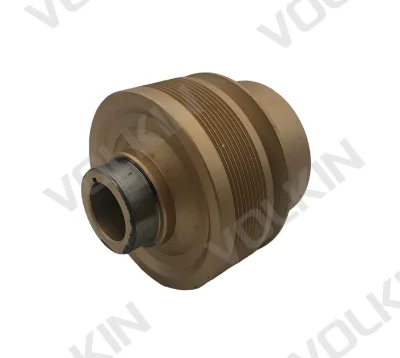


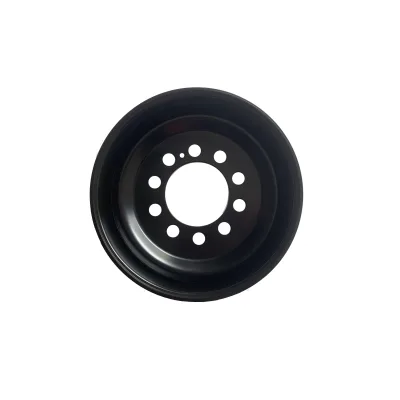


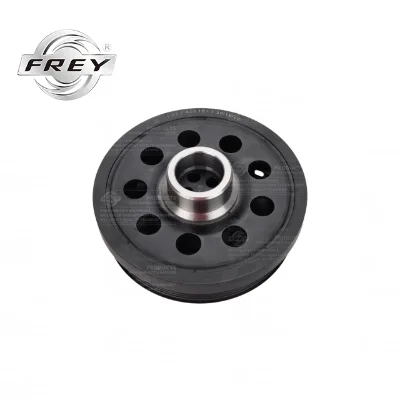


Comprehensive Sourcing Guide
V Groove Crankshaft Pulley Sourcing Guide
Sourcing v groove crankshaft pulleys requires a nuanced understanding of both automotive engineering principles and industrial manufacturing capabilities. These components serve as critical interfaces between the engine’s crankshaft and accessory drive systems, transmitting power to alternators, water pumps, and air conditioning compressors via serpentine or v-belt configurations. Buyers must recognize that while the core function remains consistent, the specific geometry, material composition, and surface treatments vary significantly based on the application’s torque requirements and environmental conditions. This guide provides a structured approach to evaluating suppliers, verifying technical specifications, and ensuring long-term reliability for procurement teams managing inventory for automotive, mining, or heavy transport sectors.
The procurement landscape for these parts is characterized by a high degree of customization and a wide range of material options. Suppliers often offer both standard off-the-shelf items and bespoke solutions tailored to specific engine models or industrial machinery. Buyers should prioritize suppliers who demonstrate flexibility in handling nonstandard designs, as many modern engines require precise pulley geometries to maintain optimal belt tension and alignment. Furthermore, the availability of advanced manufacturing processes, such as CNC machining and specialized surface treatments, allows for the production of lightweight, high-durability components that can enhance overall vehicle or machine performance. Understanding these variables is essential for making informed purchasing decisions that balance cost, quality, and delivery timelines.
Product Scope and Observed Listing Signals
The market for v groove crankshaft pulleys encompasses a diverse array of products, ranging from polished aluminum double groove pulleys to heavy-duty iron castings designed for mining and transport applications. Observed listings indicate a strong presence of CNC-machined aluminum components, which are favored for their lightweight properties and resistance to corrosion. These aluminum pulleys often feature double or serpentine groove designs, catering to complex drive systems that require multiple belt paths. Buyers should note that material selection is a primary differentiator, with aluminum offering weight savings and iron providing robustness for high-torque, heavy-load environments. The presence of both material types in the market suggests that buyers must carefully match the pulley material to the specific operational demands of their equipment.
In addition to material variations, the scope of available products includes specialized features such as hardened surfaces and precise tolerance levels. Some listings highlight products with a hardness rating of "Hardened," indicating a surface treatment process designed to increase wear resistance and extend service life. Tolerances as tight as +/-0.05mm are observed, underscoring the precision required in manufacturing these components to ensure proper belt engagement and minimize vibration. Furthermore, the application scope extends beyond standard automotive use to include power plants, chemical industries, and grain transport, reflecting the versatility of v groove pulleys in various industrial settings. Buyers should evaluate the specific application context to determine whether lightweight aluminum or heavy-duty iron is more appropriate for their needs.
Technical Specifications to Verify
When evaluating v groove crankshaft pulleys, buyers must verify critical technical specifications to ensure compatibility and performance. The model number and size are fundamental identifiers, often specified according to custom drawings or standard types such as Type F. Buyers should confirm that the pulley’s dimensions, including the groove profile and outer diameter, match the original equipment manufacturer (OEM) specifications or the design requirements of their custom machinery. The standard or nonstandard classification is also crucial, as nonstandard pulleys may require custom tooling and longer lead times. Verifying these specifications early in the sourcing process helps prevent costly mismatches and ensures that the purchased components will integrate seamlessly into the existing drive system.
Surface treatment and manufacturing process are additional technical factors that significantly impact the durability and functionality of the pulley. Polishing is a common surface treatment for aluminum pulleys, enhancing aesthetic appeal and reducing friction, while casting is often used for iron pulleys to achieve complex geometries and high strength. Buyers should inquire about the specific manufacturing process to understand the structural integrity of the component. Additionally, the manipulation way, such as forced manipulation, may indicate specific installation or operational requirements that need to be considered. Ensuring that the pulley’s technical attributes align with the operational environment, including temperature and load conditions, is essential for maintaining long-term reliability and preventing premature failure.
Compliance and Safety Documentation
Compliance with international standards and certifications is a critical aspect of sourcing v groove crankshaft pulleys, particularly for applications in regulated industries such as automotive and heavy transport. Many suppliers offer products certified under ISO standards, including ISO9001-2008, which indicates adherence to quality management systems. Buyers should verify the specific certification status of each supplier, as certifications such as CE, DOT, and CCC may be required depending on the target market and application. These certifications provide assurance that the manufacturing processes and quality control measures meet recognized safety and performance benchmarks. Procurement teams should request copies of relevant certificates and validate their authenticity to mitigate compliance risks.
In addition to certifications, buyers should assess the supplier’s commitment to quality control through testing equipment and procedures. The use of projectors for measurement verification is observed in some listings, indicating a focus on precision and accuracy in production. Buyers should inquire about the testing protocols employed by the supplier to ensure that each pulley meets the specified tolerances and performance criteria. Documentation such as material test reports, hardness test results, and dimensional inspection records can provide valuable insights into the quality of the product. By prioritizing suppliers with robust quality control documentation, buyers can reduce the risk of receiving defective components and ensure that the pulleys perform reliably in their intended applications.
Cost Drivers and Commercial Terms
The cost of v groove crankshaft pulleys is influenced by several factors, including material type, manufacturing complexity, and order volume. Aluminum pulleys, which require CNC machining and surface polishing, may have higher unit costs compared to cast iron pulleys, which benefit from economies of scale in casting processes. Buyers should consider the total cost of ownership, including maintenance and replacement frequency, when evaluating price points. Lightweight aluminum components may offer long-term savings by reducing engine load and improving fuel efficiency, while heavy-duty iron pulleys may offer greater durability in harsh operating conditions. Understanding these cost drivers helps buyers make informed decisions that align with their budget and performance requirements.
Commercial terms, such as minimum order quantity (MOQ), lead times, and shipping methods, also play a significant role in the procurement process. Observed MOQs range from 1 piece to 1000 pieces, offering flexibility for both small-scale and bulk purchases. Lead times vary depending on the order size, with sample deliveries taking 10-25 days and batch goods requiring 20-35 days. Some suppliers offer quick delivery options of 7 days for specific items, which can be advantageous for urgent procurement needs. Shipping methods such as UPS, DHL, and air freight are commonly available, allowing buyers to choose the most cost-effective and timely delivery option. Buyers should negotiate clear commercial terms to ensure transparency and avoid unexpected costs or delays.
Supplier Qualification and Quality Control
Supplier qualification is a critical step in ensuring the reliability and consistency of V Groove Crankshaft Pulley supplies. Buyers should evaluate suppliers based on their manufacturing capabilities, quality management systems, and track record in the industry. Suppliers located in regions such as Guangdong and Zhejiang in China are known for their expertise in precision machining and casting, offering a wide range of product options. Buyers should verify the supplier’s production capacity and ability to handle custom orders, as many listings indicate that customization is available. Assessing the supplier’s facility and equipment, including CNC machines and testing instruments, can provide insights into their ability to meet specific technical requirements.
Quality control measures implemented by the supplier are equally important in ensuring product consistency and performance. Buyers should inquire about the supplier’s quality assurance protocols, including incoming material inspections, in-process checks, and final product testing. The use of standard export cartons with inner PP bubble bags or polybag plus carton packaging is observed, indicating attention to product protection during transit. Buyers should also consider the supplier’s warranty policies, with some offering a 1-year warranty on their products. By selecting suppliers with robust quality control systems and favorable warranty terms, buyers can minimize the risk of defects and ensure long-term satisfaction with their purchases.
Long-Term Procurement Checks
Long-term procurement success depends on establishing strong relationships with suppliers and implementing continuous improvement strategies. Buyers should conduct regular performance reviews to assess supplier reliability, product quality, and service responsiveness. Monitoring key performance indicators such as delivery times, defect rates, and customer satisfaction can help identify areas for improvement and ensure that suppliers meet evolving business needs. Buyers should also stay informed about industry trends and technological advancements in pulley manufacturing, such as new materials or surface treatments, to remain competitive and efficient. By maintaining open communication with suppliers and fostering a collaborative partnership, buyers can drive innovation and optimize their supply chain.
Additionally, buyers should periodically re-evaluate their sourcing strategies to adapt to changes in market conditions, regulatory requirements, and operational demands. This may involve diversifying the supplier base to mitigate risks associated with single-source dependencies or exploring alternative materials and designs to enhance product performance. Buyers should also consider the environmental impact of their procurement decisions, prioritizing suppliers who adhere to sustainable manufacturing practices. By implementing a proactive and strategic approach to long-term procurement, buyers can ensure the continued availability of high-quality v groove crankshaft pulleys and support the reliable operation of their equipment and machinery.
FAQs
What materials are used for crank pulleys?
Crank pulleys are typically manufactured from alloy or iron materials. These materials are selected for their durability and ability to withstand high mechanical stress. The choice between alloy and iron depends on specific application requirements such as weight and strength. Some products are polished aluminum for lightweight performance, while others use iron for heavy-duty mining or transport applications.
Can crank pulleys be customized for specific engines?
Yes, customization is available for crank pulleys to meet specific engine requirements. Manufacturers offer nonstandard options tailored to particular drawings or specifications. Buyers can request custom sizes, groove types, and mounting configurations. This flexibility ensures compatibility with various engine models, including those from brands like Komatsu and Doosan, ensuring precise fit and optimal performance.
What certifications do crank pulley suppliers hold?
Suppliers often hold ISO certifications, including ISO9001-2008, to ensure quality management standards. Additional certifications like CE, DOT, and CCC may also be present depending on the target market. These certifications verify that the manufacturing processes, such as CNC machining or casting, adhere to strict international standards. Buyers should verify specific certification documents to ensure compliance with regional regulations and industry requirements.
How long is the delivery time for crank pulleys?
Delivery times vary based on order volume and production status. Samples typically take 10-25 days, while batch goods require 20-35 days. Some suppliers offer quick delivery options within 7 days for specific items. Lead times depend on factors like customization needs, material availability, and shipping method. Buyers should confirm exact timelines with suppliers to align with project schedules and avoid delays.
What is the minimum order quantity for crank pulleys?
The minimum order quantity (MOQ) for crank pulleys ranges from 1 to 1000 pieces. Some suppliers accept orders as low as one piece, while others may require higher volumes for cost efficiency. MOQs depend on the supplier's production capacity and the level of customization required. Buyers should inquire about MOQs early in the sourcing process to ensure alignment with their procurement needs and budget constraints.
Where are crank pulleys manufactured?
Crank pulleys are primarily manufactured in China, with key production hubs in Guangdong and Zhejiang provinces. These regions are known for their advanced manufacturing capabilities, including CNC machining and casting processes. Buyers can source products from these locations, ensuring access to a wide range of suppliers with varying specializations. Origin details should be verified to assess logistics costs and supply chain reliability.