Source 24V DC Truck Frame ECU for Heavy Trucks, Buses, and Generators
Find and compare 30 listings for the 24V DC Truck Frame ECU from verified Chinese manufacturers. Buyers can evaluate specifications like voltage, material, and warranty to select the right Engine Control Unit for their fleet needs.
Key considerations
Products List
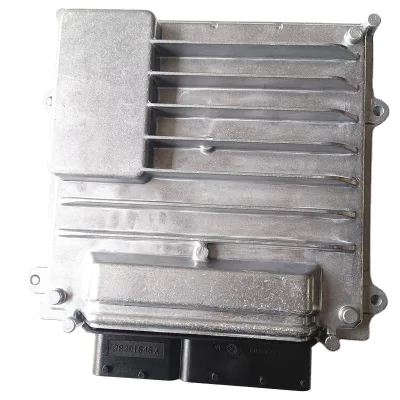
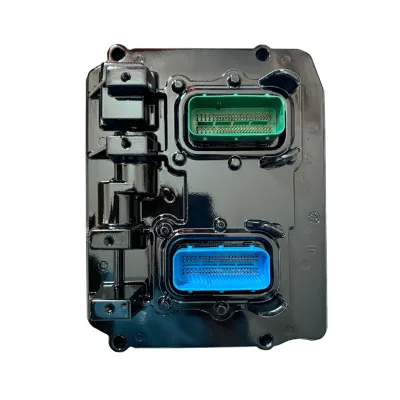
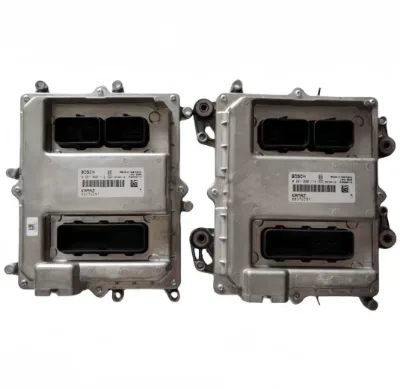
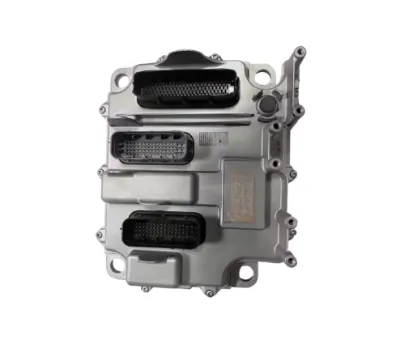
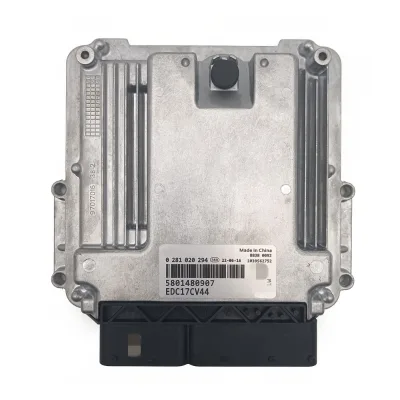
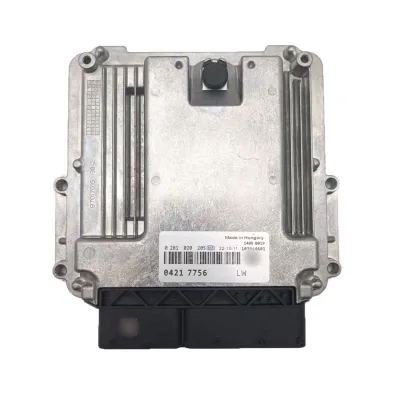
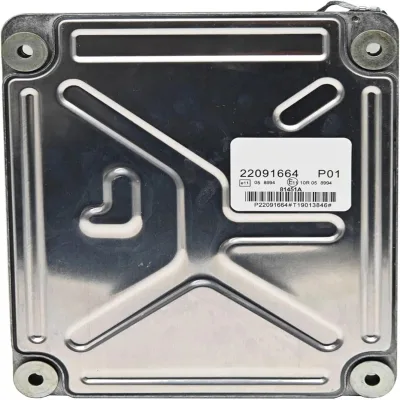
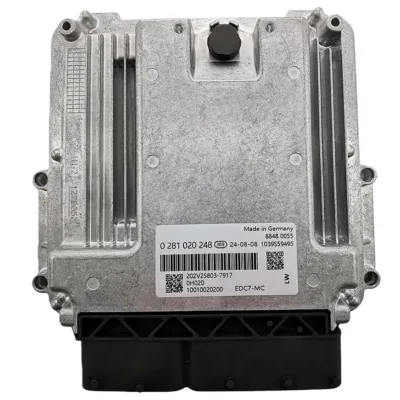
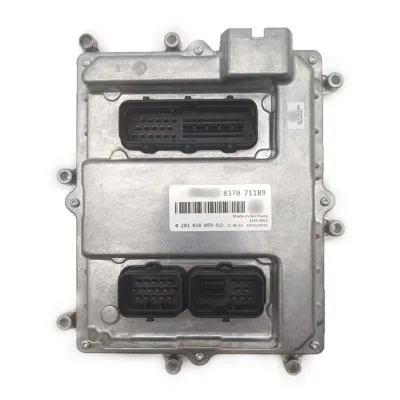
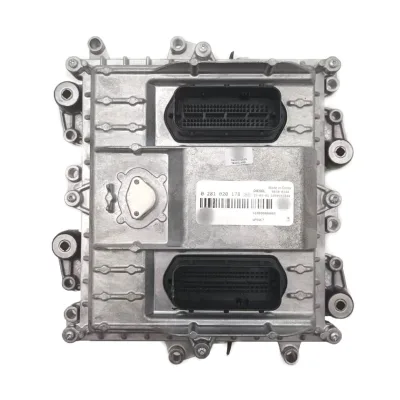
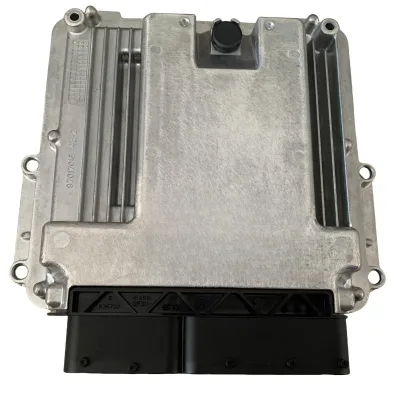
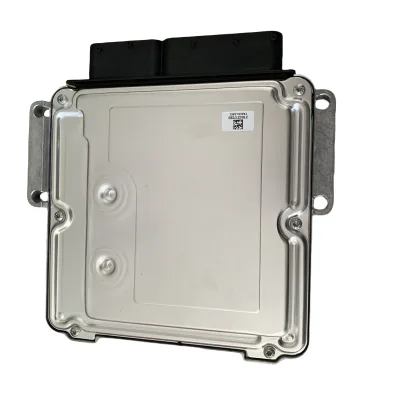
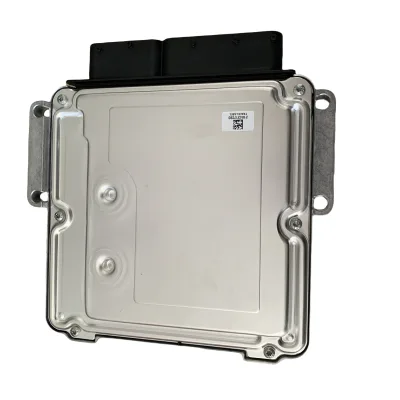
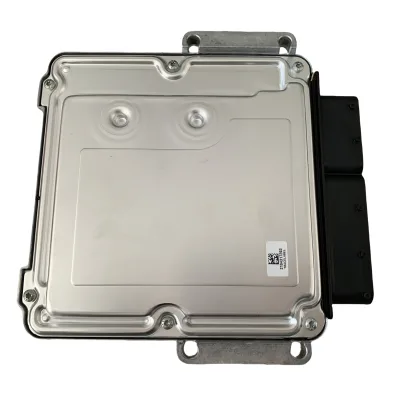
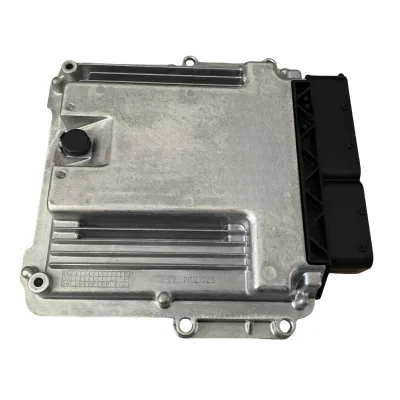
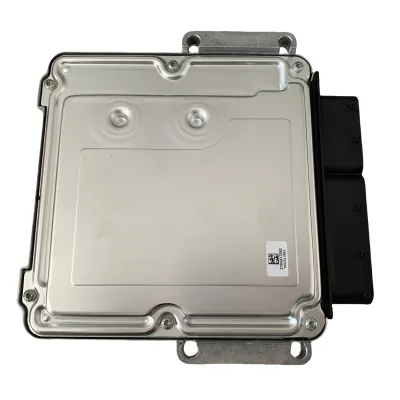
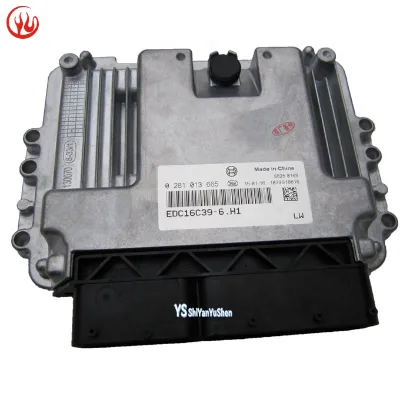
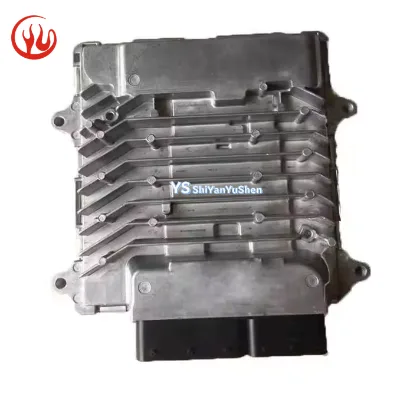
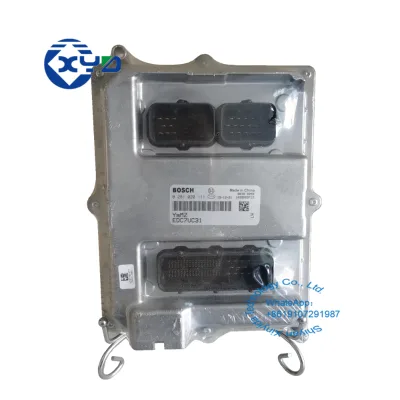


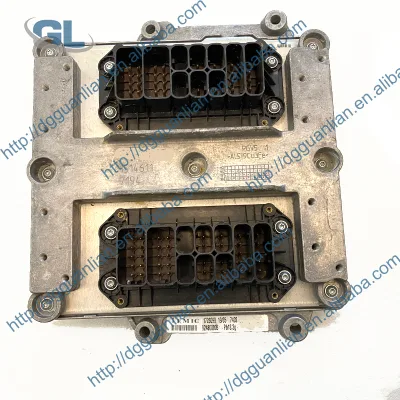
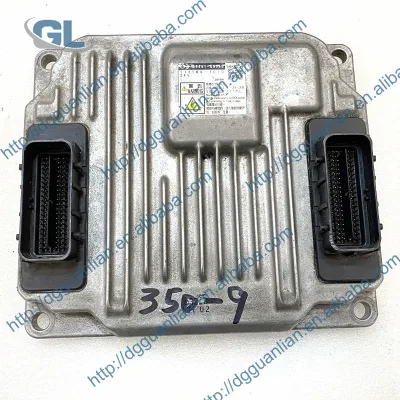


ECU Electronic Control Module Unit 2109555 Ecm for Paccar Engine Daf Truck
$560.00 - $600.00
MOQ: 1 Pieces


Top Quality for Man Truck Components Ptm Controller Electronic Control Unit
$460.00 - $520.00
MOQ: 5 Pieces
Comprehensive Sourcing Guide
Strategic Sourcing Guide for 24V DC Truck Frame ECU Components
Understanding the Technical Landscape of Heavy-Duty Electronic Control Units
The procurement of Electronic Control Units (ECUs) for heavy-duty truck applications requires a precise understanding of the specific electrical and mechanical parameters that define compatibility. The core keyword "24V DC Truck Frame ECU" points to a critical subsystem where the voltage standard is non-negotiable for commercial vehicle integration. In the context of the observed market data, the operating voltage is explicitly defined as DC 24V, a standard requirement for most heavy-duty truck electrical architectures. This distinguishes these components from passenger car ECUs, which typically operate on 12V systems. The physical form factor is equally critical; observed specifications indicate a single package size ranging from approximately 32x23x11 cm to 35x30x10 cm, with a gross weight varying between 2.0 kg and 3.8 kg. These dimensions and weight metrics are essential for logistics planning and packaging verification during the inbound supply chain process.
Material composition plays a significant role in the durability of these units. The supplied data highlights two primary material categories: standard metal construction and aluminum alloy. The use of aluminum alloy suggests a focus on heat dissipation and weight reduction, which is vital for components mounted in or near the engine bay or frame rails where thermal management is a concern. The "frame" aspect of the keyword often implies a mounting location or a specific housing design that must withstand the vibration and shock loads inherent to truck operations. Buyers must verify that the physical housing matches the specific mounting points of their vehicle chassis, as the "Truck Model" and "Car Model" fields in supplier listings often specify compatibility with brands like Dongfeng or specific engine control modules for models like Genlyon. The distinction between a generic "Truck" designation and a specific model name is a key area where procurement teams must exercise caution to ensure the ECU fits the intended vehicle platform.
Compliance Verification and Certification Standards
In the B2B procurement of automotive electronic components, verifying compliance with international quality management standards is a primary risk mitigation strategy. The market data indicates that some suppliers hold ISO9001 and IATF16949 certifications. These are not merely marketing terms but represent adherence to rigorous quality management systems specific to the automotive industry. IATF16949, in particular, is the global standard for automotive quality management, ensuring that the supplier has implemented processes for defect prevention, variation reduction, and continuous improvement in the automotive supply chain. When evaluating potential suppliers, buyers should request valid certification documents and verify their scope to ensure it covers the manufacturing of electronic control units.
Beyond organizational certifications, the physical attributes of the product must align with safety and performance expectations. The "Quality" attribute in the provided data is described as "High-Quality," but this is a subjective claim that requires objective verification. Buyers should look for evidence of testing protocols that validate the unit's ability to withstand the harsh environments typical of truck operations, including temperature extremes, moisture, and electromagnetic interference. The "Warranty" terms observed range from 3 months to 1 year, with some listings offering a "6-month" warranty. These varying terms indicate a lack of standardization in the market, suggesting that warranty duration is a negotiable or variable factor rather than a fixed industry baseline. Procurement teams should treat the warranty period as a reflection of the supplier's confidence in their product's reliability and use it as a leverage point in contract negotiations.
Cost Drivers and Pricing Dynamics in the ECU Market
The pricing structure for 24V DC truck ECUs is influenced by a complex array of factors, including the complexity of the internal circuitry, the brand reputation, and the specific application requirements. The observed price range in the market spans from $28.92 to $15,000 USD. This vast disparity indicates that the market includes both low-cost aftermarket replacements and high-end, specialized units that may include proprietary software or advanced diagnostic capabilities. The lower end of the price spectrum likely corresponds to basic replacement units or those with generic branding, while the upper end may reflect OEM-equivalent parts, units with integrated software licensing, or specialized modules for specific heavy-duty applications.
Several cost drivers contribute to this variance. The "Brand Name" is a significant factor; listings show brands ranging from "DONGFENG" and "YFL" to generic descriptions like "Engine Control Unit For Genlyon." Branded components often command a premium due to perceived reliability and compatibility assurance. Additionally, the "Service" attribute, such as "professional service" or "24 Hours Customer Service," adds value to the overall cost proposition. Suppliers offering comprehensive technical support and rapid response times often price their products higher to cover these service overheads. The "Payment Term" of 30% T/T Advance is a standard industry practice that affects cash flow but does not directly alter the unit price; however, it is a critical term for financial planning. Buyers must analyze the total cost of ownership, including shipping, potential duties, and the cost of downtime if a cheaper unit fails prematurely, rather than focusing solely on the initial purchase price.
Typical Applications and Compatibility Requirements
The application of 24V DC truck ECUs is highly specific, often tied to the make, model, and engine configuration of the vehicle. The data reveals that these units are designed for "Diesel Vehicle" applications, which is consistent with the high-torque, high-voltage requirements of modern heavy-duty trucks. The "Purpose" is explicitly stated as "for replace/repair," indicating that these are replacement parts rather than original equipment installed during the initial manufacturing of the vehicle. This distinction is crucial for buyers sourcing parts for fleet maintenance, as the compatibility must be exact to ensure the vehicle's electronic systems function correctly.
The "OE NO." (Original Equipment Number) is the primary identifier for compatibility. The observed data lists specific part numbers such as 5348867, P4384696, 0281020112, 2013285, and 0281020294. These numbers correspond to specific engine control modules used by various manufacturers. For instance, the part number 0281020294 is associated with the EDC17CV44 system, a common electronic diesel control unit used in many European and Asian truck models. Buyers must cross-reference the OE numbers of their existing faulty units with the supplier's listings to ensure a direct match. The "Model Number" provided by suppliers, such as 5348867 or P4384696, serves as a secondary identifier but should always be verified against the vehicle's service manual. Mismatching part numbers can lead to installation failures, communication errors with the vehicle's diagnostic system, or complete engine shutdown.
Supplier Evaluation and Operational Capabilities
Evaluating suppliers for ECU procurement requires a multi-dimensional approach that goes beyond simple price comparison. The "Place of Origin" data shows suppliers located in Hubei, Shandong, and Guangdong, China. While these regions are known for their manufacturing capabilities, the geographic location alone does not guarantee quality. Buyers should focus on the supplier's operational capabilities, such as their ability to handle "Sample order" requests. The acceptance of sample orders is a positive indicator of a supplier's willingness to engage in a trial phase before committing to a larger purchase. This allows buyers to physically inspect the product, verify the packaging, and test the unit in a controlled environment.
The "Service" attributes, such as "professional service" and "24 Hours Customer Service," are critical indicators of a supplier's commitment to customer satisfaction. In the context of truck maintenance, downtime is expensive, and having access to technical support can significantly reduce repair times. Buyers should inquire about the depth of this support, including whether it covers technical troubleshooting, software flashing, or hardware replacement procedures. The "Package" type, described as "Neutral Carton," suggests that the supplier uses standard packaging that does not bear the buyer's branding, which is common for B2B transactions where the end-user is a fleet operator rather than a retail consumer. However, buyers should ensure that the packaging is robust enough to protect the sensitive electronic components during transit, given the "Single gross weight" and dimensions observed.
Quality Control and Long-Term Procurement Considerations
Implementing a robust quality control (QC) process is essential when sourcing ECUs to minimize the risk of receiving defective units. The "Warranty" terms observed, ranging from 3 months to 1 year, provide a baseline for the expected lifespan of the product. However, buyers should not rely solely on the warranty period as a proxy for quality. Instead, they should establish a QC protocol that includes visual inspection of the packaging, verification of the part numbers and labels, and functional testing upon receipt. The "Net weight" and "Single gross weight" specifications can also serve as a quick check; significant deviations from the stated weights may indicate missing components or substandard materials.
Long-term procurement considerations involve building a sustainable relationship with reliable suppliers. The "MOQ" (Minimum Order Quantity) observed ranges from 1 set to 10 sets, offering flexibility for both small-scale repairs and larger fleet overhauls. A low MOQ allows buyers to test multiple suppliers without significant inventory risk. However, for long-term contracts, buyers should negotiate volume discounts and consistent supply terms. The "Selling Units" being listed as "Single item" suggests that the market is accustomed to selling individual units, which is typical for repair parts. Buyers should also consider the "Lead time" and "Payment Term" when planning their inventory. While specific lead times are not provided in the data, the 30% T/T Advance term indicates a standard prepayment structure that buyers must factor into their cash flow management.
| Attribute | Observed Range/Value | Procurement Implication |
|---|---|---|
| Voltage | DC 24V | Mandatory for heavy-duty truck compatibility |
| Material | Metal, Aluminum Alloy | Affects heat dissipation and durability |
| Warranty | 3 months to 1 year | Indicates supplier confidence; negotiate terms |
| MOQ | 1 - 10 Sets | Allows for flexible testing and small batch orders |
| Certification | ISO9001, IATF16949 | Verify scope and validity for quality assurance |
| Price Range | $28.92 - $15,000 USD | Reflects complexity and brand value |
| Package | Neutral Carton | Standard B2B packaging; verify protection levels |
In conclusion, sourcing 24V DC truck frame ECUs requires a meticulous approach that balances technical specifications, supplier reliability, and cost efficiency. By leveraging the observed data on part numbers, materials, and certifications, buyers can make informed decisions that ensure the longevity and performance of their truck fleets. The variability in warranty and pricing underscores the need for thorough due diligence, ensuring that the selected components meet the rigorous demands of heavy-duty transportation.
FAQs
What voltage do these truck ECUs operate on?
These Electronic Control Units operate on a DC 24V voltage standard. This specific voltage is mandatory for compatibility with most heavy-duty truck electrical architectures and distinguishes them from standard 12V passenger car systems.
Which certifications should I verify for quality assurance?
You should verify that suppliers hold ISO9001 and IATF16949 certifications. These standards indicate adherence to rigorous automotive quality management systems essential for preventing defects and ensuring continuous improvement in the supply chain.
How long is the typical warranty period for these parts?
The warranty period typically ranges from 3 months to 1 year depending on the supplier. This variation reflects the supplier's confidence in product reliability, so you should treat the duration as a negotiable factor during contract discussions.
Can I order a single sample unit for testing?
Yes, sample orders are generally accepted by suppliers for testing purposes. This allows you to physically inspect the product and verify packaging before committing to a larger purchase order for your fleet maintenance needs.
Which material types are used for the ECU housing?
The housing is constructed from standard metal or aluminum alloy materials. Aluminum alloy is often preferred for better heat dissipation and weight reduction, which is vital for components mounted near the engine bay or frame rails.
What is the minimum order quantity for these ECUs?
The minimum order quantity ranges from 1 set to 10 sets depending on the vendor. This flexibility allows buyers to test multiple suppliers without significant inventory risk while accommodating both small repairs and larger fleet overhauls.