Source LCD Display Screen for Consumer Electronics and Advertising
Find 30 verified options for LCD Display Screen tailored to consumer electronics, graphic design, and surveillance. Compare specifications like response time, touch type, and display technology to select the right module for your project; compare the available evidence and request quotations based on your requirements.
Key considerations
Products List

7 Segment Character LCD Module Display Module LCD Screen Display Screen
$0.50 - $1.50
MOQ: 1000 Pieces


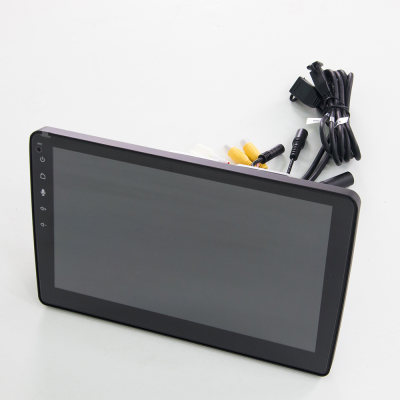


55 Inch Interactive LCD Touch Screen LCD Touch Display Interactive White Board
$478.00 - $512.00
MOQ: 1 Pieces


Comprehensive Sourcing Guide
LCD Display Screen Sourcing Guide
The global market for LCD display screens encompasses a diverse range of modules tailored for specific industrial and consumer needs, from small-sized liquid crystal modules to large-format interactive panels. Buyers must distinguish between static drive LCD modules and advanced TFT technologies, as the drive mode significantly impacts power consumption and visual performance. The observed product landscape includes everything from 0.96-inch counting modules to expansive 85-inch interactive displays, requiring precise alignment between application requirements and technical capabilities.
Procurement strategies must account for the varying customization levels available, ranging from non-customized standard units to fully tailored solutions with specific interface types. While some listings indicate consumer electronics applications, others target graphic design, surveillance, or advertising environments, each demanding distinct durability and viewing angle specifications. Understanding these segmentation nuances ensures that the selected display technology, whether STN, FSTN, or AMOLED, aligns with the operational environment and intended user experience.
Product Scope and Observed Listing Signals
Buyers should analyze the observed price range of 0.12 to 6999 USD to understand the vast disparity between basic indicator modules and high-end interactive all-in-one PCs. This wide spectrum reflects differences in screen size, resolution, and integrated features such as touch capabilities or operating systems. A 35.6mm module serves a different purpose than a 55-inch screen with 3840x2160 resolution, necessitating a clear definition of the required form factor before engaging with suppliers.
The minimum order quantity (MOQ) ranges from 1 to 1000 units, indicating flexibility for prototyping as well as bulk industrial deployment. Sourcing teams must verify if the supplier can accommodate small batch orders for testing without inflating unit costs excessively. Additionally, the presence of specific model numbers like BBI2016055 or BBI-957845L suggests that catalog-based purchasing is common, yet custom configurations are also available for specialized projects requiring unique dimensions or interface protocols.
Technical Specifications to Verify
Technical due diligence requires confirming the display technology type, as the market offers STN, FSTN, and TFT options with varying response times and viewing angles. Buyers must verify if the module supports IPS or MVA viewing angles to ensure visibility from multiple perspectives, particularly for outdoor or public information displays. The response time, observed at 3ms or 6ms depending on the model, is critical for applications involving motion or interactive touch inputs to prevent visual lag.
Interface compatibility and resolution are equally vital, with options ranging from HDMI connections to infrared or capacitive touchscreens. Procurement teams should validate the operating system support, such as Windows 10 for all-in-one units, and ensure the RAM and ROM configurations meet processing demands. The aspect ratio and screen size, whether 16:9 widescreen or specific custom dimensions, must match the physical enclosure and software layout requirements of the final product.
Compliance and Safety Documentation
Regulatory compliance is a non-negotiable aspect of sourcing, with many suppliers listing CE, FCC, and ROHS certifications as standard for their electronic components. Buyers must request valid test reports to confirm that the displayed products meet these safety and environmental standards before integrating them into commercial goods. The absence of these certifications can lead to market access barriers, particularly in North America and the European Union, where electronic waste and electromagnetic interference are strictly regulated.
Safety documentation should also cover the specific manufacturing processes and material safety data sheets for the liquid crystal and backlighting components. While some products are marked as non-3D, others may support advanced features like LED backlighting or remote control functionality, which require additional electrical safety verification. Ensuring that the supplier provides comprehensive compliance documentation protects the buyer from liability and ensures the final assembly meets international safety norms.
Cost Drivers and Commercial Terms
Cost structures are heavily influenced by the display technology, screen size, and the level of customization required for the specific application. Larger screens with high resolutions and integrated operating systems command significantly higher prices than small, static drive modules used for simple metering or counting tasks. Buyers should analyze the total cost of ownership, including the potential need for custom packaging or specialized interface cables, which can add to the base unit price.
Commercial terms such as lead times and payment conditions vary based on the order volume and the complexity of the customization. While some standard items may be available with short lead times, custom-designed modules often require extended production schedules. Procurement teams must negotiate clear terms regarding the minimum order quantity and the pricing tiers associated with different volume brackets to optimize budget allocation and cash flow management.
Supplier Qualification and Quality Control
Supplier qualification involves verifying the origin of the products, with China being a primary manufacturing hub for the observed LCD modules. Buyers should assess the supplier's production capacity and quality control processes to ensure consistency across large batches, especially when dealing with sensitive components like touch screens or high-resolution panels. The ability to provide samples for testing is a key indicator of a supplier's confidence in their product quality and their willingness to support the buyer's validation process.
Quality control protocols must include rigorous testing for response times, viewing angles, and touch sensitivity to prevent field failures. Suppliers should demonstrate a track record of meeting the specified standards for display technology and interface types. Establishing a clear communication channel for defect reporting and warranty claims is essential, as the performance of LCD modules can degrade over time if not manufactured to precise specifications.
Long-Term Procurement Checks
Sustainable procurement requires monitoring the long-term availability of components and the supplier's ability to support product lifecycles. Buyers should verify the obsolescence policies for specific model numbers to ensure that replacement parts will be available for the duration of the product's market life. This is particularly important for industrial applications where downtime due to component unavailability can result in significant financial losses and operational disruptions.
Regular performance audits and feedback loops with the supplier help maintain high standards and address any emerging quality issues proactively. As technology evolves, the buyer must remain flexible to adopt newer display technologies that offer better energy efficiency or enhanced visual performance. Building a strategic partnership with a reliable supplier ensures a steady supply chain and access to the latest innovations in LCD display technology.
FAQs
What display technologies are available for these LCD modules?
Available display technologies include TFT, FSTN, CSTN, and STN types. Some modules feature AMOLED drive modes while others use static drive LCD modules. The specific technology depends on the model selected, such as BBI2016055 or BBI-11q1, which may vary in resolution and response time.
Can I customize the LCD Display Screen specifications?
Customization is available for certain product lines, allowing buyers to request specific configurations. However, some items are listed as non-customized standard units. Buyers should verify the customized status for each model, as options like size or interface type may differ between the BBI-957845L and other variants.
Which touch screen types are supported for these displays?
Supported touch screen types include capacitive, capacitive touchscreen AIO PC, and surface acoustic wave options. The specific type depends on the application, such as graphic design or surveillance. Some models also support infrared touch capabilities, ensuring compatibility with various control interfaces and user interaction needs.
What are the standard certifications for these LCD products?
Products often carry CE, FCC, and ROHS certifications to ensure compliance with international safety and environmental standards. These certifications apply to specific models like the BBI20231184. Buyers should confirm certification details for each item, as not all listed products may share the same documented compliance status.
How does the response time vary across different LCD models?
Response times vary significantly, with some modules offering 3ms or 6ms performance. High-performance units may achieve 2ms response times at optimum resolutions like 3840x. The specific speed depends on the display technology used, such as TFT or STN, and the intended application like small-sized LCM or big-screen projects.
What is the typical MOQ for ordering these LCD screens?
The minimum order quantity ranges from 1 to 1000 units depending on the supplier and product type. Some items may have specific packing requirements like 500 units per package. Buyers should check the MOQ for each model, as it varies based on customization needs and stock availability from Chinese manufacturers.
Which applications are suitable for these LCD display screens?
These screens are suitable for consumer electronics, graphic design, advertising, and surveillance applications. They support uses ranging from small-sized LCMs to big-screen projects and indoor or outdoor installations. The versatility allows deployment in computer systems, taxi displays, and various other electronic devices requiring reliable visual output.