Source 2b Stainless Steel Plate for Boiler, Ship, and Container Use
Compare 30 listings of 2b Stainless Steel Plate with varying grades, thicknesses, and surface finishes. Buyers can evaluate options for boiler plates, ship plates, and container applications based on certified standards and delivery times; compare the available evidence and request quotations based on your requirements.
Updated
Key considerations
Products List

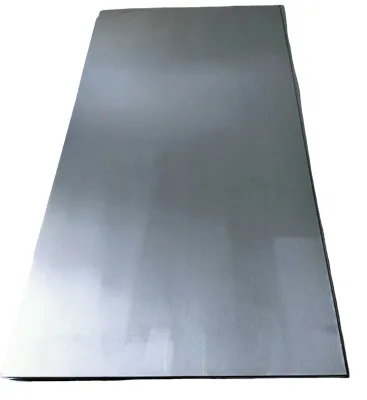
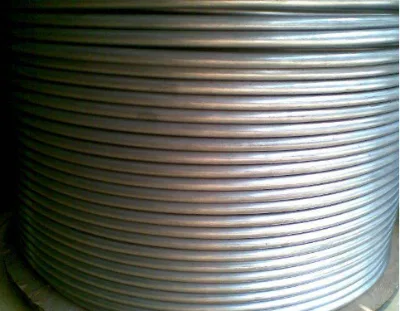

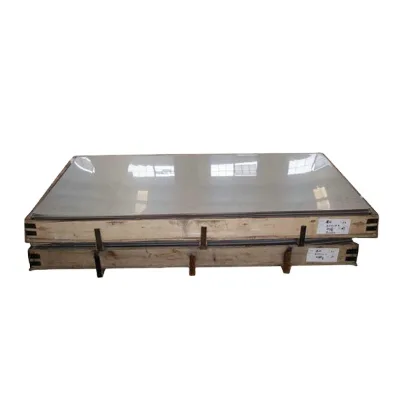


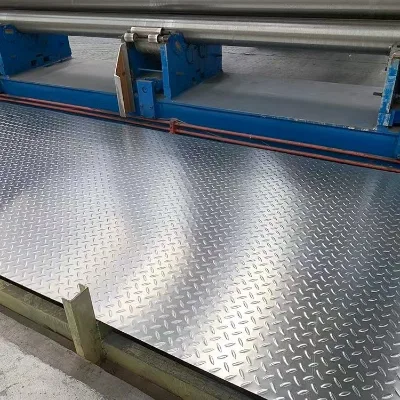


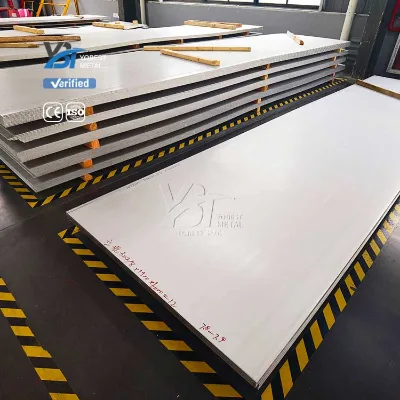
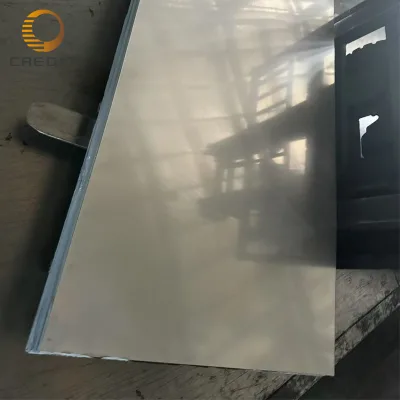
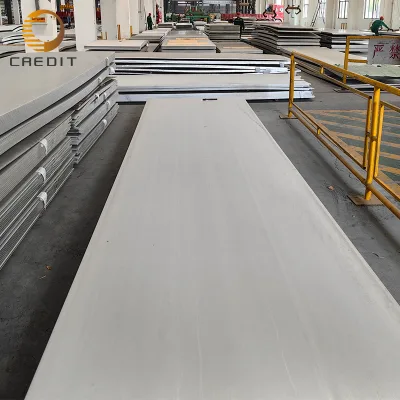
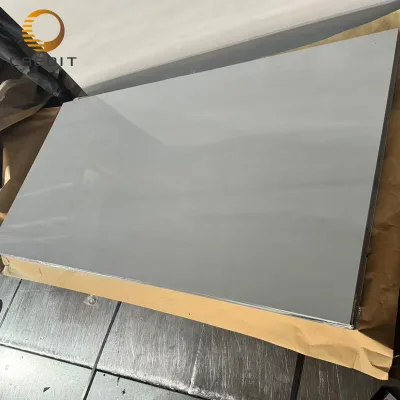
Hot/Cold Rolled Stainless Steel Plate 1000x2000mm 1500x3000mm Custom Sizes Available
$2.6577 - $4.5869
MOQ: 1 kilograms
Comprehensive Sourcing Guide
2b Stainless Steel Plate Sourcing Guide
The 2b Stainless Steel Plate represents a critical material category for industrial applications requiring a balanced combination of surface finish and mechanical integrity. Market observations indicate that this specific surface treatment, often designated as 2B, is frequently paired with cold-rolled techniques to ensure uniform thickness and smooth texture. Buyers must recognize that while the 2B finish is standard for general industrial use, it may not satisfy the specific aesthetic or friction requirements of high-polish applications without further processing.
Procurement strategies for this material must account for the diverse range of grades and thicknesses available in the current supply chain. Data suggests that plates are offered in thicknesses ranging from 0.5mm to 200.0mm, with widths typically spanning 1000mm to 1500mm. Sourcing decisions should prioritize verifying the exact grade, such as 301L or other stainless variants, to ensure compatibility with the intended environment, whether it involves boiler plates, container construction, or specialized mold and die applications.
Product Scope and Observed Listing Signals
Current market listings for 2b stainless steel plates reveal a broad spectrum of product attributes that buyers must navigate carefully. Observations confirm that these plates are often categorized under specialized uses including wear-resistant steel, high-strength steel, and cutting tools. The availability of stock is a significant factor, with many suppliers maintaining inventory to support immediate delivery needs, although some custom orders may require specific lead times ranging from two days to two weeks depending on the order volume.
Buyers should also scrutinize the packaging and logistical details provided in product listings to avoid unexpected costs or delays. Standard cartons are commonly used for protection, yet the invoicing method often relies on actual weight rather than theoretical weight, which can impact the final landed cost. Additionally, the origin of the material varies, with shipments potentially coming from regions in China or the United Arab Emirates, necessitating a clear understanding of the supply chain geography before finalizing a purchase agreement.
Technical Specifications to Verify
Technical verification begins with confirming the precise surface texture and finish specifications required for the application. The 2B finish is distinct from other surface treatments like NO.1, and buyers must ensure the supplier explicitly states this designation to avoid receiving a matte or rougher finish that could compromise downstream manufacturing processes. The tolerance levels for these plates are critical, with observed specifications indicating a tolerance of ±1%, which must be strictly adhered to for precision engineering projects.
Dimensional accuracy is another paramount consideration, as the physical properties of the plate directly influence its structural performance. Specifications often list lengths of 200mm or customizable lengths, alongside widths that may vary between 9.9mm and 19mm for specific tie applications or broader ranges for plate stock. Buyers must verify the mechanical performance claims, such as high strength and excellent corrosion resistance, against the specific grade of stainless steel, such as 301L, to ensure the material meets the rigorous demands of boiler plates or ship plates.
Compliance and Safety Documentation
Compliance documentation is essential for validating the safety and regulatory standing of the stainless steel plates in the supply chain. Multiple certifications are frequently observed in product listings, including CE, ISO, and RoHS, which indicate adherence to international safety and environmental standards. However, buyers must verify that these certifications are current and applicable to the specific batch of steel being purchased, as some listings may also reference IBR certification for specialized industrial uses.
Safety and hygiene standards are equally critical, particularly for applications in food or medical sectors where material purity is non-negotiable. The observed data highlights that some products are marketed with a hygiene level described as Food/Medical Grade, alongside claims of 100% recyclability and eco-friendly production. Procurement teams should request specific test reports or certificates of analysis to confirm that the material meets these hygiene levels and that the surface treatment processes do not introduce contaminants that could violate industry safety regulations.
Cost Drivers and Commercial Terms
Cost structures for 2b stainless steel plates are heavily influenced by the raw material grade, thickness, and the specific surface treatment applied. The invoicing method, which often relies on actual weight, means that slight variations in density or dimensions can lead to price fluctuations that differ from theoretical calculations. Buyers should anticipate that high-strength or specialized grades like silicon steel may command a premium over standard stainless variants, affecting the overall budget for large-scale industrial projects.
Commercial terms regarding minimum order quantities and delivery timelines are also significant cost drivers that require careful negotiation. While some suppliers offer a minimum order quantity of just one piece, others may enforce a standard MOQ of 1000 pieces, which can impact the feasibility of small-batch procurement. Delivery times vary widely, with some suppliers offering rapid two-day delivery for stock items, while custom orders may require a lead time of eight to fourteen days, necessitating precise planning to avoid production bottlenecks.
Supplier Qualification and Quality Control
Supplier qualification requires a rigorous assessment of their manufacturing capabilities and quality control systems to ensure consistent product delivery. Buyers should verify that the supplier possesses the necessary technical expertise to handle cold-rolled techniques and surface treatments like coating or specific finishes such as TSHS. The presence of a warranty, often cited as one year, serves as a baseline indicator of the supplier's confidence in their product, but it should be backed by clear terms regarding defect resolution and replacement policies.
Quality control processes must extend beyond the final inspection to include checks on the raw material source and production standards. The observed data indicates that suppliers may operate from multiple locations, including Shanxi, Shanghai, Hebei, and Henan, each potentially having different quality control protocols. Buyers should request evidence of adherence to standards such as ASTM, AISI, BS, DIN, GB, and JIS to ensure that the plates meet the specific international or regional requirements of their project specifications.
Long-Term Procurement Checks
Long-term procurement success depends on establishing a reliable supply chain that can adapt to changing market conditions and technical requirements. Buyers should regularly review the supplier's ability to maintain stock levels and their responsiveness to customization requests, such as flexible sizing or specific surface textures. The ability to provide diverse finishes for practical applications suggests a supplier's versatility, which is crucial for maintaining operational continuity in dynamic industrial environments.
Sustainability and material lifecycle management are increasingly important factors in long-term supplier relationships. The observation that these plates are 100% recyclable and produced through eco-friendly methods aligns with modern corporate sustainability goals. Procurement teams should monitor the supplier's commitment to these environmental standards over time, ensuring that the material remains compliant with evolving regulations and that the supply chain maintains its integrity regarding recyclability and production ethics.
FAQs
What certifications are available for 2b Stainless Steel Plate?
Available certifications include CE, ISO, RoHS, and IBR. These standards ensure compliance with international quality and safety requirements. Buyers can verify specific documentation to meet regulatory needs in various industries. The material also adheres to ASTM, AISI, BS, DIN, GB, and JIS standards for global acceptance.
Can 2b Stainless Steel Plate be customized for specific sizes?
Yes, customization is available for flexible size requirements. The standard thickness ranges from 0.5 to 200.0 mm, with widths between 1000 and 1500 mm. This allows for tailored solutions to fit specific industrial applications. Buyers can request dimensions that align with their project specifications and manufacturing needs.
What is the typical lead time for delivery?
Delivery times vary, with some options available in 2 days and others taking 8 to 14 days. This depends on stock availability and order volume. Buyers should confirm specific timelines with suppliers to ensure timely project completion. Stock items may offer faster turnaround compared to custom-ordered materials.
Which steel grades are used for 2b Stainless Steel Plate?
Common grades include 301L stainless steel, known for high strength and corrosion resistance. The material is suitable for boiler plates, container plates, and ship plates. It offers excellent mechanical performance and is 100% recyclable. These grades ensure durability and suitability for demanding industrial environments.
What is the minimum order quantity for stainless steel plates?
The minimum order quantity is typically 1000 pieces, though some suppliers may accept orders as low as 1 unit. This flexibility accommodates both bulk industrial purchases and smaller project needs. Buyers should verify MOQs with specific vendors to align with their procurement strategy and budget constraints.
How is the surface finish of 2b Stainless Steel Plate defined?
The 2B surface finish is a standard cold-rolled treatment providing a smooth, reflective surface. It is suitable for applications requiring hygiene and aesthetic appeal. The finish is often coated for additional protection. This treatment ensures practical utility in food, medical, and industrial sectors.