Source BA 304L Stainless Steel Tubing for Pipeline, Machinery, Mining
Compare 30 listings of BA 304L Stainless Steel Tubing from verified Chinese manufacturers. Buyers can evaluate specifications like ASTM standards, wall thickness, and delivery times for pipeline transport, machinery, and chemical industry applications; compare the available evidence and request quotations based on your requirements.
Updated
Key considerations
Products List




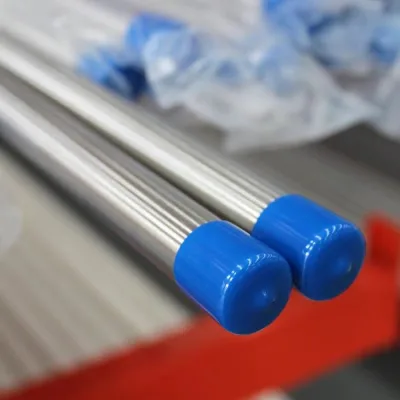
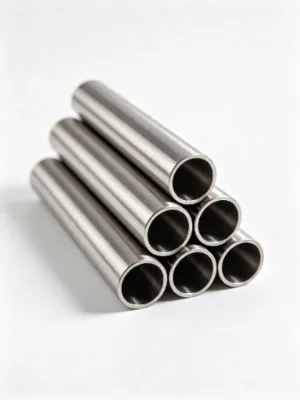
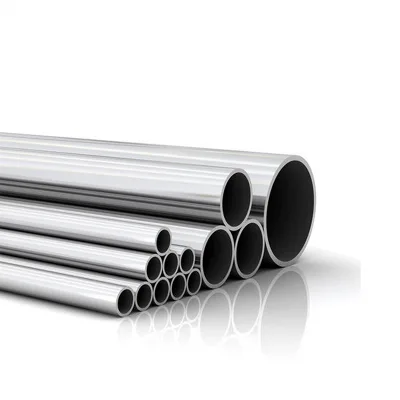
Comprehensive Sourcing Guide
BA 304L Stainless Steel Tubing Sourcing Guide
Sourcing high-quality BA 304L Stainless Steel Tubing requires a clear understanding of the specific surface finish and material grade that define this product category. The "Ba" designation refers to a Bright Annealed surface finish, which provides a smooth, reflective interior and exterior surface essential for applications demanding high hygiene standards or low friction. This finish is typically achieved through a controlled annealing process in a protective atmosphere, preventing oxidation and scale formation. Buyers must distinguish between Ba finish and other surface treatments like pickling or polishing, as the Ba finish offers a unique combination of aesthetic appeal and functional cleanliness that is critical for pharmaceutical, food, and precision instrumentation industries.
The 304L grade indicates a low-carbon variant of the standard 304 stainless steel, offering improved weldability and reduced risk of carbide precipitation during welding operations. This makes it particularly suitable for components that will undergo subsequent welding or high-temperature exposure. When sourcing, procurement teams should verify that the supplier explicitly confirms the "L" grade to ensure the carbon content remains below 0.03%, thereby maintaining corrosion resistance in the heat-affected zone. Understanding these material specifics allows buyers to align their technical requirements with supplier capabilities, ensuring that the tubing meets both structural integrity and surface quality expectations for sensitive industrial applications.
Product Scope and Observed Listing Signals
Market listings for stainless steel seamless pipes often reveal a wide range of specifications, with outside diameters spanning from 3/8 inches to 100 inches, or 4 to 2500 millimeters. This broad range indicates that suppliers cater to diverse industrial needs, from small-diameter precision tubing to large-scale pipeline transport systems. Buyers should note that while the core keyword focuses on tubing, many suppliers list these products under broader categories like "Stainless Steel Seamless Pipe." It is crucial to verify that the specific product listing explicitly mentions the Ba finish and 304L grade, as general seamless pipe listings may default to standard 304 or other surface finishes like annealing and pickling.
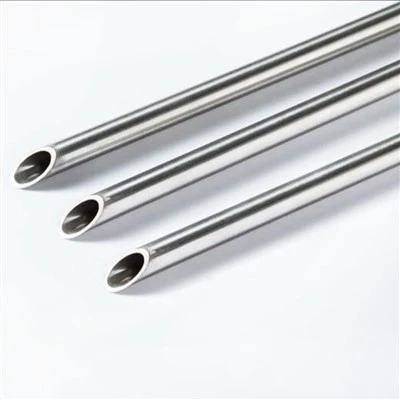
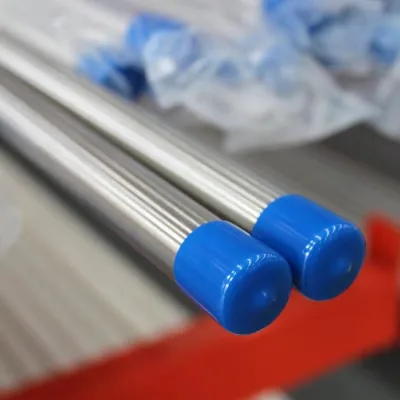
Observed listing signals also highlight variations in length and end preparations, with common lengths including 5.8m, 6m, 11.8m, and 12m, or custom requirements. Ends may be beveled, plain, or free capped, depending on the intended installation method. Additionally, some listings specify tolerance levels as tight as ±0.05mm or as per request, which is vital for precision applications. Buyers must carefully review these details to ensure compatibility with their manufacturing processes. The presence of terms like "Precision Application" in product attributes further suggests that certain suppliers specialize in tighter tolerances and higher surface quality standards, which are essential for the Ba 304L tubing market.
Technical Specifications to Verify
When evaluating technical specifications, buyers must confirm the steel grade composition, ensuring it aligns with the 304L standard, which includes specific ranges for chromium, nickel, and low carbon content. The supplied context lists steel grades such as 304, 304L, 316, and 316L, so explicit confirmation of the "L" variant is necessary to avoid receiving standard 304 material. Furthermore, the surface finish must be verified as Ba (Bright Annealed), as other finishes like AP (Acid Pickled) or Ep (Electro Polished) offer different characteristics. Buyers should request mill test reports that detail the chemical composition and mechanical properties to ensure the material meets the required performance criteria for their specific application.
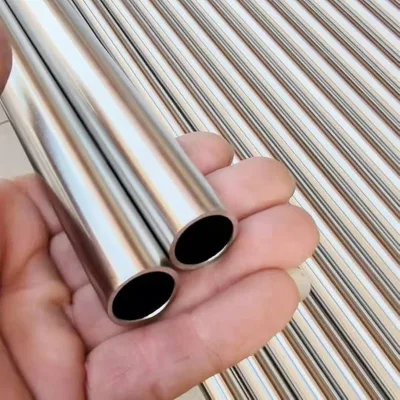
Dimensional accuracy is another critical technical aspect, with tolerances ranging from ±0.05mm for precision applications to ±10% for more general uses. The outside diameter range of 1mm to 40mm is noted for specific EP BA AP stainless seamless pipes, indicating that smaller diameter tubing is available for precision needs. Buyers should specify their required outer diameter and wall thickness, noting that schedule 160 is mentioned in some listings, which implies a specific wall thickness standard. Verifying these dimensional tolerances and surface finishes against the purchase order is essential to prevent production delays or quality issues downstream, ensuring the tubing fits seamlessly into the final assembly.
Compliance and Safety Documentation
Compliance with international standards is paramount when sourcing stainless steel tubing, with ASTM standards such as A269, A312, A249, A554, A789, A790, and A268 being commonly referenced. Buyers must ensure that the supplier provides documentation confirming adherence to the relevant ASTM standard for the specific application, whether it be general corrosion resistance, structural integrity, or high-temperature service. The supplied context also mentions EN, GB, DIN, KS, SUS, ANSI, and AISI standards, indicating that suppliers may cater to various regional requirements. Procurement teams should verify which standard applies to their project and request certificates of conformity that explicitly reference the correct standard number.
Quality certifications such as ISO 9001 and Ts16949 are also highlighted in the supplied context, signaling that the supplier has implemented a robust quality management system. These certifications are crucial for industries with stringent regulatory requirements, such as automotive and medical devices. Buyers should request copies of these certificates and verify their validity with the issuing body. Additionally, the mention of "ISOCE" certification suggests a focus on international quality benchmarks. Ensuring that the supplier holds these certifications provides assurance that the manufacturing processes are controlled and consistent, reducing the risk of defects and ensuring traceability of the material from production to delivery.
Cost Drivers and Commercial Terms
Several factors influence the cost of BA 304L Stainless Steel Tubing, including the raw material price of nickel and chromium, the complexity of the Bright Annealing process, and the precision of dimensional tolerances. Tighter tolerances, such as ±0.05mm, typically incur higher costs due to the additional machining and quality control required. Buyers should also consider the impact of surface finish on pricing, as the Ba finish involves specialized equipment and controlled atmospheres that add to the production cost. Understanding these cost drivers allows procurement teams to negotiate more effectively and allocate budget appropriately for high-specification tubing requirements.
Commercial terms such as minimum order quantity (MOQ), delivery time, and payment conditions also play a significant role in the total cost of ownership. The observed MOQ range of 1 to 1000 units suggests flexibility for both small and large orders, but buyers should confirm the specific MOQ for their desired specifications. Delivery times vary, with some listings indicating 31-45 days and others 46-60 days, depending on the production schedule and customization requirements. Buyers should factor in these lead times when planning their inventory and production schedules. Additionally, invoicing by actual weight is mentioned, which ensures that buyers pay only for the material they receive, avoiding discrepancies in billing.
Supplier Qualification and Quality Control
Supplier qualification involves assessing the manufacturer's capability to produce Ba 304L tubing consistently and to the required specifications. Buyers should verify the supplier's production facilities, including the availability of Bright Annealing furnaces and precision drawing equipment. The supplied context indicates that the place of origin is Jiangsu, China, a major hub for stainless steel production, but buyers should conduct on-site audits or third-party inspections to verify the supplier's quality control processes. This includes checking the calibration of measuring instruments, the training of operators, and the implementation of statistical process control methods to ensure consistent product quality.
Quality control measures should also include rigorous testing protocols, such as hydrostatic testing, non-destructive testing, and chemical analysis. Buyers should request test reports for each batch of tubing, verifying that the results meet the specified standards for mechanical properties, surface finish, and dimensional accuracy. The mention of "High-Quality" as a product attribute suggests that suppliers aim for superior standards, but buyers must validate this claim through independent verification. Establishing a clear quality agreement with the supplier, including acceptance criteria and rejection procedures, helps mitigate risks and ensures that the delivered tubing meets the buyer's expectations for performance and reliability.
Long-Term Procurement Checks
Long-term procurement success depends on establishing a robust supplier relationship and implementing continuous improvement processes. Buyers should conduct regular performance reviews, assessing the supplier's on-time delivery rate, quality consistency, and responsiveness to issues. The ability of the supplier to adapt to changing market conditions and provide competitive pricing is also crucial for long-term cost management. Buyers should maintain open communication channels with the supplier to address any emerging issues promptly and to explore opportunities for cost optimization or product enhancement. This collaborative approach fosters trust and ensures a stable supply chain for critical components like BA 304L Stainless Steel Tubing.
Additionally, buyers should monitor market trends and technological advancements in stainless steel production to stay ahead of potential disruptions. The supply of raw materials like nickel and chromium can be volatile, so diversifying the supplier base or entering into long-term supply agreements may be necessary to mitigate price risks. Buyers should also stay informed about changes in international standards and regulations that may affect the use of stainless steel in their applications. By proactively managing these factors, procurement teams can ensure a resilient and efficient supply chain, supporting the long-term success of their manufacturing operations and product quality.
FAQs
What grades of stainless steel are available for seamless tubing?
Available steel grades include 304, 304L, 316, 316L, and 316Ti. These materials are offered as non-secondary seamless pipes suitable for precision applications in various industries like chemical and oil drilling.
Which surface finishes can be applied to the stainless steel pipes?
Surface finishes include annealing, pickling, polishing, and bright processing. Specific options like BA, AP, and EP are available as delivery conditions to meet different aesthetic and functional requirements for industrial use.
What certifications do the manufacturers hold for quality assurance?
Manufacturers hold ISO 9001 and TS16949 certifications to ensure quality. These standards verify that production processes meet international requirements for stainless steel seamless pipes used in machinery and chemical industries.
How long is the typical delivery time for these stainless steel tubes?
Delivery times range from 31 to 60 days depending on the order specifics. Some orders may take 46 to 60 days, while others can be completed within 31 to 45 days based on current capacity.
Can the pipe dimensions be customized to specific project needs?
Yes, customization is available for outside diameters ranging from 3/8 inches to 100 inches. Lengths can be set to 5.8m, 6m, 11.8m, 12m, or as required by the buyer for specific applications.
What standards are followed for manufacturing these stainless steel pipes?
Products comply with ASTM, JIS, EN, GB, DIN, KS, SUS, ANSI, and AISI standards. Specific standards like ASTM A269, A312, and A249 are commonly referenced for seamless pipe manufacturing and quality control.
How is the pricing calculated for the stainless steel tubing orders?
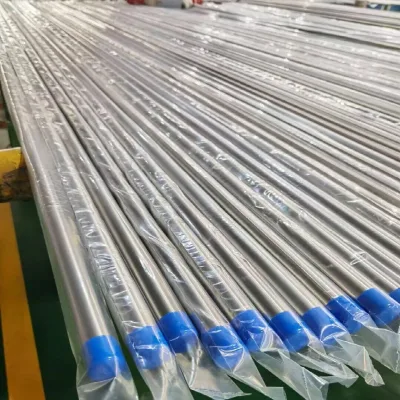
Pricing is calculated based on the actual weight of the ordered materials. This invoicing method ensures accurate costs for the stainless steel pipes delivered in standard export packages or plywood boxes.