Source 3 Axis Handheld Camera Gimbal for Drones, Films, and Events
Compare 30 verified listings for the 3 Axis Handheld Camera Gimbal featuring CMOS and CCD sensors with infrared technology. Buyers can evaluate specs like 650tvl resolution, waterproof ratings, and stabilization accuracy for industrial and consumer applications.
Key considerations
Products List


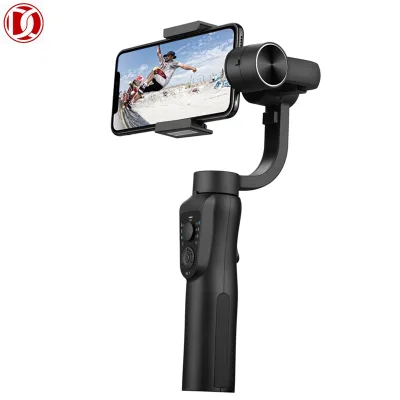
Handheld Vlog Camera Gimbal with 360 Rotation Ai Tracking and APP Control
$41.20 - $48.00
MOQ: 50 Pieces

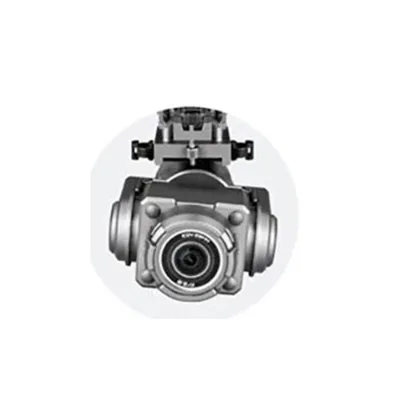
Compact 2-Axis Multi Sensor Drone Mounted Drone Camera Gyro Stabilized Gimbal
$20450.00 - $23570.00
MOQ: 5 Pieces


Comprehensive Sourcing Guide
Strategic Sourcing Guide for 3-Axis Handheld Camera Gimbals
The procurement of a 3-axis handheld camera gimbal represents a critical investment for industries ranging from professional videography and broadcast journalism to industrial inspection and aerial surveillance. Unlike standard camera mounts, a 3-axis system stabilizes footage by compensating for pitch, roll, and yaw movements, ensuring smooth, cinema-quality output even in dynamic environments. For B2B buyers, the sourcing process requires a rigorous evaluation of technical specifications, environmental durability, and compliance standards to ensure the selected equipment meets operational demands without compromising on reliability. This guide outlines the essential factors for evaluating potential suppliers and products, focusing on the intersection of hardware performance and supply chain integrity.
Technical Specifications and Sensor Architecture
The core performance of any 3-axis handheld camera gimbal is dictated by its stabilization accuracy, motor torque, and sensor compatibility. Buyers must scrutinize the stabilization accuracy metrics, which are often expressed in milliradians (mrad). High-performance units typically demonstrate stabilization accuracy of ≤ 0.1mrad (1σ), a threshold essential for maintaining sharp imagery during rapid movements or high-speed panning. The maximum slew speed is another critical parameter; professional-grade gimbals often support pan and tilt speeds of ≥ 50°/S, allowing operators to track fast-moving subjects without lag. Furthermore, the acceleration capabilities, measured in degrees per second squared (°/S²), should ideally reach ≥ 20°/S² to ensure the motors can react instantly to sudden jolts.
Sensor compatibility is equally vital. The market offers gimbals designed for various sensor types, including CMOS and CCD architectures. While CMOS sensors are prevalent for their low power consumption and high frame rates, some specialized applications may require CCD sensors for specific spectral responses. The sensor size, often cited as 1/3 inch in many commercial units, directly influences the field of view and low-light performance. Buyers should verify the minimum illumination requirements, with high-end models capable of operating at 0.01 Lux in black and white mode. Additionally, the lens configuration is a key differentiator; options range from fixed focal lengths to advanced zoom lenses with autofocus and manual focus capabilities. Some systems feature dual field-of-view lenses, such as 100mm/210mm configurations, to provide versatility in long-range observation.
Environmental Durability and Operational Standards
For B2B applications, particularly in outdoor or industrial settings, environmental durability is a non-negotiable requirement. The product must withstand varying weather conditions, including rain and dust. A high-confidence fact for robust units is a "Waterproof / Weatherproof" classification, ensuring the internal electronics remain protected against moisture ingress. In scenarios involving aerial deployment or rugged terrain, the protection level must be verified against specific operational constraints, such as the ability to function in light rain. Impact resistance is another critical metric; the equipment should be tested against peak acceleration forces, with some industrial-grade units rated for a peak acceleration of 20g over a duration of 11ms.
Thermal management and power consumption are also central to operational reliability. The rated operating voltage is typically standardized at 24 VDC or within a range of 20V-32V, ensuring compatibility with standard power distribution systems. Power consumption should be optimized, with efficient models consuming ≤40W to extend battery life during extended operations. The physical dimensions and weight are equally important for handheld usability; compact units often feature dimensions around 190mm×200mm×286mm and weigh ≤4.7kg, balancing portability with structural rigidity. Buyers must ensure that the product's design supports the specific weight of the camera payload it is intended to carry without compromising the motor's ability to maintain stability.
Compliance, Certification, and Quality Assurance
Navigating the regulatory landscape is essential for international procurement. While specific certification statuses vary by manufacturer, the presence of ISO9001 certification is a strong indicator of a supplier's commitment to quality management systems. This certification suggests that the manufacturing process adheres to standardized procedures for consistency and defect reduction. However, buyers should not assume that every listed product automatically satisfies all compliance requirements; verification of specific certificates for the intended market (e.g., CE, FCC, RoHS) is necessary.
Quality assurance extends beyond certification to include rigorous testing protocols. For thermal imaging applications, the detector type is a primary quality indicator. Uncooled focal plane detectors are common for cost-effective solutions, while cooled focal plane detectors offer superior sensitivity for long-range detection. The resolution of the detector, such as 640×512 pixels, directly impacts the clarity of the thermal image. Additionally, the video output format must align with the buyer's infrastructure; HDMI formats supporting 1080P are standard for high-definition transmission. Buyers should also verify the picture format, typically JPG, and the video interface, which may include 100 Megabit Ethernet or RS232/Ttl/RS422 control interfaces for integration with external systems.
Cost Drivers and Pricing Dynamics
The pricing of 3-axis handheld camera gimbals is influenced by a complex interplay of factors, including sensor technology, stabilization precision, and build quality. The observed market price range spans from approximately $15.8 to $81,000, reflecting the vast disparity between entry-level consumer units and high-end industrial or military-grade systems. The primary cost drivers include the type of detector (cooled vs. uncooled), the focal length and zoom capabilities of the lens, and the robustness of the stabilization motors.
Minimum Order Quantity (MOQ) is another significant variable in total cost of ownership. The market exhibits an MOQ range from 1 to 500 units, offering flexibility for both small pilot projects and large-scale deployments. Buyers with lower volume needs can access single-unit purchases, while those requiring bulk procurement for fleet deployment should negotiate based on higher volume tiers. Customization is a key factor that can impact pricing; products offering available customization for specific payloads, interfaces, or environmental hardening will command a premium. Understanding these cost drivers allows procurement teams to align their budget with the specific performance requirements of their application, avoiding over-specification or under-investment.
Supplier Evaluation and Verification
Selecting the right supplier requires a due diligence process that goes beyond product specifications. Buyers should prioritize suppliers who demonstrate transparency in their manufacturing origins and supply chain practices. Many high-quality units originate from established manufacturing hubs, with China being a significant source of production for these technologies. However, the origin alone does not guarantee quality; the supplier's track record in delivering consistent products is paramount.
When evaluating suppliers, buyers should request detailed technical documentation, including datasheets that confirm the stated specifications such as stabilization accuracy, slew speed, and power consumption. It is crucial to verify that the supplier can provide evidence of their quality control processes, such as ISO9001 certification, and to request sample test reports for critical performance metrics. The ability to provide customization options and the flexibility of their MOQ policies are also strong indicators of a supplier's capability to meet unique project requirements. Additionally, the packaging standards, often specified as standard boxes, should be evaluated to ensure the product arrives in pristine condition, especially for sensitive electronic components.
Long-Term Procurement and Lifecycle Management
Sourcing a 3-axis handheld camera gimbal is not merely a transactional purchase but a long-term commitment to operational continuity. Buyers must consider the lifecycle of the equipment, including maintenance requirements, firmware support, and the availability of spare parts. Products with advanced features like automatic recognition and target tracking require regular software updates to maintain performance and security. The control interface, whether RS232, TTL, or RS422, should be compatible with the buyer's existing ecosystem to minimize integration costs.
Lead times and supply chain resilience are critical considerations, particularly for large-scale deployments. While specific lead times vary by supplier and order volume, buyers should establish clear expectations regarding production schedules and delivery timelines. The standard packing dimensions, such as 500mm×500mm×500mm for certain industrial models, should be factored into logistics planning. Furthermore, the warranty terms and after-sales support services provided by the supplier play a vital role in mitigating risks associated with equipment failure. By prioritizing suppliers with robust support structures and a history of reliable delivery, buyers can ensure the longevity and effectiveness of their 3-axis handheld camera gimbal investments.
Comparative Analysis of Key Specifications
To facilitate decision-making, the following table summarizes the critical technical attributes observed in the market, aiding buyers in comparing potential options against their specific operational needs.
| Specification Category | Critical Metric | Typical High-Performance Value | Verification Requirement |
|---|---|---|---|
| Stabilization | Accuracy | ≤ 0.1mrad (1σ) | Verify test reports for 1σ deviation |
| Motion | Max Slew Speed | Pan/Tilt ≥ 50°/S | Confirm real-world tracking tests |
| Sensor | Type | CMOS / CCD | Match sensor type to application needs |
| Resolution | Detector | 640×512 / 1920×1080 | Ensure compatibility with display systems |
| Environment | Protection | Waterproof / Weatherproof | Validate IP rating or rain resistance claims |
| Power | Voltage | 24 VDC / 20-32V | Check compatibility with power sources |
| Certification | Standard | ISO9001 | Request valid certificate copy |
| Customization | Availability | Available | Confirm scope of customization options |
This comparative view highlights the necessity of aligning technical specifications with operational realities. By systematically evaluating these attributes, buyers can make informed decisions that balance performance, cost, and reliability, ensuring the selected 3-axis handheld camera gimbal delivers optimal results in their specific use case.
FAQs
What is the stabilization accuracy of high-performance units?
High-performance units typically demonstrate stabilization accuracy of ≤ 0.1mrad (1σ). This threshold is essential for maintaining sharp imagery during rapid movements or high-speed panning in dynamic environments.
Which sensor types are commonly used in these gimbals?
The market offers gimbals designed for various sensor types, including CMOS and CCD architectures. While CMOS sensors are prevalent for their low power consumption, specialized applications may require CCD sensors for specific spectral responses.
Can these devices operate in adverse weather conditions?
Yes, robust units feature a Waterproof / Weatherproof classification to protect internal electronics against moisture. Some industrial-grade units are also verified to function in light rain and withstand impact forces of 20g.
What is the typical rated operating voltage for these systems?
The rated operating voltage is typically standardized at 24 VDC or within a range of 20V-32V. This ensures compatibility with standard power distribution systems used in industrial and aerial applications.
How does detector resolution affect thermal image clarity?
The resolution of the detector, such as 640×512 pixels, directly impacts the clarity of the thermal image. Higher resolution detectors provide better detail for long-range observation and target tracking.
What is the price range for 3-axis handheld camera gimbals?
The observed market price range spans from approximately $15.8 to $81,000. This vast disparity reflects the difference between entry-level consumer units and high-end industrial or military-grade systems.
Are customization options available for specific payloads?
Customization is available for specific payloads, interfaces, or environmental hardening. Products offering these options will command a premium but allow buyers to align the equipment with unique project requirements.
Which certification indicates a commitment to quality management?
ISO9001 certification is a strong indicator of a supplier's commitment to quality management systems. This suggests that the manufacturing process adheres to standardized procedures for consistency and defect reduction.