Source 3 outlet surge protector pdu with poe for Data Centers
Find and compare 3 outlet surge protector pdu with poe options from 29 verified listings. Evaluate specifications such as IP ratings, certifications, and customization availability to select the right power distribution unit for your industrial or commercial infrastructure needs; compare the available evidence and request quotations based on your requirements.
Key considerations
Products List






Comprehensive Sourcing Guide
3 Outlet Surge Protector PDU with PoE Sourcing Guide
Procuring a 3 outlet surge protector PDU with PoE requires balancing power distribution needs with network connectivity constraints. Buyers must first define whether the device serves as a primary power hub for IT equipment or a secondary distribution point for edge devices. The observed market includes units ranging from basic industrial models to intelligent, remotely managed systems. Understanding the specific power budget and PoE standard required is essential before evaluating supplier catalogs.
The integration of PoE into a PDU adds complexity regarding heat dissipation and electrical isolation. Not all listed products support simultaneous high-wattage PoE delivery alongside standard AC outlets. Sourcing teams should verify if the surge protection components interfere with data line integrity. This guide outlines the critical verification steps to ensure the selected hardware meets both electrical safety standards and operational reliability requirements for modern data centers or industrial control rooms.
Product Scope and Observed Listing Signals
The current market landscape for these devices shows a wide variance in capabilities and physical form factors. Listings indicate a price range of 5 to 300 USD, reflecting differences in build quality, certification levels, and smart features. The minimum order quantity typically spans from 1 to 100 units, allowing for both sample testing and bulk deployment. Buyers should note that many suppliers offer customization options, including cable length and housing material, which can significantly impact lead times and final costs.
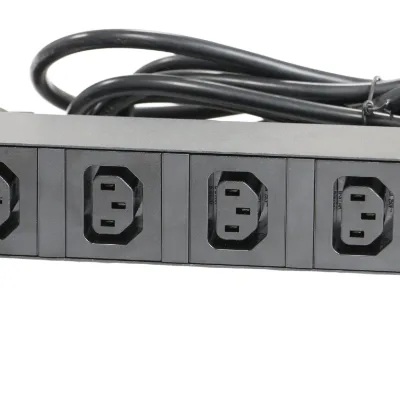
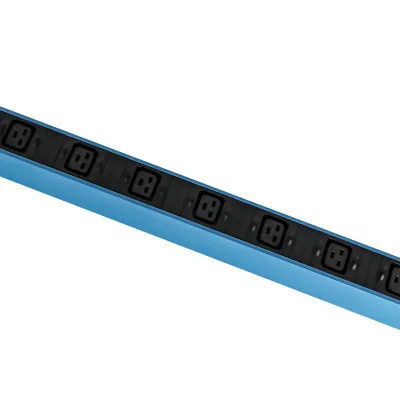
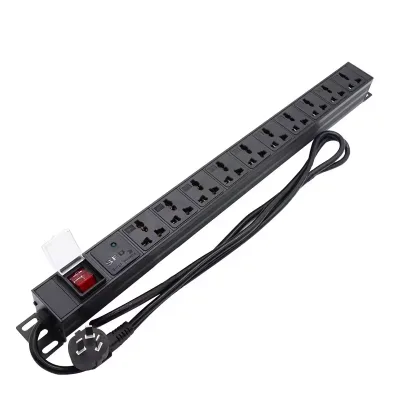
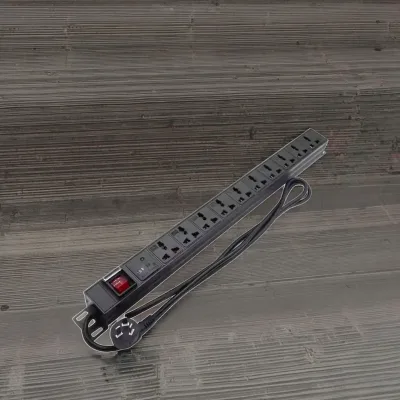
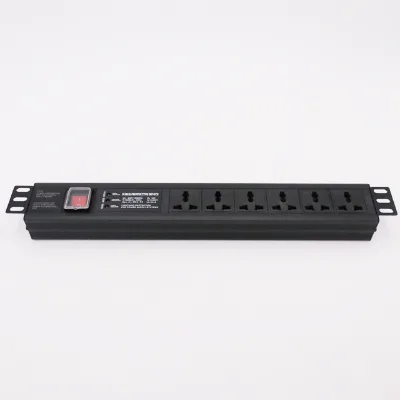
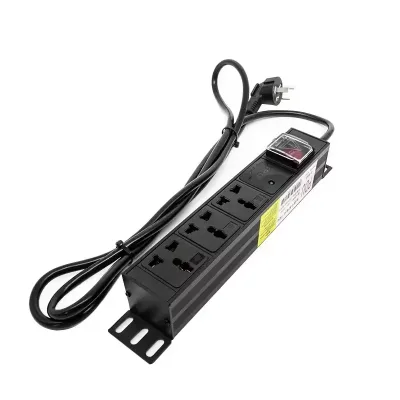
Observed product attributes reveal a mix of standard and specialized configurations. Common materials include aluminum alloy shells for durability and heat management, with black or gray finishes. Some units are designed for horizontal or vertical rack mounting, adhering to 1U standards, while others are compact for desktop use. The presence of LED switches and intelligent monitoring features suggests a trend toward managed power distribution. However, buyers must carefully distinguish between basic surge protection and advanced intelligent PDUs that offer remote outlet control and energy metering.
Technical Specifications to Verify
Technical verification must begin with the electrical interface and surge protection capabilities. Buyers should confirm the operation voltage, with many industrial units supporting 440V AC, and verify the number of poles, typically four-pole configurations for comprehensive protection. The speed of response is critical, with high-performance units claiming response times under 25 nanoseconds. It is essential to ensure the protection mode covers L1, L2, L3-N, and N-PE to safeguard against various transient voltage events.
PoE specifications require separate validation to ensure compatibility with connected network devices. While the core keyword implies PoE integration, many listed PDU models focus solely on AC power distribution. Buyers must explicitly ask suppliers if PoE injection is included or if the unit merely provides power to PoE switches. Additionally, verify the cable length, as 2-meter cables are common but may require extension for certain rack layouts. The housing material, often UL94V0 rated for flame resistance, is another key technical factor for safety compliance in enclosed spaces.
Compliance and Safety Documentation
Compliance documentation is non-negotiable for industrial and commercial deployments. Buyers must request valid certificates such as CE, RoHS, ISO, CCC, ETL, and UL. The presence of multiple certifications indicates a higher likelihood of meeting regional regulatory requirements. It is crucial to verify that the certificates are current and cover the specific model being purchased, as suppliers may list certifications for different product lines. The absence of UL or ETL certification may limit deployment in North American markets due to insurance and safety code restrictions.
Safety features extend beyond certifications to include physical design elements. Look for standard grounding provisions and durable housing materials that meet fire safety standards. The product condition should be new, and packaging must protect sensitive electronic components during transit. Buyers should also check for OEM acceptance, which often correlates with better quality control processes. Ensuring that the supplier provides a complete set of test reports and compliance declarations is vital for risk mitigation during the procurement process.
Cost Drivers and Commercial Terms
Cost variations are driven by material quality, certification breadth, and feature sets. Basic aluminum alloy units with standard surge protection are priced at the lower end of the spectrum, while intelligent PDUs with remote monitoring and PoE capabilities command higher prices. Customization options, such as specific cable lengths or branded housings, add to the unit cost. Buyers should also consider the total cost of ownership, including potential maintenance and replacement costs for surge protection components after a major event.
Commercial terms significantly impact the final procurement budget. Minimum order quantities can affect pricing tiers, with larger volumes often securing better rates. Lead times vary based on customization requirements and stock availability. Buyers should clarify whether the quoted price includes shipping, taxes, and duties. Additionally, inquire about warranty terms and return policies for defective units. Understanding these commercial nuances helps in negotiating favorable terms and avoiding hidden costs that can erode the initial price advantage.
Supplier Qualification and Quality Control
Supplier qualification involves assessing their manufacturing capabilities and quality assurance processes. Prioritize suppliers who accept OEM and ODM orders, as this often indicates flexible production lines and experience with custom specifications. Verify their production origin, with many reputable manufacturers based in regions like Liaoning, China, known for electronics manufacturing. Request samples to evaluate build quality, switch responsiveness, and PoE performance before committing to large orders.
Quality control measures should be explicitly defined in the purchase agreement. Ask for details on incoming material inspections, in-process testing, and final outgoing quality checks. Suppliers should provide evidence of consistent production standards, such as ISO certification audits. Inquire about their defect rate and how they handle non-conforming products. Establishing a clear communication channel for technical support and after-sales service is also crucial for long-term supplier reliability and issue resolution.
Long-Term Procurement Checks
Long-term procurement success depends on continuous performance monitoring and supplier relationship management. Regularly review the performance of deployed units, tracking any failures or degradation in surge protection capabilities. Maintain open communication with suppliers to stay updated on product improvements or new models that may offer better efficiency or features. Establish a schedule for periodic re-evaluation of supplier performance based on delivery times, product quality, and responsiveness to issues.
Consider the lifecycle of the purchased equipment and plan for future scalability. As network demands grow, ensure that the selected PDU models can be easily integrated with new infrastructure. Keep detailed records of all certifications and compliance documents for audit purposes. Develop a contingency plan for supply chain disruptions by identifying alternative suppliers or maintaining safety stock. Proactive management of these factors ensures sustained operational reliability and cost-effectiveness over the product's lifespan.
FAQs
What certifications are available for industrial PDU units?
Industrial PDU units typically feature CCC, CE, ETL, RoHS, UL, and ISO certifications. These standards ensure compliance with international safety and environmental regulations. Buyers should verify specific certification requirements for their target market to ensure regulatory adherence and operational safety in commercial or industrial settings.
Can these PDUs be customized for specific applications?
Yes, customization is available for various industrial and commercial applications. Manufacturers offer options for different sizes, such as 1U or customized dimensions, and support OEM and ODM services. This flexibility allows buyers to tailor power distribution units to fit specific rack configurations or unique operational requirements effectively.
What is the typical MOQ for ordering PDU units?
The minimum order quantity typically ranges from 1 to 100 units. This flexible MOQ structure accommodates both small-scale testing and larger industrial deployments. Buyers can start with smaller orders to evaluate product performance before committing to bulk purchases, ensuring cost-effective sourcing for various project scales.
How are PDU units packaged for shipping?
PDU units are commonly packaged in master cartons or mail packing for secure transit. Some products may arrive as assembled units to simplify installation. Proper packaging ensures protection against damage during logistics, maintaining product integrity and readiness for immediate deployment in data centers or industrial facilities upon arrival.
What materials are used for PDU housing and legs?
Housing materials often include aluminum alloy for durability and heat dissipation, with some units featuring UL94V0 rated materials for fire safety. Legs are typically made of metal to support stable installation. These robust materials ensure long-term reliability and structural integrity in demanding industrial and commercial environments.
Are intelligent PDU options available for remote monitoring?
Intelligent PDU options are available, offering advanced monitoring and control features. These units support LED switches as optional features and provide detailed power management capabilities. Intelligent models enable remote monitoring and management, enhancing operational efficiency and allowing for proactive maintenance in complex industrial and hospital power systems.