Source Enterprise 4G Wireless Security Router for SOHO, Enterprise, Border Router
Find and compare 30 Enterprise 4G Wireless Security Router options from Chinese manufacturers. These devices support LTE and WCDMA standards, offering modular ports and up to 300Mbps transfer rates for reliable connectivity in SOHO and enterprise environments; compare the available evidence and request quotations based on your requirements.
Key considerations
Products List


Professional Router LTE SIM Card WiFi Router Wireless Hotspot 3G 4G Router
$18.00 - $26.00
MOQ: 1 Pieces


4G Unlock Ethernet Port Router Industrial Grade Gateway for IoT Solution
$60.00 - $80.00
MOQ: 1 Pieces
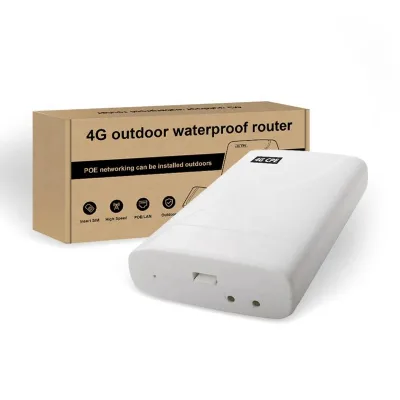

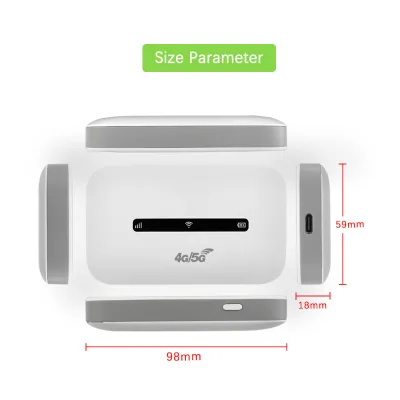


Smart Transportation Wireless Gateway Supporting 2g to 5g Connectivity
$115.00 - $150.00
MOQ: 1 Pieces


Advanced Triple-Layer Security Router for Streamlined Traffic Management
$115.00 - $150.00
MOQ: 1 Pieces
Comprehensive Sourcing Guide
Enterprise 4G Wireless Security Router Sourcing Guide
Procuring an Enterprise 4G Wireless Security Router requires careful evaluation of modular port structures and multi-CPU architectures designed for border router applications. Buyers must verify that the selected unit supports both SOHO and enterprise environments while maintaining a non-line speed or line-rate performance profile depending on specific traffic demands. The observed market includes models with varying transfer rates up to 300Mbps, necessitating a clear definition of bandwidth requirements before engaging suppliers.
Decision-makers should prioritize units offering customizable features and external antenna options to ensure optimal signal coverage in diverse deployment scenarios. The physical dimensions and weight of the device, often around 300g with compact footprints, influence rack mounting and space allocation in server rooms. It is critical to confirm that the chosen model supports SIM card or eSIM functionality, as this determines the flexibility of network connectivity and roaming capabilities for mobile enterprise assets.
Product Scope and Observed Listing Signals
The current market presents a diverse range of wireless routers, including specific models like the IH803, M300, and G720, each with distinct packing and standard configurations. Buyers must distinguish between devices labeled as fiber transceivers and those explicitly defined as wireless routers to avoid procurement errors. The observed listings indicate a wide price range from 1 to 2000 USD, reflecting variations in build quality, certification levels, and included features such as LED indicators for WAN, LAN, and system status.
Sourcing teams should scrutinize the listed minimum order quantities, which can range from single units to 3000 pieces, to align with inventory strategies. Some suppliers offer OEM manufacturing capabilities, allowing for branding customization, while others provide standard color box or gift box packaging. It is essential to verify the specific model number against the intended application, as the M330 and LTE-M300 variants may offer different performance characteristics compared to the standard 4G router models found in the catalog.
Technical Specifications to Verify
Technical due diligence must focus on the supported technical standards, specifically 4G, LTE-FDD, LTE-TDD, and WCDMA compatibility, to ensure global network interoperability. Buyers should confirm that the device supports bandwidth configurations such as HT20 and HT20/HT40, which directly impact throughput efficiency in congested wireless environments. The presence of a firewall and the ability to function as a border router are non-negotiable for securing enterprise data flows against external threats.
Verification of the reset mechanism is equally important, as some units require a specific ten-second press to restore factory defaults, which can complicate troubleshooting. Procurement teams must also validate the user capacity, with observed limits around 32 users, to ensure the hardware can support the intended number of concurrent connections. Additionally, checking the port structure for modularity and the specific type of wireless ports will determine the scalability of the network infrastructure over time.
Compliance and Safety Documentation
Regulatory compliance is a primary concern, with observed certifications including CE, FCC, RoHS, and ISO standards being critical for market entry in various regions. Buyers must ensure that the specific model they select carries the necessary safety approvals, as some listings show certifications like ISOColor:Black, which may indicate specific testing protocols or color-coded compliance markers. The absence of these certifications can lead to customs delays or legal liabilities in regulated markets.
Safety documentation should also cover the physical construction materials, such as ABS plastic, which are often cited in product standards to ensure durability and fire resistance. Procurement officers need to verify that the product warranty, typically one year, is clearly defined in the supplier agreement to protect against early hardware failures. Furthermore, confirming that the device meets environmental standards like RoHS ensures that the manufacturing process adheres to restrictions on hazardous substances, reducing long-term disposal risks.
Cost Drivers and Commercial Terms
Commercial negotiations are heavily influenced by the minimum order quantity, which can be as high as 1000 units for certain customized models, significantly impacting the unit cost. Buyers should analyze the production lead times, which vary from 10-25 days for standard items to 40-45 days for customized orders, to align with project timelines. The supply capacity of the manufacturer, often cited as 10,000 pieces per month, dictates the ability to scale orders during peak demand periods without incurring excessive delays.
Pricing structures must account for the level of customization required, as OEM services and specific packing configurations like plastic pallets or cartoon boxes add to the overall expense. It is vital to clarify whether the quoted price includes the cost of the SIM card support or if this is an additional line item. Understanding the total cost of ownership, including potential shipping costs for heavy or bulky items, is essential for accurate budget forecasting and financial planning.
Supplier Qualification and Quality Control
Supplier qualification should begin with a review of their manufacturing capabilities, specifically their experience with OEM production and the ability to deliver new condition products. Buyers must assess the supplier's track record for meeting delivery times and their capacity to handle large volumes without compromising quality. The presence of a dedicated production lead time of 10-25 days suggests a streamlined process, but verification of actual output consistency is necessary to prevent supply chain disruptions.
Quality control protocols must be established to ensure that every unit meets the specified technical standards and certification requirements before shipment. Procurement teams should request sample units to test the reset functionality, LED light indicators, and overall build quality, including the weight and dimensions. Establishing a clear communication channel for addressing defects or non-compliance issues is crucial, as the warranty period of one year provides a window for resolving any post-delivery quality concerns.
Long-Term Procurement Checks
Long-term procurement success depends on maintaining a robust relationship with suppliers who can adapt to evolving network standards and technology upgrades. Buyers should regularly review the supplier's ability to support future 4G and LTE advancements, ensuring that the current hardware remains relevant for the next several years. Continuous monitoring of the supply capacity and lead times helps in anticipating potential bottlenecks and adjusting inventory levels proactively.
It is also essential to periodically re-evaluate the cost drivers and commercial terms to ensure they remain competitive in the changing market landscape. Procurement teams should maintain a database of verified models and their specific certifications to streamline future purchasing decisions. By keeping a close watch on the product condition and warranty status, organizations can ensure that their network infrastructure remains secure, reliable, and compliant with all applicable regulations over the long term.
FAQs
What certifications do these enterprise 4G routers have?
These routers typically hold CE, FCC, RoHS, and ISO certifications. These standards ensure compliance with international safety and environmental regulations for enterprise deployment. Buyers should verify specific model documentation to confirm which certifications apply to their target markets and regulatory requirements.
Can the router support multiple users simultaneously?
Yes, the device supports up to 32 users simultaneously. This capacity is suitable for small to medium enterprise environments. The modular port structure allows for flexible connectivity options to accommodate varying network demands within the supported user limit.
What is the typical delivery time for orders?
The standard delivery time ranges from 40 to 45 days. This lead time accounts for production and logistics. Buyers requiring faster turnaround should inquire about expedited options or check specific supplier capacities, as production lead times may vary between 10 and 25 days.
Is customization available for bulk orders?
Customization is available for bulk orders. Manufacturers offer OEM services and customizable features to meet specific enterprise needs. Buyers can request tailored specifications, packaging, or branding options, subject to meeting the minimum order quantity requirements set by the supplier.
What wireless standards does the router support?
The router supports 4G, LTE-FDD, LTE-TDD, and WCDMA standards. It provides wireless transfer rates up to 300Mbps. This ensures compatibility with various network infrastructures and delivers reliable connectivity for enterprise applications requiring stable wireless performance.
How many units are required for a minimum order?
The minimum order quantity is typically 1000 units. This threshold applies to standard customization and OEM requests. Buyers should confirm the exact MOQ with suppliers, as some may offer lower quantities for standard models or specific certification packages.