Source IP68 Waterproof Mobile Computer for Warehouse, Logistics, and Field Service
Explore 30 rugged handheld terminals designed for harsh environments. This collection features IP68 Waterproof Mobile Computer units with Android OS, barcode scanning, and long battery life, enabling buyers to compare specs for industrial, logistics, and field service applications; compare the available evidence and request quotations based on your requirements.
Key considerations
Products List

6.5'' Windows Rugged Handheld IP67 Intel Waterproof and Dustproof Mobile Computer
$155.00 - $455.00
MOQ: 500 Pieces


IP65 Rugged Android 13 Mobile Computer with 2D Barcode Scanner, Dual-Band WiFi, GPS, NFC Option
$240.00 - $268.00
MOQ: 2 Pieces


China Professional Factory Mobile Phone Android Waterproof Android Smart Phone
$88.00 - $112.00
MOQ: 100 Pieces
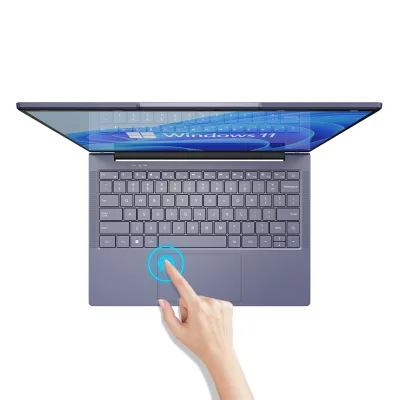


Wholesale Android Waterproof Rugged Mobile Phone IP68 with NFC Function
$255.00 - $270.00
MOQ: 1 Pieces


Original Waterproof Rugged Mobile Phone with Big Battery Manufacturers Wholesale
$138.00 - $150.00
MOQ: 1 Pieces

10 Inch Outdoor Waterproof Industrial Computer All-in-One Touch Panel PC
$260.00 - $295.00
MOQ: 10 Pieces

6.5" Android Industrial Rugged Smart Phone 4G Network with Big Battery
$138.00 - $150.00
MOQ: 1 Pieces

China 2406*1080 Octa Core Android Mobile 5g Waterproof 8GB 256GB Rugged Phone
$140.00 - $166.00
MOQ: 1 Pieces

Business 6400W IP68 Mobile Shockproof 8GB 256GB Rugged Phone with High Quality
$140.00 - $166.00
MOQ: 1 Pieces


5g Workstation 15.6 Inch I7 Industrial Computers with IP65 Grade Waterproof
$3000.00 - $4500.00
MOQ: 1 Pieces
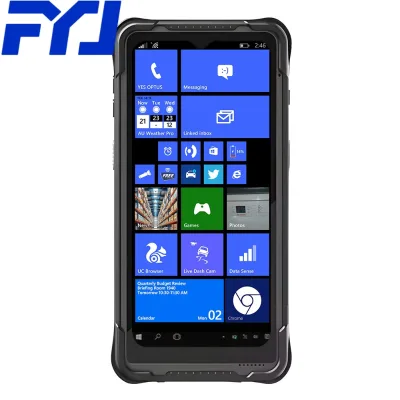


Android IP65 Waterproof NFC 4G Rugged Handheld Mobile Computer Pdas C6300
$135.00 - $185.00
MOQ: 1 Pieces


Comprehensive Sourcing Guide
IP68 Waterproof Mobile Computer Sourcing Guide
Procuring rugged handheld terminals requires a clear understanding of the specific environmental protections and operational capabilities that define the IP68 category. Buyers must distinguish between general water resistance and the rigorous standards required for industrial environments where devices face submersion, dust ingress, and physical shock. The core keyword highlights a niche within mobile computing where durability is as critical as processing power, necessitating a careful review of technical specifications before committing to volume orders.
This guide focuses on verifying the integrity of ruggedized hardware through observed market signals and technical requirements. It addresses the critical intersection of connectivity, battery life, and physical protection, ensuring that procurement teams can select devices that withstand harsh conditions without compromising on data accuracy or operational efficiency. The following sections provide a structured approach to evaluating suppliers and products based on verified attributes and industry best practices.
Product Scope and Observed Listing Signals
The current market for rugged handheld computers shows a diverse range of models, with observed price points spanning from $29 to $4,500 USD, reflecting significant variation in component quality and feature sets. Minimum order quantities typically range from 1 to 1,000 units, allowing for both pilot testing and large-scale deployment. Buyers should note that while many devices are marketed as rugged, the specific IP68 rating must be explicitly confirmed, as general durability claims do not guarantee the same level of protection against dust and water immersion.
Observed product attributes indicate a strong preference for Android operating systems, with common configurations including 4GB RAM and 64GB ROM capacity. Devices often feature 4000mAh batteries, which are essential for extended shifts in industrial settings, and support for Wi-Fi and cellular networks like WCDMA and GSM. The presence of built-in Bluetooth and NFC capabilities further enhances their utility in logistics and retail environments, where quick data exchange and contactless interactions are routine operational requirements.
Technical Specifications to Verify
When evaluating technical specifications, buyers must prioritize the processor brand and architecture, as these determine the device's ability to handle complex applications and multitasking. Intel processors are observed in some listings, offering robust performance for demanding tasks, while other models may rely on different architectures. It is crucial to verify the screen resolution, with observed values such as 720x1280 or 720x1600, ensuring that the display is clear enough for outdoor use and detailed data entry. The screen material, often TFT, should also be assessed for brightness and touch responsiveness under various lighting conditions.
Connectivity and interface options are equally critical for seamless integration into existing workflows. Devices should support standard interfaces like USB and Micro USB for charging and data transfer, while built-in 3G modules are generally absent, requiring reliance on Wi-Fi or 4G/LTE connections. The inclusion of dual SIM slots and GPS navigation technology enhances mobility and location tracking capabilities. Buyers must also confirm the scan speed of integrated barcode scanners, with observed rates of 200 scans per second, to ensure they meet the throughput requirements of high-volume inventory management operations.
Compliance and Safety Documentation
Compliance with international safety and electromagnetic compatibility standards is non-negotiable for industrial devices deployed in sensitive environments. Buyers must request documentation proving adherence to relevant regulations, such as CE, FCC, or RoHS, depending on the target market. These certifications ensure that the device does not emit excessive electromagnetic interference and is safe for both operators and surrounding equipment. Without proper certification, devices may face regulatory hurdles or pose safety risks in industrial settings, leading to potential operational disruptions and liability issues.
Additionally, environmental testing reports should be reviewed to validate the IP68 rating and other ruggedness claims. These reports typically include data on dust ingress protection, water immersion depth and duration, and resistance to drops and vibrations. Buyers should verify that the testing was conducted by an accredited laboratory and that the results align with the manufacturer's specifications. This due diligence helps mitigate the risk of receiving non-compliant products that may fail prematurely in harsh conditions, ensuring long-term reliability and operational continuity.
Cost Drivers and Commercial Terms
Several factors influence the total cost of ownership for rugged mobile computers, including the quality of components, battery capacity, and additional features like NFC or advanced scanning capabilities. Devices with higher RAM and ROM capacities, along with more robust processors, typically command higher prices. Buyers should also consider the cost of accessories, such as industrial power supplies and protective cases, which are often sold separately but are essential for maximizing device lifespan and usability in industrial environments.
Commercial terms, including payment methods, shipping costs, and warranty periods, significantly impact the overall procurement strategy. Buyers should negotiate clear terms regarding returns, repairs, and replacements to protect against defective units. It is also important to clarify the lead times for production and delivery, especially for large orders, to ensure that supply chain needs are met. Understanding these cost drivers and terms allows for more accurate budgeting and risk management throughout the procurement process.
Supplier Qualification and Quality Control
Selecting a reliable supplier is paramount to ensuring the quality and consistency of rugged mobile computers. Buyers should verify the supplier's manufacturing capabilities, including their production capacity, quality control processes, and experience in the rugged device market. Suppliers with a proven track record of delivering high-quality products and adhering to strict quality standards are more likely to meet procurement requirements. It is also advisable to request samples for thorough testing before committing to large orders, allowing for a practical assessment of device performance and durability.
Quality control measures should be clearly defined and agreed upon with the supplier, including inspection protocols for incoming materials, in-process checks, and final product testing. Buyers should ensure that the supplier has a robust system for tracking and addressing defects, with clear procedures for corrective actions. Establishing a strong relationship with the supplier, based on transparency and mutual trust, can lead to better support, faster resolution of issues, and improved product quality over time.
Long-Term Procurement Checks
Long-term success in procuring rugged mobile computers depends on continuous monitoring of device performance and supplier reliability. Buyers should establish key performance indicators to track device uptime, battery degradation, and failure rates, using this data to inform future purchasing decisions. Regular feedback from end-users in the field is also valuable for identifying any operational issues or areas for improvement, allowing for proactive adjustments to device specifications or usage protocols.
Furthermore, buyers should stay informed about technological advancements and emerging trends in the rugged device market, such as new connectivity options or improved battery technologies. This awareness enables procurement teams to make informed decisions about upgrading or replacing devices, ensuring that the organization remains competitive and efficient. By maintaining a strategic approach to procurement, buyers can optimize their investment in rugged mobile computers and support their operational goals effectively.
FAQs
What operating systems do these handheld mobile computers support?
These devices typically run on the Android operating system, providing a familiar interface for enterprise applications. This software foundation supports robust data collection and communication tasks. Users benefit from extensive app compatibility and secure connectivity options for industrial environments.
Can these units connect to Wi-Fi networks for data transfer?
Yes, the devices feature built-in Wi-Fi connectivity for reliable data transmission. This allows seamless integration into existing corporate networks. Users can maintain constant communication with central servers, ensuring real-time inventory updates and efficient workflow management across different operational sites.
What is the typical battery capacity for these rugged terminals?
The batteries generally offer a capacity exceeding 3000mAh, with some models featuring 4000mAh units. This power reserve supports extended shifts without frequent recharging. The design ensures consistent performance during intensive scanning and data processing tasks in demanding industrial settings.
Which processors are commonly used in these handheld computers?
Intel processors are frequently utilized in these handheld mobile computers. This choice ensures strong computational power for complex data handling. The hardware supports smooth multitasking and rapid barcode scanning speeds, meeting the high-performance requirements of logistics and warehouse management operations.
Are these devices customizable for specific industrial applications?
Customization is available to meet unique operational needs. Buyers can tailor features such as scanning modules, connectivity options, and physical designs. This flexibility allows organizations to deploy devices that precisely match their workflow requirements, enhancing efficiency and reducing integration challenges in specialized environments.
What is the standard weight limit for these handheld terminals?
Many models are designed to weigh less than 500g for ergonomic handling. This lightweight construction reduces operator fatigue during prolonged use. The compact form factor ensures portability while maintaining the durability required for rugged industrial environments and frequent movement across large facilities.