Source Fanless Rugged In Vehicle Computers for Industrial Use
Find 30 Fanless Rugged In-vehicle Computer options tailored for industrial, medical, and commercial applications. Compare specifications including Intel CPU variants, IP66 protection, and connectivity interfaces to select the right embedded PC for your fleet or facility needs; compare the available evidence and request quotations based on your requirements.
Key considerations
Products List


Reliable Fanless Industrial Computer for Industrial IoT and Cloud Computing
$260.00 - $280.00
MOQ: 1 Pieces

Rugged Fanless Industrial Mini PC for Outdoor Surveillance and Monitoring
$260.00 - $280.00
MOQ: 1 Pieces

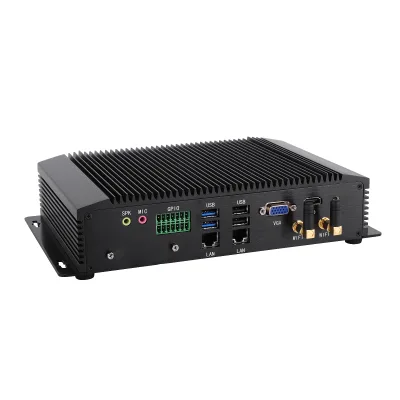
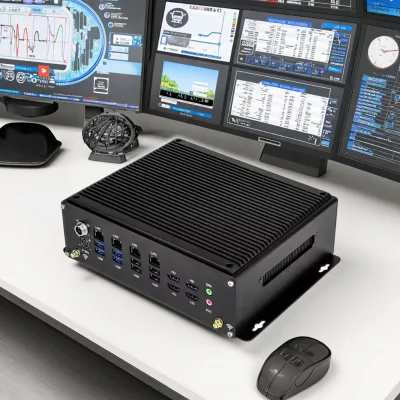


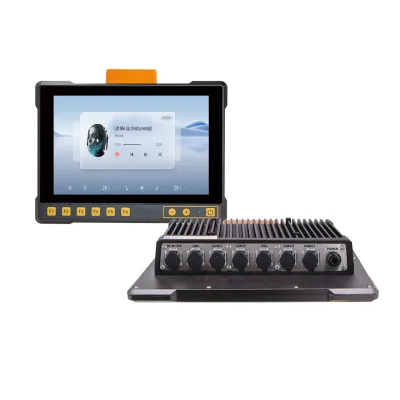


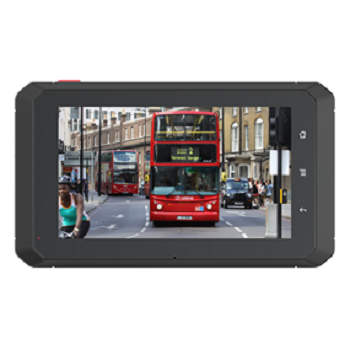


15 Inch All in One PC Industrial Touch Panel PC Android Fanless Industrial Computer
$225.00 - $245.00
MOQ: 1 Pieces


Comprehensive Sourcing Guide
Fanless Rugged In-vehicle Computer Sourcing Guide
Procuring a Fanless Rugged In-vehicle Computer requires balancing industrial durability with specific computing performance needs. These devices are engineered to operate reliably in harsh environments, often featuring IP66 water-proof ratings and wide operating temperature ranges from -20℃ to 60℃. Buyers must prioritize models that support flush, wall, or embedded installation to ensure secure mounting within vehicle cabins or control panels. The absence of moving parts like fans enhances longevity by eliminating dust ingress and mechanical failure points, which is critical for continuous operation in transportation or mobile industrial settings.
Selection criteria should focus on the internal hardware configuration, particularly the CPU generation and memory capacity. Options typically range from Intel Atom J1900 to Core i5 processors across multiple generations, paired with 8GB or 16GB of RAM. Storage solutions often include M.2 MSATA or SATA interfaces, supporting SSDs for faster boot times and data integrity. Buyers should verify that the chosen model aligns with their software requirements, ensuring sufficient processing power for multitasking applications such as fleet management, navigation, or real-time data monitoring without compromising system stability.
Product Scope and Observed Listing Signals
The current market for fanless rugged in vehicle computers presents a diverse array of models, with observed prices ranging from $143 to $900 USD. Minimum order quantities (MOQ) are generally flexible, starting from just one unit, which facilitates prototyping and small-scale deployments. Listings frequently highlight customization availability, allowing buyers to tailor interfaces and mounting options to specific vehicle architectures. Product names often include specific model identifiers like P6- In-Vehicle or GW200, indicating distinct form factors and feature sets designed for different integration challenges.
Observed specifications reveal a strong emphasis on connectivity and expandability. Most units feature multiple USB ports, often utilizing aviation interfaces for secure connections, alongside dual RJ-45 Ethernet ports for robust network connectivity. Serial port configurations vary, with some models offering six serial ports or a mix of RS-232 and RS-485 interfaces. Buyers should note that while many listings advertise touch screens, some configurations are available without them, requiring separate verification of display capabilities. Understanding these listing signals helps in filtering suppliers who offer the exact hardware configuration needed for your specific operational environment.
Technical Specifications to Verify
When evaluating technical specifications, the processor architecture is a primary determinant of performance. Common choices include Intel Core i3, i5, and i7 processors, with options for 8th generation or newer chips like the i5-8260u or i5-10210. These processors are paired with integrated graphics, which is sufficient for most in-vehicle display and interface tasks. Buyers must verify the RAM configuration, as options typically include 8GB or 16GB, which directly impacts the system's ability to run multiple applications simultaneously. Ensuring adequate memory is crucial for maintaining responsiveness in resource-intensive scenarios.
Connectivity and expansion slots are equally critical for system integration. Most units provide multiple LAN ports, with configurations ranging from one to two Ethernet interfaces, and often include Wi-Fi and Bluetooth capabilities. Serial communication is vital for connecting to external sensors or legacy equipment, with some models offering up to six serial ports. Buyers should also check for GPIO options, which may be available via aviation interfaces, allowing for direct control of external devices. Verifying the presence of HDMI or VGA outputs ensures compatibility with existing display setups, while confirming the hard disk rack type helps in planning storage upgrades or replacements.
Compliance and Safety Documentation
Compliance with international safety and environmental standards is essential for deploying rugged computers in vehicle applications. Buyers should request documentation confirming adherence to relevant electromagnetic compatibility (EMC) and environmental testing standards. While specific certifications like CE are mentioned in some contexts, it is crucial to verify the exact standards applicable to your region and industry. Standards such as EN 60068-2-64 for shock and vibration resistance, and EN 60068-2-27 for shock tests, are often relevant for vehicle-mounted equipment. Ensuring that the device has undergone rigorous testing under these standards guarantees reliability under dynamic operating conditions.
Safety documentation should also include information on electrical safety and power supply compatibility. The devices typically come with industrial power supplies and necessary cables, but buyers must verify input voltage ranges to match their vehicle's electrical system. Documentation regarding the IP66 rating should be supported by test reports confirming the device's resistance to water jets and dust ingress. Additionally, buyers should inquire about any specific certifications required for medical or commercial applications, as some models are marketed for these sectors. Proper documentation not only ensures regulatory compliance but also provides a basis for warranty claims and liability protection in case of equipment failure.
Cost Drivers and Commercial Terms
Several factors influence the final cost of a Fanless Rugged In-vehicle Computer, with the CPU generation and memory capacity being primary drivers. Higher-end processors like the i5-10210 or i7 series command higher prices compared to entry-level Atom processors. Similarly, increasing RAM from 8GB to 16GB or adding larger SSD storage will increase the unit cost. Buyers should also consider the cost of customization, such as specific interface configurations or mounting brackets, which may incur additional fees. Understanding these cost drivers allows for more accurate budgeting and comparison of quotes from different suppliers.
Commercial terms, including MOQ and lead times, vary among suppliers and should be clearly defined in the purchase agreement. While many suppliers offer low MOQs, bulk orders may attract discounts, so buyers should evaluate their total volume requirements. Lead times can be affected by customization requests and supply chain conditions, so it is advisable to confirm production schedules before placing orders. Payment terms, such as deposits or letters of credit, should be negotiated to mitigate financial risk. Additionally, buyers should clarify warranty periods and return policies, ensuring that defective units can be replaced or repaired efficiently to minimize operational downtime.
Supplier Qualification and Quality Control
Selecting a qualified supplier is critical for ensuring the long-term reliability of fanless rugged in vehicle computers. Buyers should verify the supplier's manufacturing capabilities, including their experience in producing industrial PCs and their quality control processes. Suppliers based in regions like Henan, Zhengzhou, or other industrial hubs in China may offer competitive pricing, but buyers must assess their reputation and track record. Requesting references or case studies from previous clients can provide insights into the supplier's reliability and after-sales support. Due diligence in supplier selection helps mitigate risks associated with poor build quality or inconsistent performance.
Quality control measures should include rigorous testing of each unit before shipment. Buyers should inquire about the specific tests conducted, such as burn-in testing, environmental chamber testing, and functional verification of all interfaces. Suppliers should provide test reports or certificates of conformity for each batch of products. Additionally, buyers should establish clear acceptance criteria for incoming inspections, including visual checks, functional tests, and performance benchmarks. Implementing a robust quality control process ensures that only products meeting the required specifications are deployed, reducing the likelihood of field failures and costly replacements.
Long-Term Procurement Checks
Long-term procurement success depends on establishing a sustainable supply chain and maintaining ongoing supplier relationships. Buyers should regularly review supplier performance metrics, including on-time delivery rates, product quality, and responsiveness to issues. Building a partnership with a reliable supplier can facilitate smoother negotiations for future orders and better access to new product offerings. It is also advisable to diversify suppliers to reduce dependency on a single source, thereby mitigating risks associated with supply chain disruptions. Regular communication with suppliers helps in staying informed about product updates and potential changes in specifications or pricing.
Continuous monitoring of technology trends and market developments is essential for making informed procurement decisions. Buyers should stay updated on advancements in processor technology, storage solutions, and connectivity options to ensure their systems remain competitive. Participating in industry forums or attending trade shows can provide valuable insights into emerging trends and best practices. Additionally, buyers should periodically reassess their technical requirements to ensure that their procurement strategy aligns with evolving operational needs. By maintaining a proactive approach to procurement, organizations can optimize their investment in fanless rugged in vehicle computers and enhance their overall operational efficiency.
FAQs
What is the operating temperature range for this industrial car PC?
The operating temperature range is from -20 degrees Celsius to 60 degrees Celsius. This wide range ensures reliable performance in harsh environments, making the unit suitable for various industrial applications where extreme heat or cold is common.
Which CPU options are available for the industrial car PC?
Available CPU options include J1900, I5-4260u, I5-6200u, I5-7200u, I5-8260u, and I5-10210. These processors provide flexible performance levels to meet different computing needs while maintaining the rugged durability required for in-vehicle industrial use cases.
Can the industrial car PC be customized for specific needs?
Yes, customization is available for this industrial car PC. Buyers can request specific configurations to match their unique operational requirements, ensuring the final product fits perfectly into their existing systems or specialized industrial workflows without compromise.
How many serial ports does the industrial car PC typically have?
The device typically features six serial ports, including four RS-232 and two additional serial connections. These ports are often provided via aviation interfaces to ensure secure and reliable connectivity for various industrial peripherals and control systems.
What is the protection rating of the whole machine?
The whole machine has an IP66 water-proof protection rating. This high level of protection ensures the device can withstand water jets and dust ingress, making it ideal for rugged outdoor or industrial environments where standard electronics would fail quickly.
Which installation methods are supported for this industrial computer?
Supported installation methods include flush mounting, wall mounting, desktop placement, and embedded setups. This versatility allows integrators to choose the best mounting strategy based on the specific vehicle layout or industrial machinery constraints they are working with.
What storage configuration is standard for this industrial car PC?
The standard storage configuration includes one Msata slot and one SATA slot. Some models also feature 128GB SSD storage, providing flexible options for data storage and system expansion to accommodate various industrial application requirements effectively.