Source 30ml Cosmetic Foundation Bottle for Cosmetics, Medicine, Personal Care
Compare 30 glass bottles with pump or dropper closures, frosted or clear finishes, and OEM customization options. These 30ml Cosmetic Foundation Bottle units are available from suppliers in China with lead times ranging from 10 to 25 days.
Key considerations
Products List


Cosmetic Empty 30ml Round Lotion Glass Liquid Foundation Bottle with Pump
$0.10 - $0.50
MOQ: 5000 Pieces

Cosmetic Packaging Lotion Pump Spray Bottle Liquid Foundation Glass Bottle
$0.09 - $0.25
MOQ: 10000 Pieces


Wholesale 30ml Empty Foundation Bottle with Treatment Pump for Cosmetic Packaging
$0.36 - $0.40
MOQ: 1000 Pieces





Liquid Foundation Bottle Acrylic Airless Cosmetic Packaging Bottle 30ml 50ml
$0.25 - $0.50
MOQ: 10000 Pieces


Empty plastic cosmetic packaging 15ml 30ml 50ml foundation bottle with pump vacuum
$0.45 - $0.50
MOQ: 10000 Pieces


Comprehensive Sourcing Guide
Strategic Sourcing Guide for 30ml Cosmetic Foundation Bottles
Technical Specifications and Material Composition
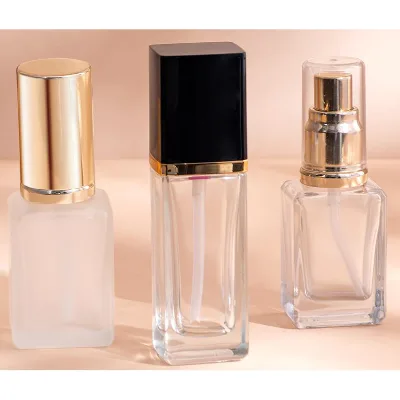
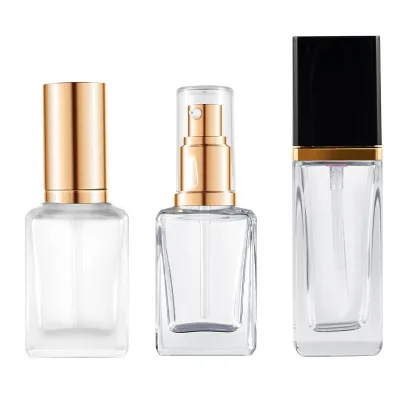
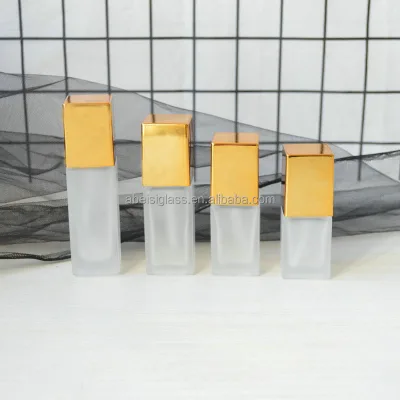
When sourcing a 30ml Cosmetic Foundation Bottle, the primary technical focus must be on the material integrity and the specific dispensing mechanism required for viscous liquid formulations. The core product category identified in current market listings is the glass foundation bottle, which offers superior chemical resistance and a premium aesthetic compared to plastic alternatives. The material specification consistently points to glass as the primary container substance, available in both clear and frosted finishes. This finish option is critical for brand differentiation, as frosted glass provides a matte, opaque look that can help mask the product color, while clear glass allows for full visibility of the foundation shade.
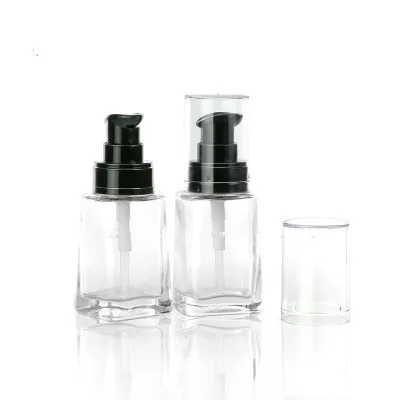
The shape of the bottle is another defining technical attribute. Market data indicates a prevalence of round bottle designs, which are standard for lotion pumps, though square bottle variations are also available in specific model lines. The capacity is standardized at 30ml, a size that aligns with industry standards for travel-friendly cosmetic products and sample kits. The closure type is a decisive factor in the functionality of the bottle. Listings frequently reference a "pump-on" configuration, specifically utilizing a lotion pump dispenser. This mechanism is engineered to handle the viscosity of liquid foundation, ensuring a controlled, non-drip application. However, some variations in the supply chain may offer a screw cap combined with a glass dropper, which serves a different dispensing logic suitable for serums or thinner liquids. Buyers must verify the specific cap configuration against their product's rheology to ensure the sealing type, whether it is a pump sprayer or a screw cap, provides the necessary leak-proof and non-drip performance required for foundation.
Customization Capabilities and Branding Options
For brands entering the cosmetic market, the ability to customize the packaging is often as important as the container itself. The sourcing data confirms that customization is a standard service available for these glass bottles. This extends beyond simple color selection to include comprehensive branding services. The primary customization method listed is silk screen printing, which allows for direct application of logos onto the glass surface. Additionally, hot stamping is available as an alternative printing technique, offering a metallic or glossy finish that can enhance the perceived value of the product. For buyers seeking a more versatile approach, the use of labels is also supported as a printing method.
The color of the glass itself is another customizable element. While clear and frosted are the standard observations, the market data indicates that custom colors are available upon request. This allows brands to match the bottle hue to their specific brand identity or product line. The customization scope also includes the logo application, with OEM (Original Equipment Manufacturer) services explicitly mentioned. This means suppliers can produce bottles bearing the buyer's specific branding rather than generic stock items. The service level extends to ODM (Original Design Manufacturer) capabilities, suggesting that some suppliers may offer design modifications to the bottle shape or pump mechanism, although the core 30ml capacity and glass material remain the constants. Buyers should note that while sample customization is often available in small quantities (ranging from 1 to 5 pieces for free), the full-scale production requires adherence to specific Minimum Order Quantities (MOQ) which vary significantly between suppliers.
Compliance, Certification, and Quality Standards
In the B2B procurement of cosmetic packaging, verifying compliance and certification is a non-negotiable step to ensure market access and consumer safety. The supply data highlights ISO certification as a key standard associated with these glass foundation bottles. ISO certification generally indicates that the manufacturing facility adheres to international quality management standards, which is a strong indicator of process consistency and reliability. However, the specific ISO standard number (e.g., ISO 9001) is not explicitly detailed in the general observations, so buyers must request the specific certificate documentation to confirm the scope of the certification.
Beyond general quality management, the intended usage of the product spans cosmetics, personal care products, and in some contexts, medicine. This broad application scope necessitates that the glass material and the plastic components of the pump or cap are inert and do not leach harmful substances into the formulation. While the provided text does not list specific chemical migration test results, the presence of an ISO certification suggests a baseline level of quality control. Buyers should verify that the glass meets relevant food-grade or cosmetic-grade safety standards, particularly if the foundation contains active ingredients. The sealing type, whether pump or screw cap, must also be evaluated for its ability to maintain product integrity over time, preventing oxidation or contamination. The procurement strategy should include a request for material safety data sheets (MSDS) or compliance declarations from the supplier to ensure the packaging meets the regulatory requirements of the target export market.
Cost Drivers and Procurement Economics
Understanding the cost structure of 30ml glass foundation bottles requires an analysis of several variables, including material costs, customization complexity, and order volume. The observed price range in the market spans from 0 to 2.65 USD, indicating a highly competitive landscape with significant variance based on the specific configuration and order size. This wide range suggests that the base price of a plain, clear glass bottle is low, but costs increase with added features such as frosted finishes, custom colors, or specialized printing techniques like hot stamping.
The Minimum Order Quantity (MOQ) is a critical economic driver. The data presents a dichotomy in market offerings, with some suppliers listing an MOQ of 10,000 sets, while others offer ranges between 5,000 and 10,000 pieces, and some flexible options starting as low as 1 piece for samples. This variance directly impacts the unit cost; higher volume orders typically yield a lower price per unit due to economies of scale in glass molding and printing. The payment terms observed are typically structured as 30% TT (Telegraphic Transfer) upfront and 70% TT upon completion or shipment, a standard practice in international trade that balances risk for both parties. Lead times also influence the total cost of ownership, with delivery windows ranging from 10-15 days to 15-25 days. Buyers must factor in these production timelines when planning inventory to avoid stockouts, especially if the order requires custom tooling or complex printing setups.
Supplier Evaluation and Operational Logistics
Selecting the right supplier involves more than just comparing unit prices; it requires a holistic evaluation of their operational capabilities and logistical reliability. The geographic origin of these products is predominantly China, with specific mentions of Hebei as a manufacturing hub. This regional concentration often implies a mature supply chain for glass packaging, but it also necessitates careful vetting of individual suppliers to ensure they meet specific quality expectations. The service model offered by suppliers includes ODM and OEM capabilities, as well as value-added services like sticker application and silk screen printing.
Logistics is another critical component of supplier evaluation. The shipping methods available include major courier services such as DHL, TNT, FedEx, and UPS for smaller or urgent shipments, as well as sea freight for bulk orders. The packaging for the finished goods is described as strong paper cartons placed on pallets, which is essential for protecting the fragile glass bottles during transit. Buyers should verify the supplier's experience with international shipping, particularly regarding the insurance and handling of fragile items. The availability of free samples (ranging from 1 to 5 pieces) is a valuable tool for evaluating the physical quality of the product before committing to a large order. However, buyers should be aware that while samples may be free, shipping costs for these samples might be the responsibility of the buyer. The lead time of 10 to 25 days indicates that production is relatively quick, but this can vary based on the complexity of the customization and the current production load of the supplier.
Long-Term Procurement and Application Strategy
For long-term procurement success, buyers must align their packaging strategy with the specific application of the foundation product. The 30ml glass bottle is versatile, suitable for liquid foundation, cosmetic lotions, and personal care products. The choice between a round bottle with a lotion pump and a square bottle with a screw cap or dropper should be driven by the product's viscosity and the user experience desired. The pump-on mechanism is generally preferred for foundations to ensure a non-drip, hygienic application, while the screw cap with a dropper might be better suited for thinner serums or oils.
Sustainability and refillability are emerging considerations in the cosmetic industry. The product attributes list "refillable" as a feature, which is a significant selling point for eco-conscious brands. This implies that the bottle design may allow for the replacement of the pump or the refilling of the glass container, reducing waste. Buyers interested in this aspect should verify the specific design features that enable refilling and ensure that the supply chain can support a circular packaging model. Furthermore, the ability to customize the bottle with the brand's logo and color allows for strong brand equity building. As the market evolves, maintaining a consistent supply of high-quality, customizable packaging is essential. Buyers should establish a long-term relationship with a supplier who can consistently meet the ISO standards and provide the necessary customization services, ensuring that the product remains competitive and aligned with brand values over time. The procurement process should include regular quality audits and performance reviews to maintain the high standards required for cosmetic packaging.
Comparative Analysis of Packaging Options
To facilitate decision-making, it is helpful to compare the different configurations available in the market based on the observed attributes. The following table summarizes the key variations in shape, closure, and finish that buyers will encounter.
| Feature | Option A: Standard Round | Option B: Square Design | Option C: Dropper Style |
|---|---|---|---|
| Shape | Round Bottle | Square Bottle | Round Bottle |
| Closure Type | Pump-on (Lotion Pump) | Screw Cap | Plastic Cap + Glass Dropper |
| Sealing Type | Pump Sprayer | Screw Cap | Screw Cap |
| Finish | Frosted or Clear | Frosted or Clear | Clear |
| Primary Use | Liquid Foundation | Cosmetic Lotion | Serums / Thin Liquids |
| Dispensing | Non-drip, Controlled | Open / Drip Potential | Precise Droplet |
| Customization | Silk Screen, Hot Stamp | Silk Screen, Hot Stamp | Silk Screen, Label |
This comparison highlights that while the 30ml capacity and glass material remain constant, the functional outcome changes significantly based on the closure and shape. Option A is the most robust choice for traditional liquid foundations, offering the best leak-proof and non-drip performance. Option B offers a modern aesthetic but requires careful testing of the screw cap seal to prevent leakage. Option C is distinct in its use of a dropper, which changes the application method entirely and may not be suitable for all foundation formulations. Buyers must match the specific product formulation to the correct packaging option to ensure consumer satisfaction and product integrity.
FAQs
What customization options are available for these glass bottles?
Customization is available for silk screen printing, hot stamping, and labels. You can also request custom colors and OEM logos to match your brand identity. These services allow for unique branding on the frosted or clear glass surface.
Which closure types are offered for 30ml foundation packaging?
The primary closure is a pump-on lotion pump designed for non-drip application. Some variations include a screw cap with a plastic cap and glass dropper. You must verify the specific cap configuration against your product's viscosity.
Can I get free samples before placing a large order?
Free samples are available, typically ranging from 1 to 5 pieces for evaluation. While the sample units are free, shipping costs may apply depending on the courier service used. This allows you to verify quality before committing to bulk production.
What is the typical lead time for production and delivery?
Production lead times generally range from 10 to 25 days depending on the supplier. This window covers the manufacturing process and quality checks before shipment. You should factor this timeline into your inventory planning to avoid stockouts.
Which certifications do the manufacturers typically hold?
Many suppliers hold ISO certification to indicate adherence to international quality management standards. This suggests a baseline level of process consistency and reliability for cosmetic packaging. Buyers should request specific certificate documentation to confirm the scope of compliance.
What are the standard minimum order quantities for glass bottles?
Minimum order quantities vary significantly, with some suppliers requiring 10,000 sets while others accept orders between 5,000 and 10,000 pieces. Lower MOQs may be available for specific configurations or sample runs. Higher volume orders typically yield a lower unit price.
How are the bottles packaged for international shipping?
Bottles are packed in strong paper cartons and placed on pallets for stability. This packaging method protects the fragile glass during transit via sea freight or courier services. You can choose shipping methods like DHL, FedEx, or UPS for smaller urgent shipments.
What payment terms are standard for these cosmetic packaging orders?
Standard payment terms usually involve a 30% Telegraphic Transfer upfront and 70% upon completion or shipment. This structure balances risk for both the buyer and the supplier. Alternative terms like TT may be negotiated based on the order value and relationship.