Source 30G Steel IV Cannula for Hospitals, Clinics, and Emergency Care
Compare 30 available options for 30G Steel IV Cannula from verified Chinese manufacturers. Buyers can evaluate needle sizes, sterilization methods, and packaging details to find suitable medical supplies for intramuscular injections and infusion procedures.
Key considerations
Products List


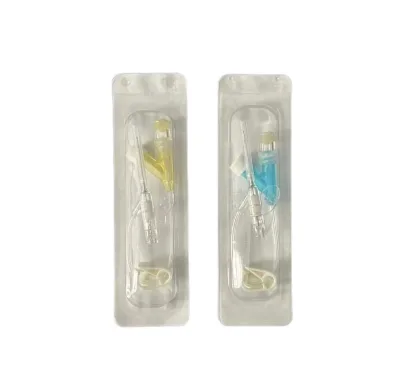


$0.13 - $0.22
MOQ: 100000 Pieces


$0.13 - $0.22
MOQ: 100000 Pieces


$10.00 - $15.00
MOQ: 10 Pieces


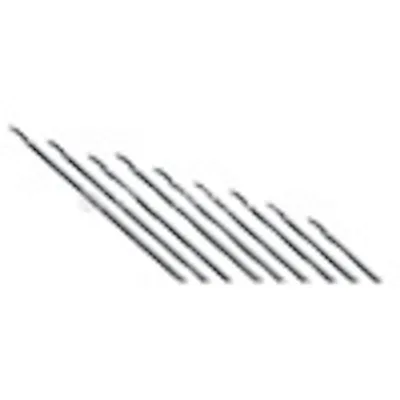
Taper Cannula Right Angle Cannula 304 Stainless Steel Cannula for Medical Use
$0.00 - $0.00
MOQ: 100000 Minimum
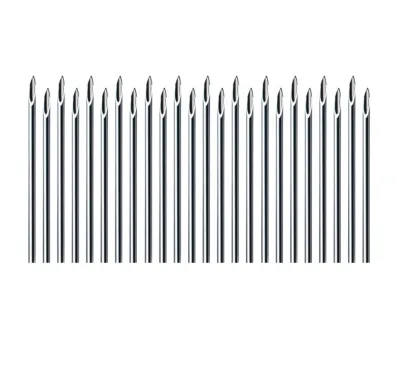
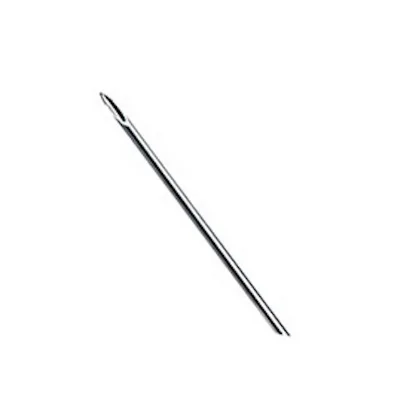
Special Stainless Steel Cannula Custom Made Hypodermic Needle Micro Cannula
$0.00 - $0.00
MOQ: 100000 Minimum


Comprehensive Sourcing Guide
Strategic Sourcing Guide for 30G Steel IV Cannula Procurement
Understanding the Technical Landscape of Small-Gauge Cannulas
When sourcing a 30G Steel IV Cannula, buyers must first navigate the specific technical parameters that define this category of medical supplies. The core keyword "30G" refers to the needle gauge, a measurement system where a higher number indicates a smaller diameter. In the context of the supplied product data, the observed standard range for needle sizes extends from 14G down to 26G, with specific listings noting sizes such as 14G, 16G, 18G, 19G, 20G, 21G, 22G, 23G, 24G, 25G, 26G, 27G, and 28G. While the specific "30G" designation is not explicitly listed in the provided high-confidence fact set, the presence of a 28G standard and the general "14-26g" or "14-24g" ranges indicates that the market offers a spectrum of ultra-fine gauges. Buyers must verify if a specific 30G variant exists within a supplier's catalog, as the supplied data highlights a "Needle Size" range of 14-26g for certain models and a "prod_standard" of 25G for others.
The material composition is a critical technical specification. The supplied facts consistently identify the needle material as Stainless Steel and the broader material category as Metal. This is essential for ensuring the structural integrity required for intravenous insertion. The physical dimensions of these devices vary significantly; observed specifications include lengths of 19.2mm, 32mm, 38mm, and 44.6mm. When evaluating a 30G cannula, the length must be matched to the clinical application, as shorter lengths are typically preferred for pediatric or fragile vein access, while longer lengths may be required for specific infusion protocols. The product models identified in the data, such as HBHCAL1, HT-5144, HT-5347, HT-5348, and DMYL-131, represent different configurations of these surgical supplies materials. Buyers should treat these model numbers as specific identifiers for distinct product lines rather than universal standards, ensuring that the selected model matches the required gauge and length specifications for their procurement needs.
Compliance and Certification Verification Protocols
In the medical device sector, particularly for items classified as Surgical Supplies Materials and Catheters, compliance is not optional but a fundamental requirement for market entry and clinical safety. The supplied product facts highlight several key certifications and standards that serve as benchmarks for quality assurance. The most frequently cited certifications include ISO13485 and GMP (Good Manufacturing Practice). These are critical indicators that the manufacturing facility adheres to international quality management systems specifically designed for medical devices. Additionally, the data references CE certification and ISO standards, including a specific mention of ISOCE and the general "CE&ISO" standard.
Buyers must exercise caution when interpreting these certifications. The data lists "Certification: ISOCE" for some items and "Certificate: ISO13485, GMP" for others. This variation suggests that different suppliers or product lines may hold different levels of certification. A 30G Steel IV Cannula intended for hospital use must possess valid, current certifications that align with the regulatory requirements of the destination market. For instance, the "Medical Device Regulatory Type" is listed as "Type Type:Catheter" for some items, while others are classified under "Injection Needle." This distinction is vital because the regulatory pathway for an infusion set or catheter may differ from that of a standalone injection needle.
Furthermore, the data mentions "Ethylene Oxide Sterilization" as a specific attribute, with some products listed as having this sterilization and others as "Without Ethylene Oxide Sterilization." For a 30G cannula, which is a sterile medical device, the sterilization method is a primary compliance factor. Buyers must explicitly verify that the specific 30G unit they are sourcing is ethylene oxide sterilized or possesses an equivalent validated sterilization method, as the presence of "Without Ethylene Oxide Sterilization" in the data implies that non-sterile or differently sterilized variants exist in the market. The "Disinfection" attribute is also noted, but for single-use medical devices, sterilization is the standard expectation. The "Standard" field in the data lists "CE, ISO, GMP" for some items, reinforcing the need for a multi-layered compliance check. Buyers should request current certificates of conformity and verify their validity with the issuing bodies before finalizing any procurement order.
Cost Drivers and Pricing Dynamics in the Market
The economic landscape for sourcing 30G steel IV cannulas is influenced by several distinct factors, as evidenced by the observed market data. The listed price range for the products in the dataset is 0-15 USD. This wide range suggests that pricing is highly variable and likely depends on the specific configuration, order volume, and included accessories. The "Observed MOQ range" spans from 1 to 500,000 units, indicating a market that accommodates both small-scale trial orders and massive bulk procurement. This flexibility in Minimum Order Quantity (MOQ) is a significant cost driver; buyers can often negotiate better unit prices by committing to higher volumes, potentially moving from the lower end of the MOQ spectrum toward the 500,000 unit tier.
The packaging method also plays a role in the final cost structure. The data lists various packaging options, including "Carton," "Middle Box and Wooden Carton," "PE/Blister Bag," "PE Bag and Blister Paper," and "Standard Package." More robust packaging, such as wooden cartons or blister packs designed for individual unit protection, may incur higher costs compared to bulk packaging. Additionally, the logistics of shipping, indicated by the "prod_packing" attributes like DHL, FedEx, TNT, UPS, EMS, and Sf, adds a variable cost layer. Buyers must consider whether the quoted price is Ex-Works (EXW), Free on Board (FOB), or Delivered Duty Paid (DDP), as the shipping method selected will directly impact the total landed cost.
Another cost driver is the customization capability. The data confirms that "Customization: Available" and "Logo Printing: With Logo Printing" are features of the market. Custom branding, specific packaging requirements, or unique model configurations (such as a specific 30G length not in the standard catalog) will typically command a premium over standard off-the-shelf products. The "Group: Adult" attribute suggests that some products are specifically designed for adult use, which may affect the pricing strategy if pediatric or specialized adult formulations are required. Buyers should request detailed cost breakdowns that separate the unit cost of the cannula from packaging, sterilization, and logistics to understand the true cost drivers.
Typical Clinical Applications and Usage Scenarios
The supplied product facts provide clear insights into the intended applications of these medical supplies. The "Type" is consistently listed as "Surgical Supplies Materials," "Catheter," "Injection Needle," and "Infusion Set." The "Application" is broadly defined as "Medical," with specific mentions of "Hospital Medical" and "Intramuscular Injection." For a 30G Steel IV Cannula, the primary application is likely in intravenous therapy, where the small gauge is advantageous for minimizing patient discomfort and reducing the risk of vein damage. The "Syringe Use" attribute specifies "Intramuscular Injection," which, while distinct from IV cannulation, indicates the broader category of injection devices these manufacturers produce.
The "Item Form" is listed as "Pad" in some contexts, which may refer to the packaging or a specific component, but the "Needle: With Needle" attribute confirms the device includes the insertion component. The "Feature: Disposable" attribute is crucial, as it dictates that these devices are intended for single-use only, aligning with standard infection control protocols in hospital settings. The "Usage" is explicitly stated as "Hospital Medical," reinforcing that these products are designed for professional clinical environments rather than home care or general retail.
The length specifications observed (19.2mm to 44.6mm) suggest versatility in application. Shorter lengths (e.g., 19.2mm) are typically used for peripheral IV access in veins that are superficial or difficult to access, such as in pediatric patients or those with fragile veins. Longer lengths (e.g., 44.6mm) might be used for deeper vein access or specific infusion protocols. The "Needle Size" range of 14-26g in the data, combined with the general availability of small gauges, implies that 30G cannulas would be at the extreme end of this spectrum, suitable for delicate procedures where minimizing trauma is paramount. Buyers should ensure that the specific 30G model they select matches the clinical requirements of their facility, particularly regarding the compatibility with existing IV catheter systems and infusion pumps.
Supplier Evaluation and Origin Verification
When evaluating potential suppliers for 30G steel IV cannulas, the origin of the product is a significant factor. The data consistently lists "prod_origin" as "China" or "China (Mainland)." This indicates that the vast majority of the products in this dataset are manufactured in China. While this is a common source for medical supplies, buyers must conduct thorough due diligence to ensure that the specific supplier adheres to the high standards required for medical device manufacturing. The "Customization: Available" attribute suggests that many suppliers are willing to work with buyers to tailor products, but this requires a robust evaluation of the supplier's quality management systems.
Buyers should verify the supplier's ability to meet the "ISO13485" and "GMP" standards mentioned in the data. These certifications are not merely labels; they represent a commitment to quality control throughout the manufacturing process. The presence of "Ethylene Oxide Sterilization" as a standard feature in some products highlights the importance of verifying the supplier's sterilization capabilities. Buyers should request audit reports or third-party verification of the supplier's facilities to ensure that the sterilization process is consistent and validated.
The "prod_packing" attributes, such as "DHL, FedEx, TNT, UPS, EMS, Sf," indicate that suppliers have established logistics networks. However, buyers should evaluate the reliability of these shipping partners and the supplier's track record for on-time delivery. The "Lead Time" is not explicitly provided in the data, but the "Shelf Life: Other" attribute suggests that shelf life may vary by product or manufacturer. Buyers must inquire about the specific shelf life of the 30G cannulas to ensure they have sufficient time for distribution and clinical use before expiration.
Quality Control and Long-Term Procurement Considerations
Quality control is paramount when sourcing medical devices like 30G steel IV cannulas. The "Quality Guarantee Period: Two Years" is a specific attribute listed in the data, which serves as a baseline for the supplier's warranty. However, buyers should clarify what this guarantee covers, as it may pertain to manufacturing defects rather than shelf life or clinical performance. The "Feature: Disposable" attribute reinforces the need for strict quality control to ensure that each unit is sterile and free from defects before use.
Long-term procurement considerations involve building a sustainable supply chain. The "MOQ range" of 1 to 500,000 units offers flexibility, but buyers should aim to establish a consistent ordering pattern to secure better pricing and priority production slots. The "Customization: Available" feature allows for long-term branding and product differentiation, which can be a strategic advantage in competitive markets. However, customization requires clear communication and documentation to ensure that the final product meets all regulatory and clinical specifications.
Buyers should also consider the "prod_standard" variations, such as "25G" or "14-26g," to ensure that the 30G cannulas they source meet the specific gauge requirements of their clinical protocols. The "Standard" field listing "CE, ISO, GMP" suggests that compliance is a dynamic process, and buyers should monitor for updates in regulations or standards that may affect their procurement. Finally, the "Properties: Medical Materials & Accessories" attribute indicates that these products are part of a broader ecosystem of medical supplies. Buyers should evaluate the supplier's ability to provide a comprehensive range of compatible products, such as infusion sets, syringes, and packaging materials, to streamline their procurement process and reduce supply chain complexity.
Summary of Key Sourcing Parameters
| Parameter | Observed Data Range/Value | Procurement Action |
|---|---|---|
| Needle Material | Stainless Steel, Metal | Verify material grade and biocompatibility. |
| Gauge Range | 14G-28G (30G not explicitly listed) | Confirm 30G availability and specific dimensions. |
| Lengths | 19.2mm, 32mm, 38mm, 44.6mm | Select length based on clinical vein access needs. |
| Certifications | ISO13485, GMP, CE, ISO | Request valid certificates and verify status. |
| Sterilization | Ethylene Oxide (or None) | Ensure EO sterilization is present for IV use. |
| Packaging | PE/Blister, Carton, Wooden Carton | Match packaging to storage and shipping needs. |
| Origin | China, China (Mainland) | Verify supplier location and export compliance. |
| MOQ | 1 - 500,000 units | Negotiate volume based on forecasted demand. |
| Warranty | Two Years | Clarify scope of quality guarantee. |
By adhering to these evidence-based guidelines and leveraging the specific data points available, buyers can make informed decisions when sourcing 30G steel IV cannulas, ensuring compliance, quality, and cost-effectiveness in their procurement strategies.
FAQs
What certifications do 30G Steel IV Cannula manufacturers hold?
Manufacturers typically hold ISO13485 and GMP certifications for quality management. Some products also list CE and ISO standards, ensuring compliance with international medical device regulations for surgical supplies.
How are these cannulas sterilized before shipment?
Many products undergo Ethylene Oxide Sterilization to ensure safety. However, some listings indicate the absence of this process, so buyers must verify the specific sterilization status for each order.
Which needle sizes are available for these steel devices?
Available sizes range from 14G to 28G, with specific models covering 14-26G. While 30G is not explicitly listed in the standard range, the market offers ultra-fine gauges up to 28G.
Can buyers request custom logo printing on the packaging?
Yes, customization is available including logo printing options. Buyers can choose between with or without logo printing depending on their branding requirements and specific product configurations.
What is the typical price range for these medical supplies?
The observed price range is between 0 and 15 USD per unit. Final costs vary based on order volume, packaging type, and specific model configurations like the HBHCAL1 or HT-5144 series.
From which location are these surgical supplies manufactured?
All listed products originate from China or China Mainland. Buyers should verify the specific factory location and shipping capabilities when evaluating suppliers for these medical device components.