Source 360-degree rotation pneumatic swing machine for parks, malls, schools
Compare 30 listings for the 360-degree rotation pneumatic swing machine suitable for amusement parks, shopping malls, and schools. Buyers can evaluate specifications, certifications, and pricing to find the right equipment for their venue.
Key considerations
Products List


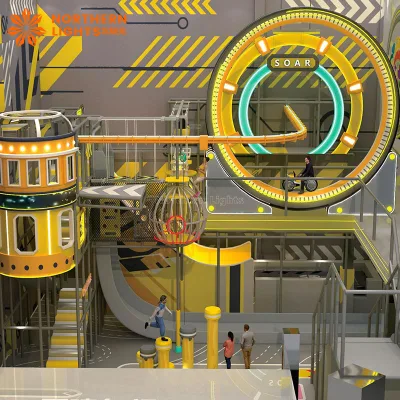
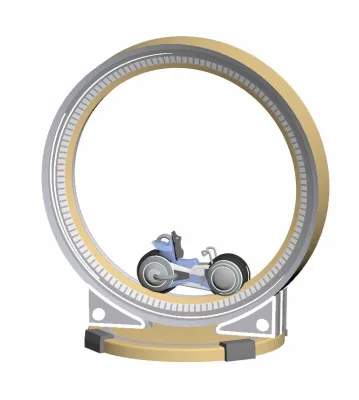
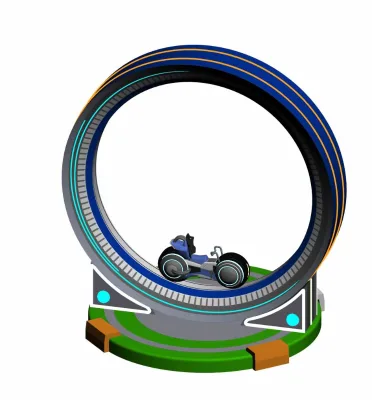
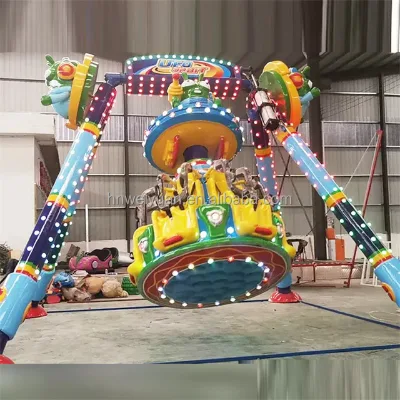

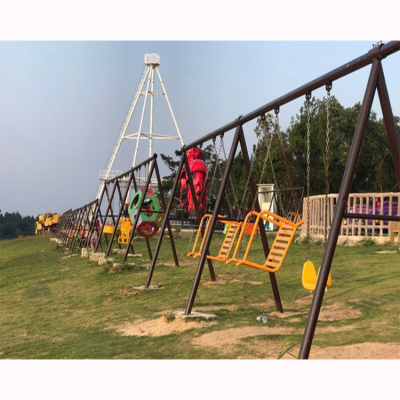


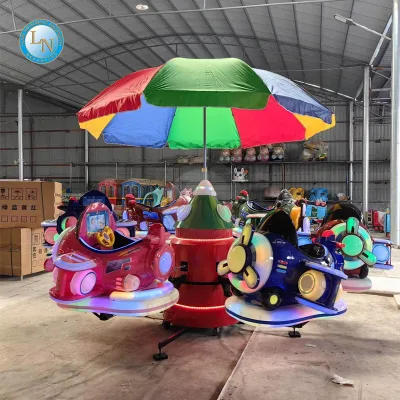
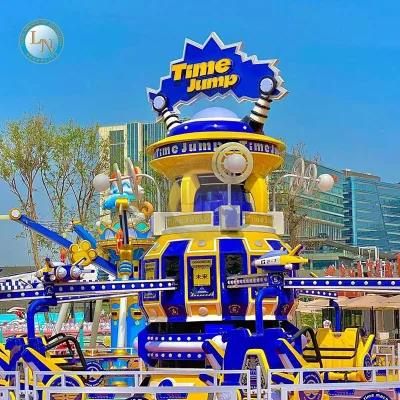
Factory Direct Sale Large Amusement Machine 360 Degree Rotating 16 Seats Space Time Jump for Sale
$19337.30 - $20356.12
MOQ: 1 Minimum



Comprehensive Sourcing Guide
360-Degree Rotation Pneumatic Swing Machine Sourcing Guide
Sourcing a 360-degree rotation pneumatic swing machine requires a disciplined approach to verifying mechanical integrity, safety compliance, and supplier reliability. These amusement rides are complex mechanical systems designed for high-thrill entertainment in commercial venues, combining rotational dynamics with pneumatic or hydraulic lifting mechanisms. Buyers must prioritize equipment that meets rigorous international safety standards, as the operational risks associated with high-speed rotation and elevation are significant. The procurement process should focus on identifying manufacturers who provide comprehensive technical documentation, verified certifications, and robust after-sales support structures.
This guide outlines the critical evaluation criteria for sourcing these machines, drawing on observed market data and standard industry practices. It covers product scope, technical verification, compliance requirements, cost structures, supplier qualification, and long-term operational checks. By adhering to these evidence-based guidelines, procurement professionals can mitigate risks associated with equipment failure, regulatory non-compliance, and operational downtime. The focus remains on actionable verification steps rather than speculative claims, ensuring that every sourcing decision is grounded in verifiable facts and established safety protocols.
Product Scope and Observed Listing Signals
The market for 360-degree rotation pneumatic swing machines includes a variety of configurations, ranging from single-seater units to multi-passenger installations. Observed listings indicate a diverse range of models, such as the CP-G005 Swing Machine and the CP-GB012 F1 Car, which suggest that manufacturers offer specialized designs tailored to different venue types and age groups. These machines are typically marketed for use in shopping malls, gardens, schools, communities, and theme parks, indicating their versatility in commercial entertainment settings. The presence of models like the CP-G003 and CP-K012 further highlights the variety in structural design and capacity, allowing buyers to select equipment that aligns with their specific spatial and operational constraints.
Observed product attributes reveal that these machines are often constructed from durable materials such as plastic suction, FRP (Fiber Reinforced Plastic), metal, stainless steel, wood, nylon, PVC, and foam. This combination of materials ensures both aesthetic appeal and structural resilience against frequent use and environmental exposure. Listings also indicate that customization is available, with options for color variations such as white and red, and specific dimensions like 120 cm x 70 cm x 70 cm or larger configurations up to 17209501070 mm. Buyers should note that while some listings mention "Kiddie Train" or "Circular Riding Amusement Equipment," the core functionality of a 360-degree rotation pneumatic swing machine remains distinct, requiring careful verification of the actual mechanical system described in the product specifications.
Technical Specifications to Verify
When evaluating technical specifications, buyers must verify the physical dimensions and weight capacity of the machine to ensure it fits within the designated installation area. Observed standard sizes include 8060120cm, 140014001200mm, and 17022080cm, which provide a baseline for spatial planning. It is crucial to confirm the single package size and gross weight, such as 100X80X100 cm and 130.000 kg, to calculate logistics costs and determine the required handling equipment for installation. The allowable passenger capacity, which may exceed 100+ for larger installations or be limited to 1-2 players for smaller units, must be clearly defined to match the intended throughput of the venue.
The mechanical and operational specifications require close scrutiny, particularly regarding the pneumatic system and safety features. Buyers should verify the presence of safety belts and the condition of the equipment, which is typically listed as "New." The battery type, often a rechargeable lithium battery, is a critical component for power management, and its specifications should be confirmed to ensure adequate runtime and charging infrastructure. Additionally, the installation method, which may include 3D installation instructions and supervision, should be evaluated to determine the level of technical support provided by the supplier. The model number, such as CP-C014 or CP-G005, serves as a unique identifier for tracking parts and service, so it must be accurately recorded in procurement documents.
Compliance and Safety Documentation
Compliance with international safety standards is non-negotiable for amusement rides, and buyers must request verified certification documents from suppliers. Observed listings frequently mention certifications such as ISO, CE, and CCC, which are critical for market access in various regions. The CE mark indicates conformity with health, safety, and environmental protection standards for products sold within the European Economic Area, while ISO certification suggests adherence to quality management systems. The CCC (China Compulsory Certification) is required for products sold in China, indicating that the manufacturer has met local regulatory requirements. Buyers should request copies of these certificates and verify their validity with the issuing bodies to ensure they are current and applicable to the specific model being purchased.
Beyond certifications, buyers must assess the safety features integrated into the machine's design. The presence of safety belts is a standard requirement, but the quality and reliability of these restraints must be verified through visual inspection or third-party testing reports. The material composition, including the use of stainless steel, wood, and plastic, should be evaluated for durability and resistance to wear and tear. Additionally, the warranty period, which is often listed as 15 months, provides a baseline for post-purchase support, but buyers should negotiate for extended coverage on critical components such as the pneumatic system and electrical controls. Clear documentation of safety protocols and maintenance procedures is essential for ensuring long-term operational safety.
Cost Drivers and Commercial Terms
The cost of a 360-degree rotation pneumatic swing machine is influenced by several factors, including the complexity of the mechanical system, the materials used, and the level of customization required. Observed price ranges in the market vary significantly, from $9.99 to $22,000, reflecting the diversity in product scale and feature sets. Buyers should be cautious of unusually low prices, as they may indicate compromised quality or incomplete specifications. The minimum order quantity (MOQ) also varies, with observed ranges from 1 to 500 units, allowing for flexibility in procurement for both small-scale venues and large amusement parks. Understanding these cost drivers helps buyers budget accurately and negotiate favorable terms.
Commercial terms such as payment methods, shipping arrangements, and after-sales support play a crucial role in the total cost of ownership. Buyers should verify the supplier's trade assurance status, which offers protection against non-delivery or quality issues. The packaging method, typically involving bubble pack, well paper, stretch films, and wood, is designed to protect the machine during transit, but buyers should confirm that this packaging meets international shipping standards to prevent damage. Additionally, the place of origin, often Guangdong, China, can impact shipping costs and lead times. Buyers should negotiate clear terms for installation supervision and training to ensure that their staff can operate and maintain the machine safely and efficiently.
Supplier Qualification and Quality Control
Supplier qualification is a critical step in the sourcing process, requiring a thorough assessment of the manufacturer's capabilities and reputation. Buyers should verify the supplier's brand name, such as Northern Lights, and check their history in the amusement equipment industry. The availability of OEM/ODM support indicates that the supplier can customize products to meet specific requirements, which is valuable for buyers seeking unique designs or branded experiences. However, buyers must ensure that customization does not compromise safety or compliance standards. Requesting references from previous clients and visiting the manufacturing facility, if possible, can provide valuable insights into the supplier's production capabilities and quality control processes.
Quality control measures should be explicitly defined in the procurement contract, including pre-shipment inspections and testing protocols. Buyers should require detailed inspection reports that cover structural integrity, pneumatic system performance, and electrical safety. The condition of the equipment, listed as "New," should be verified upon delivery to ensure that no damage occurred during transit. Additionally, buyers should confirm the supplier's ability to provide spare parts and technical support, which is essential for minimizing downtime in case of repairs. The inclusion of 3D installation instructions and supervision services can significantly reduce installation errors and ensure that the machine is set up correctly, enhancing its longevity and performance.
Long-Term Procurement Checks
Long-term procurement success depends on establishing a robust maintenance and support framework for the 360-degree rotation pneumatic swing machine. Buyers should develop a preventive maintenance schedule that includes regular inspections of the pneumatic system, safety belts, and electrical components. The warranty period, typically 15 months, should be utilized to address any initial defects, but buyers should plan for ongoing maintenance costs beyond the warranty term. Keeping a record of all maintenance activities and repairs is essential for tracking the machine's performance and identifying potential issues before they lead to costly failures.
Buyers should also monitor changes in safety regulations and industry standards to ensure that the machine remains compliant over its operational lifespan. Regular training for operating staff on safety protocols and emergency procedures is crucial for preventing accidents and ensuring a safe experience for users. Additionally, buyers should maintain a relationship with the supplier for future upgrades or replacements, leveraging their OEM/ODM capabilities to enhance the machine's features or adapt to changing market demands. By proactively managing these long-term aspects, buyers can maximize the return on investment and ensure the continued success of their amusement offerings.
FAQs
What certifications do the swing machines have?
The swing machines hold ISO, CE, and CCC certifications. These standards ensure safety and compliance for international markets, allowing buyers to verify product quality before placing orders.
Can the machines be customized for specific needs?
Yes, customization is available for these swing machines. Buyers can request specific modifications to meet unique requirements while maintaining the core safety features like safety belts and sturdy construction.
What is the maximum weight capacity for the equipment?
The equipment supports a maximum weight capacity of 50 kg per unit. This limit ensures safe operation for children aged 7 to 14 years old using the single-player swing machine.
How is the product packed for shipping?
Products are packed using bubble packs, well paper, stretch films, and wooden crates. This robust packaging protects the machinery during transit and ensures it arrives in new condition.
Where are these amusement machines manufactured?
These machines originate from Guangzhou, China, specifically in the Guangdong province. Buyers can expect factory-direct sales with verified supplier status and trade assurance for secure transactions.
What warranty is provided for the swing machines?
A 15-month warranty is provided for the swing machines. This coverage applies to new units and ensures support for any manufacturing defects during the specified period after delivery.