Source 360 Degree Rotation Headrest Mount for Cars, Homes, Offices
Compare 30 listings for the 360 Degree Rotation Headrest Mount suitable for cars, homes, and offices. These options feature manual clip installation, aluminum alloy construction, and support for devices ranging from 4.7 to 12 inches.
Key considerations
Products List
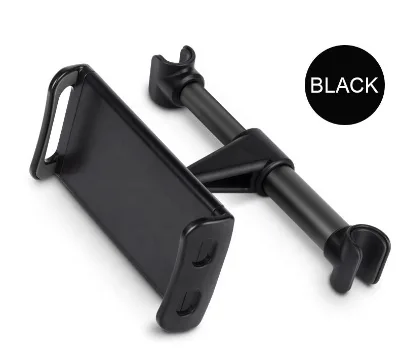


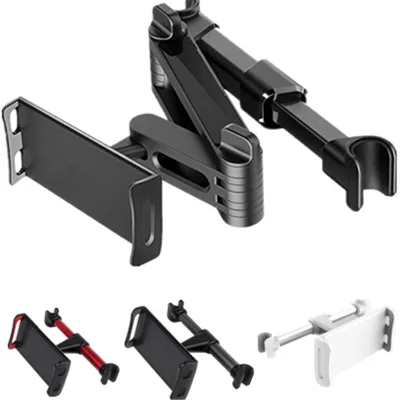

Mobile Phone Car Pillow Holder Tablet Stand Back Seat Headrest Mount Bracket
$1.55 - $1.85
MOQ: 100 Pieces


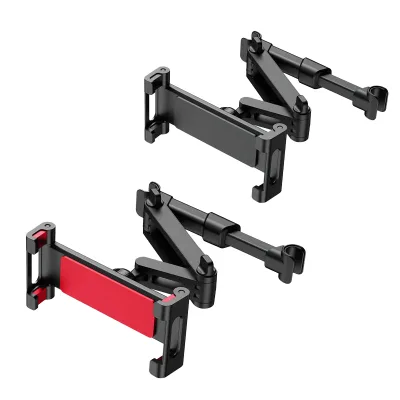


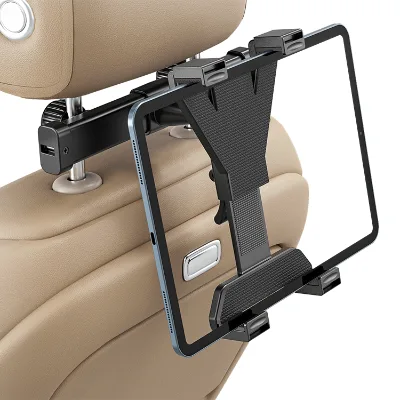


Comprehensive Sourcing Guide
Strategic Sourcing Guide for 360 Degree Rotation Headrest Mounts
Understanding Technical Specifications and Mechanical Design
When sourcing a 360-degree rotation headrest mount, the primary objective is to identify a device that balances structural integrity with the fluidity of motion required for passenger comfort. The core mechanical feature is the rotation mechanism, which must allow the attached device to pivot horizontally and vertically without slippage. Based on available product data, the market offers models with specific rotation capabilities, such as the 360-degree rotation observed in mobile phone holder variants. This feature is critical for ensuring that passengers can adjust the viewing angle of tablets or smartphones to suit their seating position or to share content with others in the vehicle.
The physical dimensions of the mount are equally significant. The device size supported by these mounts typically ranges from 4.7 inches to 11 inches, covering the majority of modern smartphones and small-to-mid-sized tablets. Some specifications indicate a broader range, extending up to 12 inches for square metal sizes, which suggests that certain heavy-duty models can accommodate larger tablets or small laptops. The mounting interface is another critical technical parameter. The observed "Device fix mode" is often a manual clip system, which relies on the user to secure the device physically rather than using automated sensors. This manual intervention ensures a tight grip but requires the buyer to verify the clip tension and material durability to prevent accidental drops during vehicle movement.
Material composition plays a vital role in the longevity and stability of the mount. High-quality units are frequently constructed from an aluminum alloy combined with ABS plastic. This hybrid approach leverages the strength and heat resistance of the metal for the structural frame while utilizing the shock-absorbing and lightweight properties of ABS for the clamping mechanisms and adjustable joints. The finish of the product is also a technical consideration, with observed color options including black, red, and silver. These finishes are not merely aesthetic; they often indicate the type of coating used to resist corrosion and wear from constant handling and exposure to vehicle cabin environments.
Compliance, Certification, and Regulatory Standards
Navigating the regulatory landscape is essential for B2B buyers, particularly when importing automotive accessories into regions with strict safety and environmental mandates. The supply chain for these mounts often includes specific certifications that validate the product's safety and environmental compliance. Verified product attributes indicate the presence of CE, ROHS, and CA65 certifications. The CE mark signifies conformity with health, safety, and environmental protection standards for products sold within the European Economic Area. ROHS compliance ensures that the manufacturing process limits the use of specific hazardous materials, such as lead and mercury, which is a standard requirement for electronic accessories and their mounting hardware.
CA65, or California Proposition 65, is a critical certification for the US market, specifically California. It mandates that products must carry warnings if they contain chemicals known to cause cancer or reproductive toxicity. The presence of this certification in the product data suggests that the manufacturer has assessed their materials and is prepared to meet the rigorous disclosure requirements of the California market. However, buyers must verify that these certifications are current and applicable to the specific batch being ordered, as certification status can vary between different production runs or model numbers.
In addition to safety certifications, buyers should evaluate the product standards against which the mounts are manufactured. The data indicates that products may adhere to "Standard Specifications" or be produced under "Customized" standards. This distinction is important for procurement contracts. If a buyer requires a product that meets a specific national or industry standard, they must explicitly state this requirement during the negotiation phase. The absence of a specific standard name in the general description implies that the manufacturer may be flexible, but the buyer must define the exact benchmark to ensure the product meets local regulatory requirements for automotive interior components.
Cost Drivers and Pricing Structure Analysis
The pricing structure for 360-degree rotation headrest mounts is influenced by a complex interplay of material costs, customization levels, and order volume. The observed listed price range in the market spans from $0.02 to $33.00 USD. This wide variance indicates that the unit price is highly dependent on the specific configuration, material grade, and the quantity ordered. The lower end of the price spectrum likely corresponds to basic models with minimal customization, standard packaging, and lower material costs, such as those utilizing standard ABS without aluminum reinforcement. Conversely, the higher price points are associated with premium configurations, such as those featuring aluminum alloy frames, custom branding, or specialized packaging.
Minimum Order Quantity (MOQ) is a significant factor in determining the effective cost per unit. The observed MOQ range is extensive, stretching from 1 unit to 100,000 units. This flexibility allows buyers to test the market with small orders or to secure bulk pricing for large-scale distribution. However, the data also highlights a specific attribute where the MOQ is listed as 10 pieces, which serves as a baseline for many suppliers. Buyers should be aware that while the theoretical MOQ might be low, the actual unit price will decrease as the order volume increases, moving the buyer from the retail price bracket toward the wholesale tier.
Customization is another major cost driver. The product attributes confirm that customization is available for color, logo, and packaging. While a standard black or silver mount may be cost-effective, introducing a custom color or a specific logo mold will incur additional tooling fees and higher per-unit costs. The "Private mold" attribute indicates that some suppliers offer exclusive designs, which requires a significant upfront investment but can provide a competitive advantage in the long term. Buyers must balance the desire for unique branding against the budget constraints, understanding that custom molds and specialized features will push the unit price toward the higher end of the observed range.
Typical Applications and Usage Scenarios
The versatility of 360-degree rotation headrest mounts extends beyond simple vehicle entertainment. While the primary application is listed as "Car" with a specific focus on the "Seatback," the product data also reveals usage in "Home/Office" environments. This dual-purpose capability makes these mounts attractive for buyers looking to source versatile hardware that can serve multiple markets. In the automotive context, the mount is designed to attach to the headrest of a car seat, providing a stable platform for passengers to view media. The "Installation" method is typically "Stick-on," which suggests an adhesive-based attachment system, although some models may utilize clamping mechanisms depending on the specific design.
The "Usage Scenario" is noted as "All Flat Surfaces," which implies that the mount's design is adaptable. While the primary intent is headrest mounting, the mechanical design might allow for alternative installations on tables or desks in a home or office setting. This flexibility is particularly relevant for the "Laptop Stand" and "Mobile Phone Table Holder" variants observed in the product data. These models support devices ranging from 4.7 inches to 11 inches, making them suitable for a wide array of devices, from smartphones to large tablets. The "Function" is described as "Holder Only," indicating that the product does not include integrated power sources or charging capabilities, which simplifies the design and reduces the risk of electrical failure.
For the automotive application, the "Applicable Place in Car" is specifically the seatback. This requires the mount to be robust enough to withstand the vibrations and movements associated with driving. The "Feature" list includes "Strong Stablize" and "Anti-Slip," which are critical for maintaining the device's position during travel. The "Special Function" of being a "Magnetic Holder" in some models offers an alternative to the manual clip system, providing a quick-release mechanism that is convenient for users who frequently remove and reattach their devices. Buyers should consider the specific needs of their target market when selecting between clip-based and magnetic retention systems.
Supplier Evaluation and Origin Verification
When evaluating potential suppliers for 360-degree rotation headrest mounts, the geographic origin of the product is a key indicator of supply chain reliability and cost structure. The observed "place of origin" is consistently listed as Guangdong, China, a region known for its robust manufacturing ecosystem for consumer electronics and automotive accessories. This concentration of suppliers in Guangdong often results in competitive pricing and a high degree of supply chain maturity. However, buyers must verify the specific factory capabilities, as the region hosts a mix of large-scale manufacturers and smaller workshops.
The "Brand Name" attribute is listed as "ODM," which stands for Original Design Manufacturer. This indicates that the supplier specializes in designing and manufacturing products that are then sold under the buyer's brand. This is a crucial distinction for B2B buyers who wish to create a private label. The "OEM/ODM" attribute is marked as "Acceptable," confirming that the suppliers are open to both original equipment manufacturing (making products to the buyer's exact specifications) and original design manufacturing (using the supplier's existing designs). Buyers should clarify the extent of customization allowed, particularly regarding the "Private mold" capability, to ensure they can secure exclusive rights to the design if desired.
Supplier evaluation should also include a review of the "Product Packing" and "Standard Specifications." The data indicates that "Standard Packaging or Customized" options are available. For international buyers, the "Single package size" of 21x12x7.5 cm and the "Single gross weight" of 0.212 kg are critical for calculating shipping costs and optimizing container loading. Buyers must ensure that the packaging is robust enough to protect the product during transit, especially given the mechanical parts that could be damaged by impact. Additionally, verifying the "Customized" status for color, logo, and packaging is essential to ensure the final product meets the buyer's branding requirements.
Quality Control and Long-Term Procurement Considerations
Ensuring consistent quality is paramount when sourcing mechanical accessories like headrest mounts. The "Feature" list includes attributes such as "Durable," "Stable," and "Easy Install," which are qualitative claims that must be validated through rigorous quality control processes. Buyers should request sample units to test the "Rotation" mechanism for smoothness and the "Device fix mode" for holding strength. The "Adjustable Angle" and "Flexible" attributes suggest that the joints must maintain their position under load, a test that should be performed repeatedly to check for wear and tear.
Long-term procurement considerations involve assessing the supplier's ability to maintain consistency across production batches. The "Model Number" variations, such as CJ08, CA081, PH12, and LZ113, indicate a diverse product portfolio. Buyers should establish a clear specification sheet that references the exact model number to avoid receiving substandard or incompatible units. The "Standard Specifications or Customized" attribute suggests that the supplier can adapt to changing requirements, but this flexibility must be managed through clear contractual agreements.
Finally, buyers should consider the "Special Function" and "Feature" claims in the context of long-term reliability. For instance, the "Magnetic Holder" function must be tested for magnetic strength over time, as magnets can degrade or lose their grip. The "Non-Slip" and "Anti-Slip" features require testing of the contact surfaces to ensure they do not wear down, which could lead to device slippage. By focusing on these tangible performance metrics and verifying them through third-party testing or in-house trials, buyers can mitigate the risks associated with long-term procurement and ensure a reliable supply of high-quality 360-degree rotation headrest mounts.
Comparative Analysis of Product Attributes
To facilitate decision-making, the following table summarizes the key attributes observed across the different product models and configurations. This comparison highlights the variations in specifications, materials, and functionalities that buyers should consider when selecting a supplier.
| Attribute Category | Observed Variations | Key Considerations for Buyers |
|---|---|---|
| Device Size Supported | 4.7 - 11 inch; 4.7-12 inch (square metal) | Verify the maximum size of the device to be mounted; ensure the clip or magnetic grip accommodates the thickness. |
| Material Composition | Aluminium alloy+ABS; Standard ABS | Aluminum alloy offers higher durability and heat resistance; ABS is lighter and cost-effective. |
| Rotation Capability | 360 Degrees Rotation; Adjustable Angle | Ensure the rotation mechanism is smooth and locks securely in the desired position. |
| Fixing Mechanism | Manual clip; Magnetic Holder | Manual clips offer a secure physical lock; magnetic holders provide quick release but may require a metal plate. |
| Installation Method | Stick-on; Seatback Mount | Verify the adhesive strength or clamping mechanism suitability for the specific vehicle seatback material. |
| Customization Options | Color/Logo/Packaging; Private Mold | Assess the cost and lead time implications of custom molds versus standard color options. |
| Certifications | CE, ROHS, CA65 | Confirm that certifications are valid for the target export market and applicable to the specific batch. |
| Origin Location | Guangdong, China; China | Evaluate the supplier's logistics capabilities and reputation within the Guangdong manufacturing hub. |
| Product Function | Holder Only; No Charger | Confirm that the product does not include charging features unless explicitly required. |
| Packaging | Standard; Customized; Single item | Check packaging dimensions (21x12x7.5 cm) and weight (0.212 kg) for shipping optimization. |
This comparative analysis underscores the importance of aligning specific product attributes with the buyer's operational needs. By carefully reviewing these factors, procurement teams can make informed decisions that balance cost, quality, and functionality.
FAQs
What certifications do these mounts have?
The mounts hold CE, ROHS, and CA65 certifications. These verify compliance with European safety standards, hazardous material limits, and California Proposition 65 requirements for specific chemical disclosures.
How large a device can the mount hold?
The mount supports devices ranging from 4.7 to 11 inches. Some variants accommodate square metal sizes up to 12 inches, covering most smartphones and mid-sized tablets for stable viewing.
Can I customize the color and logo?
Customization is available for color, logo, and packaging. Buyers can request specific finishes like black, red, or silver, and the supplier accepts OEM and ODM requests for private branding.
What is the minimum order quantity?
The minimum order quantity starts at 10 pieces. However, the observed market range extends from 1 to 100,000 units, allowing flexibility for small trials or large bulk procurement strategies.
Where are these products manufactured?
The products originate from Guangdong, China. This region is a known hub for consumer electronics and automotive accessories, offering a mature supply chain for efficient manufacturing and shipping.
How does the installation mechanism work?
Installation uses a stick-on method or manual clip system. The device fix mode relies on a manual clip to secure the tablet or phone, ensuring a strong and stable hold during travel.