Source Modern Customizable Side Table for Living Room Hotel Study
Explore 30 listings for a Modern Customizable Side Table suitable for living rooms, hotels, and studies. Buyers can compare solid wood and metal frame options with varying styles and customization services to find the best fit for their needs; compare the available evidence and request quotations based on your requirements.
Key considerations
Products List


Modern Stainless Steel Legs Side Table with Wooden Table Top Coffee Table
$79.00 - $109.00
MOQ: 30 Pieces

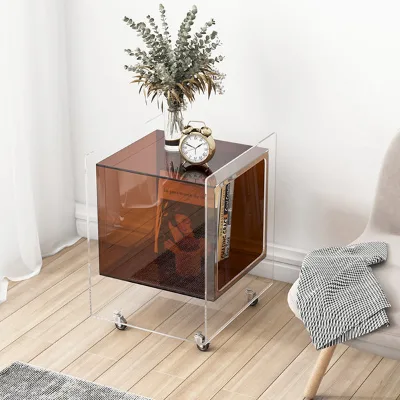


Comprehensive Sourcing Guide
Modern Customizable Side Table Sourcing Guide
Procuring modern customizable side tables requires a clear definition of the intended environment, as observed listings indicate suitability for living rooms, hotels, bedrooms, and study areas. Buyers must distinguish between solid wood constructions and panel-based designs with steel frames, as these materials dictate both the aesthetic longevity and the structural load capacity of the unit. The observed market offers options ranging from antique styles to modern minimalist designs, necessitating a precise selection based on the specific interior design language of the target space.
Commercial terms vary significantly, with minimum order quantities observed between one unit and 1,500 units, allowing flexibility for both sample acquisition and bulk deployment. Suppliers frequently offer dropshipping services and custom design capabilities, which can streamline logistics for international buyers. However, the customization of dimensions and finishes often introduces variability in lead times and pricing structures, requiring early alignment on production schedules to ensure timely delivery for commercial projects or retail restocking.
Product Scope and Observed Listing Signals
The product scope encompasses a diverse array of side tables, including models explicitly identified as coffee tables, PC desks, and simple modern side tables with storage characteristics. Observed listings highlight specific attributes such as rectangular shapes, two-layer configurations, and edge banding finished with paint, which are critical for matching the visual consistency of a furnished room. Buyers should verify whether the "customized" attribute refers to surface finishes, dimensions, or structural modifications, as this distinction impacts the complexity of the manufacturing process and the final unit cost.
Listing signals also reveal the presence of metal frames and solid wood legs, suggesting a hybrid construction approach that balances durability with contemporary aesthetics. The observed color options include brown, white, and vintage finishes, alongside fully customizable color requests, providing ample opportunity for brand alignment. However, the presence of varying product models, from OEM designs to specific product numbers like Yamazon-P043, indicates that buyers must carefully cross-reference specifications to ensure the selected item meets the exact functional requirements of the intended application scenario.
Technical Specifications to Verify
Buyers must rigorously verify dimensional standards, as observed listings cite specific measurements such as 47.75 inches by 18 inches by 29 inches, while others offer fully customizable sizing. The distinction between fixed standard dimensions and customizable parameters is vital for space planning, particularly in commercial settings like hotels or offices where furniture must fit precise architectural constraints. Confirming the exact length, width, and height in centimeters or inches prevents costly errors during installation and ensures the table integrates seamlessly with existing seating arrangements and room layouts.
Material composition requires equal scrutiny, with observed data pointing to solid wood, panel wood, and steel as primary components. The leg material is frequently specified as metal, while the tabletop may be solid wood or panel, influencing the overall weight and stability of the unit. Buyers should request detailed material certificates to confirm the grade of wood and the thickness of the steel frame, ensuring the product can withstand the intended usage frequency in high-traffic areas like hotel lobbies or busy home living rooms without premature wear or structural failure.
Compliance and Safety Documentation
Documentation regarding certifications is a critical component of the procurement process, with observed listings mentioning ISO standards alongside specific color-coded identifiers. While the exact nature of these certifications varies, buyers must request valid documentation to confirm that the manufacturing processes adhere to international safety and quality benchmarks. This verification is essential for commercial projects where liability and safety compliance are paramount, ensuring that the furniture meets the regulatory requirements of the destination market.
Safety and structural integrity are further supported by warranty terms, with observed listings offering a one-year warranty on specific models. This warranty coverage provides a baseline of protection against manufacturing defects, but buyers should clarify the specific terms and conditions to understand what is covered, such as frame integrity or finish durability. Additionally, verifying that the packing standards meet export requirements, such as the observed export standard packing or carton box options, ensures that the products arrive without damage, preserving the quality and safety of the finished goods.
Cost Drivers and Commercial Terms
Cost drivers for modern customizable side tables are heavily influenced by the level of customization required, with options ranging from standard OEM models to fully bespoke designs. The choice of materials, such as solid wood versus panel wood with steel accents, creates a significant price variance that buyers must account for in their budgeting. Furthermore, the complexity of the finish, including edge banding and specific color applications, adds to the production cost, making it essential to obtain detailed quotes that break down material, labor, and finishing expenses.
Commercial terms, including minimum order quantities and payment structures, vary widely across the observed market, with MOQs ranging from single units to 100 pieces or more. Buyers should negotiate terms that align with their inventory strategy, considering whether dropshipping services or custom design support can reduce logistical overhead. Understanding the lead times associated with different customization levels is also crucial, as bespoke orders typically require longer production windows compared to standard stock items, impacting the overall supply chain timeline.
Supplier Qualification and Quality Control
Supplier qualification should focus on verifying the origin of the products, with observed listings indicating production in China and specific regions like Hebei. Buyers must assess the supplier's capacity to handle custom orders, ensuring they have the necessary infrastructure for design acceptance and OEM production. The ability to provide samples and detailed product specifications is a key indicator of a supplier's reliability, allowing buyers to physically inspect the quality of materials and finishes before committing to a larger order.
Quality control measures must be established early in the procurement process to ensure consistency across the production run. Buyers should request pre-shipment inspections to verify that the final products match the agreed-upon specifications regarding dimensions, materials, and finishes. Implementing a robust quality assurance protocol helps mitigate the risk of receiving substandard goods, ensuring that the side tables meet the expected durability and aesthetic standards required for their intended application in residential or commercial environments.
Long-Term Procurement Checks
Long-term procurement success depends on establishing a reliable supply chain that can consistently deliver high-quality side tables over time. Buyers should monitor supplier performance metrics, such as on-time delivery rates and defect rates, to ensure that the partnership remains viable for future orders. Regular communication regarding production updates and any potential changes in material availability helps maintain transparency and allows for proactive adjustments to the procurement strategy.
Sustainability and product lifecycle management are also critical considerations for long-term procurement. Buyers should inquire about the environmental impact of the materials used, such as the sourcing of wood and the recyclability of metal components. Ensuring that the supplier adheres to sustainable practices not only aligns with modern corporate responsibility goals but also helps future-proof the supply chain against evolving regulatory requirements and market expectations regarding eco-friendly furniture solutions.
FAQs
Can I customize the design of a modern side table?
Yes, customization is available for modern side tables. Buyers can request customized designs and accept OEM services. The product supports various styles, including antique and modern options. This flexibility allows businesses to tailor furniture to specific interior requirements or brand identities effectively.
What materials are used for modern side tables?
Modern side tables typically use solid wood, panel wood, or a combination of panel and steel. Some models feature metal frames with wooden tops. These material choices provide durability and aesthetic versatility, allowing for different finishes such as vintage colors or optional custom colors to match decor.
What is the standard size for a modern side table?
Standard dimensions for some models are 47.75 inches in length, 18 inches in width, and 29 inches in height. However, sizes are often customizable to fit specific spatial constraints. Buyers can request tailored specifications to ensure the table fits perfectly in living rooms, hotels, or study areas.
What certifications do these side tables have?
These side tables hold ISO certifications, ensuring quality management standards are met. This certification indicates that the manufacturing processes adhere to international benchmarks for consistency and reliability. Buyers can rely on these standards when sourcing furniture for commercial projects requiring verified quality assurance and professional manufacturing practices.
What is the minimum order quantity for side tables?
The minimum order quantity varies, with some listings starting at 100 pieces. Other options may allow for lower MOQs, such as one piece, depending on the supplier. Buyers should verify specific MOQ requirements based on their order volume and whether they are seeking dropshipping or bulk customized design services.
Where are these modern side tables manufactured?
These side tables are manufactured in China, with specific origins noted in Hebei province. Sourcing from this region provides access to established furniture manufacturing hubs. Buyers can leverage this location for efficient logistics and access to a wide variety of styles, from antique to modern designs, with export-standard packing.