Source 360 Degree Rotation Catheter Mount for Surgery, ICU, and Emergency
Compare 30 listings for the 360 Degree Rotation Catheter Mount from verified Chinese manufacturers. Buyers can evaluate sterilization options, material types, and customization features to find suitable supplies for pediatric and adult applications.
Key considerations
Products List


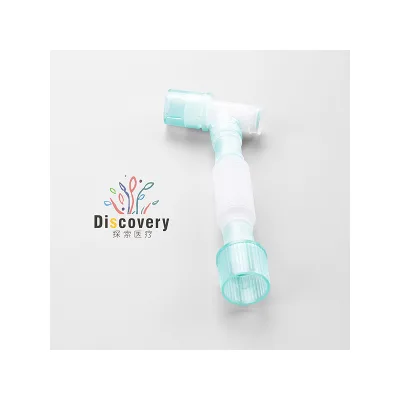
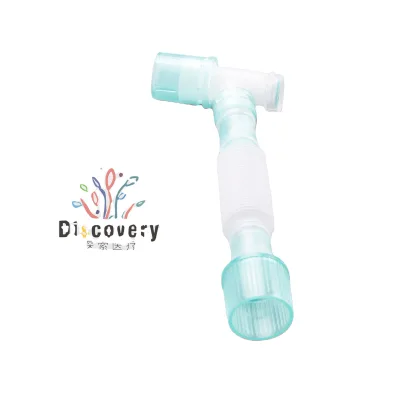
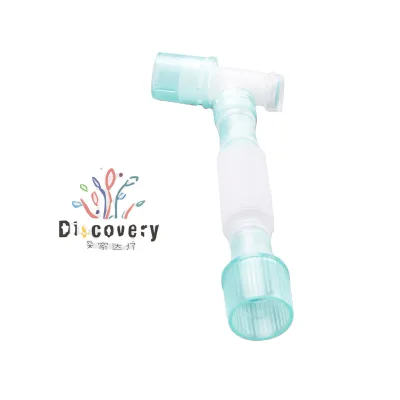
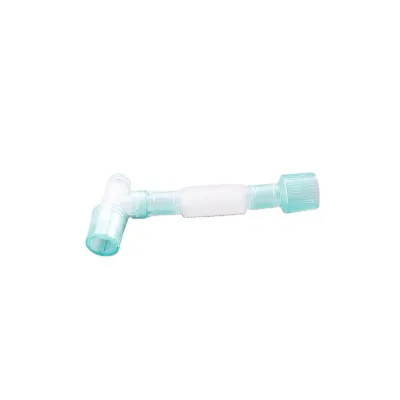
Comprehensive Sourcing Guide
Strategic Sourcing Guide for 360-Degree Rotation Catheter Mounts
The procurement of a 360-degree rotation catheter mount represents a critical decision point for medical device buyers and healthcare facility managers. These components serve as the vital interface between the patient's airway and the ventilator circuit, ensuring secure, flexible, and safe ventilation. The specific requirement for 360-degree rotation indicates a need for devices that allow clinicians to adjust the angle of the catheter or connector without disconnecting the circuit, thereby reducing the risk of accidental extubation and minimizing patient discomfort during movement. Sourcing these specialized surgical supplies requires a disciplined approach that balances technical performance, regulatory compliance, and supply chain reliability. This guide outlines the essential factors for evaluating potential suppliers and products based on verified market data and industry standards.
Technical Specifications and Functional Requirements
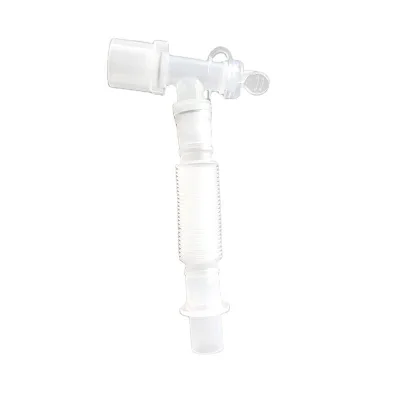
When evaluating a 360-degree rotation catheter mount, the primary focus must be on the mechanical integrity of the rotating mechanism and the compatibility with standard airway circuits. The core function of the device is to facilitate smooth rotation while maintaining a sealed connection to prevent air leaks. Buyers should verify that the product model specifications explicitly support the rotational capability required for their specific clinical workflows. In the current market, models such as the "Catheter Mount -Smoothbore" and "Catheter Mount" are available, with variations like "Smoothbore Corrugated" or "Expandable" styles offering different tactile and functional properties.
The physical dimensions of the mount are equally critical. Specifications indicate that these devices are available in sizes ranging from "Neonate To Adult," with specific size options often categorized as "Adult," "Children," and "Infant." This range ensures that the procurement team can source a single supplier capable of meeting the diverse needs of a hospital ward or a specialized pediatric unit. Furthermore, the length of the device is a key specification, with observed market offerings including lengths of 10cm, 15cm, and 20cm. Selecting the correct length is essential for optimizing the distance between the patient's airway and the ventilator, which can impact the overall compliance of the breathing circuit.
Material composition is another technical pillar. The majority of these mounts are constructed from "Medical Polymer Materials," specifically "Plastic," which offers the necessary balance of durability and flexibility. The material must be biocompatible and capable of withstanding repeated sterilization cycles if the device is not intended for single-use. However, many modern designs are optimized for "Single-Use" applications, marked by a "Disposable" feature. This distinction is vital for infection control protocols, as reusable devices require rigorous cleaning validation, whereas disposable units eliminate cross-contamination risks entirely.
Regulatory Compliance and Certification Verification
Navigating the regulatory landscape is non-negotiable when sourcing medical devices. The 360-degree rotation catheter mount falls under the category of "Surgical Supplies Materials" and is often classified as a "Medical Device." Consequently, suppliers must provide verifiable evidence of compliance with international and local regulatory standards. Buyers should not rely on generic claims but must request specific documentation for certifications such as "ISO," "CE," and "FDA."
The market data highlights several certification tiers. Some products carry a "Ce and ISO" certification, while others may list "ISO, CE" or more comprehensive combinations like "FDA, ISOCE." For high-risk applications or exports to specific regions, the presence of "ISO13485" is a strong indicator of a supplier's commitment to quality management systems specific to medical devices. Additionally, some listings mention "China FDA" or "FSC" (Forest Stewardship Council, though less common for medical devices, it may appear in packaging contexts), which suggests a broader compliance framework.
It is crucial to distinguish between the device itself and its sterilization status. Some products are supplied with "Ethylene Oxide Sterilization," while others are explicitly marked as "Without Ethylene Oxide Sterilization." This distinction dictates the shelf life and storage requirements of the product. If a facility requires pre-sterilized units, the supplier must guarantee the integrity of the "Sterilized Plastic-Paper Pouch or Blister Packing." Conversely, if the facility has its own sterilization capabilities, they may opt for non-sterile units to reduce costs, provided the packaging allows for safe handling until sterilization.
Cost Drivers and Pricing Structures
The pricing of catheter mounts is influenced by a complex interplay of factors, including material costs, sterilization methods, certification levels, and order volume. The observed market price range for these products spans from $0.10 to $10.00 USD. This wide variance suggests that the cost is not solely determined by the physical dimensions of the mount but heavily by the value-added services provided. For instance, a unit priced at the lower end of the spectrum is likely a basic, non-sterile, single-use plastic mount. In contrast, a unit at the higher end may include pre-sterilization, specialized packaging, and comprehensive regulatory documentation.
Minimum Order Quantity (MOQ) is another significant cost driver. The market exhibits an MOQ range from 1 to 5,000 units. Buyers with small-scale needs or those testing a new supplier may find suppliers with low MOQs attractive, allowing for flexibility without significant capital commitment. However, larger healthcare systems often benefit from economies of scale, where ordering in bulk (approaching the 5,000-unit threshold) can significantly reduce the per-unit cost.
Customization is a major factor in pricing. The availability of "Logo Printing" (both with and without options) and "Customized" features allows suppliers to tailor products to specific hospital branding or clinical requirements. These customizations invariably add to the production cost and may extend the lead time. Additionally, the "Quality Guarantee Period" of "Two Years" for certain products implies a higher initial investment in quality control, which is reflected in the final price. Buyers must weigh the long-term savings of a higher-quality, longer-guarantee product against the immediate budget constraints of a lower-cost, shorter-guarantee alternative.
Typical Applications and Clinical Use Cases
The 360-degree rotation catheter mount is designed for versatile clinical applications, primarily within intensive care units (ICUs), operating rooms, and emergency departments. The "Universal" standard mentioned in specifications suggests compatibility with a wide array of ventilator systems and patient interfaces. This universality is particularly valuable for hospitals that manage a diverse patient population, from "Neonate To Adult," ensuring that the same product line can serve multiple departments.
The "Health Care Intercom System" attribute found in some listings might seem unrelated at first glance, but in a broader procurement context, it could indicate a supplier's capability to provide integrated solutions or a misclassification that requires verification. However, the primary application remains airway management. The "Stylet" options, such as "Smoothbore Corrugated" or "Expandable," cater to specific patient anatomies or procedural needs. For example, a corrugated stylet might be preferred for its flexibility in difficult airway scenarios, while a smoothbore design might be chosen for ease of cleaning or specific flow dynamics.
The "Single-Use" nature of most of these devices aligns with modern infection control standards. In high-volume settings, the ability to dispose of the mount after a single patient encounter eliminates the risk of hospital-acquired infections associated with reusable equipment. The "Disposable" feature is a key selling point for facilities prioritizing patient safety and operational efficiency. Furthermore, the "Customization" availability allows for specialized applications, such as pediatric-specific mounts with unique rotational mechanisms to accommodate smaller airways.
Supplier Evaluation and Selection Criteria
Selecting the right supplier requires a rigorous evaluation process that goes beyond price comparison. Buyers should prioritize suppliers with a proven track record in the "Surgical Supplies Materials" sector. The "Place of Origin" is a critical factor, with "China" and specifically "Zhejiang" or "Shaoxing" being prominent manufacturing hubs. While these regions are known for robust manufacturing capabilities, buyers must verify the specific factory conditions and quality control measures in place.
The "OEM" (Original Equipment Manufacturer) and "ODM" (Original Design Manufacturer) capabilities of a supplier are also important. The "OEM: Welcome" attribute indicates that the supplier is open to producing products under the buyer's brand, which is essential for hospitals or distributors looking to establish their own product lines. Additionally, the "Free Sample" availability is a valuable tool for due diligence. It allows buyers to physically inspect the product, test the rotation mechanism, and verify the packaging quality before committing to a large order.
Lead time is another critical evaluation metric. The observed "Delivery Time" ranges from 3 to 30 days. This variability suggests that lead times can fluctuate based on order volume, customization requirements, and current production capacity. Buyers should establish clear expectations regarding delivery schedules and include penalty clauses for delays in their contracts. The "Quality Guarantee Period" of "Two Years" is a strong indicator of supplier confidence, but it should be backed by clear terms and conditions regarding warranty claims and product replacement.
Quality Control and Long-Term Procurement Considerations
Ensuring consistent quality is paramount in the procurement of medical devices. The "Quality Guarantee Period" of two years suggests that the supplier stands behind the durability and performance of their products. However, buyers must implement their own quality control protocols upon receipt of goods. This includes verifying the integrity of the "Paper Plastic Pouch/PE Pouch" or "Carton" packaging to ensure that the sterilization barrier remains intact. Any compromise in packaging can render the product unusable, regardless of the initial certification status.
Long-term procurement strategies should focus on building a resilient supply chain. Relying on a single supplier for all catheter mount needs can be risky, especially given the potential for supply chain disruptions. Buyers should consider diversifying their supplier base, perhaps sourcing from different regions within China or exploring other manufacturing hubs. The "Customization" and "Logo Printing" options offer opportunities to build a unique product identity, which can be a strategic advantage in competitive markets.
Finally, buyers must remain vigilant regarding regulatory changes. Standards such as "ISO13485" and "FDA" requirements are subject to updates. A supplier that actively monitors and adapts to these changes is more likely to provide compliant products in the long term. The "Properties" of "Medical Polymer Materials & Products" should be reviewed regularly to ensure that the materials used meet the latest biocompatibility and safety standards. By maintaining a proactive approach to quality control and supplier management, buyers can ensure a steady supply of high-quality 360-degree rotation catheter mounts that meet the evolving needs of their healthcare facilities.
FAQs
What certifications do 360 degree rotation catheter mounts have?
These mounts typically hold ISO, CE, and FDA certifications. Some listings also specify ISO13485 and China FDA compliance. Buyers should verify specific certificates like Ce and ISO or FDA and ISOCE for their regulatory needs.
Can I order 360 degree rotation catheter mounts with logo printing?
Yes, logo printing is available as a customization option. Some products offer with logo printing while others are without logo printing. This feature allows for branding but may affect the minimum order quantity and lead time.
How long is the delivery time for these catheter mounts?
The delivery time ranges from 3 to 30 days depending on order volume. Factors like customization and stock availability influence the exact schedule. Buyers should confirm specific lead times before placing large orders to ensure timely supply.
Which sizes are available for 360 degree rotation catheter mounts?
Sizes range from neonate to adult, including infant, children, and adult options. Specific models may list lengths of 10cm, 15cm, or 20cm. This variety ensures compatibility with different patient demographics and clinical requirements.
What is the minimum order quantity for these surgical supplies?
The minimum order quantity varies from 1 to 5000 units. Lower MOQs allow for small trial orders, while bulk purchases often reduce per-unit costs. Buyers should check specific supplier terms to find the best fit for their volume needs.
Are 360 degree rotation catheter mounts sterilized before delivery?
Some units come with Ethylene Oxide Sterilization while others do not. Sterilized options often use plastic-paper pouches or blister packing. Non-sterile units may be available for facilities with their own sterilization capabilities.
Where are these catheter mounts manufactured?
Products originate from China, with specific hubs in Zhejiang and Shaoxing. These locations are known for medical device manufacturing. Buyers should verify the exact place of origin to ensure compliance with regional import regulations.