Source 360 Panoramic Overhead Shooting Photobooth for Events, Weddings, Marketing
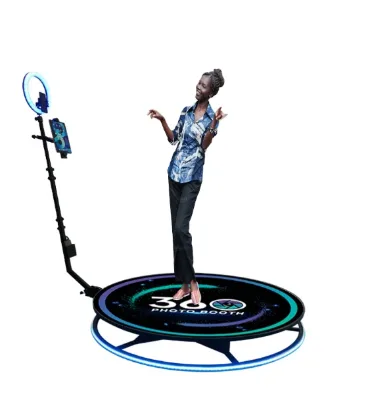
Compare 30 listings for the 360 Panoramic Overhead Shooting Photobooth featuring adjustable rotating stands, compatible with DSLR and smartphone cameras. Buyers can evaluate specifications like power input, material, and delivery times from verified suppliers.
Key considerations
Products List


360 Degree Spin Photobooth Wedding 360 Photo Booth with Camera Printer
$355.00 - $400.00
MOQ: 1 Pieces


Photobooth 360 Degree Slow Motion Photo Booth Automatic Video Booth Prix Videobooth
$538.00 - $677.00
MOQ: 1 Pieces


Wholesale 360 Photo Booth LED Enclosure Curved Booth Event Wall Photobooth Backdrop
$465.00 - $598.00
MOQ: 1 Pieces

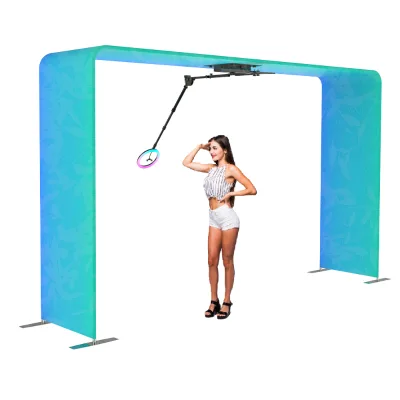
Overhead Mounted 360 Photo Booth with Height Adjustable Stand Dimmable Ring Light
$455.00 - $522.00
MOQ: 1 Pieces
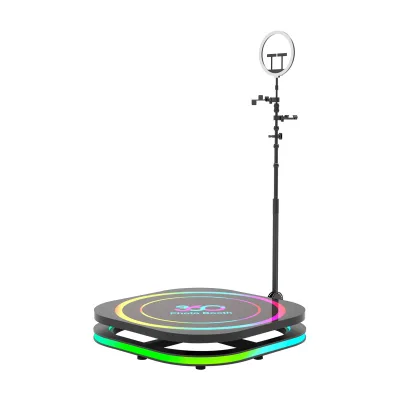
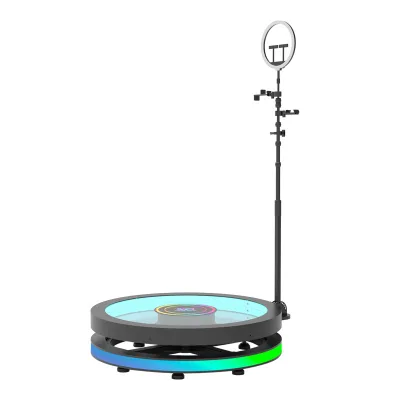
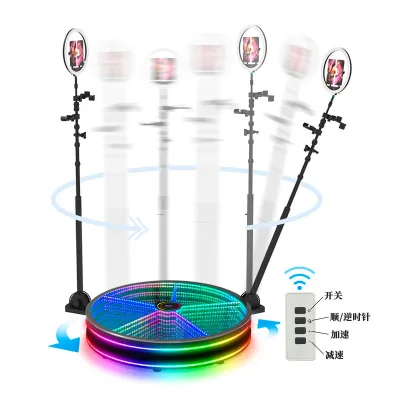

New 360 Video Photo Booth Rotating Automatic 360 Photobooth 360 Photo Booth
$165.00 - $499.00
MOQ: 1 Pieces


Photobooth Automatic 80cm 100cm 115cm Rotating 360 Camera Booth for Sale
$650.00 - $900.00
MOQ: 2 Pieces

Portable 360 Degree Camera Photo Booth Wedding Overhead Automatic Photo Booth
$650.00 - $900.00
MOQ: 2 Pieces

New Camera Photo Slow Motion Rotating Automatic Manual 360 Video Booth
$650.00 - $900.00
MOQ: 2 Pieces


Comprehensive Sourcing Guide
Strategic Sourcing Guide for 360 Panoramic Overhead Shooting Photobooths
The global demand for immersive visual content has elevated the 360 Panoramic Overhead Shooting Photobooth from a novelty attraction to a staple at corporate events, trade shows, and social gatherings. For B2B procurement professionals, sourcing these units requires a nuanced understanding of mechanical engineering, optical specifications, and supply chain logistics. The core keyword "360 Panoramic Overhead Shooting Photobooth" encompasses a diverse range of hardware configurations, from compact digital camera mounts to full-scale video production rigs. This guide synthesizes observed market data and technical attributes to provide a disciplined framework for evaluating potential suppliers and ensuring the acquisition of equipment that meets rigorous operational standards.
Technical Architecture and Optical Specifications
The foundational component of any overhead 360 system is the camera mounting and rotation mechanism. Based on observed product attributes, the industry standard for these units often involves a rotating stand with a specific angular range. Buyers should verify that the equipment offers a rotating stand angle between 30° and 150°, which allows for dynamic overhead shots while maintaining stability. The physical dimensions of the rotating arm are equally critical; observed specifications indicate a rotating stand length ranging from 95cm to 175cm. This variability suggests that procurement teams must select a model that fits the specific spatial constraints of their venue, whether it is a tight booth or a large exhibition hall.
The optical subsystem is another area requiring precise verification. The market data highlights the prevalence of wide-angle lenses and zoom lenses in these units, designed to capture a comprehensive field of view without distortion. A specific observation notes the availability of star filters with a caliber of 58mm, which can be used to create specific aesthetic effects for social media content. Furthermore, the camera lens hood type is typically cylindrical, designed to minimize glare from overhead lighting. The system must support a variety of input devices, including smartphones, GoPro cameras, and DSLR cameras. This versatility is often achieved through a universal mounting platform, though buyers should confirm the specific compatibility with their preferred camera brands. The input voltage for these units is generally standardized at 110-240V, ensuring global operability, while the power consumption is observed to be around 80W.
Mechanical Stability and Material Composition
The structural integrity of a 360 photobooth is paramount, as the unit must rotate smoothly while supporting the weight of the camera and any attached accessories. The primary material observed in high-quality units is aluminum, which offers an optimal balance of strength and portability. The tripod material is explicitly noted as aluminum in several product listings, indicating a preference for lightweight yet durable construction. The platform height is a critical dimension for user comfort and camera angle; observed data suggests a platform height of 19cm, which positions the camera at an effective overhead angle for standing subjects.
For environments requiring robust protection or specific branding, the enclosure type is a key differentiator. Some units feature a metal enclosure with a metal stand, which may include integrated remote control and emergency control functionalities. This heavy-duty construction is essential for high-traffic events where the equipment is subject to frequent handling. The installation method is typically vertical, requiring a stable floor surface. Buyers should also consider the flight case cost, which is observed at 100USD per set, a factor that must be included in the total cost of ownership for logistics planning. The size of the unit itself is often customizable, with some models offering a size range of 60-100cm, allowing for tailored solutions to specific spatial requirements.
Operational Features and Control Systems
Modern 360 photobooths are defined by their ease of operation and integration with digital workflows. The "Type" attribute frequently lists "With Remote Control," indicating that the rotation and capture functions can be managed wirelessly or via a handheld device. This feature is essential for event staff who need to initiate the spin sequence without physically touching the machine. The system is designed to be suitable for everyone, including women and general audiences, implying a user-friendly interface and safe operation radius.
The shooting tools supported by these units are diverse, explicitly listing compatibility with smartphones, GoPro cameras, and DSLR cameras. This flexibility allows event organizers to choose the camera based on their specific quality requirements and budget. The "Type" attribute also categorizes these units as "Tripods," highlighting their role as a stable base for overhead photography. The rotating stand angle of 30°-150° allows for dynamic movement, creating the signature "360 Spin" effect. Keywords such as "360 Photo Booth," "Overhead 360 Photo Booth," and "Camera 360 Photo Booth" are commonly used to describe these systems, but buyers should look beyond marketing terms to verify the actual mechanical capabilities. The inclusion of "Emergency Control" in the metal enclosure models suggests a safety feature that allows for immediate stopping of the rotation in case of obstruction or malfunction.
Cost Drivers and Procurement Economics
The pricing for 360 panoramic overhead shooting photobooths varies significantly based on customization, material quality, and included accessories. The observed listed price range in the market spans from 109 USD to 4700 USD. This wide disparity indicates that the lower end of the spectrum likely represents basic tripod-style units with minimal features, while the higher end includes fully enclosed, motorized systems with advanced remote controls and custom branding. The Minimum Order Quantity (MOQ) is observed to be as low as 1 piece, making these units accessible for single-event rentals or small-scale purchases. However, buyers should be aware that the MOQ can be "as Show," meaning it may vary depending on the specific model and customization requests.
Payment terms are a critical component of the procurement process. The standard payment method observed is Full Payment Before Shipping, which requires buyers to have sufficient liquidity or credit lines to cover the full cost upfront. Payment methods typically include T/T (Telegraphic Transfer), Paypal, and other options, providing flexibility for international transactions. The delivery cost is a significant variable, with flight cases costing an additional 100USD per set. This cost should be factored into the total budget, especially for international shipping. The delivery options include Sea, Express, Air, and Train, allowing buyers to choose a method that balances speed and cost. The sample delivery time is typically 5-7 days, while bulk delivery times range from 20-25 days. These lead times are essential for planning event schedules and ensuring the equipment arrives well in advance of the deployment date.
Supplier Evaluation and Compliance Verification
When evaluating suppliers for 360 photobooths, buyers must prioritize transparency regarding product origins and standards. The observed product origin is China, which is a major manufacturing hub for this type of equipment. Buyers should verify the specific production standards, which are often listed as "custom" or "As show," indicating that the units may be built to specific client requirements rather than a rigid universal standard. The product model numbers, such as ROX, E20240702, BS-013, WM20240702, and KR, suggest a variety of configurations available in the market.
Compliance and certification checks are vital, although specific certification data is not universally provided in the observed listings. Buyers should request documentation regarding electrical safety, particularly given the 110-240V input voltage requirement. The warranty period is observed to be 1 year, which is a standard benchmark for this category. After-sales services are typically provided via online support, meaning buyers should verify the responsiveness and language capabilities of the support team before finalizing a contract. The packing is often customizable or "as Show," which requires clear communication regarding packaging requirements to ensure safe transport. The accessory list often excludes certain items, so buyers must confirm exactly what is included in the box versus what must be purchased separately.
Quality Control and Long-Term Procurement Strategy
Ensuring the long-term reliability of 360 photobooths requires a robust quality control (QC) strategy. Buyers should conduct pre-shipment inspections to verify the mechanical integrity of the rotating stand, the stability of the aluminum tripod, and the functionality of the remote control system. The customizable nature of the product size and packing means that QC must be tailored to the specific order specifications. The "Features" attribute notes that the units are suitable for everyone, which implies a focus on safety and ease of use, but this should be validated through physical testing.
For long-term procurement, buyers should consider the scalability of the supplier. The ability to provide customizable models and packing solutions suggests that suppliers can adapt to changing event requirements. The availability of online support and a 1-year warranty provides a baseline for after-sales service, but buyers should negotiate extended support terms if the equipment will be used frequently. The "Compatible Brand: All" attribute indicates that the mounting systems are designed to be universal, reducing the risk of obsolescence as camera technology evolves. However, buyers should verify the specific lens focus type and filter caliber to ensure compatibility with future camera upgrades.
Comparative Analysis of Key Specifications
To assist in the decision-making process, the following table summarizes the key technical and logistical attributes observed in the market for 360 panoramic overhead shooting photobooths. This comparison highlights the variability in specifications and helps buyers identify the features that align with their specific operational needs.
| Attribute Category | Observed Specification Range | Critical Verification Point |
|---|---|---|
| Rotating Stand Length | 95cm - 175cm | Ensure fit for venue space |
| Platform Height | 19cm | Check user comfort and camera angle |
| Rotating Stand Angle | 30° - 150° | Verify dynamic range for desired shots |
| Lens Type | Wide-Angle, Zoom | Confirm compatibility with camera brand |
| Filter Caliber | 58mm | Check if filters are included or optional |
| Tripod Material | Aluminum | Assess weight vs. durability needs |
| Input Voltage | 110-240V | Verify local power compatibility |
| Power Consumption | 80W | Check electrical load requirements |
| Warranty Period | 1 Year | Confirm coverage terms and exclusions |
| Sample Delivery Time | 5-7 Days | Plan for prototyping and testing |
| Bulk Delivery Time | 20-25 Days | Align with event schedule |
| Flight Case Cost | 100USD/Set | Include in total logistics budget |
| MOQ | 1 Piece or as Show | Confirm minimum order flexibility |
| Payment Terms | Full Payment Before Shipping | Ensure cash flow readiness |
| Product Origin | China | Consider import duties and shipping |
Final Procurement Considerations
The acquisition of a 360 Panoramic Overhead Shooting Photobooth is a strategic investment that balances technical performance with logistical efficiency. Buyers must navigate a market characterized by significant variability in specifications, from the 58mm star filter caliber to the 110-240V input voltage. The observed data suggests that while the core functionality of rotating overhead capture is consistent, the implementation details—such as the aluminum tripod material, the 19cm platform height, and the 30°-150° rotating angle—vary by model.
Success in this procurement process depends on a disciplined approach to verifying these attributes against the specific requirements of the event or business use case. By focusing on the mechanical stability, optical compatibility, and supply chain reliability, buyers can secure equipment that delivers high-quality 360 content while minimizing operational risks. The customizable nature of the product, including packing and size, offers flexibility but requires clear communication with the supplier to ensure the final product meets all expectations. Ultimately, the goal is to source a unit that not only captures stunning visuals but also withstands the rigors of repeated use in diverse environments.
FAQs
What is the rotating stand angle range for these units?
The rotating stand angle ranges from 30 to 150 degrees. This dynamic range allows for versatile overhead shots while maintaining stability during the 360 spin sequence for various event types.
Can the system support different camera types like DSLR?
Yes, the system supports smartphones, GoPro cameras, and DSLR cameras. This universal compatibility ensures flexibility for event organizers to choose their preferred shooting device without additional adapters.
What is the minimum order quantity for a single unit?
The minimum order quantity is one piece or as shown in the listing. This low threshold allows buyers to purchase a single unit for testing or small-scale event rentals without bulk commitments.
How long does bulk delivery typically take for these booths?
Bulk delivery time ranges from 20 to 25 days. Buyers should plan their event schedules accordingly to ensure the equipment arrives well in advance of the deployment date.
What material is used for the tripod construction?
The tripod material is aluminum. This choice provides an optimal balance of strength and portability, ensuring the unit remains durable yet easy to transport for various venues.
Is the product origin located in China?
Yes, the product origin is China. This location is a major manufacturing hub for this equipment, offering a wide range of customizable models and configurations for international buyers.
What is the warranty period provided for these units?
The warranty period is one year. This standard benchmark covers potential defects, though buyers should verify the specific terms of online support and after-sales service coverage.