Source 360 Roller Coaster VR Simulator for Amusement Parks
Find and compare 30 listings for the 360 Roller Coaster VR Simulator, featuring models like the ZY-720PT-1VR and Star Twin Seat. Evaluate specifications such as power consumption, weight, and CE certification to select the right unit for indoor or outdoor amusement park installations.
Key considerations
Products List


Indoor Game Simulator Vr Amusement Park Equipment Entertainment Machine Sales
$19000.00 - $20000.00
MOQ: 1 Pieces


360 Rotating Vr Equipment 12D Roller Coaster Games Virtual Reality Simulator
$5599.00 - $5999.00
MOQ: 1 Pieces

360 Rotating Vr Equipment 9d Roller Coaster Games Virtual Reality Simulator
$5599.00 - $5999.00
MOQ: 1 Pieces

360 Rotating Vr Equipment 8d Roller Coaster Games Virtual Reality Simulator
$5599.00 - $5999.00
MOQ: 1 Pieces

360 Rotating Vr Equipment 10d Roller Coaster Games Virtual Reality Simulator
$5599.00 - $5999.00
MOQ: 1 Pieces


Indoor Playground Vr Game Machine 5D Roller Coaster Simulator Flying Simulator
$6400.00 - $6999.00
MOQ: 1 Sets
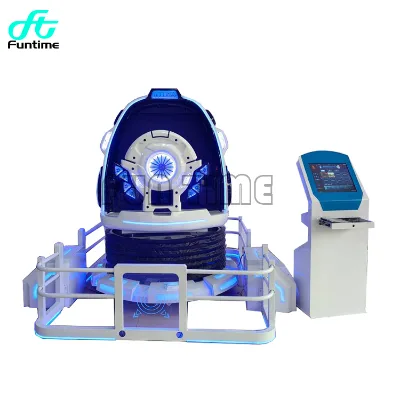


New Arrival 9d Vr Ride Cinema 360 Degree Roller Coaster Simulator Cinema 360 Rotation
$22000.00 - $24800.00
MOQ: 1 Sets


Comprehensive Sourcing Guide
360 Roller Coaster VR Simulator Sourcing Guide
Procuring a 360 Roller Coaster VR Simulator requires a nuanced understanding of the intersection between heavy industrial amusement machinery and delicate electronic entertainment systems. These units are not merely software-driven headsets but complex mechanical structures designed to simulate high-G forces and dynamic motion while immersing the user in a virtual environment. Buyers must recognize that the term "roller coaster" in this context often refers to the motion profile and visual experience rather than a traditional steel track ride, distinguishing it from large-scale outdoor coasters. The equipment is typically engineered for indoor or semi-outdoor commercial use, requiring careful site planning to accommodate its physical footprint and power demands.
The sourcing landscape for these simulators is characterized by a wide variance in technical specifications, pricing, and build quality. While the core concept remains consistent—providing a multi-sensory VR experience through motion platforms—the execution varies significantly between manufacturers. Some suppliers offer compact, single-seat units suitable for arcades or small entertainment centers, while others provide larger, multi-passenger configurations designed for amusement parks or large-scale venues. Understanding these distinctions is critical for aligning the procurement with your specific business model, whether it involves high-volume turnover in a limited space or a premium, immersive experience in a larger facility.
Product Scope and Observed Listing Signals
The current market for 360 VR simulators presents a diverse range of product types, from compact single-player stations to larger, multi-seat configurations. Observed listings indicate a price range of approximately $3,600 to $49,000 USD, reflecting the significant disparity in build quality, motion system complexity, and included software libraries. For instance, basic single-seat simulators with standard motion platforms may fall at the lower end of this spectrum, while advanced units featuring electric technology, comprehensive VR systems, and robust metal construction command higher prices. Buyers should note that the "360" designation often refers to the rotational capability of the motion seat, allowing for full immersion in virtual environments, but the actual mechanical range and speed can vary by model.
Key product attributes observed in the market include varying power consumption levels, with some units rated at 1.5kW while others require up to 3.8kW, impacting operational costs and electrical infrastructure requirements. The physical dimensions also differ substantially, with some compact models measuring around 1.87m x 1.22m x 2.04m, whereas larger units can exceed 4 meters in length and width. Weight is another critical factor, ranging from approximately 536kg for lighter steel constructions to over 1,500kg for heavier, more robust frames. These physical specifications directly influence shipping logistics, installation requirements, and the structural integrity of the venue floor, making them essential data points for initial supplier screening.
Technical Specifications to Verify
When evaluating technical specifications, the motion system and power requirements are paramount. Buyers must verify whether the simulator utilizes electric technology for its dynamic movement, as this affects the smoothness of the ride and the precision of the motion tracking. The rated load capacity is another crucial specification, with observed units supporting passengers up to 120kg or 100kg, depending on the model. It is essential to confirm the maximum capacity and ensure that the motion seats, which often feature 360-degree rotation, are rated for the intended user demographic, whether it be adults or children aged 3-18 years. Mismatching the user profile with the machine's capacity can lead to safety issues and reduced customer satisfaction.
The electrical and physical infrastructure requirements must be meticulously planned before purchase. Voltage specifications typically align with standard AC220V inputs, but power consumption can vary significantly, with some units requiring 2.6kW or even 1.2kW for specific operations. Buyers should also consider the net weight and load weight of the unit, as these factors determine the floor loading requirements and the need for reinforced flooring in some venues. Additionally, the packing method, often involving bubble film, stretch film, and plywood cases, impacts shipping costs and the risk of damage during transit. Verifying these details with the supplier ensures that the venue is adequately prepared for installation and operation.
Compliance and Safety Documentation
Safety and compliance are non-negotiable aspects of sourcing amusement equipment, particularly when dealing with motion simulators that involve rapid movement and immersive technology. Buyers must insist on comprehensive certification documentation, with CE marking being a common requirement for units intended for the European market and other regions with similar regulatory standards. The presence of ISO and TÜV certifications further indicates adherence to international quality and safety management systems, providing an additional layer of assurance regarding the manufacturing process and product reliability. It is crucial to verify that these certifications are current and applicable to the specific model being purchased, as they may not cover all variants or configurations.
Beyond certifications, the warranty and service terms are vital components of the safety and operational framework. Most suppliers offer a 12-month factory warranty, which should cover defects in materials and workmanship. However, buyers should also inquire about the availability of 24/7 online technical support, as immediate assistance can be critical in minimizing downtime in a commercial setting. The warranty should clearly define what is covered, including parts and labor, and whether it extends to the VR glasses and software components. Understanding these terms helps mitigate the risk of unexpected repair costs and ensures that the business can maintain continuous operations with minimal disruption.
Cost Drivers and Commercial Terms
The cost of a 360 VR simulator is influenced by several key factors, including the complexity of the motion system, the quality of the VR hardware, and the extent of customization options. Units with advanced electric technology, higher power ratings, and larger dimensions tend to be more expensive due to the increased material and engineering costs. Customization is a significant driver of price, as buyers may require specific color schemes, branding, or software integrations to align with their venue's theme. Suppliers that offer tailored solutions, such as custom VR games or 5D game libraries, may charge a premium for these services, which should be factored into the total cost of ownership.
Commercial terms, including minimum order quantities (MOQ) and payment structures, also play a crucial role in the procurement process. While many suppliers list an MOQ of one unit, indicating flexibility for individual buyers, larger orders may attract volume discounts. Buyers should negotiate clear terms regarding shipping, insurance, and installation support, as these can significantly impact the final cost. Additionally, the origin of the product, often Guangzhou for many VR simulator manufacturers, can affect shipping times and logistics costs. Understanding these commercial dynamics allows buyers to budget accurately and avoid hidden expenses that can erode profit margins.
Supplier Qualification and Quality Control
Selecting a reliable supplier is critical to ensuring the long-term success of the VR simulator investment. Buyers should prioritize suppliers with a proven track record in manufacturing amusement equipment, particularly those with experience in producing motion simulators and VR systems. Verification of the supplier's manufacturing capabilities, including their quality control processes and testing procedures, is essential to ensure that the product meets the specified standards. Suppliers that provide detailed product specifications, including dimensions, weight, and power requirements, demonstrate a level of transparency and professionalism that is indicative of a reliable partner.
Quality control should extend beyond the initial purchase to include ongoing support and maintenance. Buyers should inquire about the supplier's after-sales service, including the availability of spare parts and technical support. A supplier that offers comprehensive training for venue staff on operation and maintenance can significantly reduce the risk of operational errors and extend the lifespan of the equipment. Additionally, checking for customer reviews and references can provide valuable insights into the supplier's reliability and the performance of their products in real-world settings. Establishing a strong relationship with a qualified supplier ensures that the business receives consistent support and high-quality products.
Long-Term Procurement Checks
Long-term procurement success depends on the ability to adapt to technological advancements and changing market demands. VR technology evolves rapidly, and buyers should consider the ease of software updates and hardware upgrades when selecting a simulator. Suppliers that offer regular content updates and compatible hardware expansions provide a competitive advantage by keeping the entertainment experience fresh and engaging for customers. Buyers should also monitor the durability of the motion system and VR components, as these are the most prone to wear and tear in high-traffic environments.
Regular maintenance and inspection are essential to ensure the safety and performance of the simulator over time. Buyers should establish a routine maintenance schedule that includes checking the mechanical components, electrical connections, and software integrity. Training staff to perform basic troubleshooting and maintenance tasks can help identify potential issues before they become major problems. By proactively managing the lifecycle of the VR simulator, businesses can maximize their return on investment and maintain a high standard of customer satisfaction. Continuous evaluation of the equipment's performance and user feedback will guide future procurement decisions and ensure the venue remains competitive in the entertainment market.
FAQs
What is the power consumption of the 360 Roller Coaster VR Simulator?
The power consumption varies by model, ranging from 1.2kw to 3.8kw depending on the specific configuration. Some units operate at 1.5kw while others require up to 3.8kw to drive the electric technology and motion seats effectively.
Can the 360 Roller Coaster VR Simulator be customized for specific needs?
Yes, customization is available for this equipment to meet specific operational requirements. Buyers can request tailored solutions, though some listings also indicate non-customized options are available depending on the specific model selected.
What certifications does the 360 Roller Coaster VR Simulator hold?
The product holds CE, ISO, and TUV certifications to ensure safety and compliance. These standards verify that the equipment meets international requirements for amusement park rides and indoor or outdoor usage scenarios.
How much does the 360 Roller Coaster VR Simulator weigh?
The net weight varies significantly between models, ranging from 536kg to 1500kg. Heavier units like the Star Twin Seat Vr model weigh 1500kg, while smaller simulators may weigh as little as 536kg.
What is the warranty period for the 360 Roller Coaster VR Simulator?
A 12-month factory warranty is typically offered for this equipment. This coverage ensures support for the electric technology and motion seats, with 7*24hrs online service available for technical assistance during the warranty period.
Which age groups can use the 360 Roller Coaster VR Simulator?
The simulator is suitable for adults and children aged 3 to 18 years depending on the model. Specific units are designed for adult use, while others accommodate younger users with appropriate safety ratings and capacity limits.
What is the maximum load capacity of the 360 Roller Coaster VR Simulator?
The rated load capacity is generally 120kg per seat, with some models supporting up to 100kg total. This ensures safe operation for single players or small groups within the specified weight limits for the motion system.