Source 360 Rotation Press Furniture Lifter for glass, board, and moving
Find 30 listings for the 360 Rotation Press Furniture Lifter designed for glass lifting, board lifting, and general moving tasks. Buyers can compare specifications like load capacity, battery type, and cup quantity to select the right tool for their needs.
Key considerations
Products List
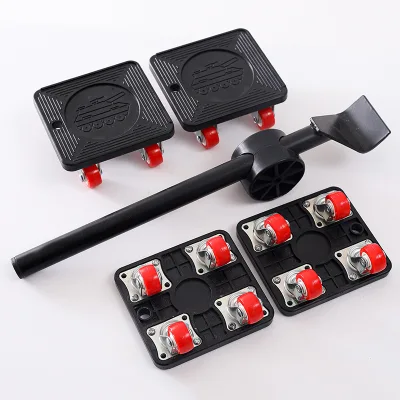

High Quality New Vacuum Lifter for Sandwich Panel 360 Degree Rotation Wood Vacuum Lifter
$699.00 - $1399.00
MOQ: 1 Pieces

High Quality 360 Degree Rotation Vacuum Lifter for Large Glass and Marble
$699.00 - $1499.00
MOQ: 1 Pieces


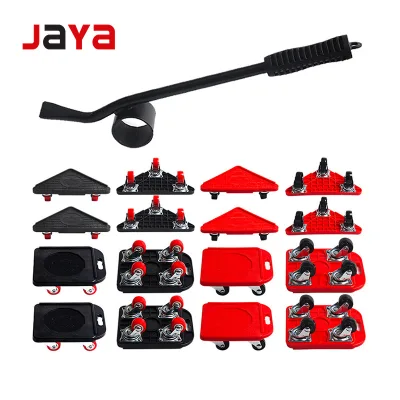
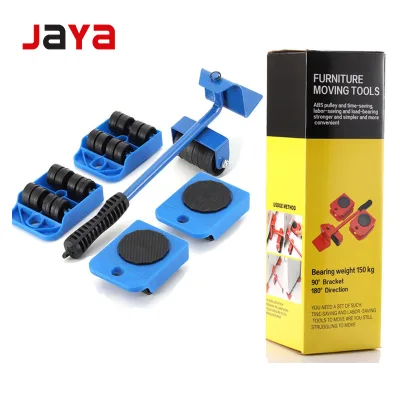


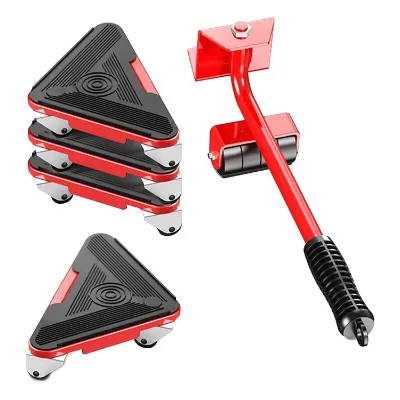

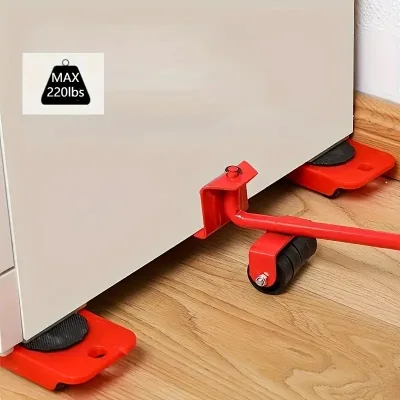
Heavy Duty Appliance Rollers Moving Furniture Lifter Tool Transport Shifter
$1.50 - $2.00
MOQ: 1000 Pieces
Comprehensive Sourcing Guide
Strategic Sourcing Guide for 360 Rotation Press Furniture Lifters
Understanding the Core Product Category and Technical Architecture
The procurement of a 360 Rotation Press Furniture Lifter requires a precise understanding of the equipment's mechanical architecture and its specific application within the glass and furniture moving sectors. Based on the available product data, these devices are engineered primarily for the lifting and installation of heavy glass panels and large board structures. The core functionality relies on a hydraulic system powered by a battery, specifically noted as a 12V DC battery configuration, which may include maintenance-free units such as 2x12V/120ah setups to ensure sustained operation during demanding tasks.
The defining characteristic of this equipment is its rotational capability. The product specifications explicitly confirm a 360-degree manual rotation feature, allowing operators to maneuver heavy loads with significant flexibility. This rotation is often paired with a tilt function, with observed data indicating a 90-degree tilt capability. This combination of rotation and tilt is critical for positioning glass or furniture in tight spaces where linear movement is restricted. The lifting mechanism utilizes suction cups, with variations observed in the market including models with four cups and others with six cups. The size of these suction caps is a critical variable, with specific data points noting a 300mm diameter for standard configurations and optional square sponge suckers measuring 400*250mm for specialized applications.
The structural integrity of the lifter is maintained through a steel construction, ensuring durability under high-load conditions. The system is designed to handle a wide range of weights, with observed loading capacities ranging from 400kg to 1200kg depending on the specific model configuration. For instance, certain models are rated for a load capacity of 600kg, while others in the same category support up to 1200kg. The maximum lifting height observed in the technical data reaches 3880mm, providing substantial vertical clearance for installing large glass panels or heavy furniture components. The device typically features a smart driving handle equipped with forward and back control knobs, a belly switch, and a horn button to enhance operator safety and control during the lifting process.
Compliance, Safety Standards, and Certification Verification
When sourcing heavy lifting equipment, verifying compliance with safety standards is paramount, although specific certification claims must be treated with caution in the absence of direct supplier documentation. The provided data references a standard range of 400-1200KG, which likely refers to the operational load capacity rather than a formal safety certification standard like ISO. While some background information mentions ISO 27001, this is an information security management standard and is generally not applicable to the mechanical safety of a furniture lifter. Buyers must not assume that the presence of this keyword implies the product has passed mechanical safety audits.
Instead of relying on unverified certification claims, procurement teams should focus on verifying the presence of specific safety components mentioned in the product specifications. The data highlights a "High Performance Pump Station&Oil Tank" that includes an anti-explosion valve and an over-flow valve. These components are essential for preventing hydraulic system failures under pressure. Additionally, the system incorporates a "Smart Pneumatic Control" featuring a dual circuit vacuum system with a check valve. This redundancy is a critical safety feature designed to maintain suction even if one circuit fails, preventing the accidental dropping of the load.
Buyers should request explicit documentation from suppliers regarding the electrical safety of the battery system, particularly since the power source is a 12V DC battery. While the data confirms the battery type, it does not specify compliance with international electrical safety standards (such as IEC or UL). Therefore, the procurement process must include a requirement for the supplier to provide test reports or certification marks relevant to the electrical components and the hydraulic system. The absence of a specific, universally recognized mechanical safety standard in the provided text means that the buyer must define the required safety protocols in the purchase order, ensuring the supplier adheres to local regulations in the destination country.
Cost Drivers and Pricing Structure Analysis
The pricing for 360 rotation press furniture lifters is influenced by several distinct factors, creating a wide variance in the observed market range of 1.2 to 200,000 USD. This broad spectrum suggests that the product category encompasses both simple manual tools and complex, fully automated hydraulic systems. The lower end of the price range likely corresponds to basic manual lifters or those with minimal customization, while the higher end reflects advanced models with features such as remote control options, larger lifting capacities, and specialized suction cup configurations.
A primary cost driver is the customization level. The product data indicates that customization is available, including options for a customized logo and specific color schemes such as red+black or yellow. OEM (Original Equipment Manufacturer) services are also welcomed, which implies that buyers can request branding and specific design modifications. These customizations typically incur additional costs and may affect the Minimum Order Quantity (MOQ). The observed MOQ range spans from 1 to 1000 units, suggesting that single-item purchases are possible for certain configurations, while bulk orders may be required for highly customized or industrial-grade models.
Another significant factor influencing cost is the battery and power system. Models equipped with maintenance-free batteries, such as the 2x12V/120ah configuration, will likely command a higher price than those with standard battery setups. The inclusion of advanced features like a remote control, which is listed as optional, also adds to the unit cost. Furthermore, the packaging requirements play a role in the final price. The data notes both "box packing" and "wooden box" options. Wooden box packaging is generally more expensive and is typically required for heavy-duty equipment to ensure safe transport, adding to the overall landed cost.
Typical Applications and Operational Scenarios
The primary application for these 360 rotation press furniture lifters is the moving and installation of glass and large boards. The product specifications explicitly list "Glass Lifting and Board Lifting" as the usage, and the application field is defined as "Glass Moving and Installing." This makes the equipment indispensable for construction sites, furniture manufacturing facilities, and interior design projects where heavy glass panels must be maneuvered into place. The ability to tilt 90 degrees and rotate 360 degrees allows operators to lift glass from a horizontal position and rotate it into a vertical installation position without the need for additional cranes or complex rigging.
The versatility of the device extends to various user types, as the data indicates the product is suitable for "All" users. This suggests that the equipment is designed to be user-friendly, potentially reducing the need for highly specialized labor. The inclusion of a smart driving handle with specific controls like a belly switch and horn button indicates that the equipment is designed for environments where operator safety and clear communication are essential, such as busy construction sites or warehouses.
The specific model numbers, such as BGL-SC and BGL-400X, suggest different configurations tailored to specific load requirements. The BGL-400X, for instance, may be optimized for the 400kg capacity range, while other models support up to 1200kg. This variety allows buyers to select a lifter that matches the specific weight of the materials they handle, ensuring efficiency and safety. The optional sponge sucker (Square 400*250mm) further expands the application scope, allowing for the handling of delicate or irregularly shaped glass surfaces that might be damaged by standard suction cups.
Supplier Evaluation and Vendor Selection Criteria
Selecting the right supplier for a 360 Rotation Press Furniture Lifter requires a rigorous evaluation process that goes beyond the basic product listing. The data indicates that the place of origin for these products is Jiangsu, China, a region known for its manufacturing capabilities. However, buyers should not rely solely on the location as a proxy for quality. Instead, the evaluation should focus on the supplier's ability to meet specific customization and quality requirements.
Key criteria for supplier evaluation include the availability of samples. The product data confirms that samples are available, which is a crucial step for buyers to verify the build quality, suction strength, and maneuverability of the equipment before committing to a bulk order. Buyers should request samples of the specific model they intend to purchase to test the 360-degree rotation and 90-degree tilt functions in real-world conditions.
Another critical factor is the supplier's response to customization requests. The data shows that OEM services and customized logos are welcome. A reliable supplier should demonstrate flexibility in accommodating these requests without compromising the structural integrity of the steel frame or the hydraulic system. Buyers should also verify the supplier's capacity to handle different packaging requirements, from standard box packing to wooden boxes, depending on the shipping destination and the fragility of the equipment.
The "Advantage: with store" attribute suggests that some suppliers may have physical retail locations or showrooms. While this is not a definitive indicator of quality, it can be a positive sign for after-sales support and the ability to inspect the product physically. However, buyers should prioritize suppliers who can provide comprehensive technical documentation, including detailed schematics of the hydraulic system and battery specifications, over those who only offer basic product listings.
Quality Control and Long-Term Procurement Considerations
Ensuring the long-term reliability of a 360 Rotation Press Furniture Lifter requires a robust quality control strategy. The product specifications highlight several features that contribute to durability, such as the steel material and the high-performance pump station with anti-explosion and over-flow valves. However, these features must be verified through rigorous testing protocols. Buyers should insist on quality control measures that include load testing at the maximum rated capacity (e.g., 1200kg) to ensure the hydraulic system and suction cups perform safely under stress.
Maintenance is another critical consideration. The data mentions a "Maintenance-Free Battery," which is a significant advantage for long-term procurement as it reduces the frequency of battery replacements. However, buyers should still inquire about the maintenance schedule for the hydraulic system, including oil changes and seal inspections. The dual circuit vacuum system with a check valve is a sophisticated feature that should be tested for reliability over time to ensure that the system does not degrade in performance.
For long-term procurement, buyers should consider the availability of spare parts. The product data lists specific components such as the front wheels (310*100mm) and various suction cup sizes. Ensuring that the supplier can provide these parts in the future is essential for minimizing downtime. Additionally, the customization options, such as the logo and color, should be durable and resistant to wear and tear, especially if the equipment is used in harsh environments.
Finally, buyers should establish clear communication channels with the supplier for technical support. The inclusion of a remote control option and smart driving handles indicates a level of complexity that may require specialized training or support. A supplier that offers comprehensive training materials and responsive technical support will add significant value to the procurement process, ensuring that the equipment is used correctly and safely throughout its lifecycle. By focusing on these quality control and long-term considerations, buyers can secure a reliable supply of 360 rotation press furniture lifters that meet their operational needs.
FAQs
What is the maximum load capacity for this lifter?
The maximum load capacity ranges from 400kg to 1200kg depending on the specific model configuration. Some units are rated for 600kg while others support up to 1200kg, ensuring suitability for various heavy glass and board lifting tasks.
Can the lifter rotate and tilt for precise positioning?
Yes, the device features 360-degree manual rotation and a 90-degree tilt function. This combination allows operators to maneuver heavy loads flexibly and position glass panels vertically without needing additional cranes or complex rigging.
Which power system drives the hydraulic lifting mechanism?
The system is powered by a 12V DC battery, with options for maintenance-free configurations like 2x12V/120ah units. This battery setup ensures sustained operation during demanding lifting and installation tasks in various environments.
How many suction cups are included in the standard setup?
Standard configurations typically include either four or six suction cups depending on the model. Optional square sponge suckers measuring 400*250mm are also available for handling delicate or irregularly shaped glass surfaces safely.
What safety features are integrated into the pump station?
The high-performance pump station includes an anti-explosion valve and an over-flow valve for safety. Additionally, a smart pneumatic control system with a dual circuit vacuum system and check valve prevents accidental load drops.
Is customization available for branding and product specifications?
Yes, customization is available including customized logos and specific color schemes like red+black or yellow. OEM services are welcomed, allowing buyers to request branding and design modifications while maintaining structural integrity.