Source 360 Ring Focus HIF Machine for Salon, Home, and Spa
Find and compare 30 listings for the 360 Ring Focus HIF Machine designed for skin lifting and tightening. Buyers can evaluate features like voltage, treatment areas, and certifications from suppliers in China.
Key considerations
Products List



Comprehensive Sourcing Guide
Strategic Sourcing Guide for 360 Ring Focus HIF Machines
Understanding the Core Technology and Application Scope
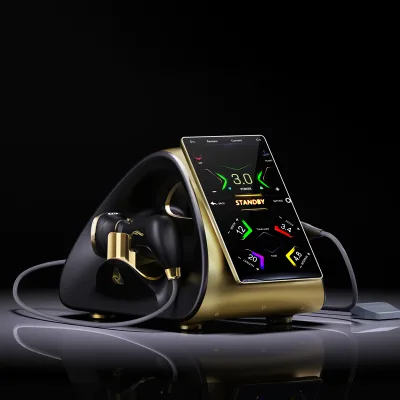
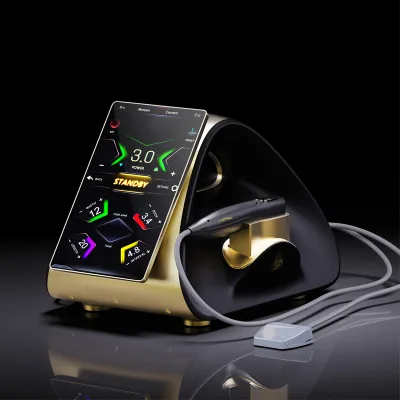
The term "360 Ring Focus HIF Machine" refers to advanced aesthetic devices utilizing High Intensity Focused Ultrasound (HIFU) technology designed for non-invasive skin tightening and lifting. In the context of B2B procurement, understanding the distinction between various HIFU modalities is critical. The supplied data indicates that the core energy type for these devices is explicitly HIFU, which targets deep tissue layers to stimulate collagen production. Unlike traditional RF (Radio Frequency) devices, which rely on electrical resistance to generate heat, HIFU focuses acoustic energy at specific depths to create thermal coagulation points without damaging the epidermis.
These machines are primarily categorized as Multi-Functional Beauty Equipment, suitable for both Salon and Home applications, though professional-grade units are often optimized for high-volume salon environments. The treatment area covers both the Face and Body, addressing concerns such as Anti-Puffiness, Deep Cleansing, and Skin Tightening. A key feature observed in the market data is the claim of "No Any Pain" during operation, which is a significant selling point for client retention in aesthetic clinics. However, buyers must verify that such comfort claims are backed by specific cooling mechanisms or energy modulation technologies in the specific unit being sourced, as pain perception can vary based on individual skin sensitivity and the specific focus depth of the transducer.
Technical Specifications and Operational Parameters
When evaluating a 360 Ring Focus HIF Machine, buyers must scrutinize the technical specifications to ensure the device meets the demands of a professional setting. The supplied facts highlight several critical operational parameters. The voltage requirement is listed as AC110V-220V 50~60Hz, indicating a universal power supply capability that allows for international deployment without the need for heavy-duty transformers. This is essential for suppliers and buyers operating in regions with varying grid standards.
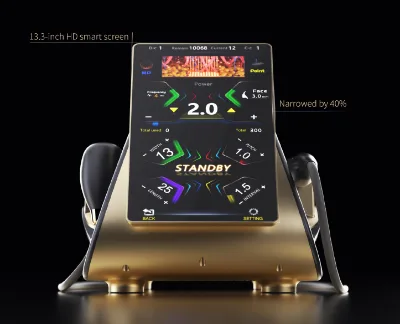
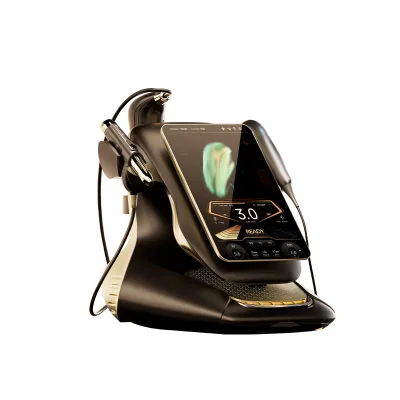
The device housing is typically constructed from ABS material, chosen for its durability and lightweight properties, with a gross weight often around 12kg. This weight suggests a balance between portability and stability; however, conflicting data in the source material lists the device as both "Portable" and "Non Portable." This discrepancy requires immediate clarification from the supplier. A truly portable unit should be easily transportable for mobile aesthetic services, whereas a non-portable unit is designed for fixed installation in a clinic. The display interface is frequently a 14-inch Touch Screen, providing an intuitive user experience for operators to adjust energy levels and treatment protocols.
The energy output is a crucial metric for efficacy. The data specifies an output voltage range of 10-200W, which defines the power density the machine can deliver. For HIFU applications, the focus is on the precision of the energy delivery rather than just raw wattage. The treatment result claims in the source material suggest that "One Time Can Keep 5 Years at Least," a performance claim that buyers should approach with caution and verify through independent clinical data or supplier-provided case studies. The device may also feature multiple handles, with some configurations offering 2 Handles to facilitate simultaneous treatment of different areas or to switch between HIFU and other modalities like RF.
Compliance, Certification, and Regulatory Standards
Navigating the regulatory landscape is perhaps the most critical aspect of sourcing medical-grade aesthetic equipment. The supplied product facts list a variety of certifications, including CE, Sfda, Prc Import & Export License, Cfda, and FDA. These acronyms represent different regulatory bodies: CE for the European Economic Area, FDA for the United States, and Cfda/Sfda for China.
A procurement strategy must ensure that the specific model ordered holds the valid certification required for the target market. For instance, a unit intended for sale in the US must possess a valid FDA clearance, while a unit for the EU must carry the CE mark. The data also mentions "Prc Import & Export License," which is a specific requirement for Chinese manufacturers exporting goods. Buyers should verify that the supplier holds a valid Prc Import & Export License to ensure the legality of the transaction and the ability to clear customs.
Furthermore, the standard listed as "ce" or "Standard" in the source material is insufficient for a formal procurement contract. Buyers must request the specific certificate numbers and the issuing authority's details. The presence of a "5A" fuse is a safety feature, but it does not replace the need for comprehensive electrical safety certifications like IEC 60601-1 for medical electrical equipment. It is imperative to confirm that the "360 ring focus" technology has been tested against relevant electromagnetic compatibility (EMC) standards to prevent interference with other medical devices in a clinical setting.
Cost Drivers and Pricing Structure Analysis
The observed listed price range for these devices in the market spans from 1 to 40,000 USD. This wide variance is driven by several factors, including the complexity of the transducer technology, the brand reputation, the included warranty, and the level of after-sales support. A unit priced at the lower end of this spectrum may be a basic model with fewer energy levels or a shorter warranty, while a unit at the higher end likely includes advanced features such as AI-driven treatment planning, extended warranty periods, and comprehensive training packages.
The Minimum Order Quantity (MOQ) is observed to range from 1 to 100 units. This flexibility allows small clinics to purchase a single unit for testing, while larger distributors or chains can leverage bulk ordering to negotiate better pricing. The "OEM&ODM" capability listed in the data suggests that suppliers are willing to customize branding and design, which can impact the final cost. Customization often involves a setup fee and a higher per-unit cost due to the specialized production run.
Buyers should also consider the cost of consumables. While the machine itself is a capital expenditure, the longevity of the device often depends on the availability and cost of replacement cartridges or probes. The data mentions "Cartridge Shots" ranging from 10,000 to 20,000 shots per piece. The cost per shot is a hidden cost driver that can significantly affect the total cost of ownership. A machine with a lower upfront cost but a high cost per shot may be less economical in the long run compared to a more expensive machine with a higher shot capacity and lower consumable costs.
Supplier Evaluation and Quality Assurance
Selecting the right supplier requires a rigorous evaluation process beyond just checking the price. The data indicates that the products originate from locations such as Guangdong and Beijing, China. While these are known manufacturing hubs, the specific factory's capability must be verified. Buyers should request a factory audit report or a video tour to assess the production line, quality control processes, and the skill level of the engineering team.
The warranty terms provided in the data vary, with some listings offering "1 Year" and others promising "Technology Supports Forever." These claims should be scrutinized. A "1 Year" warranty is standard, but "Forever" support often implies a limited scope, such as software updates or technical advice, rather than hardware replacement. Buyers must clarify the exact terms of the warranty, including what is covered (parts, labor, shipping) and the response time for repairs.
Quality control is another vital area. The data mentions "Professional Design and Production" as a feature. Buyers should ask for evidence of this, such as ISO 9001 certification or specific quality control checklists used during the manufacturing process. The packaging is described as "Export Carton Box," "Aluminium Alloy Case," or "Foam and Aluminum Alloy Case." The choice of packaging reflects the supplier's attention to protecting the device during transit. A robust aluminum alloy case is preferable for portable units to prevent damage during shipping and handling.
Typical Applications and Treatment Protocols
The 360 Ring Focus HIF Machine is designed for a variety of aesthetic applications. The primary treatment area includes the Face and Body, addressing issues like skin laxity, wrinkles, and puffiness. The "360 ring focus" technology likely allows for a more uniform energy distribution compared to single-point focus systems, potentially reducing treatment time and improving patient comfort.
The device may also integrate other technologies, such as RF (Radio Frequency), as indicated by the "Theory: RF" attribute in some listings. This multi-functional approach allows the machine to perform deep cleansing and skin tightening simultaneously. The "14 Inch Touch Screen" facilitates the selection of different treatment protocols, allowing operators to customize the energy depth and intensity based on the patient's skin type and treatment goals.
For the treatment result to be effective, the operator must be trained in the specific protocols of the machine. The data claims that results can last "5 Years at Least," but this is highly dependent on the patient's age, lifestyle, and adherence to post-treatment care. Buyers should ensure that the supplier provides comprehensive training materials, including video tutorials and user manuals, to ensure that their staff can operate the machine safely and effectively.
Long-Term Procurement and Maintenance Considerations
Sourcing a 360 Ring Focus HIF Machine is not a one-time transaction but the beginning of a long-term partnership. Buyers must consider the long-term maintenance and support requirements. The "Warranty: 1 Year, Technology Supports Forever" claim suggests a commitment to ongoing support, but the specifics must be defined in the contract. This includes the availability of spare parts, the cost of service visits, and the timeline for software updates.
The "OEM&ODM" capability also implies that the supplier can adapt the machine to future market trends or regulatory changes. This flexibility is valuable for buyers who plan to expand their product line or enter new markets. Additionally, the "Customization: Available" attribute allows buyers to brand the machine with their own logo, which is essential for building a distinct brand identity in the competitive beauty market.
Finally, buyers should establish a clear communication channel with the supplier for technical support. The "Technology Supports Forever" claim should be backed by a dedicated support team that is responsive to inquiries and capable of troubleshooting issues remotely or on-site. Regular maintenance checks and software updates are essential to keep the machine operating at peak performance and to ensure compliance with evolving safety standards. By focusing on these long-term considerations, buyers can ensure a successful and sustainable procurement strategy for their aesthetic equipment needs.
FAQs
What certifications does the 360 Ring Focus HIF Machine have?
The device holds CE, FDA, Cfda, and Sfda certifications along with a Prc Import and Export License. Buyers must verify that the specific model ordered matches the certification required for their target market before purchase.
Can the 360 Ring Focus HIF Machine be used at home?
Some listings indicate the machine is suitable for both salon and home applications. However, other data points classify it as non-portable, so buyers should confirm the portability status and intended use case with the supplier.
How many shots does the cartridge provide for this machine?
The cartridge shots range from 10,000 to 20,000 shots per piece depending on the specific model. This capacity determines the long-term cost per treatment and should be factored into the total cost of ownership calculation.
What is the voltage requirement for the 360 Ring Focus HIF Machine?
The device operates on AC110V-220V 50~60Hz, allowing for universal power supply usage. This feature supports international deployment without the need for heavy-duty transformers in regions with varying grid standards.
Which treatment areas does the machine cover for skin tightening?
The machine treats both the face and body to address skin laxity and wrinkles. It utilizes HIFU technology to stimulate collagen production while offering features like anti-puffiness and deep cleansing for comprehensive aesthetic results.
What is the warranty period for the 360 Ring Focus HIF Machine?
Standard warranty terms include a 1-year coverage period with technology support claims. Buyers should clarify if the forever support claim covers hardware replacement or only software updates and technical advice.
Can the 360 Ring Focus HIF Machine be customized for branding?
OEM and ODM services are available for professional design and production customization. This allows buyers to brand the machine with their own logo, though it may involve setup fees and higher per-unit costs.