Source 360 Rotated Ophthalmic Trial Frame for Optometry Clinics
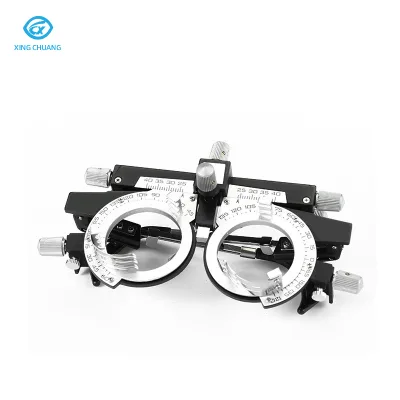
Compare 30 listings for the 360 Rotated Ophthalmic Trial Frame designed for eye clinics and research labs. These ergonomic frames feature adjustable PD ranges and multi-lens slots to support precise vision examinations.
Key considerations
Products List


Adjustable Eye Testing Testing Optical Device Ophthalmology Trial Frame
$80.00 - $150.00
MOQ: 1 Pieces


Titanium Multifunction Ophthalmic Optometry Equipment Optical Trial Lens Frame
$172.00 - $196.00
MOQ: 2 Pieces


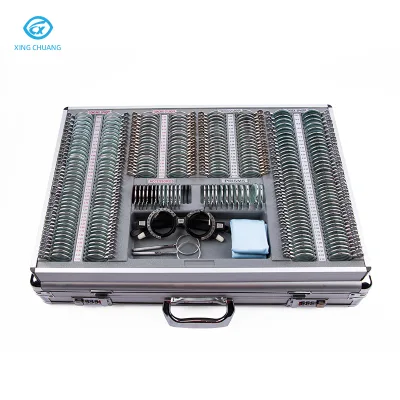
Professional China Ophthalmic Optometry Equipment Optical Trial Lens Case
$550.00 - $600.00
MOQ: 10 pair


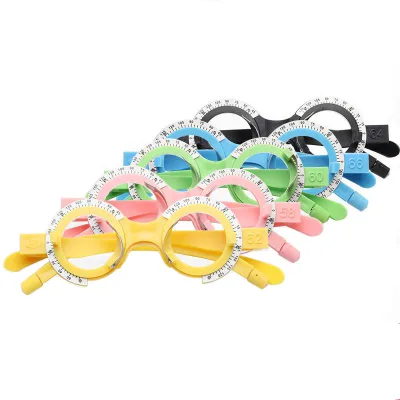
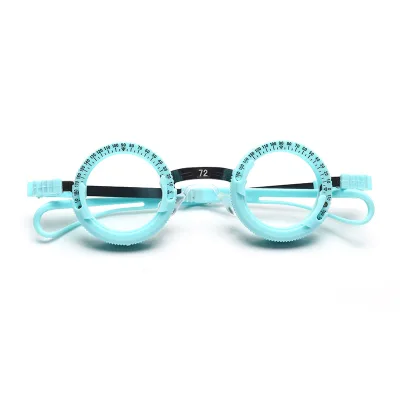
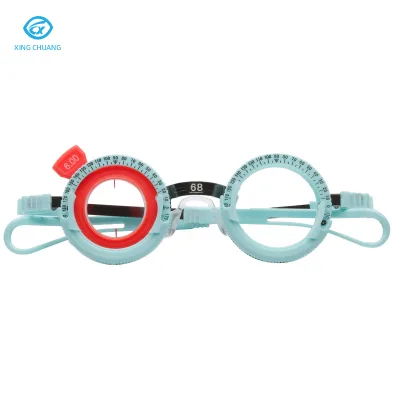
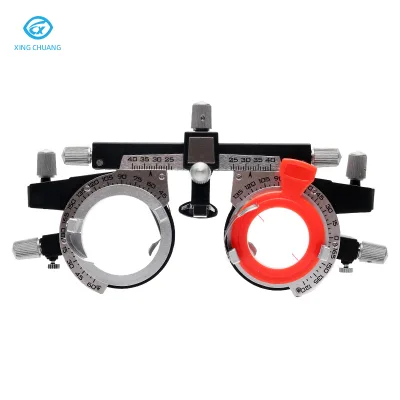

Comprehensive Sourcing Guide
Strategic Sourcing Guide for 360 Rotated Ophthalmic Trial Frames
Understanding the Core Product and Technical Architecture
The 360 Rotated Ophthalmic Trial Frame represents a specialized category within optometric and ophthalmic instrumentation, designed primarily for precise vision examination and refractive assessment. Unlike standard trial frames that offer limited adjustability, this specific configuration allows for the rotation of lens slots around a 360-degree axis. This mechanical capability is critical for evaluating complex refractive errors, particularly in cases involving astigmatism where the axis of the corrective lens must be aligned with exact precision. The product is fundamentally classified under physiological functions of diagnosis and monitoring equipment, serving as a bridge between manual eye testing and advanced vision analysis.
From a structural perspective, the frame is typically constructed using high-grade materials to ensure durability and patient comfort during extended examinations. The supplied data indicates that the shell material is often metal, with specific variants utilizing lightweight titanium or stainless steel. Titanium is particularly noted for its superior strength-to-weight ratio, contributing to a product weight as low as 60 grams or 0.1 kg, which significantly reduces fatigue for both the patient and the optometrist. The design philosophy emphasizes ergonomics, portability, and comfort, ensuring that the frame can be securely positioned on the face without causing pressure points.
The optical interface is defined by the lens slot configuration. While standard frames may offer fewer slots, the 360-degree rotation models often feature a multi-lens support system. Specific configurations observed include frames with 4 slots in the front and 2 behind, or systems supporting up to 6 slots. This arrangement allows for the simultaneous insertion of multiple trial lenses, facilitating rapid changes in diopter and axis during a clinical trial. The maximum distance between the left and right sides is typically adjustable up to 200mm, accommodating a wide range of facial structures. Furthermore, the adjustable range for pupillary distance (PD) is a critical specification, with observed ranges spanning from 40mm to 80mm, or more specifically 48mm to 80mm, ensuring compatibility with diverse patient demographics, including middle-aged and older groups.
Compliance, Certification, and Regulatory Standards
In the medical device sector, particularly for ophthalmic instruments used in clinical settings, regulatory compliance is not merely a formality but a prerequisite for market entry and operational safety. When sourcing 360 rotated ophthalmic trial frames, buyers must rigorously verify that the products adhere to recognized international standards. The supplied context highlights that compliant products often carry certifications such as CE, ISO, and FDA. These certifications indicate that the manufacturer has met specific requirements regarding quality management systems, safety, and performance.
The "CE" marking signifies conformity with health, safety, and environmental protection standards for products sold within the European Economic Area. The "FDA" designation implies that the device has been evaluated or registered with the U.S. Food and Drug Administration, a crucial requirement for distribution in the American market. Additionally, ISO standards, such as those referenced in the context (e.g., ISO, ISOCE), suggest adherence to international quality management protocols. It is important to note that while the context mentions "ISOCE" as a certification string, buyers should verify the specific ISO standard number (e.g., ISO 13485 for medical devices) rather than assuming a generic compliance status.
Buyers must also scrutinize the "prod_standard" field, which in some contexts refers to physical dimensions (e.g., 30x20x20 cm for packaging) rather than regulatory standards. Distinguishing between physical specifications and regulatory compliance is essential to avoid confusion. The origin of the product is predominantly China, with specific mentions of Jiangsu as a manufacturing hub. While the country of origin is a logistical fact, the actual regulatory compliance depends on the specific factory's quality control systems and their ability to maintain consistent adherence to the cited standards. Buyers should request valid, up-to-date certification documents directly from the supplier to confirm that the specific batch of trial frames being purchased is covered under the claimed certifications.
Cost Drivers and Pricing Dynamics
The pricing structure for 360 rotated ophthalmic trial frames is influenced by a complex interplay of material costs, manufacturing complexity, and certification overheads. The observed price range for these products spans from $1 to $600 USD, a variance that reflects the significant differences in build quality, material composition, and feature sets. At the lower end of the spectrum, products may utilize standard stainless steel and offer basic adjustability, whereas the higher-end models likely incorporate lightweight titanium, advanced ergonomic designs, and precision-engineered 360-degree rotation mechanisms.
Material selection is a primary cost driver. Titanium frames, while offering superior weight reduction and corrosion resistance, incur higher raw material and processing costs compared to stainless steel alternatives. The complexity of the mechanical design also impacts the price. A frame capable of 360-degree lens rotation with adjustable temple tilt and length requires more intricate machining and assembly processes than a static frame. Additionally, the inclusion of a trial lens set or a specialized carrying case can significantly alter the final unit cost.
The Minimum Order Quantity (MOQ) is another critical factor in procurement planning. The observed MOQ range for these products is between 1 and 20 units. This flexibility allows small clinics to purchase single units for immediate needs, while larger distributors or hospital chains can leverage bulk ordering to negotiate better terms. However, buyers should be aware that lower MOQs often correlate with higher per-unit costs due to the lack of economies of scale. Conversely, ordering at the higher end of the MOQ range may unlock volume discounts, though this requires careful inventory management to avoid overstocking.
Customization is a significant variable in the cost structure. The product attributes indicate that customization is available, with OEM (Original Equipment Manufacturer) support offered. Customizing the frame with specific branding, unique color schemes, or tailored dimensions will inevitably increase the unit price and potentially extend the lead time. Buyers must balance the desire for customization against the budget constraints and the urgency of their procurement timeline.
Typical Applications and Clinical Utility
The 360 Rotated Ophthalmic Trial Frame is an indispensable tool in various clinical environments, primarily serving the needs of optometrists, ophthalmologists, and eye clinic staff. Its primary application lies in the field of optometry and ophthalmology, where it is used for manual eye testing and comprehensive vision examinations. The ability to rotate lenses 360 degrees is particularly valuable in diagnosing and correcting astigmatism, as it allows the clinician to precisely align the cylindrical axis of the trial lens with the patient's eye.
Beyond astigmatism, these frames are essential for general refractive error assessment. The adjustable PD range and universal size features make them suitable for a broad demographic, including children, adults, and the elderly. The "Middle-aged and Old" classification suggests that the design accounts for the specific facial changes and comfort requirements of older patients, who may have more sensitive skin or require more stable frame positioning. The ergonomic design ensures that the frame remains comfortable during prolonged use, which is common in complex diagnostic sessions.
In a scientific research context, these trial frames facilitate the study of visual acuity and refractive dynamics. Researchers can use the multi-lens support system to test various combinations of lenses and axes, gathering data on how different optical configurations affect patient vision. The compatibility with trial lens sets and trial cases further enhances their utility, allowing for a seamless workflow where lenses can be easily swapped and stored. The instrument type is broadly categorized as ophthalmic instrument and optical equipment, underscoring its role as a fundamental piece of hardware in any eye care facility.
Supplier Evaluation and Quality Assurance
Selecting the right supplier for 360 rotated ophthalmic trial frames requires a thorough evaluation of their manufacturing capabilities, quality control processes, and track record. Given the medical nature of the product, buyers should prioritize suppliers who demonstrate a commitment to quality and regulatory compliance. The presence of certifications like CE, ISO, and FDA is a strong indicator of a supplier's adherence to international standards, but these should be verified through direct documentation rather than assumed based on product listings.
Quality control should be a central component of the supplier evaluation process. Buyers should inquire about the supplier's internal testing procedures, including checks for material integrity, mechanical stability of the 360-degree rotation mechanism, and the accuracy of the adjustable PD range. The frame's weight, typically around 60g or 0.1kg, should be consistent across batches to ensure uniform patient experience. Any deviation in weight or dimensions could indicate quality control issues that might affect the product's performance and safety.
Packaging is another aspect of supplier evaluation that impacts product integrity. The supplied data mentions packaging options such as individually plastic cases, gift boxes, and cartons. Proper packaging is essential to prevent damage during transit, especially for delicate optical instruments. Buyers should ensure that the packaging is robust enough to protect the frame from impact, moisture, and dust. The "Individually Plastic Case and Gift Box" option suggests a higher level of care in packaging, which may be preferable for premium products or gift-oriented sales channels.
When evaluating suppliers, buyers should also consider their customization capabilities. The availability of OEM support indicates that the supplier is willing to collaborate on product development, which can be beneficial for buyers looking to brand the frames or modify specific features. However, this requires clear communication and detailed specifications to ensure that the final product meets the buyer's expectations.
Long-Term Procurement and Operational Considerations
Sourcing 360 rotated ophthalmic trial frames is not just a one-time transaction but a long-term partnership that impacts the operational efficiency of the eye care facility. Buyers must consider the long-term availability of spare parts, such as replacement lenses, screws, or temple tips, to ensure the frames remain functional over time. The "Trial Frame Series" designation suggests that the product is part of a broader ecosystem of compatible accessories, which simplifies maintenance and upgrades.
Lead time and supply chain reliability are critical factors in long-term procurement. While the specific lead times are not provided in the context, buyers should establish clear expectations with the supplier regarding production schedules and delivery timelines. Delays in receiving trial frames can disrupt clinical operations, so having a reliable supply chain is essential. Buyers should also consider the potential for future customization needs, such as updating the frame design or adding new features, and ensure that the supplier has the capacity to accommodate these changes.
Environmental and sustainability considerations are increasingly important in the medical device industry. Buyers should inquire about the recyclability of the materials used, particularly the metal components, and the sustainability of the packaging. The use of lightweight titanium and stainless steel offers durability, which can reduce the frequency of replacement and minimize waste. Additionally, the "Carton Packaging" option should be evaluated for its environmental impact, with a preference for recyclable or biodegradable materials where possible.
Finally, buyers should plan for the training and integration of the new trial frames into their clinical workflow. The 360-degree rotation feature and adjustable mechanisms require proper training for staff to utilize effectively. Ensuring that the supplier provides adequate training materials or support can enhance the adoption rate and maximize the clinical benefits of the equipment. By addressing these long-term considerations, buyers can secure a sustainable and efficient procurement strategy for 360 rotated ophthalmic trial frames.
Comparative Analysis of Product Variants
To assist buyers in making informed decisions, the following table compares key attributes of the observed trial frame variants based on the supplied data. This comparison highlights the differences in model numbers, materials, and specific features to aid in selection.
| Feature | Variant A (ANJ-TF) | Variant B (EM-FRM) | Variant C (EM-TRM) | Variant D (EM-TFM) |
|---|---|---|---|---|
| Model Number | ANJ-TF | EM-FRM | EM-TRM | EM-TFM |
| Primary Material | Titanium | Lightweight Titanium, Stainless Steel | Not Specified | Not Specified |
| Weight | 60g | 0.1kg | Not Specified | Not Specified |
| Lens Slots | 5 Slots | 4 Front, 2 Behind | 6 Slots | Not Specified |
| Rotation | 360 Degrees | Not Specified | Not Specified | Not Specified |
| PD Range | 48mm-80mm | 40-80 mm | Not Specified | Not Specified |
| Certifications | FDA, ISO, CE | CE, ISO, FDA | Not Specified | Not Specified |
| Origin | China | Jiangsu, China | Not Specified | Not Specified |
| Packing | Carton | Carton Packaging | Not Specified | Not Specified |
This table illustrates that while all variants share common origins and certifications, they differ in specific material compositions and lens slot configurations. Buyers should select the variant that best aligns with their specific clinical needs, balancing the need for lightweight materials with the required number of lens slots for their diagnostic protocols. The consistent presence of certifications across variants suggests a baseline level of quality, but the specific mechanical features should guide the final selection.
FAQs
Can I find 360 rotated ophthalmic trial frames with titanium frames?
Yes, lightweight titanium frames are available for these instruments to ensure durability and patient comfort. Some models also feature stainless steel options and weigh as little as 60 grams or 0.1 kg for extended use.
What certifications do these ophthalmic trial frames typically hold?
Compliant products often carry CE, ISO, and FDA certifications to meet international safety and quality standards. Buyers should verify specific documentation to ensure the batch meets the required regulatory protocols for medical devices.
Which adjustable range is standard for pupillary distance on these frames?
The standard adjustable pupillary distance range spans from 40 to 80 mm or 48 to 80 mm to fit diverse facial structures. This universal sizing accommodates various patient demographics including middle-aged and older groups effectively.
How many lens slots do these 360 rotated frames usually support?
These frames typically support multiple lens slots, with configurations ranging from 4 slots in the front and 2 behind to systems with up to 6 slots total. This design facilitates rapid changes in diopter and axis during clinical trials.
Can I request OEM customization for these ophthalmic instruments?
Yes, OEM customization support is available for branding and specific feature modifications. Buyers should note that custom orders may impact the unit price and potentially extend the lead time compared to standard stock items.
What is the typical minimum order quantity for these trial frames?
The minimum order quantity typically ranges from 1 to 20 units, allowing flexibility for small clinics or large distributors. Lower quantities often carry higher per-unit costs, while bulk orders may unlock volume discounts.
Where are these 360 rotated ophthalmic trial frames manufactured?
These instruments are predominantly manufactured in China, with specific production hubs located in Jiangsu. The origin is a logistical fact, but regulatory compliance depends on the specific factory's quality control systems and certifications.