Source 3D Signage Printer for Industrial, Card, and Label Uses
Find 30 verified listings for the 3D Signage Printer featuring FDM and SLA technologies with dual extruders and auto leveling. Compare specifications like nozzle diameter, print speed, and heated bed options from Chinese manufacturers offering customized industrial solutions.
Key considerations
Products List

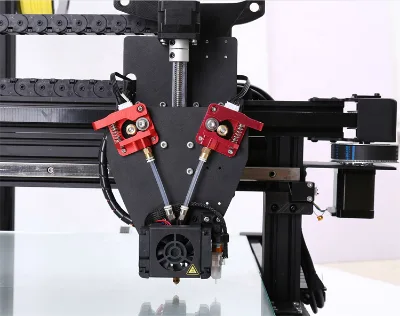
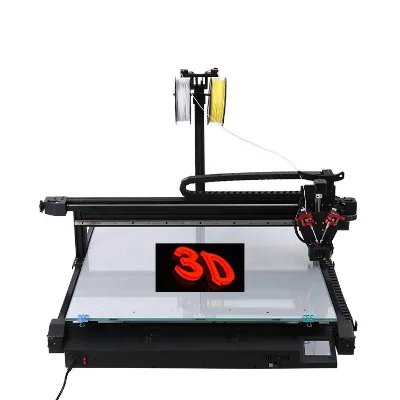
Commercial 3D Sign Printer Dimensional 3D Letter Illuminated Logo Printer 3D Machine
$439.00 - $558.00
MOQ: 20 Pieces


Comprehensive Sourcing Guide
Strategic Sourcing Guide for 3D Signage Printers
Understanding the Core Technology and Forming Processes
When sourcing a 3D Signage Printer, the first critical step is distinguishing between the underlying forming technologies available in the market. The procurement landscape for these machines is not monolithic; it encompasses a variety of processes ranging from Fused Deposition Modeling (FDM) to Stereolithography (SLA) and Selective Laser Sintering (SLS). For signage applications specifically, the FDM and 3DP (3D Printing) categories often dominate due to their ability to produce large-format, durable, and texturally complex signage elements.
The technical specifications provided in current market listings highlight a distinct focus on FDM-based systems. These machines typically utilize a heated bed and dual extruder configurations to manage multiple materials or colors simultaneously. The presence of features such as auto-leveling and filament detection suggests a maturity in the technology aimed at reducing operator error during long print cycles. When evaluating a potential supplier, buyers must verify the specific forming technology claimed. While some listings mention "3DP" broadly, the detailed specifications regarding nozzle temperatures (200-270℃) and hot bed temperatures (0-70℃) are characteristic of thermoplastic extrusion processes.
It is essential to note that the market also includes machines categorized under "Gravure," "Letterpress," and "Screen print machine" within the same product families. This indicates a hybrid capability where a single supplier may offer 3D printing hardware alongside traditional 2D printing solutions. For a buyer specifically seeking a "3D Signage Printer," the focus must remain on the additive manufacturing capabilities. The "Letter 3D printer" designation found in product data suggests a specialized niche where the machine is optimized for creating three-dimensional lettering, often used for architectural signage or retail displays. Buyers should confirm that the machine's forming technology aligns with the desired output depth and material properties, rather than assuming all listed "printer" categories offer the same 3D capabilities.
Technical Specifications and Performance Metrics
The technical performance of a 3D Signage Printer is defined by a combination of speed, precision, and build volume. Based on observed market data, printing speeds for these industrial units typically range from 30mm/s to 100mm/s, with many models operating in the 40mm/s to 80mm/s range. This variance is critical for procurement planning; a higher speed is advantageous for short-run, high-volume signage production, while lower speeds may be necessary for high-detail, fine-feature work.
Build volume is another decisive factor. Specifications indicate print sizes such as 800x800x80mm, which is suitable for medium-sized signage components. However, other models list dimensions like 1150x1020x500mm, suggesting a capacity for larger, more expansive signage pieces. The nozzle diameter is a key specification that directly impacts resolution and material flow. Common offerings include 0.2mm, 0.3mm, and 0.4mm nozzles, with some industrial models offering optional larger diameters like 0.8mm and 1.0mm for rapid prototyping or thick-layer printing. The choice of nozzle diameter should be dictated by the required surface finish of the signage; finer nozzles produce smoother surfaces but take longer, while larger nozzles expedite production for bold, block-letter signage.
Connectivity and control systems are equally important for modern signage production. Most units feature WiFi connectivity, allowing for remote monitoring and file transfer. The operating systems are typically compatible with Windows, and the precision is often cited in the range of 500-700 microns. While this precision is adequate for many signage applications, buyers should verify if this meets the tolerance requirements of their specific end-use cases. The power supply requirements, often around 360W, and voltage standards of 220V, must be checked against the electrical infrastructure of the buyer's facility. Additionally, the weight of the machine, observed at approximately 80kg for certain models, influences shipping logistics and floor load requirements.
Material Compatibility and Operational Requirements
The versatility of a 3D Signage Printer is largely determined by its material compatibility. The primary supporting materials identified in the market are PLA (Polylactic Acid) and PMMA (Polymethyl Methacrylate). PLA is a biodegradable thermoplastic widely used for its ease of printing and low odor, making it suitable for indoor signage. PMMA, often known as acrylic, offers superior durability and weather resistance, which is essential for outdoor signage applications. The material diameter is standardized at 1.75mm for most filament-based systems, which simplifies the supply chain for consumables.
Temperature management is a critical operational parameter. The nozzle temperature range of 200-270℃ is standard for processing PLA and similar thermoplastics. The hot bed temperature, ranging from 0-70℃, ensures proper adhesion of the first layer, which is vital for preventing warping in large signage prints. Buyers must also consider the "Automatic Grade" of the machine. Listings indicate "Automatic" capabilities, suggesting features like auto-leveling and filament detection that reduce the need for constant manual intervention. This automation is particularly valuable in a signage production environment where consistency across multiple units is required.
The condition of the equipment is another specification to verify. Most available units are listed as "New," but buyers should confirm the state of the machine, especially if considering refurbished options. The "Two Colors" capability mentioned in some product attributes suggests the ability to print multi-colored signage directly, eliminating the need for post-production painting or assembly. This feature can significantly reduce labor costs and lead times for complex signage designs.
Cost Drivers and Commercial Terms
The cost structure of 3D signage printers is influenced by several variables, including the forming technology, build volume, and the level of automation. The observed price range in the market is vast, spanning from $3 to $40,000. This wide disparity reflects the difference between entry-level desktop units and high-end industrial systems capable of large-format printing. The lower end of the spectrum likely corresponds to smaller, single-extruder machines, while the higher end includes multi-axis, dual-extruder systems with advanced features like RFID and touch screens.
Minimum Order Quantity (MOQ) is another commercial factor. The market data shows an MOQ range of 1 to 20 units. This flexibility allows buyers to start with a single unit for testing or small-batch production without being forced into a large inventory commitment. However, buyers should be aware that larger orders may unlock better pricing tiers or more favorable shipping terms.
Payment and delivery terms are standardized in many listings. The "Price Term" is frequently listed as FOB (Free on Board) or Ex Work, meaning the buyer is responsible for freight and insurance costs once the goods leave the factory. The lead time is typically around 30-45 days after the deposit is received. This timeline should be factored into the overall project schedule, especially for time-sensitive signage projects. Additionally, the "Small Orders: Accepted" attribute indicates that suppliers are generally willing to accommodate smaller procurement volumes, which is beneficial for startups or businesses testing new product lines.
Supplier Evaluation and Quality Assurance
Evaluating suppliers for 3D signage printers requires a rigorous approach to quality assurance and service capability. The origin of the products is predominantly China, with specific manufacturing hubs in Guangdong. While this region is a major manufacturing center, buyers must verify the specific factory capabilities and quality control processes. The "Brand Name" varies, with "Success rain" and "Hengrong" appearing in the data, but buyers should not rely solely on brand recognition. Instead, they should focus on the supplier's ability to provide comprehensive after-sales support.
Key service offerings to verify include "Design and Engineering," "Sheet Metal Fabrication," and "Electronical Assembly." These services indicate that the supplier can assist with customizing the machine or integrating it into a larger production line. The availability of "System Integration" is particularly important for facilities looking to automate their signage workflow. Furthermore, the "Warranty" period is a critical metric; a standard 1-year warranty is observed, but buyers should negotiate terms that cover critical components like the extruder and heated bed.
Quality control should extend beyond the initial purchase. Buyers should request documentation regarding the "Customized" nature of the product standards. Since the product standard is listed as "Customized," each machine may have unique specifications. It is imperative to obtain a detailed bill of materials and a functional test report before shipment. The "Packing" method, whether "Half-Assembled" or "Assembled," also impacts the setup time and risk of damage during transit. Fully assembled units may require less on-site labor but carry a higher risk of shipping damage, whereas half-assembled units allow for more careful packing but require skilled technicians for final setup.
Long-Term Procurement and Application Strategy
The long-term viability of a 3D Signage Printer investment depends on its application fit and the availability of ongoing support. The primary applications identified include "Card Printer," "Label Printer," and "3D Letter Printer." For businesses focused on architectural signage, the "3D Letter Printer" capability is the most relevant. The ability to print in materials like PMMA and PLA ensures that the signage can meet both aesthetic and durability requirements.
Procurement strategy should also consider the "Additional Services" offered by the supplier, such as "System Integration." As signage technology evolves, the ability to upgrade the machine's software or hardware becomes crucial. Buyers should inquire about the availability of firmware updates and spare parts. The "Model Number" variations, such as HR-60, HR-80, and HR-120, suggest a modular approach where different models cater to different production volumes. Selecting a model that can scale with the business is essential to avoid premature obsolescence.
Finally, the "Condition" of the machine and the "Color & Page" options should align with the brand identity of the end client. The "Two Colors" feature allows for direct printing of multi-colored signage, which can be a significant competitive advantage. However, buyers must ensure that the color accuracy and consistency meet industry standards. By carefully analyzing the technical specifications, commercial terms, and supplier capabilities, buyers can make informed decisions that ensure the 3D Signage Printer delivers value over its entire lifecycle. The goal is to secure a machine that not only meets current production needs but also offers the flexibility to adapt to future market demands.
FAQs
What forming technologies are used for 3D Signage Printer machines?
The machines primarily use FDM and 3DP forming technologies for signage applications. Some listings also include traditional methods like Gravure and Letterpress, but the 3D capabilities rely on thermoplastic extrusion with heated beds and dual extruders.
Which nozzle diameters are available for 3D Signage Printer models?
Nozzle diameters typically range from 0.2mm to 0.4mm for high detail. Industrial models often offer optional larger sizes like 0.8mm and 1.0mm for rapid printing of thick layers and bold lettering in signage production.
How fast can a 3D Signage Printer print at standard settings?
Printing speeds generally range from 30mm/s to 100mm/s depending on the model. Most industrial units operate between 40mm/s and 80mm/s, balancing production volume with the required surface finish for signage components.
Can I order small quantities of 3D Signage Printer equipment?
Yes, small orders are accepted with a minimum order quantity as low as one unit. This flexibility allows buyers to test a single machine before committing to larger batches, with an MOQ range extending up to 20 units.
What materials are compatible with 3D Signage Printer extruders?
The printers support materials such as PLA and PMMA for various signage needs. Filament diameter is standardized at 1.75mm, with nozzle temperatures reaching up to 270℃ to ensure proper melting and adhesion during the printing process.
How long is the lead time for 3D Signage Printer delivery?
The standard lead time is approximately 30 to 45 days after the deposit is received. This timeline applies to most suppliers in Guangdong, China, and should be factored into your project scheduling for new equipment.
Which locations are the primary manufacturing hubs for 3D Signage Printer?
The primary manufacturing origin is Guangdong, China, where most factories are located. Buyers should verify specific factory details as the region is a major hub for producing these industrial additive manufacturing machines.