Source Rechargeable Portable Solar Camping Lamp for Outdoor, Emergency, and Home Use
Explore 30 listings of rechargeable portable solar camping lamps with features like LED light sources, built-in lithium batteries, and solar charging options. Buyers can compare specifications including luminous flux, runtime, and IP ratings to find suitable options for outdoor, emergency, and home applications.
Key considerations
Products List


Cordless Camping Light with Table Lamp Rechargeable LED Portable Lamp
$12.00 - $13.00
MOQ: 3000 Pieces


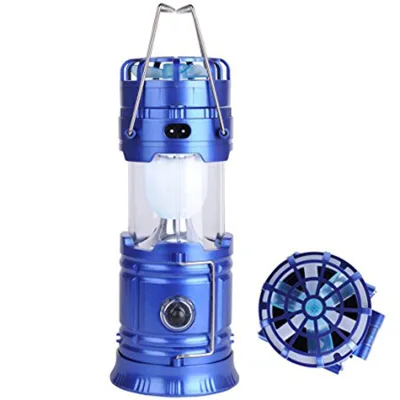


Comprehensive Sourcing Guide
Strategic Sourcing Guide for Rechargeable Portable Solar Camping Lamps
The global demand for reliable, off-grid lighting solutions has surged, driven by the growing popularity of outdoor recreation and the need for emergency preparedness. For B2B buyers, the category of rechargeable portable solar camping lamps presents a complex landscape of technical variations, compliance requirements, and supply chain dynamics. Sourcing these products requires a disciplined approach that moves beyond superficial marketing claims to verify actual performance capabilities, material integrity, and regulatory adherence. This guide outlines the critical factors procurement professionals must evaluate to secure high-quality inventory that meets specific market needs while mitigating supply chain risks.
Technical Specifications and Performance Verification
When evaluating rechargeable portable solar camping lamps, the first step is a rigorous analysis of technical specifications. The core functionality relies on the interplay between the light source, battery capacity, and solar charging efficiency. Buyers must distinguish between products designed for high-intensity illumination and those intended for ambient or emergency lighting.
The light source is almost universally LED, offering longevity and energy efficiency. However, the luminous flux varies significantly across different models. Some units offer a dual-mode operation, providing a high light output of approximately 360 lumens for active tasks and a low light setting of 100 lumens for extended runtime or ambient use. The light range is another critical metric; effective camping lamps typically project light between 10 to 30 meters, ensuring visibility without excessive glare.
Battery technology is the heart of the rechargeable aspect. While some units utilize built-in lithium batteries with specific configurations, such as 2x18650 cells with a capacity of 2400 mAh, others may feature smaller capacities like 500 mAh. The voltage requirements also differ, with some systems operating on 3.7-4.2V while others are designed for 5V inputs. Runtime is a direct function of battery capacity and usage mode. Observed working times can range from 4 hours to over 15 hours depending on the light mode selected.
Solar charging capabilities are equally variable. The solar panel type, often mono-crystalline for higher efficiency, dictates charging speed. Buyers should verify the stated charging time, which can be around 7 hours under optimal sunlight conditions. The physical dimensions of the lamp and the solar panel assembly are also essential for logistics planning. Dimensions can vary from compact units around 140x125x100mm to larger, expanded units reaching 365x340x190mm. The expanded length of collapsible models, such as those reaching 23.9cm, is a key feature for portability.
Compliance and Certification Standards
Navigating the regulatory landscape is non-negotiable for international trade. Rechargeable electronic devices, particularly those containing lithium batteries and solar components, are subject to strict safety and environmental regulations. The most common certifications observed in this sector include CE (Conformité Européenne) and RoHS (Restriction of Hazardous Substances). These certifications indicate that the product meets European safety, health, and environmental protection requirements.
The IP Rating (Ingress Protection) is a vital specification for camping equipment exposed to the elements. An IP54 rating, for instance, suggests protection against dust and water splashes from any direction, making the lamp suitable for light rain and dusty campsite environments. Buyers must verify the specific IP rating claimed by the supplier, as this directly impacts the product's durability and suitability for different weather conditions.
Additionally, the housing material plays a role in compliance and safety. High-grade plastics, ABS (Acrylonitrile Butadiene Styrene), and stainless steel are frequently used to ensure the lamp is durable and resistant to impact. The material composition must be verified to ensure it does not contain hazardous substances prohibited by RoHS standards. While some products may claim specific standards like "picture size" or "other" for packaging dimensions, buyers should focus on verifiable physical standards and safety certifications rather than vague descriptors.
Cost Drivers and Pricing Dynamics
The pricing of rechargeable portable solar camping lamps is influenced by several key factors, including battery capacity, material quality, and feature complexity. The observed price range for these products can vary widely, from as low as $1 to over $37.85 USD. This disparity often reflects differences in the internal components and build quality.
Products with higher battery capacities, such as those with 2400 mAh configurations, typically command higher prices due to the cost of the lithium cells. Similarly, lamps featuring advanced materials like stainless steel or high-grade ABS plastic will be more expensive than those using standard plastic housings. The inclusion of additional features, such as built-in fans or collapsible designs, also adds to the manufacturing cost.
The Minimum Order Quantity (MOQ) is another significant cost driver. MOQs in this category can range from as low as 1 unit to as high as 3000 units. Lower MOQs offer flexibility for startups or small retailers but may result in a higher unit cost. Conversely, larger orders often benefit from economies of scale, reducing the per-unit price. Buyers must balance their inventory needs with their budget constraints, considering that higher volume orders might require a longer lead time and a larger upfront capital investment.
Typical Applications and Market Segmentation
Understanding the intended application is crucial for selecting the right product for the target market. Rechargeable solar camping lamps are primarily designed for outdoor activities, including camping, hiking, and emergency lighting. The versatility of these products allows them to be used in various settings, from remote wilderness areas to home emergency kits.
The "Lighting Modes" and "Applicable Places" are key indicators of market fit. Many lamps are marketed specifically for camping, with features like lantern modes that provide 360-degree illumination. Some models are designed for broader use, suitable for outdoor camping, home emergencies, and even as portable work lights. The "Type" of lamp, such as "Handed Type" or collapsible designs, further defines its utility. For instance, collapsible lamps with expanded lengths are ideal for users who prioritize portability and compact storage.
The color temperature of the light source, often "Cool White," affects the user experience. Cool white light is generally preferred for tasks requiring high visibility, while warmer tones might be used for ambient lighting. Buyers should align the product's lighting characteristics with the specific needs of their customer base, whether it is for serious outdoor enthusiasts or general consumers seeking emergency backup.
Supplier Evaluation and Sourcing Strategy
Selecting the right supplier is a critical step in the procurement process. Buyers should prioritize suppliers who provide transparent information about their manufacturing capabilities and quality control processes. The "Place of Origin" is a common data point, with many suppliers located in regions like Guangdong, China, known for their electronics manufacturing expertise.
When evaluating suppliers, buyers should look for those who offer customization options, even if the standard product is non-customized. The availability of customization can be a significant differentiator, allowing buyers to brand the product or modify specific features to meet unique market demands. However, it is essential to verify the extent of customization available, as some suppliers may only offer minor changes while others provide full OEM/ODM services.
The "Brand Name" and "Model Number" are also important identifiers. Established brands or specific model numbers like "CXW-1679" or "TL18" can indicate a level of product consistency and reliability. Buyers should request detailed product datasheets and verify that the specifications listed match the physical product. It is also advisable to check for any past performance issues or negative feedback regarding the supplier's delivery times or product quality.
Quality Control and Long-Term Procurement Considerations
Ensuring consistent quality is paramount for maintaining customer satisfaction and brand reputation. Buyers should implement a robust quality control (QC) process that includes pre-shipment inspections and random sampling. Key areas to inspect include the integrity of the solar panel, the functionality of the battery, and the durability of the housing material.
The "Runtime/Working Time" and "Charging Time" should be verified under controlled conditions to ensure they meet the claimed specifications. Discrepancies in these metrics can lead to customer complaints and returns. Additionally, the "Switch Type," such as a push-button switch, should be tested for reliability and ease of use.
Long-term procurement considerations involve building a sustainable relationship with the supplier. Buyers should negotiate clear terms regarding lead times, payment conditions, and after-sales support. The "prod_packing" method, whether "Carton," "Color Box," or "Carton Box," affects the shipping cost and product protection. Ensuring that the packaging is robust enough to withstand international shipping is essential to prevent damage during transit.
Finally, buyers should stay informed about market trends and technological advancements in the solar lighting sector. As technology evolves, new features and efficiencies may emerge, offering opportunities to differentiate products in a competitive market. By maintaining a proactive approach to sourcing and quality control, buyers can secure a steady supply of high-quality rechargeable portable solar camping lamps that meet the evolving needs of their customers.
Summary of Key Product Attributes
To facilitate quick reference during the sourcing process, the following table summarizes the key attributes observed in the market for rechargeable portable solar camping lamps. This data serves as a benchmark for evaluating potential suppliers and products.
| Attribute Category | Specific Details Observed |
|---|---|
| Light Source | LED (High Power), Emitting Color: White, Cool White |
| Luminous Flux | High Light: 360 Lm, Low Light: 100 Lm |
| Battery Type | Built-in Lithium Battery (2x18650, 2400 mAh) or 500mAh |
| Voltage | 3.7-4.2V or 5V |
| Solar Panel | Mono Crystalline |
| Charging Time | Around 7 Hours |
| Working Time | 4 Hours to 15 Hours (varies by model) |
| IP Rating | IP54 or unspecified |
| Materials | ABS, High-grade Plastic, Stainless Steel |
| Certifications | CE, RoHS |
| Dimensions | 140x125x100mm to 365x340x190mm |
| Packaging | Carton, Color Box, Carton Box |
| Origin | China (Guangdong) |
| Customization | Available or Non-Customized |
By adhering to these guidelines and leveraging the provided data, buyers can make informed decisions that align with their strategic objectives and ensure the delivery of high-quality products to their end consumers.
FAQs
What battery capacity do these lamps typically use?
These lamps typically use built-in lithium batteries with capacities ranging from 500 mAh to 2400 mAh. Some models feature two 18650 cells totaling 2400 mAh, while others operate with smaller 500 mAh units to balance portability and runtime.
How long does the solar charging process take?
The solar charging process generally takes around 7 hours under optimal sunlight conditions. This duration depends on the efficiency of the mono-crystalline solar panel and the ambient light intensity available during the charging period.
Which certifications are common for these camping lamps?
Common certifications include CE and RoHS, ensuring compliance with European safety and environmental standards. These certifications verify that the product meets strict regulations regarding hazardous substances and electrical safety for international trade.
Can the lamps be customized for specific branding needs?
Customization is available for some models, while others are sold as non-customized standard units. Buyers should verify the specific supplier's capability to offer branding or feature modifications before placing a bulk order.
What is the typical working time for these lamps?
The working time varies between 4 hours and 15 hours depending on the selected lighting mode. High light settings provide shorter durations around 4 to 6 hours, while low light modes can extend usage up to 15 hours.
How does the IP rating affect outdoor durability?
An IP54 rating indicates protection against dust and water splashes, making the lamp suitable for light rain. This rating ensures the device remains functional in typical camping environments without suffering immediate water damage.
What materials are used for the lamp housing?
Housing materials typically include high-grade plastic, ABS, and sometimes stainless steel for added durability. These materials are selected to ensure the lamp is impact-resistant and suitable for rugged outdoor use.