Source 4 Axis Beginner RC Airplane for training, hobbies, and events
Compare 30 available options for the 4 Axis Beginner RC Airplane to find suitable models for training, hobby flying, and events. Buyers can review specifications like flight duration, battery type, and control channels to select the right product.
Key considerations
Products List


Realistic Controls and Flight Dynamics 9d Virtual Reality Airplane for Commercia
$10000.00 - $10100.00
MOQ: 1 Pieces

Wholesale Kids R/C Airplane Children Remote Control Plane Toy Plane Plastic Toy
$9.60 - $10.60
MOQ: 60 Pieces




Comprehensive Sourcing Guide
Strategic Sourcing Guide for 4-Axis Beginner RC Airplanes
Understanding the Technical Landscape of Entry-Level Remote Control Aircraft
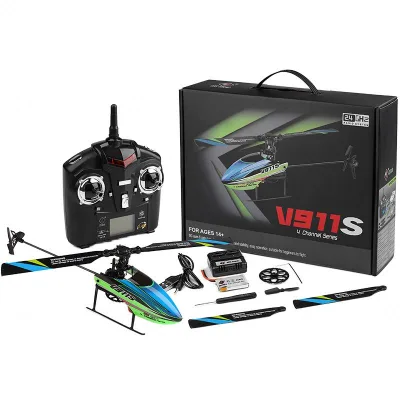
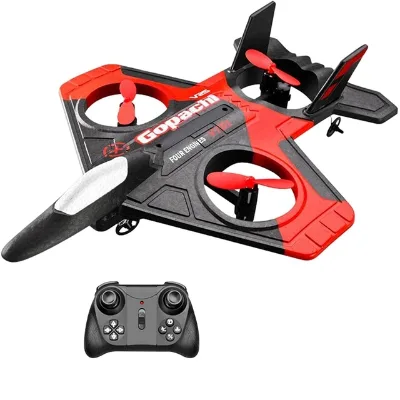
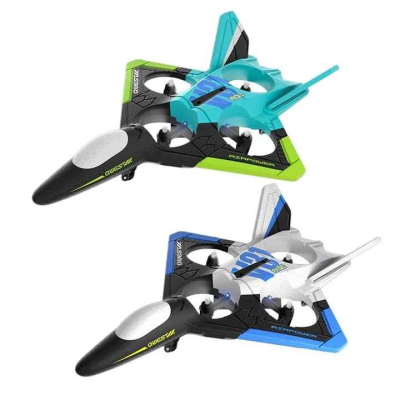
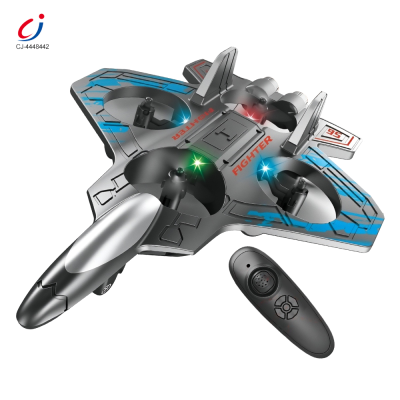
When sourcing a 4-axis beginner RC airplane, buyers must first distinguish between the terminology used in the market and the actual hardware capabilities. While the core keyword suggests a fixed-wing aircraft, the supplied product data reveals a significant prevalence of rotary-wing platforms, specifically remote control helicopters and drones, among the available inventory. The observed product attributes indicate that many items classified under this search term are technically helicopters featuring built-in gyroscopes, barometric height settings, and infrared control functions. This distinction is critical for procurement planning, as the flight dynamics of a 4-axis helicopter differ fundamentally from a fixed-wing airplane.
The technical specifications observed in the current market data highlight several key performance metrics that define the "beginner" segment. Flight duration is a primary constraint, with observed values ranging from approximately 8 minutes to 10 minutes per charge. This short operational window necessitates the inclusion of spare batteries in the procurement package to ensure viable play or demonstration time. Charging times vary significantly, with data points showing durations of about 120 minutes for certain models and 45 minutes for others. Buyers should verify the specific charging infrastructure requirements for their target market, as a 120-minute charge cycle may be impractical for high-volume retail environments.
Control mechanisms are another vital technical consideration. The inventory data confirms the availability of 4-channel control systems, which typically offer pitch, roll, yaw, and throttle management. Some models also feature infrared control capabilities alongside standard radio frequency (R/C) operation. The presence of a built-in gyroscope is a standard feature across the observed models, providing essential stability for novice pilots. Additionally, the inclusion of barometric height setting functions suggests that these units possess altitude-holding capabilities, a feature that significantly reduces the learning curve for beginners. However, the observed WiFi flight range is limited to approximately 30 meters, a constraint that buyers must communicate clearly to end-users to manage expectations regarding operational distance.
Compliance and Certification Verification Protocols
For any toy or recreational vehicle intended for the global market, compliance with safety standards is non-negotiable. The supplied product facts indicate that a subset of the available inventory carries specific certifications, including EN71, EN62115, CE, RoHS, and ASTM F963. These certifications are essential for entry into the European Union and North American markets. EN71 and ASTM F963 are the primary safety standards for toys, covering mechanical, physical, and chemical safety requirements. EN62115 specifically addresses the safety of electrical toys, while RoHS ensures the restriction of hazardous substances in electronic components.
However, buyers must exercise caution regarding the universality of these claims. The data shows that not every listed product explicitly displays the full suite of certifications. For instance, while some models list CE and RoHS, others may only carry a CE mark or no certification data at all. It is the buyer's responsibility to verify that the specific batch of goods being procured holds the necessary documentation for the destination market. Relying on a general product listing without confirming the certification status of the specific SKU can lead to customs seizures or legal liabilities.
Age appropriateness is another critical compliance factor. The observed data consistently lists the recommended age as ">14 Years," which suggests that these specific models may be classified as advanced toys or hobbyist equipment rather than standard children's toys. This classification impacts liability and marketing strategy. If a buyer intends to market these products to a younger demographic, they must ensure the supplier can provide products that meet the specific safety requirements for younger age groups, which often involve stricter choking hazard regulations and lower voltage requirements. The presence of "Electric Toys" as a characteristic further reinforces the need for rigorous electrical safety checks, particularly concerning the 3.7V lithium batteries observed in the product specifications.
Cost Drivers and Pricing Structure Analysis
The pricing structure for 4-axis beginner RC aircraft is highly variable, influenced by the complexity of the electronics, the quality of the materials, and the packaging requirements. The observed listed price range in the market data spans from 1 USD to 10,100 USD. This extreme variance indicates a fragmented market that includes low-cost promotional items, mid-range consumer toys, and potentially high-end industrial or professional-grade units, although the latter are less likely to be categorized strictly as "beginner" equipment.
Material composition is a primary driver of cost. The inventory data identifies plastic as the standard material for the body of these units. While plastic is cost-effective and durable, the grade of plastic used affects the final price. Higher-grade plastics offer better impact resistance and a more premium feel, which can justify a higher price point. Conversely, lower-quality plastics may be prone to cracking during the learning phase, leading to higher return rates and customer dissatisfaction.
Packaging also plays a significant role in the final cost. The data shows two primary packaging types: cardboard boxes and color boxes. Color boxes are generally more expensive to produce but offer better marketing potential on retail shelves. Furthermore, the shipping weight and volume are critical cost factors. The observed gross weight (G.W.) and net weight (N.W.) data, such as 14.2kg and 12.8kg respectively for certain models, highlight the importance of logistics planning. The carton sizes, ranging from compact dimensions like 25187.5cm to larger volumes like 66.53870.5cm, directly impact freight costs. Buyers must calculate the cost per cubic meter (CBM), as the data shows variations such as 0.139/cbm and 0.268/cbm. Optimizing the container load to minimize CBM costs is essential for maintaining healthy profit margins.
Typical Applications and Target Market Segmentation
The applications for 4-axis beginner RC aircraft extend beyond simple recreation. The observed characteristics, such as "Fast and Slow Switch" and "Lights Control," suggest that these units are designed for both indoor and outdoor use. The limited flight duration and short WiFi range make them particularly suitable for indoor environments or small, controlled outdoor spaces where safety is a priority. The "Barometric Height Setting" feature allows for stable hovering, which is ideal for educational demonstrations or basic skill-building exercises.
The target market is clearly segmented by age and skill level. The ">14 Years" designation indicates that these products are not intended for young children but rather for teenagers and adults who are new to the hobby. This demographic is often looking for a gateway into the broader world of remote control aviation. The "Electric Toys" classification suggests a dual market: one for hobbyists and another for educational institutions or corporate training programs where the focus is on understanding basic aerodynamics and control systems.
The "R/C, Infrared Control" functionality implies versatility in operation. Infrared control is often used for line-of-sight operations in indoor settings, while standard R/C allows for greater range. This duality makes the products suitable for a variety of scenarios, from backyard flying to structured training sessions. The "Built-in Gyroscope" is a key feature for this market, as it provides the stability necessary for beginners to gain confidence before transitioning to more complex, non-stabilized aircraft.
Supplier Evaluation and Sourcing Strategy
Evaluating suppliers for 4-axis beginner RC aircraft requires a focus on their ability to provide consistent quality and compliance documentation. The data indicates that the origin of these products is primarily China, with specific mentions of Shantou as a production hub. Shantou is a well-known manufacturing center for toys and electronic games, but it also implies a need for rigorous supplier vetting to ensure quality control.
Buyers should prioritize suppliers who can demonstrate a clear chain of custody for their certifications. The presence of CE, EN71, and ASTM F963 in the data is a positive indicator, but it must be verified that the supplier holds valid, up-to-date certificates for the specific models being ordered. Suppliers who can provide third-party test reports are preferable, as they reduce the risk of non-compliance.
The customization availability noted in the product attributes is another valuable factor. The ability to customize packaging or branding can be a significant competitive advantage for buyers looking to establish their own brand identity. However, buyers must clarify the minimum order quantities (MOQ) for customization, as the observed MOQ range spans from 1 to 600 units. High MOQs for custom orders can increase the financial risk for new entrants, so suppliers offering flexible MOQs are highly desirable.
Quality Control and Long-Term Procurement Considerations
Quality control is paramount in the RC aircraft sector, where mechanical failures and battery issues are common. The observed battery specifications, such as 3.7V 750mAh and 3.7V/500mA, indicate the use of lithium-ion technology. Buyers must ensure that the suppliers adhere to strict safety standards for battery handling and shipping, as lithium batteries are subject to hazardous materials regulations. The "About 120 Minutes" and "45 Minutes" charging times suggest that battery management is a critical aspect of the user experience. Poor battery quality can lead to premature failure, short flight times, and safety hazards.
Long-term procurement considerations include the availability of spare parts and after-sales support. Given the fragility of the plastic bodies and the complexity of the electronic components, buyers should negotiate terms that include a supply of replacement parts, such as propellers, landing gear, and batteries. The "Play Time" of 10 minutes and "Flight Duration" of 8 minutes suggest that these units are subject to wear and tear, making a robust supply chain for consumables essential.
Furthermore, buyers should consider the lead times associated with the different product models. The data shows a wide range of specifications, from simple plastic helicopters to more complex units with advanced features. Suppliers with a diverse inventory may have varying lead times for different SKUs. Establishing a relationship with a supplier who can provide consistent lead times and reliable stock levels is crucial for maintaining a steady supply chain.
Comparative Analysis of Key Product Attributes
To assist in the decision-making process, the following table summarizes the key attributes observed in the market data for 4-axis beginner RC aircraft. This comparison highlights the variability in specifications that buyers must navigate when selecting products.
| Attribute | Observed Value Range / Options | Implication for Procurement |
|---|---|---|
| Product Model | SK-018, sk007GPS, SK003, SK008, XX433702, 70990436, RFD322425, RFD366409 | High SKU diversity requires careful inventory management and specific model verification. |
| Dimensions | 2016.57 cm to 32922.7 cm (Packing) | Packaging size varies significantly, affecting shipping costs and storage requirements. |
| Battery Capacity | 3.7V 750mAh, 3.7V/500mA | Lower capacity batteries (500mA) may result in shorter flight times; verify against marketing claims. |
| Flight Duration | 8 Minutes, 10 Minutes | Short flight times necessitate selling multi-battery packs or offering spare batteries as add-ons. |
| Charging Time | 45 Minutes, ~120 Minutes | Long charging times (120 mins) may impact customer satisfaction; verify if fast-charging options exist. |
| Control Range | ~30 Meters (WiFi) | Limited range restricts usage to indoor or small outdoor areas; manage customer expectations. |
| Certifications | CE, RoHS, EN71, EN62115, ASTM F963 | Ensure specific SKUs carry the required certifications for the target export market. |
| Material | Plastic | Standard material; verify impact resistance and durability for the intended age group. |
| Age Recommendation | >14 Years | Indicates a niche market; marketing must target older children and adults, not young children. |
| Origin | China (Shantou) | Standard manufacturing hub; verify supplier reputation and quality control processes. |
Final Procurement Recommendations
Sourcing 4-axis beginner RC airplanes requires a balanced approach that prioritizes technical accuracy, regulatory compliance, and cost efficiency. Buyers must navigate the complex landscape of product specifications, ensuring that the selected models meet the specific needs of their target demographic. The observed data suggests a market dominated by helicopter-style drones with advanced stabilization features, rather than traditional fixed-wing airplanes. This distinction should guide the marketing and positioning of the products.
By focusing on suppliers who can provide verified certifications, flexible customization options, and reliable quality control, buyers can mitigate the risks associated with this category. The variability in battery life, charging times, and flight ranges necessitates a thorough understanding of the product capabilities before committing to large orders. Ultimately, success in this sector depends on the ability to match the right product specifications with the right market requirements, ensuring a safe and enjoyable experience for the end-user.
FAQs
What certifications are available for these 4 axis beginner rc airplanes?
Some models carry EN71, EN62115, CE, RoHS, and ASTM F963 certifications. Buyers must verify that specific batches hold valid documentation for their target market, as not every listed product explicitly displays the full suite of certifications.
How long does the battery charge for these remote control drones?
Charging times vary significantly between models, with some requiring about 120 minutes and others taking approximately 45 minutes. This variance necessitates checking specific model requirements to ensure the charging infrastructure matches the procurement plan.
Which flight duration can buyers expect from these beginner aircraft?
Observed flight durations range from about 8 minutes to 10 minutes per charge. This short operational window suggests that procurement packages should include spare batteries to ensure viable play or demonstration time for end-users.
Can these units be customized for specific branding requirements?
Customization is available for these products, allowing for potential branding adjustments. Buyers should clarify the minimum order quantities for custom orders, as the observed range spans from 1 to 600 units depending on the supplier.
What is the typical origin location for these 4 axis beginner rc airplanes?
The primary origin for these products is China, with specific production hubs identified in Shantou. This location is a known manufacturing center for toys, requiring rigorous supplier vetting to ensure consistent quality and compliance.
How does the packaging type affect the final cost of these items?
Packaging varies between cardboard boxes and color boxes, with color boxes generally costing more but offering better marketing potential. Shipping weight and volume also impact costs, so optimizing container load is essential for maintaining profit margins.