Source 4 Button Car Key for Auto Repair, Dealerships, and Fleet Maintenance
Explore 28 listings for the 4 Button Car Key designed for replacement cases and remote functions. Buyers can compare specifications like key level, material, and customization options from verified suppliers in China.
Key considerations
Products List

Remote Control Car 4 Button Remote Control Car Smart Key Remote Control Car Key
$1.50 - $3.00
MOQ: 1000 Pieces


Car Keys with 3 Button Flip Key Shell Blank Remote Control Universal Car Key
$1.50 - $3.00
MOQ: 1000 Pieces

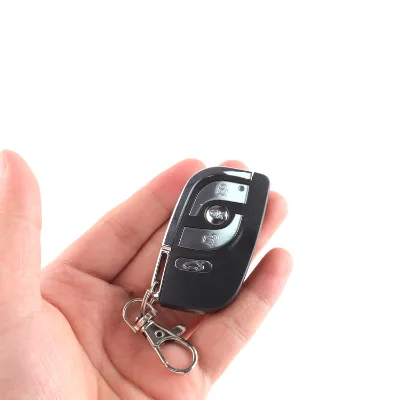

Wholesale Car Key Replacement Wireless Universal Remote Control Car Key
$1.20 - $3.00
MOQ: 1000 Pieces


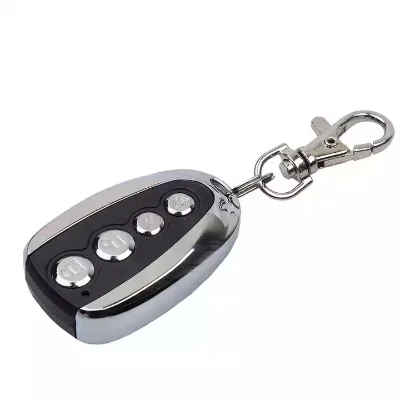
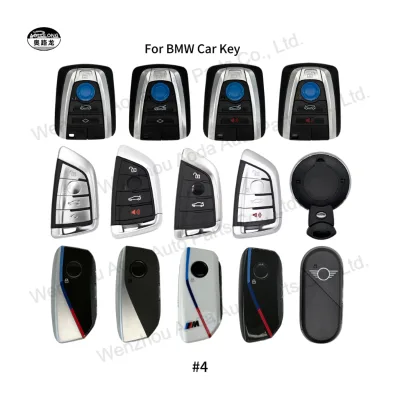


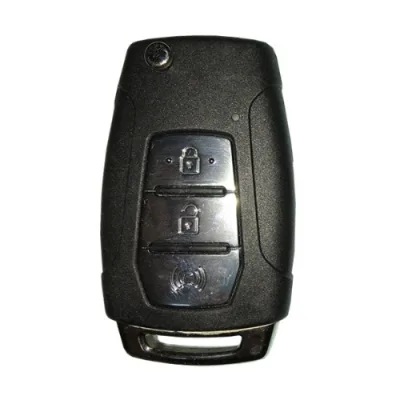
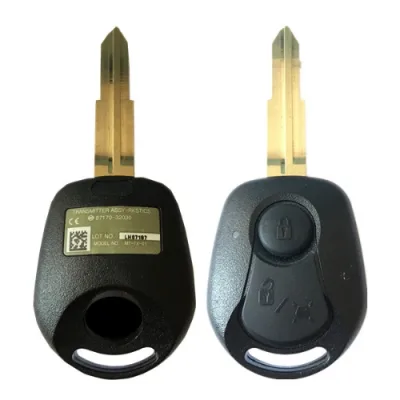


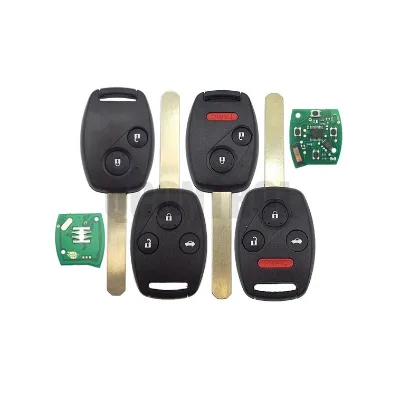


Comprehensive Sourcing Guide
Strategic Sourcing Guide for 4-Button Car Key Systems
Navigating the global market for automotive key components requires a disciplined approach to distinguishing between finished security devices and essential replacement parts. When sourcing a 4-button car key, buyers must understand that the product landscape is fragmented between complete electronic assemblies and replacement shells or casings. The data indicates a wide spectrum of product definitions, ranging from "Car Key Shell" and "Key Case" to "Electronic Anti-theft Alarm Lock" and "Auto Lock Set." A successful procurement strategy begins with clarifying whether the requirement is for a functional key with integrated circuitry or a structural component designed to house existing electronics. The observed market offers products with "Chip Remote" styles and "Triplex Row Anti Dialing Key" mechanisms, suggesting that the 4-button configuration often serves as a specific interface for high-security or customized vehicle access systems.
Technical Specifications and Component Architecture
The technical definition of a 4-button car key varies significantly based on the specific product type listed in supplier catalogs. For replacement shells, the primary attributes focus on physical dimensions and material integrity. The observed specifications include a thickness range of 1.8mm to 3mm for the lock body, with some products listing a standard thickness of 1.0mm to 3.5mm. Material composition is a critical differentiator; while some high-security lock bodies are constructed from "Brass" with "Electroplating" surface treatments, replacement shells often utilize an "ABS+Metal" composite to balance durability with weight. The weight of a standard unit is observed at approximately 18g, which is a vital metric for logistics and ergonomic design.
The functional architecture of the key itself involves specific button configurations. The market data explicitly lists "2/3/4 Button" options, confirming that the 4-button variant is a standard configuration. These buttons are often described as "According to Models," implying that the layout and spacing must match the specific vehicle's internal receiver logic. For the locking mechanism, the "Lock Cylinder Level" is noted as "Supper B" (Super B), and the "Key Level" is rated as "C," indicating a specific tier of mechanical security. The blade is frequently supplied as "Un Cut" or "Uncut Blade," meaning the buyer must factor in the cost and time for local key cutting or laser engraving to match the vehicle's ignition profile. The "Key Type" is identified as "Triplex Row Anti Dialing Key," a feature designed to prevent unauthorized duplication by using a complex keyway that resists standard picking or decoding attempts.
Compliance, Certification, and Security Standards
In the automotive aftermarket, compliance is not merely a regulatory checkbox but a functional necessity for vehicle security. The provided data references specific security classifications, such as "Lock Core Theft-proof Performance: A Class" and "Fire Resistant Lock Style." While these terms appear in the context of lock cylinders, they serve as indicators of the security tier a buyer should verify for the key system. A 4-button key often integrates with an "Electronic Anti-theft Alarm Lock" system, requiring the key to communicate securely with the vehicle's immobilizer.
Buyers must verify that the "Key Functions" align with the vehicle's security protocols. The observed attributes include "Remote Key" and "Anti-Theft Electronic Key" capabilities. When sourcing, it is essential to confirm that the product adheres to the "European Style" lock core type if the vehicle originates from that market, or to verify compatibility with "T Type" ignition locks. The "Lock Body Type" is described as "Triple" with a "Multiple Bolt" structure, which suggests a robust mechanical design intended to withstand forced entry. However, buyers should not assume that every listed product meets these high-security standards without explicit verification. The "Standard" field in the data lists values like "15g" and "1.0-3.5(mm)," which appear to be dimensional or weight standards rather than formal industry certifications like ISO or SAE. Therefore, procurement teams must request specific test reports or certification documents from suppliers to confirm that the key meets the relevant automotive security standards for the target region.
Cost Drivers and Pricing Dynamics
The pricing for 4-button car key systems is influenced by a complex interplay of material costs, customization levels, and order volume. The observed price range in the market is extensive, spanning from $0.06 to $102.58 USD. This vast disparity highlights the difference between a basic plastic shell and a fully integrated electronic key assembly. The lower end of the spectrum likely corresponds to "Car Key Shell" or "Key Case" products, which are primarily structural components. The higher end likely reflects complete "Auto Lock Set" units or keys with advanced "Chip Remote" technology and "Electroplating" finishes.
Material composition is a primary cost driver. Products made from "Brass" with "Electroplating" generally command a higher price than those using "ABS+Metal" composites due to the raw material cost and the additional processing required for surface treatment. Customization is another significant factor. The data confirms that "Customization" and "OEM/ODM" are "Acceptable," and "Logo" and "Stamping" can be "Customized." These value-added services inevitably increase the unit cost. Furthermore, the "MOQ" (Minimum Order Quantity) varies widely, from 1 to 10,000 units, with specific listings showing 100, 500, and 1000 PCS. Buyers must balance the per-unit price against the total order volume; higher MOQs often yield lower unit costs but require greater capital commitment. The "Supply Ability" of 3,000,000 pieces per month suggests that large-scale orders can be fulfilled without significant delays, but smaller orders may face different pricing structures.
Typical Applications and Vehicle Compatibility
The application of a 4-button car key extends beyond simple ignition access. The data indicates usage for "Replace Car Key Case" and integration with "Electronic Anti-theft Alarm Lock" systems. This suggests that the 4-button configuration is commonly used in modern vehicles requiring multiple functions, such as remote locking, unlocking, trunk release, and panic alarm activation. The "Car Lock Type" is specified as "Electronic Anti-theft Alarm Lock," reinforcing the need for a key that can interface with the vehicle's electronic control unit.
The "Style" of the key is noted as "Chip Remote," which is essential for vehicles with immobilizer systems. Without the correct chip, the key may mechanically turn the ignition but will not allow the engine to start. The "Ignition Lock Type" is listed as "T Type," and the "Steering Wheel Lock Type" as "Top Hook Lock," indicating that the key must be compatible with specific mechanical lock arrangements. The "prod_model" field lists variations such as "CAR (6)," "CAR (3)," and "3 Button Remote Car Key," which implies that the 4-button variant is part of a broader family of models designed for different vehicle generations. Buyers must ensure that the "Button" configuration matches the vehicle's specific requirements, as the "Button" attribute is described as "According to Models." This necessitates a thorough review of the vehicle's manual or the existing key's layout before placing an order.
Supplier Evaluation and Operational Capabilities
Evaluating a supplier for 4-button car key components requires a focus on their production capacity, customization flexibility, and logistical reliability. The data shows that suppliers offer "OEM/ODM" services, which is crucial for buyers looking to brand the product or modify the design. The "Customization" attribute is explicitly marked as "Available," and "Logo" and "Stamping" can be tailored. This flexibility allows buyers to create private-label products that meet specific market demands.
Lead time is a critical operational metric. The observed "Lead Time" is listed as 7 days, which is relatively short and suggests a responsive supply chain. However, buyers should verify if this lead time applies to stock items or customized orders. The "prod_packing" details vary, with options like "1-2PCS/Box; 1000PCS/Carton" or "200PCS in a Bag, 4000PCS in a Carton." These packing specifications impact shipping costs and inventory management. The "prod_origin" is listed as "China" and specifically "Qingdao China," indicating a concentration of manufacturing in this region. Buyers should assess the supplier's ability to maintain consistent quality across large batches, given the "Supply Ability" of 3,000,000 pieces per month. High-volume suppliers may offer better pricing but require rigorous quality control to prevent defects in the "Un Cut" blades or the "Electroplating" finish.
Quality Control and Long-Term Procurement Considerations
Ensuring the quality of 4-button car keys involves a multi-layered approach to inspection and verification. The "Lock Body Structure" is described as "Multiple Bolt," and the "Lock Body Type" as "Triple," which are structural features that should be physically inspected for consistency. The "Surface Treatment" of "Electroplating" must be checked for uniformity and adhesion to prevent corrosion over time. The "Thickness" of 1.8mm to 3mm should be measured to ensure the shell provides adequate protection for the internal electronics.
For long-term procurement, buyers should consider the lifecycle of the key. The "Key Level" of "C" and "Lock Cylinder Level" of "Supper B" suggest a high durability rating, but this must be validated through actual usage data or third-party testing. The "Blade" being "Un Cut" means the buyer is responsible for the final cutting process, which introduces a variable in the final product quality. Buyers should establish a protocol for testing the cut keys against the vehicle's ignition to ensure smooth operation. Additionally, the "MOQ" ranges from 1 to 10,000, allowing for flexible ordering strategies. However, for long-term contracts, buyers should negotiate fixed pricing and guaranteed lead times to mitigate market volatility. The "Brand" field shows both "Tonyon" and "Customize," indicating that buyers can choose between established brands or private-label solutions. Selecting a supplier with a proven track record in "Anti-Theft Electronic Key" production is essential for maintaining the security integrity of the vehicle fleet.
Comparative Analysis of Product Attributes
To facilitate decision-making, the following table summarizes the key attributes observed in the market for 4-button car key systems. This comparison highlights the variations in specifications that buyers must navigate.
| Attribute Category | Observation A (Shell/Case Focus) | Observation B (Lock/Security Focus) | Observation C (Electronic Focus) |
|---|---|---|---|
| Primary Material | ABS+Metal | Brass | ABS+Metal |
| Surface Treatment | Electroplating | Electroplating | Standard |
| Key Type | Un Cut / Uncut Blade | Triplex Row Anti Dialing Key | Chip Remote |
| Button Configuration | 2/3/4 Button (According to Models) | Remote Key | Anti-Theft Electronic Key |
| Lock Cylinder Level | N/A | Supper B | N/A |
| Key Level | N/A | C | N/A |
| MOQ Range | 100 - 1000 PCS | 1000 PCS | 500 PCS |
| Lead Time | 7 Days | 7 Days | 7 Days |
| Origin | China / Qingdao China | China | China |
| Customization | Logo, Stamping | OEM/ODM Acceptable | OEM/ODM Acceptable |
This table illustrates that while the core function remains the same, the execution varies. Buyers must align their specific needs with the correct attribute set. For instance, if the priority is mechanical security, the "Brass" and "Triplex Row" attributes are paramount. If the priority is cost and volume, the "ABS+Metal" and "Un Cut" options may be more suitable. By carefully evaluating these dimensions, buyers can source 4-button car key systems that meet both functional and economic requirements.
FAQs
What materials are used for 4 Button Car Key shells?
Replacement shells typically use an ABS+Metal composite to balance durability and weight. Some high-security lock bodies are constructed from Brass with Electroplating surface treatments for enhanced corrosion resistance and longevity.
Can I customize the logo and stamping on these keys?
Yes, customization is available for logos and stamping on these products. Suppliers accept OEM and ODM requests, allowing buyers to tailor the appearance to match their brand or specific vehicle requirements.
What is the typical lead time for orders?
The observed lead time for these products is 7 days. This duration applies to standard orders, though customized requests may require additional processing time depending on the specific supplier capacity and design complexity.
How does the key blade come when purchased?
The key blade is supplied as an uncut or uncutter blade. Buyers must factor in the cost and time for local key cutting or laser engraving to match the specific vehicle's ignition profile.
Which security levels are associated with these lock systems?
The key level is rated as C and the lock cylinder level is noted as Super B. These ratings indicate a specific tier of mechanical security designed to resist unauthorized duplication and forced entry attempts.
What is the minimum order quantity for these items?
The minimum order quantity varies from 1 to 10,000 units depending on the supplier. Specific listings show MOQs of 100, 500, or 1000 pieces, allowing flexibility for both small and large procurement needs.
Where are these products primarily manufactured?
Products originate from China, with specific manufacturing hubs in Qingdao. This location concentration suggests a robust supply chain capable of fulfilling large volumes, such as the observed 3,000,000 pieces per month supply ability.